


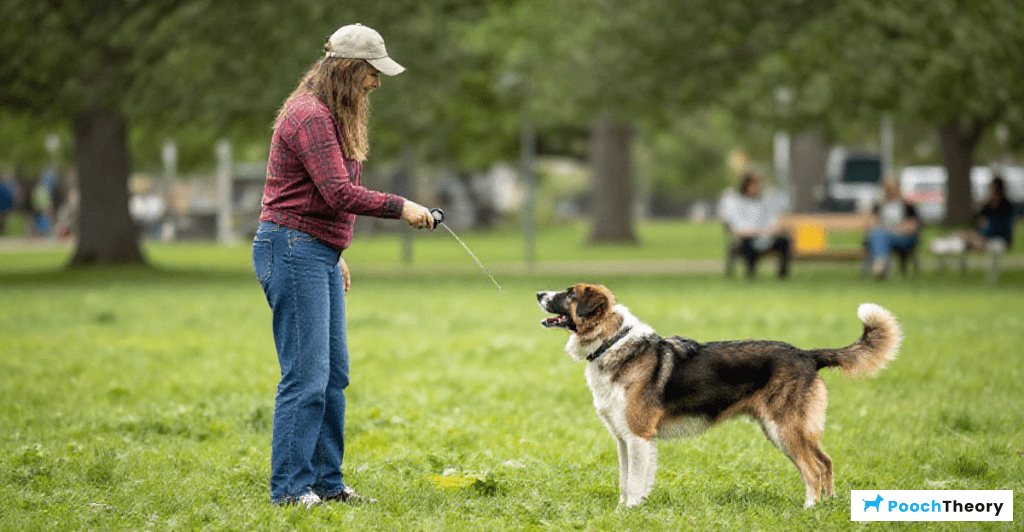
Teaching Your Dog the Emergency Stop Command
Teaching the emergency stop command to dogs is crucial for responsible pet ownership, especially when they are off-leash. This command enhances safety for both the dog and the public. In unexpected situations, such as encountering other animals or people, an effective emergency stop can prevent accidents and injuries. According to experts, proper training can significantly reduce the risk of harmful incidents, allowing dogs to enjoy their freedom without compromising safety [Source].
Moreover, the emergency stop command fosters impulse control in dogs, teaching them to respond immediately to their owner, regardless of distractions. This key skill not only promotes safer interactions but also strengthens the bond between dog and owner as mutual trust develops. Implementing a gradual training regimen can also improve a dog’s overall obedience, enhancing their recall capabilities and responsiveness to commands in various environments [Source]. For those looking to expand their dog’s training further, resources on recall training can offer valuable insights.
In essence, teaching your dog the emergency stop command is an investment in both their safety and your peace of mind. By prioritizing this command in your training regimen, you not only empower your pet but also enhance their ability to navigate the world responsibly.
Importance of the Emergency Stop Command
Having an emergency stop command for your dog significantly enhances safety and allows for greater freedom during off-leash activities. This command acts as a vital failsafe, ensuring you can instantly regain control if your dog becomes distracted or encounters potential dangers, such as traffic or aggressive animals. For instance, the ability to give a quick stop command can prevent unexpected incidents that may arise, even in familiar environments. Notably, studies show that dogs trained with reliable recall commands experience fewer emergencies overall, further affirming the importance of this training method [Source].
Moreover, having a solid command structure provides peace of mind for pet owners, allowing them to enjoy off-leash play without constantly worrying about their dog’s safety. This bond fosters a more enjoyable outdoor experience for both the dog and owner, promoting mental stimulation and exercise, which are essential for a dog’s well-being [Source].
Incorporating such commands into everyday training routines not only boosts your dog’s obedience but also enhances their confidence when exploring off-leash environments. For more insights on effective dog training techniques, check out our article on home training tips. By prioritizing command training, you cultivate a safer environment and deepen your bond with your furry friend, enriching your outdoor adventures together.
Foundations for Training the Emergency Stop Command
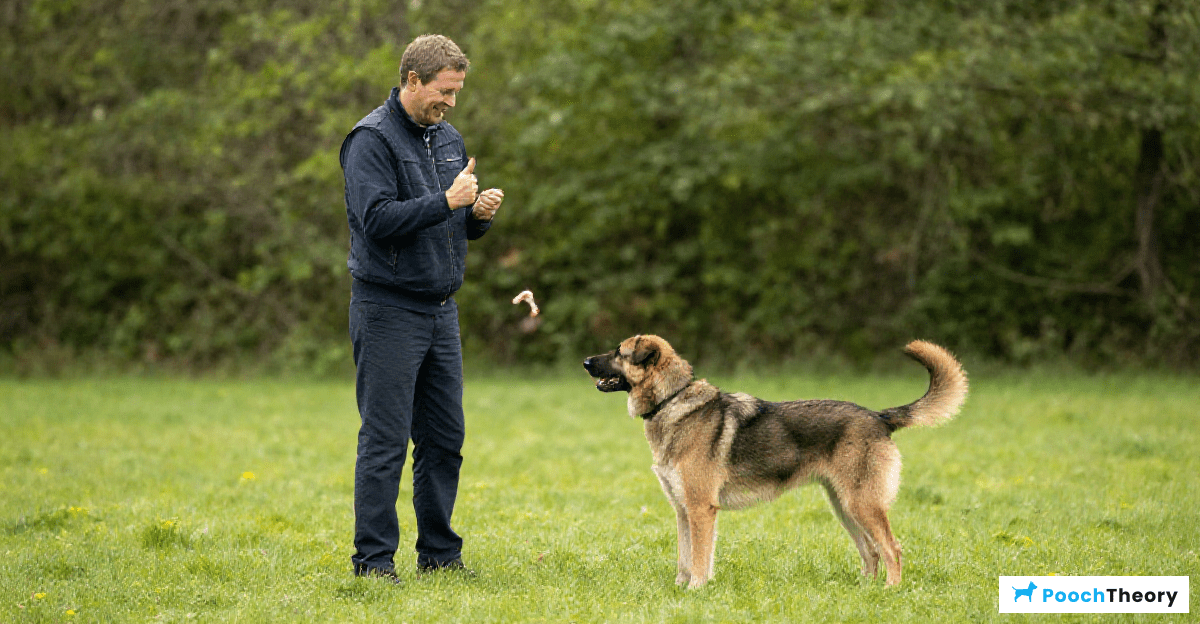

Before undertaking emergency stop training, it is vital that a dog masters several foundational skills and commands. These prerequisites not only enhance safety but also ensure a smoother transition into more advanced training.
Basic Commands
- Sit – This command helps establish control and sets the groundwork for impulse control. Teaching your dog to sit reliably can make subsequent commands more manageable.
- Stay – The stay command is critical for safety and teaches dogs to remain in a designated position until released. This is essential in emergency scenarios.
- Come – A reliable recall is vital, especially during training for life-threatening situations. This command ensures that the dog returns immediately when called, which can be crucial in emergencies.
- Leave it – Teaching dogs to leave items alone can prevent them from engaging with dangerous distractions, a concept that directly relates to emergency stop training.
Skills to Develop
- Focus – Dogs need to pay attention to their handler amid potential distractions. Practicing attention exercises can significantly boost this skill.
- Impulse Control – This involves teaching dogs to resist immediate gratification, which is crucial for compliance with the emergency stop.
- Socialization – Exposure to different environments, people, and other animals can help reduce anxiety and reactive behaviors, making them more reliable under diverse conditions.
Establishing these commands and skills will prepare your dog for more complex behaviors and enhance their overall responsiveness. For detailed guidance on training and commands, consider exploring further resources such as our article on essential dog training tips and impulse control strategies.
Structured Approach to Training the Emergency Stop Command
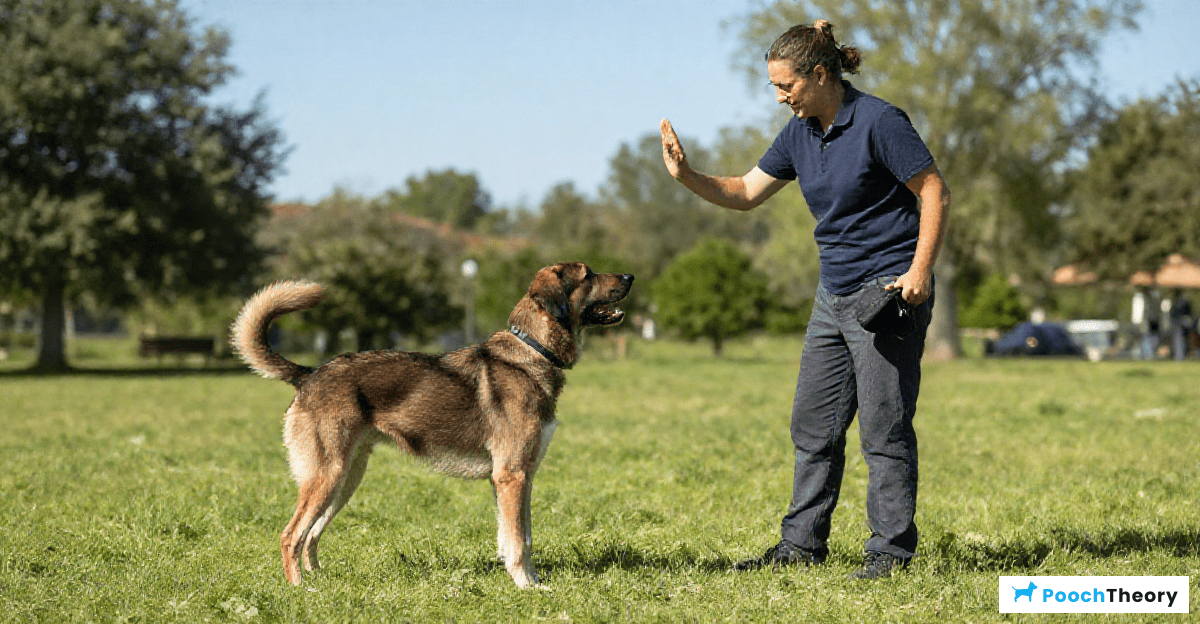
To effectively teach your dog a command, it’s essential to follow a structured approach that incorporates positive reinforcement and consistent training practices. Here’s a step-by-step guide to aid you in the process:
- Choose a Command: Select a simple command like “sit,” “stay,” or “come.” Make sure it’s concise and distinct.
- Prepare Your Environment: Find a quiet space with minimal distractions. This helps your dog focus on you and the training.
- Use Positive Reinforcement: Have treats ready to reward your dog immediately after they perform the command. Positive reinforcement encourages dogs to repeat the behavior. Studies show that rewards increase compliance and motivation in dogs, making training more effective [Source].
- Demonstrate the Command: Use clear hand signals and vocal cues when teaching the command. For “sit,” gently push your dog’s rear down while saying the command. Be sure to praise them as soon as they comply.
- Repeat Consistently: Practice daily in short sessions—about 5 to 10 minutes. Consistency is crucial for reinforcing learning. Dogs thrive on routine, which helps solidify their understanding of commands [Source].
- Gradually Increase Difficulty: Once your dog masters the command in a quiet setting, begin practicing in more distracting environments. This helps your dog learn to obey despite distractions.
- Use a Release Command: When your dog follows through with the command, use a phrase like “free” or “okay” to release them, teaching them that commands are temporary.
- Stay Patient and Positive: Always remain calm and patient. Training takes time, and frustration can hinder progress. Celebrate small victories to keep spirits high.
- End on a Positive Note: Conclude each training session with a success, no matter how small, and treat your dog. Ending positively reinforces their willingness to learn again later.
For a deeper dive into specific techniques and additional tips, check out our other resources on dog training, such as our guide on long-line training for recall and effective techniques in dog socialization. Remember, each dog learns at their own pace, so adapt these steps based on your dog’s unique needs.
Avoiding Training Pitfalls
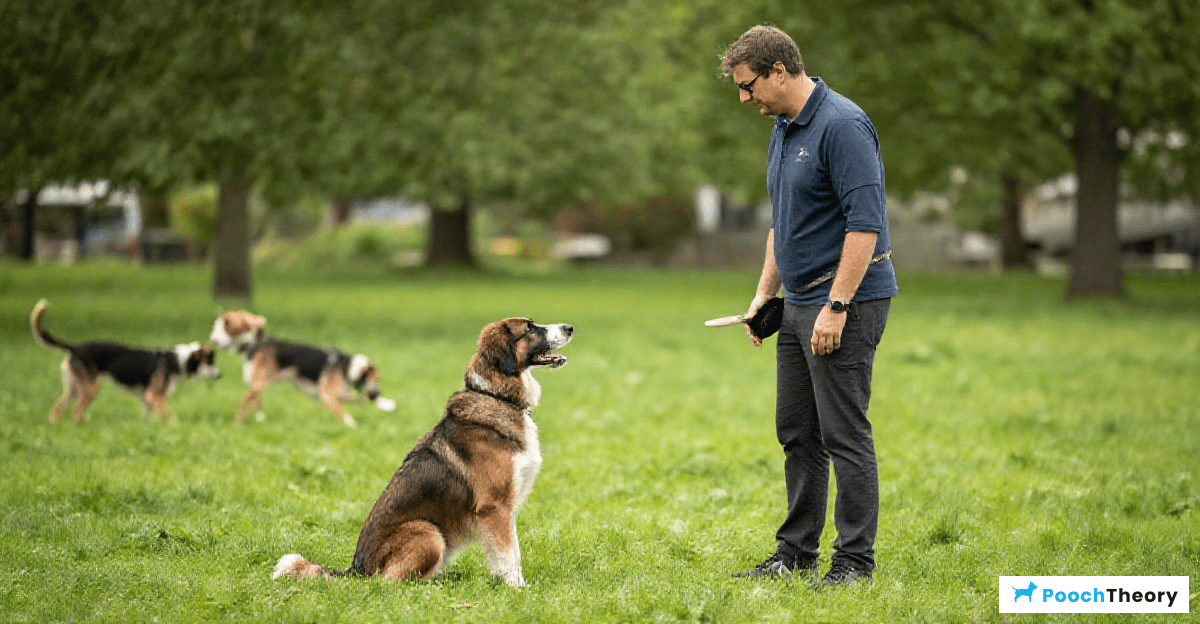
Training for the emergency stop command can be a crucial aspect of ensuring your dog’s safety, but many owners unknowingly make common mistakes that can hinder their progress. Here are several pitfalls to avoid during this critical phase of training:
- Neglecting Consistency in Commands: One of the most significant errors owners make is using different words or tones when giving commands. Dogs thrive on consistency, so it is essential to use the same phrase consistently, such as “stop!” or “enough!” [Source].
- Ignoring Distractions: It’s vital to gradually expose your dog to increasing levels of distractions in a controlled manner. Starting in a quiet environment and slowly introducing distractions can help your dog learn to respond under varied conditions [Source].
- Infrequent Practice: Regular practice is crucial for effective learning. Short, frequent training sessions are more effective than infrequent, lengthy ones [Source].
- Overusing Treats: While treats can be a great motivator, relying solely on them can create dependency. Start fading treats out once your dog consistently responds to the command [Source].
- Lack of Real-Life Application: Training should extend beyond the backyard. Practice in different locations and situations to help your dog understand the importance of the emergency stop command [Source].
By being aware of these common mistakes, you can create a more structured and effective training environment, ensuring that your dog masters the emergency stop command and remains safe in various situations.
Using Positive Reinforcement
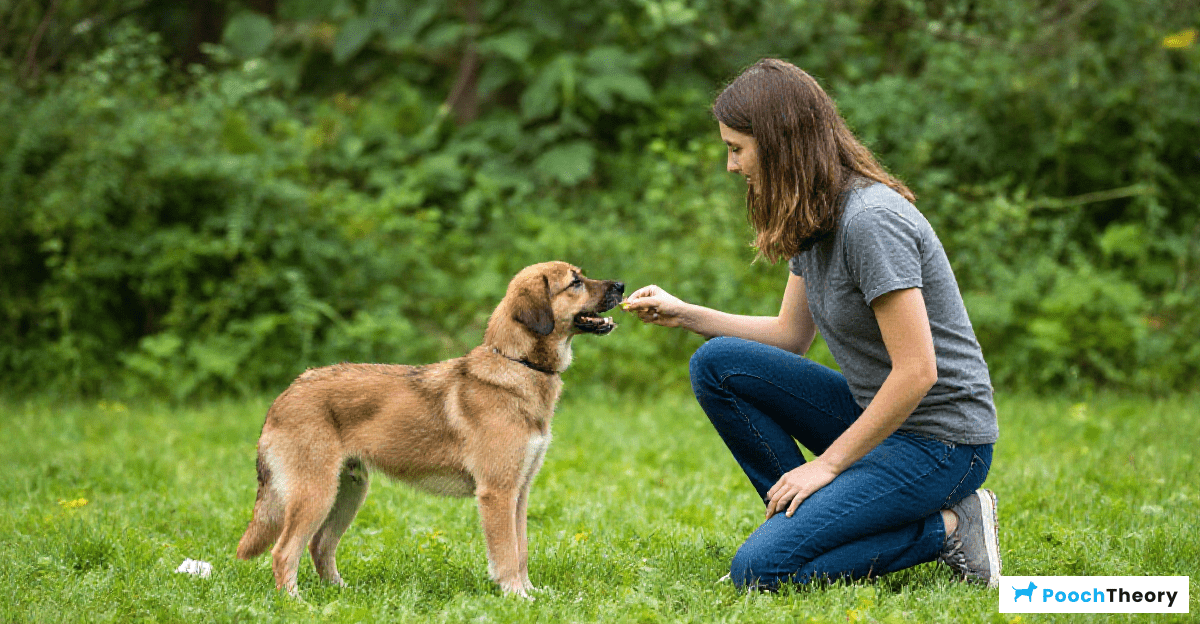
Using positive reinforcement is a powerful method to encourage your dog to reliably respond to the emergency stop command. This technique relies on rewarding desired behaviors to increase the likelihood of those behaviors being repeated in the future. For example, when training your dog to stop on command, reward them immediately when they respond correctly. This positive feedback creates a strong association between the command and the reward, making it more likely that your dog will obey in the future.
A prime strategy involves the marker training method, which utilizes a distinct sound or word, like “yes!” or a clicker, to signal to your dog that they’ve done something right. This immediacy helps reinforce the behavior effectively. According to studies on dog training, dogs are more responsive to positive reinforcement than to punishment-based methods [Source].
Make sure to gradually increase the level of distraction during training sessions, such as practicing in different locations or introducing other animals. Consistency is key; use the same command and reward system each time [Source].
Incorporating high-value treats that your dog doesn’t usually get can also boost their motivation to respond to commands, especially in more distracting environments. As they become more reliable, you can start to phase out the treats, replacing them with verbal praise or affection [Source].
Testing Commands in Various Environments
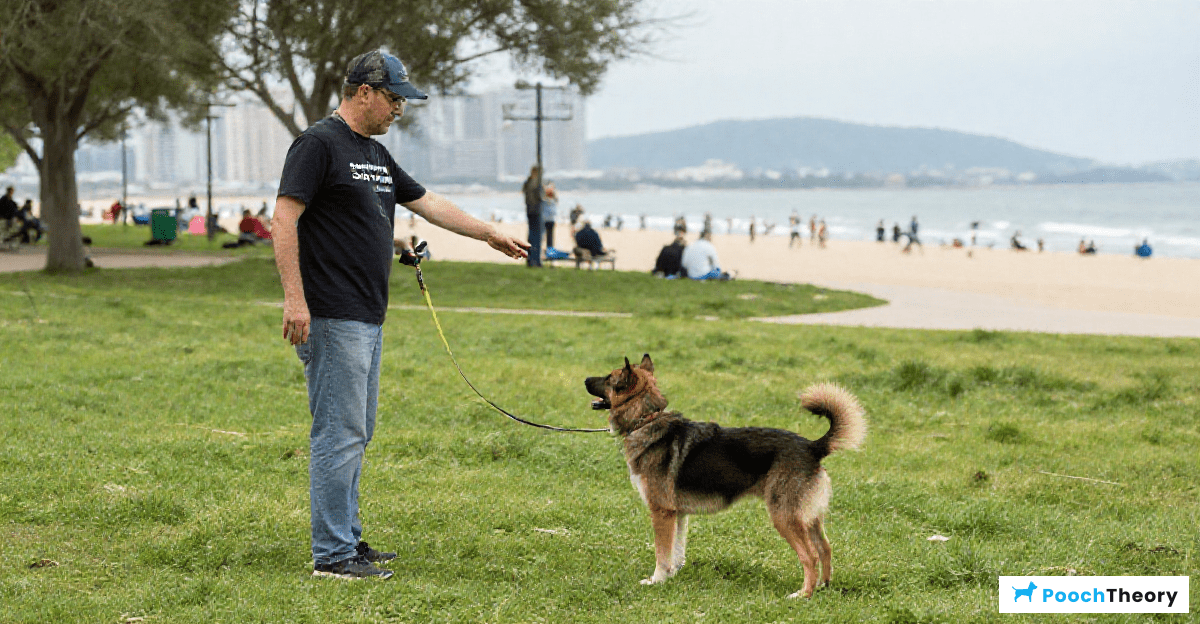
To effectively test your dog’s commands in various environments, it’s crucial to create a structured plan that prioritizes safety and efficacy. Here are some steps to follow:
- Start in a Controlled Environment: Initially, practice commands like sit, stay, and come in a quiet, familiar space such as your home or backyard.
- Gradual Exposure to New Environments: Once your dog responds well at home, take them to different settings where commands can be practiced [Source].
- Employ Positive Reinforcement: Utilize treats and praise when your dog successfully follows commands in new settings [Source].
- Vary the Environment: Incorporate different locations with varying distractions over time to help your dog learn to obey commands under diverse conditions [Source].
- Safety First: Always prioritize safety by using a leash or a long line in unfamiliar environments.
- Observe and Adjust: Pay close attention to your dog’s behavior; if they struggle to focus, it might be necessary to revert to an earlier training step.
By implementing these strategies, you can ensure that your dog becomes responsive and reliable in various situations while keeping training sessions safe and enjoyable.
Conclusion

In conclusion, ensuring safety and control during off-leash scenarios requires a dedicated approach built on consistency, understanding, and practice. Key points discussed emphasize the importance of establishing strong communication skills with your dog, which leads to better behavior management in various environments. Techniques such as positive reinforcement and impulse control training can significantly enhance your dog’s responsiveness and manners, making off-leash outings enjoyable and secure.
Additionally, engaging your dog in regular training sessions develops essential skills that facilitate safe interactions with other animals and people. For those seeking more detailed training techniques, resources such as our guide on home training tips and techniques or the long-line training guide can be highly beneficial. Prioritizing consistent practice is crucial for creating a positive training journey, ultimately leading to safer and more enjoyable off-leash experiences.
Sources
- ABC News – Federal Law Enforcement’s Bomb-Sniffing Dogs Helping SECURE
- GovTech – How is Ring Making it Easier for Neighbors to Help You Find Your Lost Pet
- Newsweek – Scientists Reveal Highlights on Behavior of Gifted Word Learners
- Newsweek – Stranger Warns Owner German Shepherds Loose, then Realizes What’s Behind Him
- Yahoo Lifestyle – Golden Retriever Puppy Gets Lesson