


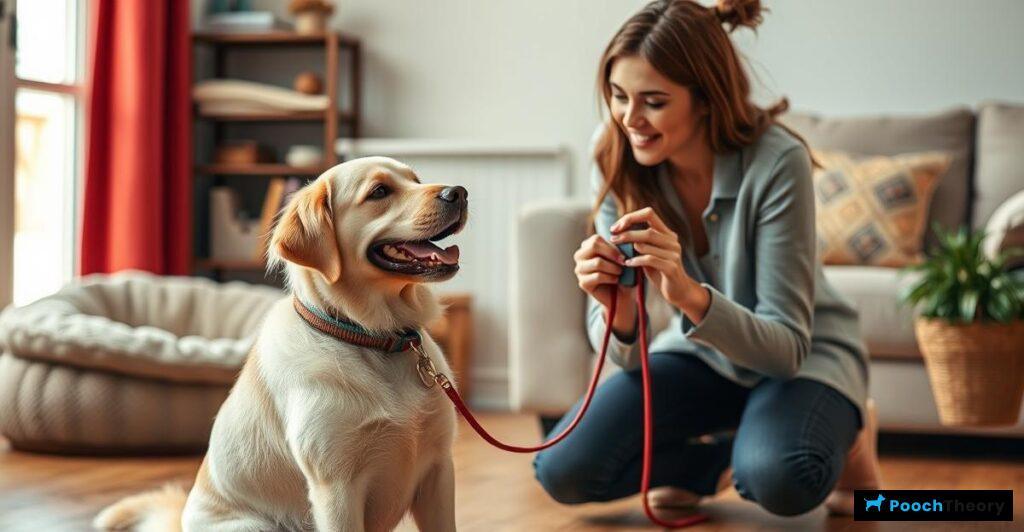
Dog Training at Home offers numerous benefits, from building a strong bond with your furry friend to tailoring the training to their unique personality and needs. Home-based training allows you to work at your dog’s pace, ensuring they feel comfortable and confident in their learning environment. One of the key advantages is the convenience. You can integrate training sessions into your daily routine, whether it’s during walks, playtime, or meal prep.
Setting realistic expectations is crucial for success. Dogs, like humans, learn at different speeds, so patience and consistency are essential. For example, puppies, such as Beagles, require consistent exercise and mental stimulation to thrive. Additionally, understanding your dog’s emotional and behavioral cues, as highlighted in research about dog cognition, can significantly improve training outcomes.
For those dealing with anxious dogs, techniques like desensitization to loud noises, such as fireworks, can be implemented gradually at home. If you’re looking for more specialized training methods, consider exploring our guide on emotional support dog training or tips for socializing your dog.
Remember, the goal is to create a positive and rewarding experience for both you and your dog, setting the foundation for a well-behaved and happy companion.
Basic Commands Every Dog Should Know
Training your dog with essential commands like “sit,” “stay,” and “come” is the cornerstone of obedience and helps build a strong bond between you and your pet. These commands are not just about discipline, they also ensure your dog’s safety in everyday situations. Here’s a breakdown of the most fundamental commands every dog should master:
Sit
Teaching your dog to sit is one of the easiest and most versatile commands. It’s useful for calming an excited pup, preventing jumping on guests, or preparing for other commands. To teach “sit,” hold a treat close to your dog’s nose, then move your hand upward. As their head follows the treat, their bottom will naturally lower. Once seated, say “sit” and reward them.
Stay
This command is vital for keeping your dog safe in potentially dangerous situations, like near roads or crowded areas. Start with your dog in the “sit” position. Open your palm in front of their face, say “stay,” and take a few steps back. Reward them if they remain seated. Gradually increase the distance and duration.
Come
A reliable recall can prevent accidents and give you peace of mind. Begin in a controlled environment, call your dog’s name, followed by “come” in an upbeat tone. When they approach, reward them with praise or a treat. Consistency is key here.
Down
The “down” command encourages calm behavior and is helpful in various settings. With your dog in a sitting position, hold a treat near their nose, then lower it to the ground. As they follow, slide the treat forward slightly to encourage them to lie down. Reward them when they comply.
Leave It
This command prevents your dog from picking up harmful objects or unwanted items. Start by placing a treat in your closed hand. When your dog sniffs or paws at it, say “leave it.” Only open your hand and reward them if they stop interacting with the item.
For more advanced training techniques, check out our guide on Bubble Theory Dog Training. If your dog struggles with obedience due to reactivity, our article on reactive dog breeds offers specialized tips.
By mastering these foundational commands, you’ll set the stage for a well-behaved and happy canine companion.
Creating a Positive Training Environment for Dogs

A positive training environment is essential for effective dog training. It ensures your dog feels safe, engaged, and motivated to learn. Here are some key strategies to create such an environment:
Minimize Distractions
Start training in a quiet, familiar space where your dog can focus solely on you. Gradually introduce distractions as your dog becomes more comfortable and proficient with commands. This helps build their confidence in various settings. For more on managing distractions during training, check out our guide on Bubble Theory Dog Training.
Use Positive Reinforcement
Rewards like treats, praise, or playtime reinforce good behavior and make training enjoyable for your dog. Timing is crucial, immediately reward desired actions to create a clear association. Avoid punishment-based methods, as they can lead to fear or anxiety. Learn more about humane training techniques in our article on Why You Should Avoid Compulsion Dog Training.
Keep Sessions Short and Fun
Dogs have limited attention spans, so aim for 5-10 minute sessions multiple times a day. End each session on a positive note to keep your dog eager for the next one. If your dog seems stressed or tired, take a break.
Consistency is Key
Use the same commands and rewards consistently to avoid confusion. Consistency from all family members ensures your dog understands expectations. For reactive or easily distracted dogs, check out our tips on handling reactive dog breeds.
Create a Safe Space
Designate a calm area where your dog can retreat if they feel overwhelmed. This could be a crate, bed, or quiet corner. A secure environment helps reduce anxiety and promotes better learning.
By implementing these strategies, you’ll foster a positive atmosphere that encourages your dog to learn and thrive. For additional insights, explore our article on Emotional Support Dog Training.
Teaching Fun and Useful Tricks
Training your dog to perform tricks like “roll over” and “shake” can be a rewarding way to bond and keep them mentally stimulated. Below are step-by-step guides to help you teach these tricks effectively.
How to Teach Your Dog to Shake
- Get Your Dog’s Attention: Start with your dog in a sitting position. Hold a treat in your closed hand and let them sniff it.
- Encourage Paw Movement: Gently tap their paw and say “shake.” When they lift their paw, immediately reward them with the treat and praise.
- Repeat and Reinforce: Practice this several times until your dog consistently lifts their paw when you say the command.
- Add the Hand Signal: Hold out your hand palm-up to signal “shake” as you give the verbal command.
How to Teach Your Dog to Roll Over
- Start with a Down Position: Begin with your dog lying down on their side.
- Lure with a Treat: Hold a treat near their nose and slowly move it from their shoulder to their back, encouraging them to roll onto their other side.
- Reward the Roll: As they complete the roll, praise them and give them the treat.
- Add the Command: Once they’re comfortable with the motion, introduce the verbal command “roll over” as you guide them.
For more advanced training techniques, check out our guide on emotional support dog training. If you’re looking for ways to socialize your dog in between training sessions, this article can help.
Addressing Common Training Challenges

Training a dog isn’t always a walk in the park. Challenges like stubbornness, distractions, and fear can make sessions frustrating for both the owner and the dog. Below, we explore these common issues and offer practical solutions to help you and your pup succeed.
Stubbornness
Some dogs seem determined to ignore commands, whether it’s refusing to sit or pulling on the leash during walks. Stubbornness often stems from a lack of motivation or clarity in training. Here’s how to tackle it:
- Use High-Value Rewards: Replace basic treats with something your dog loves, like chicken or cheese, to boost engagement.
- Keep Sessions Short: Dogs have limited attention spans, so stick to 5–10 minute sessions to avoid frustration.
- Be Consistent: Mixed signals confuse dogs. Ensure everyone in the household uses the same commands and rewards.
For more on motivating reluctant dogs, check out our guide to Bubble Theory Dog Training.
Distractions
A squirrel, a passing car, or even a leaf can derail your dog’s focus. Training in a distracting environment requires patience and strategy:
- Start in a Quiet Space: Master commands at home before moving to busier areas.
- Gradually Increase Distractions: Introduce mild distractions (e.g., toys) before tackling high-stimulus environments.
- Use a Leash or Long Line: This ensures safety while your dog learns to focus amid chaos.
If your dog struggles with reactivity, our article on reactive dog breeds offers additional insights.
Fear
Fear-based behaviors, like cowering or aggression, can be particularly challenging. These often arise from past trauma or lack of socialization:
- Go Slow: Forced exposure worsens fear. Gradually introduce stimuli at a distance, rewarding calm behavior.
- Use Desensitization: Pair scary objects (e.g., vacuums) with treats to create positive associations.
- Seek Professional Help: Severe cases may require a certified behaviorist, especially if fear escalates to aggression.
For nervous pups, socialization tips can help build confidence.
By addressing these challenges with patience and persistence, you’ll create a happier, more obedient companion. Remember, every dog learns at their own pace, consistency and positivity are key.
Advanced Training Techniques
Refining your dog’s skills, mastering off-leash training, and improving response time require a combination of patience, consistency, and advanced methods. Here are some proven techniques to elevate your dog’s training:
Refining Skills
To sharpen your dog’s skills, focus on precision training. Break down complex commands into smaller steps and reward incremental progress. For example, if teaching a “heel” command, reward your dog for staying close before adding distance or distractions. Positive reinforcement is key. Use high-value treats or praise to motivate your dog.
For dogs struggling with focus, consider incorporating socialization exercises to build confidence and adaptability.
Off-Leash Training
Off-leash training is the ultimate test of trust and obedience. Start in a controlled environment, like a fenced yard, and gradually introduce open spaces. Use a long training leash (15-30 feet) to provide safety while allowing freedom.
Key steps for success:
- Recall Commands: Reinforce recall with a unique cue, such as a whistle or hand signal. Practice in low-distraction areas first.
- Distraction Proofing: Gradually expose your dog to distractions (other dogs, people, or noises) while reinforcing obedience.
- Automatic Check-Ins: Train your dog to voluntarily check in with you during off-leash time. Reward this behavior consistently.
For reactive breeds, refer to our guide on managing reactivity before attempting off-leash training.
Improving Response Time
A swift response is crucial for safety and obedience. To improve response time:
- Use Variable Rewards: Alternate between treats, toys, and verbal praise to keep your dog engaged.
- Incorporate Play: Turn training into a game. For example, hide-and-seek reinforces recall while making it fun.
- Reduce Latency: Issue commands once, and wait for compliance. Avoid repeating cues, as this teaches delay.
For dogs with emotional support roles, emotional support training techniques can enhance responsiveness.
By integrating these methods, you’ll build a stronger bond with your dog while achieving advanced training milestones.
Tools and Resources for Effective Training

Whether you’re a beginner or an experienced trainer, having the right tools and resources can significantly improve your dog’s learning experience. Below is a curated list of recommended equipment, books, and online resources to support your training journey.
Training Equipment
- Clickers: A staple in positive reinforcement training, clickers help mark desired behaviors precisely. Brands like PetSafe offer reliable options.
- Training Treats: High-value treats are essential for reward-based training. Look for small, soft treats that your dog loves, like Zuke’s Mini Naturals.
- Leashes and Harnesses: A sturdy leash and well-fitted harness, such as those from Ruffwear, provide control and comfort during walks or training sessions.
- Long Lines: Useful for recall training, a 15-30ft long line gives your dog freedom while ensuring safety.
- Interactive Toys: Puzzle toys, like those from Kong, engage your dog mentally and can be used as rewards.
For more tips on handling reactive dogs, check out our guide on reactive dog breeds.
Books for Continued Learning
- “Don’t Shoot the Dog!” by Karen Pryor: A foundational book on positive reinforcement techniques.
- “The Other End of the Leash” by Patricia McConnell: Explores the human-canine relationship and communication.
- “Inside of a Dog” by Alexandra Horowitz: A deep dive into how dogs perceive the world.
Online Resources
- YouTube Channels:
- Zak George’s Dog Training Revolution: Offers step-by-step training tutorials.
- Kikopup: Focuses on force-free methods and problem-solving.
- Training Apps:
For beginners, our article on emotional support dog training covers essential techniques.
Community and Support
- Join online forums like the Dog Training subreddit for advice and shared experiences.
- Local training classes or puppy socialization groups can also provide hands-on learning.
By equipping yourself with the right tools and knowledge, you can create a positive and effective training environment for your dog.
Building a Lifelong Bond Through Training
Consistent training builds a bond of trust and understanding between you and your dog, transforming your relationship into a lifelong partnership. Dogs thrive on clear communication and routine, and when you invest time in training, you create a shared language that deepens your connection.
Studies highlight how dogs, as highly social animals, respond to consistent guidance by developing trust and emotional security. For example, rescue dogs who once lived in difficult conditions often undergo remarkable transformations when given structured training and love, proving how powerful trust-building can be.
Training isn’t just about commands, it’s about mutual respect. Positive reinforcement techniques, such as rewarding good behavior, reinforce your dog’s confidence in you. This method aligns with the Bubble Theory, which emphasizes creating a safe and predictable environment for your dog. The more reliable your interactions, the stronger your bond becomes.
Additionally, socialization plays a key role in strengthening your relationship. Exposing your dog to new experiences in a controlled manner fosters adaptability and reduces anxiety. For tips on introducing your dog to unfamiliar situations, check out our guide on how to socialize a dog.
Over time, these shared experiences reinforce the trust your dog has in you, making your partnership unbreakable. Whether you’re training a new puppy or rehabilitating a rescue, patience and consistency are the cornerstones of a lifelong bond.
Trust the Training Journey
Training a dog is a journey filled with ups and downs, victories and setbacks, but every step forward, no matter how small, is a testament to your dedication and love for your furry companion. Whether you’re working on basic obedience, tackling behavioral challenges, or exploring specialized training like the Bubble Theory or emotional support training, patience and persistence are your greatest allies.
Dogs, much like humans, learn at their own pace. Some may pick up commands quickly, while others need more time and repetition. Remember, setbacks aren’t failures; they’re opportunities to refine your approach and deepen your bond with your pet. Celebrate the small wins, whether it’s a successful “sit” command or a moment of calm in a previously stressful situation.
Consistency is key. Training isn’t a one-time event but a continuous process woven into daily life. If you’re dealing with a reactive dog, for example, progress might feel slow, but every positive interaction builds confidence for both you and your pup.
Above all, trust the journey. The effort you put in today will pay off in a happier, more well-adjusted dog tomorrow. And if you ever feel overwhelmed, remember that resources like Pooch Theory are here to support you every step of the way. Keep going, your dog is counting on you!