


Understanding Long Line Training for Recall
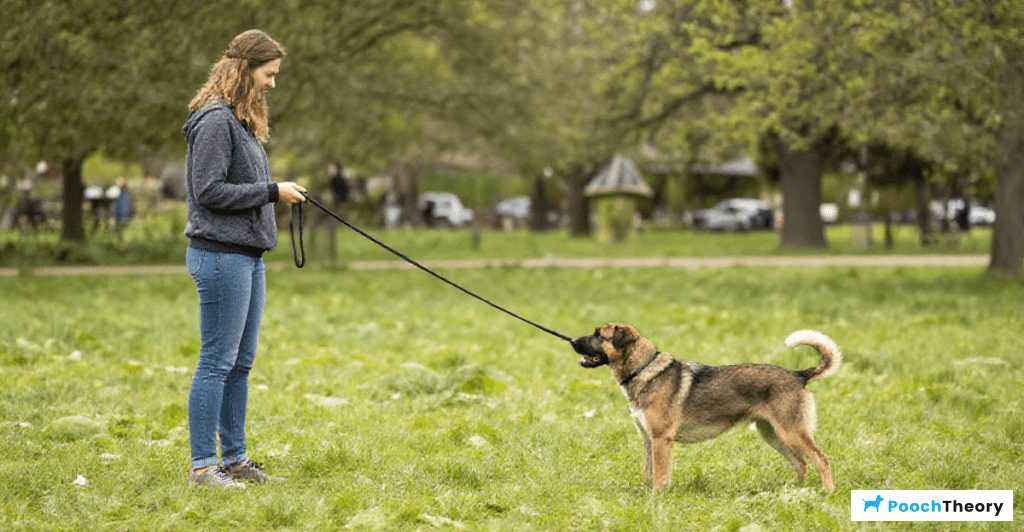
Long line training is a valuable technique used to teach dogs reliable recall while also promoting safe exploration during walks. This method utilizes a long leash, typically 15 to 30 feet, that allows dogs to roam and investigate their surroundings without the risk of running away. The significance of long line training for recall beginners lies in its ability to create a controlled environment where dogs can learn to respond to their owner’s commands, reinforcing their understanding of boundaries and safety.
The benefits of long line training include enhancing the dog’s confidence, providing a sense of freedom while maintaining owner control, and improving the reliability of commands. As dogs experience various distractions at a distance, they learn to focus back on their handler, leading to better obedience and recall in real-world situations. This training method is essential, especially for breeds that may have strong instincts to chase or explore, as it safely allows them to engage with their environment while developing good habits. For practical guidance on long line training techniques and its applications in recall training, you can refer to our comprehensive guide on recall training for easily distracted dogs.
Basics of Recall Training in Dogs
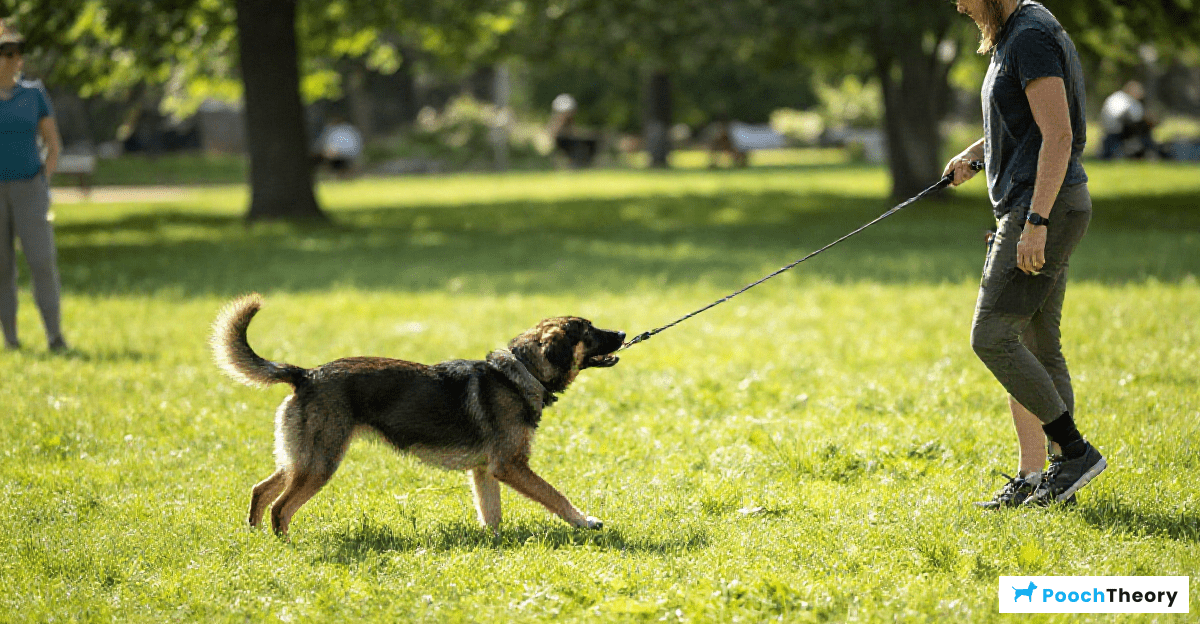

Understanding recall in dogs is essential for their safety and effective training. Recall refers to the ability of a dog to return to its handler or owner on command, which is crucial during walks, playtime, and off-leash activities. A reliable recall can prevent dangerous situations, such as a dog running into traffic or getting lost. Moreover, it fosters a strong bond of trust between the dog and owner, which is vital for a harmonious relationship.
To develop recall in dogs, start training in a controlled environment where distractions are minimal. Use positive reinforcement, such as treats or praise, when the dog responds correctly to the recall command. Gradually increase distractions as the dog becomes more reliable. Consistency is key; using the same command and reward system will help the dog understand expectations. Engaging activities, like games of fetch or hide and seek, can also enhance the training process by making it fun and rewarding. Incorporating recall training into daily routines can make it a natural part of your dog’s life. For comprehensive techniques and methods, explore our guide on recall training for easily distracted dogs.
Choosing the Right Equipment for Long Line Training
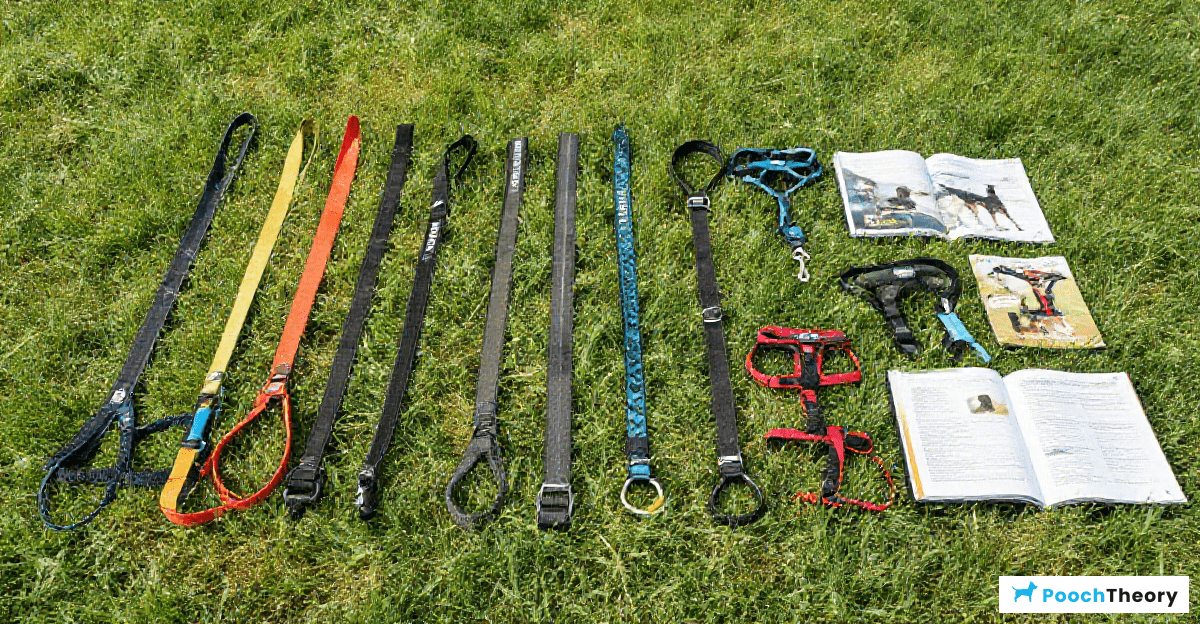
For effective long line training, choosing the right equipment is crucial. Here are some essentials to consider:
Long Lines
- Materials: Opt for a long line made of durable materials such as nylon or cotton. Nylon is weather-resistant and tends to withstand canine chewing better, while some dogs might prefer the feel of cotton in their mouths.
- Length: Long lines typically range from 15 to 50 feet. A 30-foot line is an excellent choice for most training scenarios, allowing ample space for your dog to explore while still maintaining control.
- Width: A width of around 1 inch is recommended for larger dogs; smaller dogs might fare better with a narrower line (around ½ inch). The width impacts both the line’s strength and how it feels to your dog.
- Heavy-Duty Options: For very strong or large breeds, consider heavy-duty long lines designed to handle more considerable force.
Collars and Harnesses
- Flat Collar: Use a durable flat collar for regular walks and training sessions.
- Martingale Collar: This collar is particularly useful for training reactive dogs or those that tend to pull.
- No-Pull Harness: For dogs who struggle with pulling, this harness can provide better control during long line training.
- Trackers and Reflective Gear: Invest in reflective gear to enhance visibility during low-light training sessions.
Make sure to choose equipment that matches your dog’s size and temperament for effective long line training. Explore our guide on effective dog training techniques for more insights.
Essential Commands for Effective Training
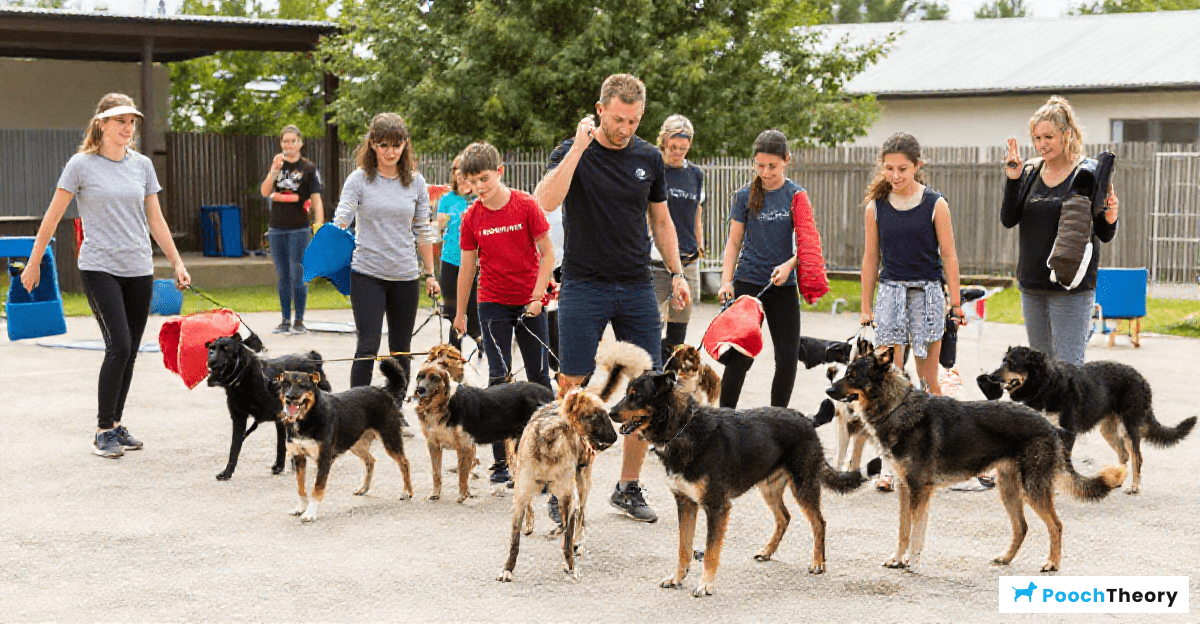
When training dogs, starting with essential commands forms the bedrock of effective communication and successful recall training. Commands like “sit,” “stay,” “come,” and “down” cultivate a reliable framework for behavioral expectations.
The command “sit” teaches impulse control and patience, while “stay” encourages dogs to hold their position. “Come” is perhaps the most critical command for recall training, allowing a dog to return despite distractions. Reinforcing these commands using positive reinforcement techniques enhances their reliability. For example, treats or praise can motivate your dog to respond correctly. As outlined in the guide on effective dog training tips, these foundational commands, when paired with consistent training, lead to well-behaved pets.
Step-by-Step Long Line Training Technique
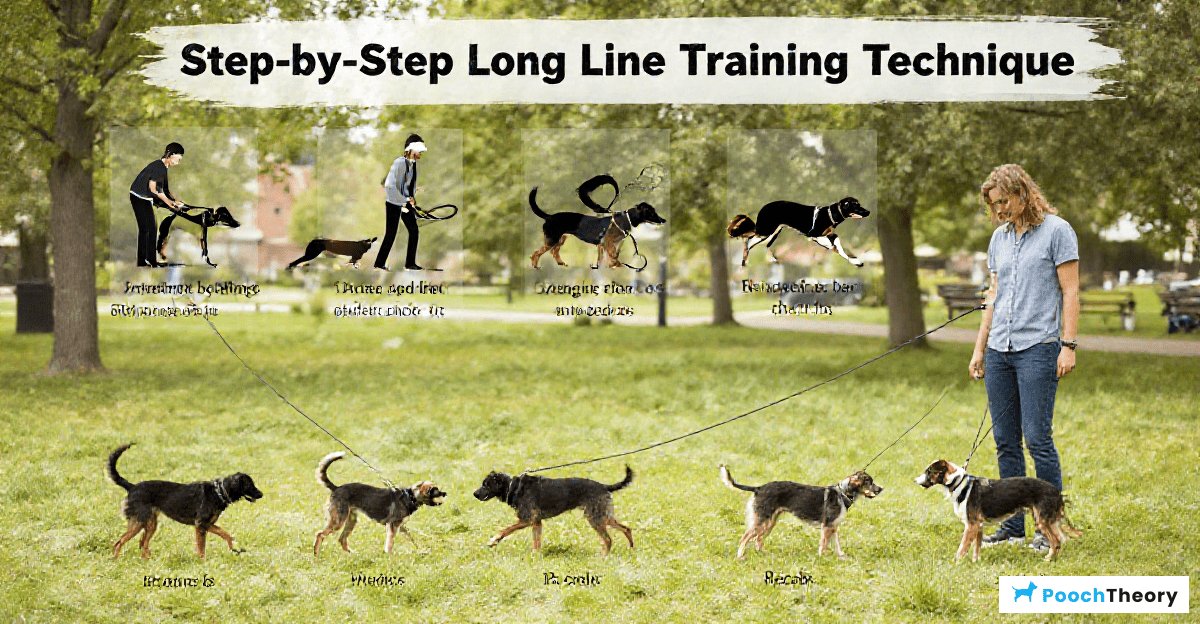
Long line training is an effective way to improve your dog’s recall while allowing them the space to explore. Here’s how to conduct a successful long line training session:
- Choosing the Right Equipment: Use a long line that is at least 15 to 30 feet long.
- Finding the Right Environment: Start in a safe, distraction-free area.
- Introducing the Long Line: Allow your dog to get accustomed to the line.
- Establishing Communication: Use positive reinforcement to strengthen commands.
- Practicing Recall: Call your dog back while gently tugging on the line.
- Increasing the Challenges: Practice in more distracting environments.
- Gradual Transition to Off-Leash: Move to off-leash training as they progress.
- Monitoring Progress: Observe your dog’s reactions during training.
Using a long line helps both you and your dog feel more secure and can significantly improve obedience and leash manners. For more detailed guidance on other training methods, check out our articles on positive reinforcement techniques and recall training for easily distracted dogs.
Overcoming Common Training Challenges
Effective dog training can present various challenges, but recognizing these obstacles allows trainers to implement targeted solutions. Here are common challenges and strategies:
- Lack of Focus: Train in quiet environments and gradually introduce distractions.
- Fear and Anxiety: Employ positive reinforcement to build a positive association with training.
- Inconsistent Commands: Ensure consistent usage of commands by all family members.
- Resistance to Training: Incorporate fun games to engage your dog’s interest.
- Overexcitement: Establish a routine that includes physical exercise before training.
By addressing these challenges with targeted strategies, dog trainers can create a conducive learning environment that promotes success. For more tips, see our article on successful dog training.
Maintaining Recall Skills After Training
To maintain recall skills in dogs after initial training, it’s important to engage in consistent practice and use various reinforcement techniques. Here are effective methods:
- Frequent Practice Sessions: Aim for short training sessions several times a week.
- Positive Reinforcement: Use treats, praise, or playtime as rewards.
- Incorporate Games: Engage dogs in structured recall games.
- Gradual Increase of Distractions: Slowly introduce distractions during practice.
- Varied Environments: Train in different locations to improve adaptability.
- Consistency in Commands and Signals: Use the same words and hand signals.
- Frequent Reinforcement of Basic Commands: Periodically revisit foundational commands.
By integrating these methods into regular training routines, you can significantly enhance and maintain your dog’s recall skills, ensuring they remain reliable companions. For more insight into training techniques, visit our comprehensive guide on dog training methods.
Conclusion

Long line training is essential for developing reliable recall and enhancing your dog’s confidence in diverse environments. This technique equips dogs with valuable skills, fostering independence while reinforcing a strong handler-dog bond. Careful practice in long line training cultivates a positive learning experience, leading to improved behavior during walks and off-leash play. Consistent practice helps dogs learn to navigate distractions and teaches impulse control, as reinforced by studies highlighting the benefits of structured training programs.
For guidance on maintaining a successful training regimen, refer to our ultimate guide to dog training. Remember, the key to effective dog training is patience and persistence, as these qualities encourage your pet’s growth and responsiveness over time.
Sources
- Biotechniques – Teaching an Old Dog New Tricks
- Pooch Theory – Effective Bedtime Routine for Dogs to Reduce Night Anxiety
- Pooch Theory – Fun Dog Tricks to Teach Beginners for Rainy Days Indoors
- Pooch Theory – How to Train a Reliable Recall Around Squirrels
- Pooch Theory – Impulse Control Games for Dogs Jumping on Guests
- Pooch Theory – Step-by-Step Recall Training for Easily Distracted Dogs
- Pooch Theory – Ultimate Guide to Dog Training: Home Tips & Techniques