


Importance of the ‘Stay’ Command
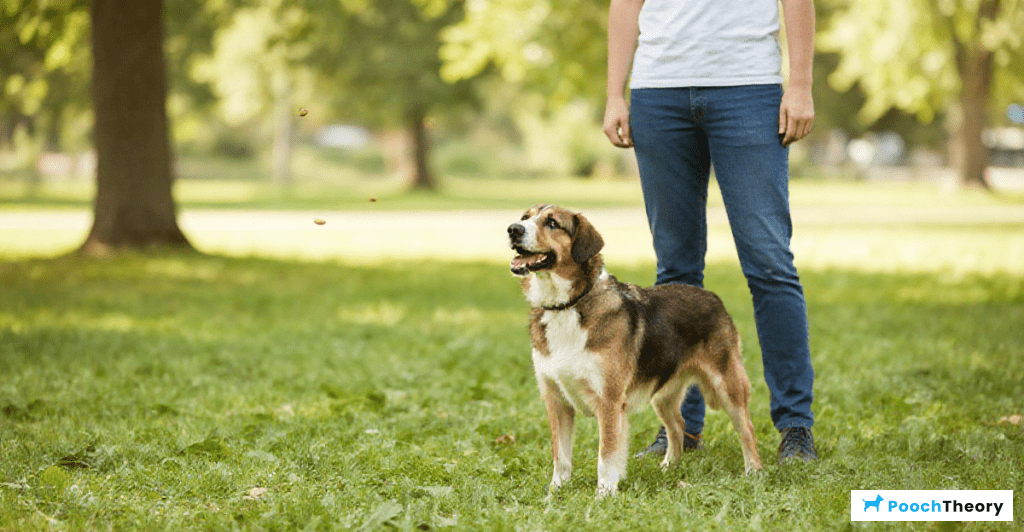
Teaching the ‘stay’ command is crucial for dogs that often break position, as it not only enhances obedience but also reinforces boundaries and impulse control. A reliable ‘stay’ command helps prevent unwanted behaviors, such as jumping on guests or running into dangerous situations. Proper training instills confidence in dogs, allowing them to understand their limits and responsibilities within the household and social settings.
Moreover, the ability to hold a position on command is essential for safety, particularly in high-distraction environments. This command fosters a more controlled environment, enabling pet owners to manage their dogs effectively. Training sessions focused on teaching ‘stay’ can also be bonding experiences between humans and dogs, enhancing trust and communication. For instance, when a dog successfully holds a position, it learns to associate that behavior with positive reinforcement, such as treats or praise, which strengthens the learning process.
For dogs that frequently break position, consistent training strategies, like using positive reinforcement and patience, can yield significant results. Engaging in regular practice with various distractions can help cement the command in different contexts. Detailed techniques and training methods can also be found in our article on home training tips.
Reasons Dogs Break Position
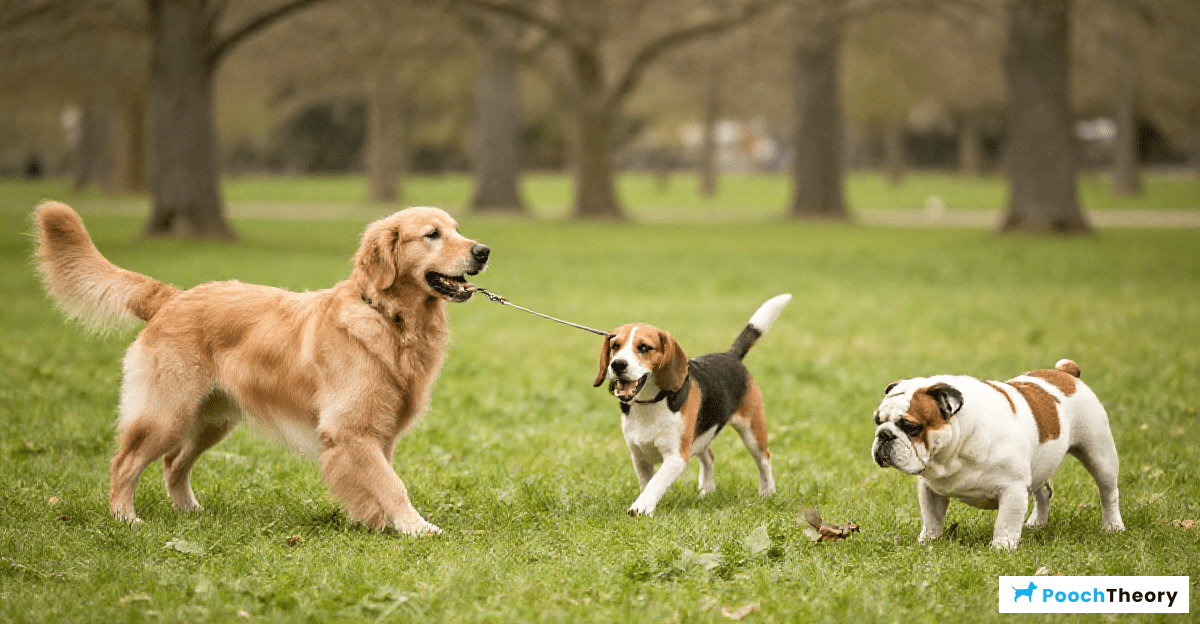

Dogs often break position during training due to a variety of factors, primarily distractions and the need for consistency in commands. Distractions can come from their environment—sounds, movements, or even other pets. When dogs experience distractions, their focus drifts away from the task at hand, making it challenging for them to maintain their positions. For instance, noises from outside, such as cars or other animals, could easily divert a dog’s attention, disrupting their training session. To combat this, trainers can implement techniques to minimize distractions, such as using controlled environments during training sessions or gradually introducing more stimuli as the dog becomes accustomed to commands (source).
Another significant reason dogs struggle to stay in position is the inconsistency faced in training. Dogs thrive on clear, consistent commands and cues. If a dog receives mixed signals—say, an owner consistently asking for a “sit,” but sometimes allowing random deviations like jumping—it creates confusion. This inconsistency hampers their ability to learn effectively and results in breaking position (source). Consistency ensures that dogs understand their expectations, making them more likely to comply.
Moreover, lack of motivation or reinforcement plays a crucial role. Dogs are more likely to adhere to commands when there’s a clear incentive, such as treats or praise. In scenarios where reinforcement isn’t consistent, dogs may lose interest and decide to break their position (source). Thus, to enhance training sessions, incorporating a structured system of rewards can significantly improve a dog’s ability to stay in position amidst distractions.
Creating an Ideal Training Environment
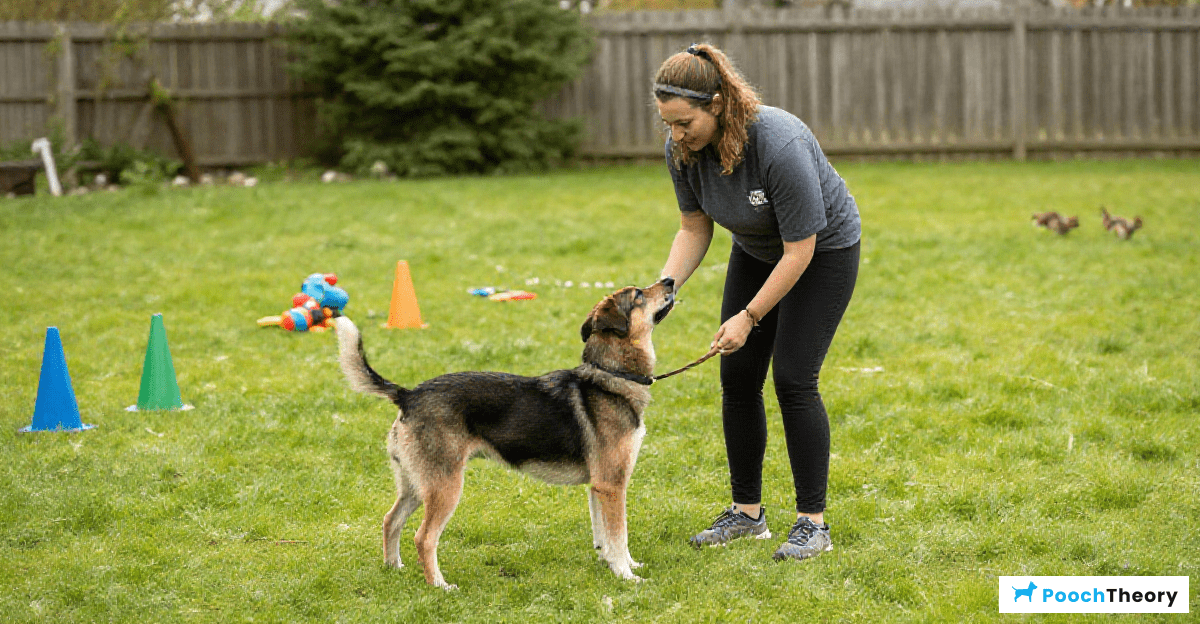
Creating an ideal environment for teaching your dog the ‘stay’ command is crucial for effective training. Start by selecting a quiet area free from distractions, ensuring your dog can focus solely on your commands. Use a mat or a designated spot to help your dog understand where to stay. This physical boundary can enhance their comprehension of the command.
Begin your training with short durations for the ‘stay’ command. Use clear, consistent cues, and reward your dog immediately for staying in position. Gradually increase the duration as they become more comfortable. It’s important to practice in various environments, starting from your home and progressing to places with more distractions, helping your dog generalize the command across different settings.
Positive reinforcement plays a key role in this process. When your dog obeys, reward them with treats or praise. This reinforces their behavior and strengthens the bond between you. For additional guidance on using positive methods effectively, refer to our article on home training techniques.
Incorporate patience in your training sessions. Puppies often learn best through the example set by older dogs. Observing how adult dogs, like the Golden Retriever in viral videos, teach puppies about boundaries can illustrate effective communication strategies. This natural method of learning manners and social skills helps reinforce the concept of ‘stay’ during your training efforts (source).
Techniques for Teaching Stay
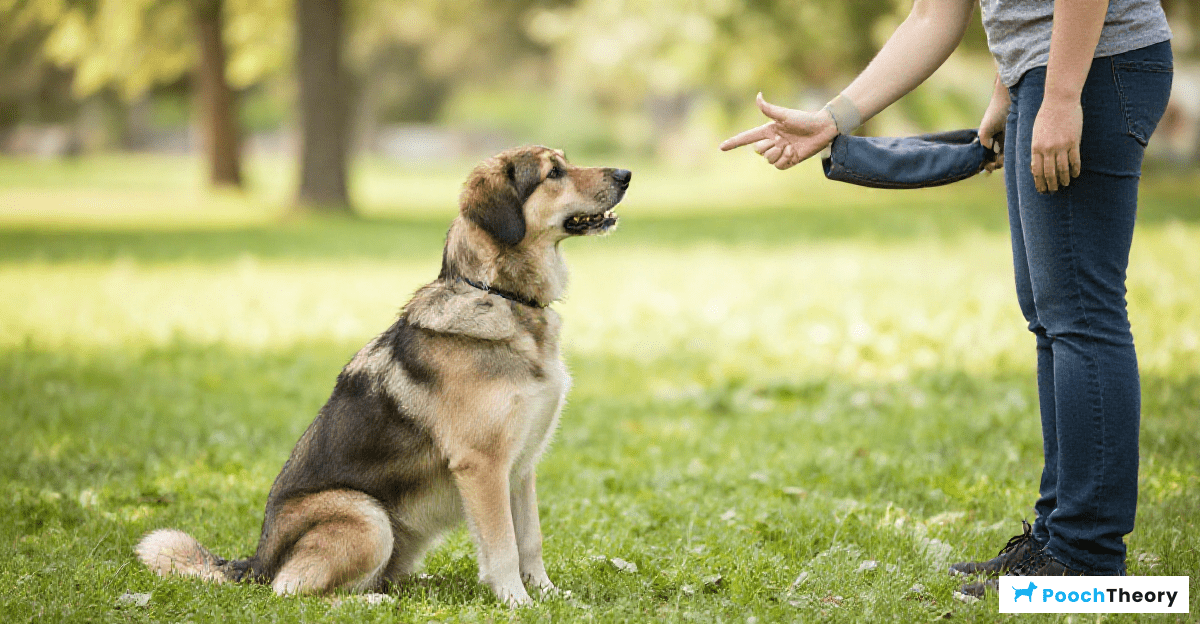
Training your dog to maintain a ‘stay’ command is fundamental for ensuring their safety and enhancing obedience. Here are several effective techniques to help you teach your dog to stay:
- Positive Reinforcement: This method involves rewarding your dog for staying in position. Start by commanding your dog to sit, and then use a treat to encourage them to stay. Gradually increase the duration before giving the reward. This approach builds a positive association with the ‘stay’ command. Studies have shown that dogs respond well to positive reinforcement as it increases their willingness to comply with commands (source).
- Gradual Distance Increase: Start with your dog in a sitting position beside you. Command them to stay while you take a step back. If they hold the position, reward them. As they improve, progressively increase the distance. This is crucial for teaching your dog to remain in place even when you’re not directly beside them (source).
- Timed Stays: Use a timer to measure how long your dog can stay in position. Begin with short intervals, perhaps 5 seconds, and build up to longer periods. This helps your dog understand the concept of time in relation to the ‘stay’ command (source).
- Distractions: Once your dog is reliable with stays in a quiet environment, practice in more distracting settings. Begin introducing mild distractions, such as toys or other people walking by. Reward them if they successfully maintain their position. This is essential for solidifying their training in real-world situations (source).
- Using Visuals: Some trainers use visual cues alongside verbal commands. For instance, showing your dog a hand signal for ‘stay’ can be effective. This can help dogs who are more visually oriented and may need both types of signals to comprehend the command fully (source).
Implementing these techniques consistently will help your dog learn the ‘stay’ command effectively, leading to a well-behaved and more controllable pet.
Common Mistakes to Avoid When Training ‘Stay’
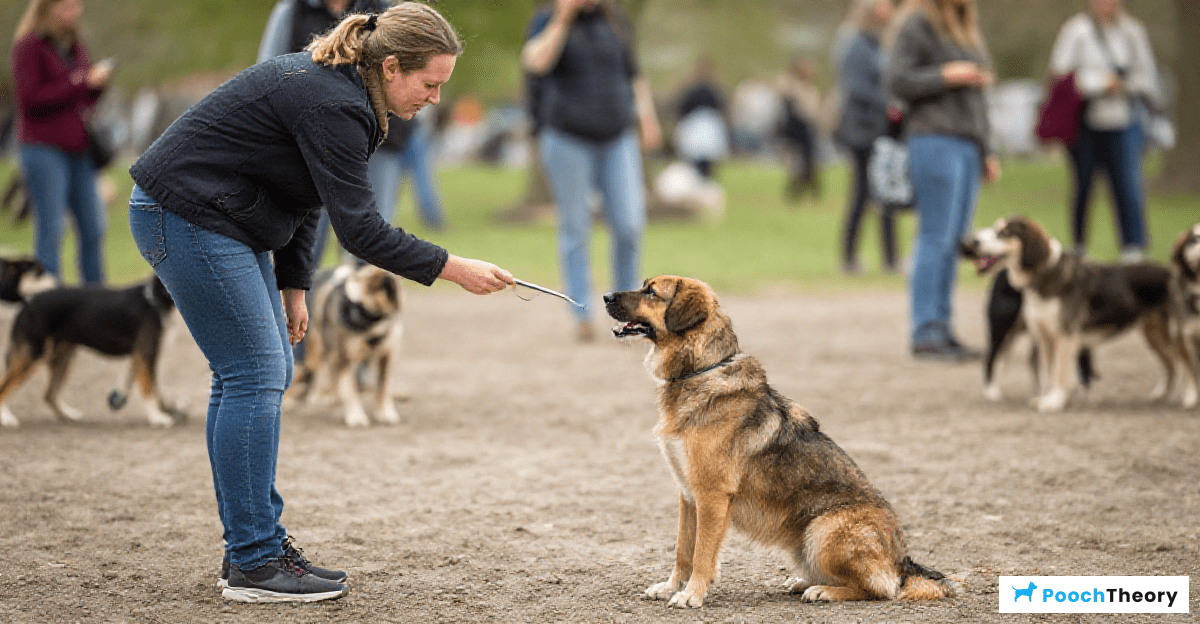
When teaching your dog the ‘stay’ command, several common mistakes can hinder progress. Here are some crucial errors to avoid:
- Inconsistent Commands: Using different words or tones for the ‘stay’ command can confuse your dog. Stick to one clear command consistently. As noted in the Ultimate Guide to Dog Training, consistency is key in dog training.
- Lack of Duration and Distance Training: Many owners expect their dogs to hold the ‘stay’ position without gradually increasing the distance or duration. Start small, allowing your dog to stay for just a few seconds before increasing the challenge. Effective training often includes gradual increments, which is vital for building reliability in the behavior (source).
- Using Treats Too Early: Relying too much on treats immediately can create a dependence on treats rather than understanding the command itself. Introduce treats after your dog has successfully held ‘stay’ a few times, allowing them to learn that good behavior is rewarded without overly depending on food.
- Not Practicing in Different Environments: Training in the same familiar environment can make your dog less adaptable to distractions. Practice in various settings to help them learn to generalize the command. This adaptability is essential for their overall training success (source).
- Expecting Immediate Results: Dog training requires patience and repetition. Many owners give up if their dogs don’t grasp the command immediately. Understanding that each dog learns at their own pace is critical for success. Regular short sessions are more effective than infrequent long ones (source).
By avoiding these common pitfalls, you can foster a successful training experience for your dog, reinforcing positive behaviors while ensuring they understand the ‘stay’ command reliably.
Benefits of Positive Reinforcement
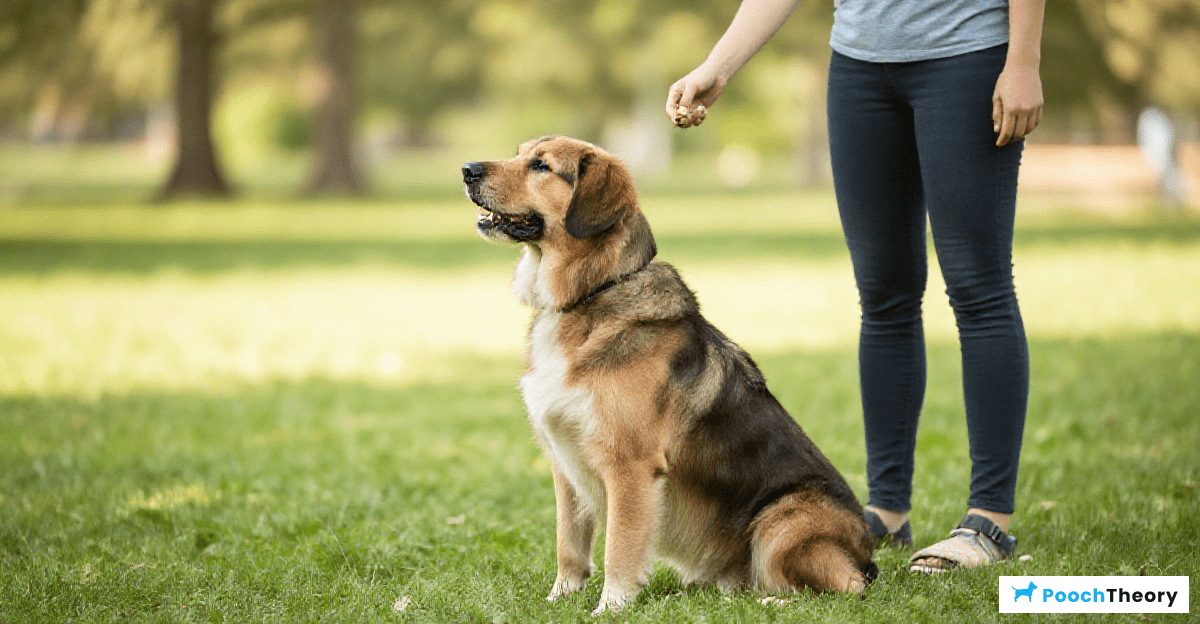
Using positive reinforcement techniques to train your dog to stay can significantly enhance their learning and behavior. Positive reinforcement means rewarding your dog for desired behaviors instead of punishing them for unwanted ones. This method builds a strong bond based on trust and encourages your dog to repeat good behavior.
To effectively use positive reinforcement for teaching the “stay” command, begin in a distraction-free environment. Start by having your dog sit; once they are in position, ask them to “stay” while stepping back a few paces. If they remain in place, immediately reward them with treats or praise. This rewards their good behavior and reinforces their understanding of the command. Gradually increase the distance and duration of time they must stay before receiving their reward.
It’s essential to use rewards that are meaningful to your dog, whether treats, toys, or praise. A study highlighted that positive methods can foster respect and communication between dogs and their owners, resulting in a confident dog that understands its boundaries (source). Additionally, consistency is key; practice the command regularly to ensure your dog retains the skill.
Furthermore, a calm demeanor during training sessions is crucial. If your dog struggles to stay, avoid showing frustration—dogs are sensitive to human emotions. Maintaining a positive atmosphere helps them learn more effectively. For more insights on using positive reinforcement in dog training, consider reading our comprehensive guide on dog training techniques.
In summary, positive reinforcement not only encourages desired behaviors but also fosters a stronger relationship between you and your dog. By patiently reinforcing the “stay” command through rewards, your dog will be more likely to remain calm and obedient, enhancing their overall obedience skills.
Conclusion: The Value of a Well-Trained ‘Stay’
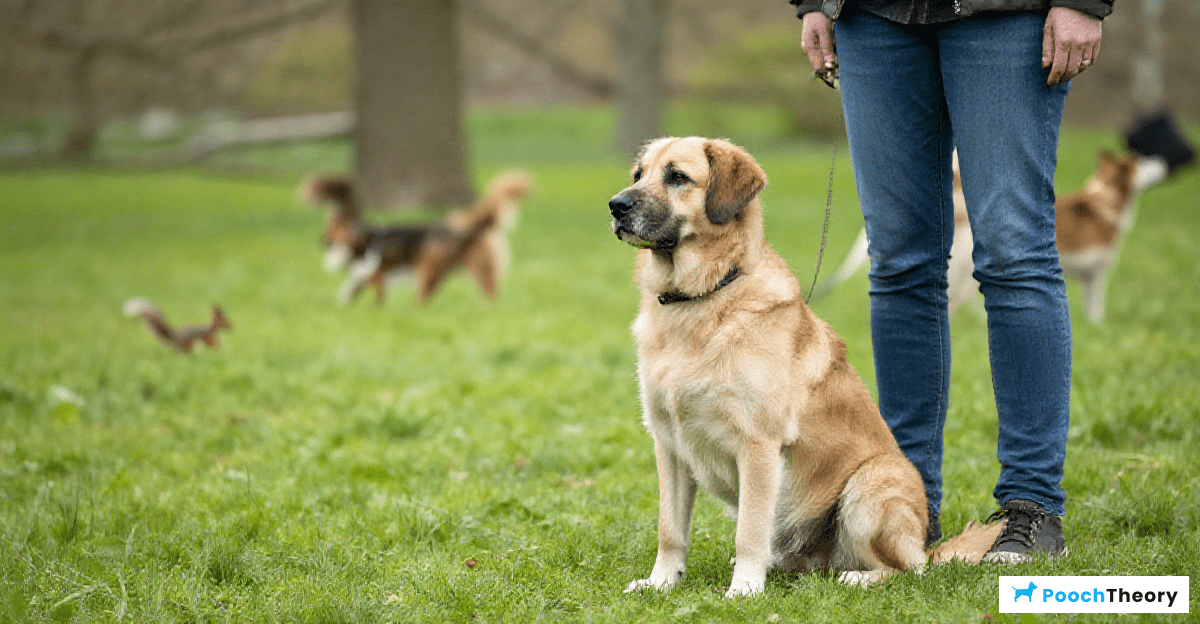
A well-trained “stay” command is not only beneficial for maintaining order but also enhances the bond between dogs and their owners. Mastering this command fosters a sense of security and reliability, allowing dogs to learn impulse control in various situations, from bustling parks to home environments. This skill assists dogs in remaining focused, lessening anxiety, and improving their overall behavior—an essential component for both obedience and safety.
Furthermore, training dogs with clear commands creates a framework for effective communication, ultimately benefiting both the pet and its owner. The “stay” command is especially useful in preventing unwanted behaviors, such as bolting toward distractions or engaging in hazardous situations. This level of training strengthens the owner-dog relationship, enhancing trust and reliance, which relates closely to a dog’s emotional well-being. Additionally, dogs trained in obedience are often more confident and socially well-adjusted, promoting positive interactions with people and other animals alike, as researched by BBC.
Investing time in commands like “stay” yields long-term advantages for both dogs and their guardians, ensuring harmonious living arrangements that contribute to a more fulfilling companionship. For more effective training techniques, consider exploring our ultimate guide to dog training or tips on teaching crucial commands like recall in our detailed recall training guide.
Sources
- American Kennel Club – Positive Reinforcement in Dog Training
- BBC – The Importance of Training in Dog Behavior
- Pooch Theory – How to Stop Your Dog from Jumping on Furniture
- Pooch Theory – Positive Reinforcement Alternatives to Shock Collars for Barking
- Pooch Theory – Ultimate Guide to Dog Training Home Tips & Techniques
- Pooch Theory – Step-by-Step Recall Training for Easily Distracted Dogs
- Pooch Theory – Impulse Control Games for Dogs Jumping on Guests
- Pooch Theory – How to Train a Reliable Recall Around Squirrels
- Pooch Theory – How to Train a Dog to Walk on a Loose Leash without Prong Collar
- Pooch Theory – Marker Training vs Clicker Training for Dogs Explained Simply
- Pooch Theory – How to Socialize a Dog
- Pooch Theory – Ultimate Guide to Dog Training Home Tips & Techniques
- Pooch Theory – How to Train a Reliable Recall Around Squirrels
- Yahoo – Golden Retriever Praised for Teaching Puppies