


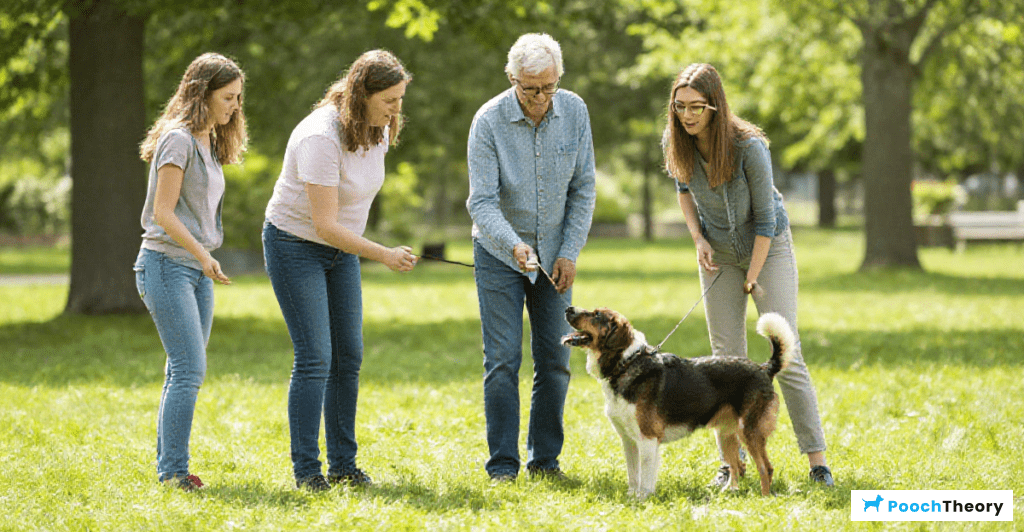
Importance of Recall Training
Recall training is essential for fostering a strong relationship between the dog and its owner, especially for easily distracted dogs. This type of training focuses on teaching the dog to return to its owner upon command, significantly enhancing safety during walks or outdoor activities. Dogs are naturally curious and can easily become sidetracked by scents, sounds, or other animals. Therefore, having a reliable recall command can prevent them from wandering off into dangerous situations.
The importance of recall training cannot be overstated; it not only keeps the dog safe but also enriches the bond between pet and owner. Positive reinforcement methods, using treats or praise, are effective in encouraging dogs to respond to recall commands. By creating a compelling reason for the dog to return—such as being rewarded with affection or playtime—owners can establish a reliable recall behavior. Moreover, consistently practicing with engaging activities can make the training process enjoyable for both the owner and the dog. For tips on successful recall training, check out our guide on how to train a reliable recall around distractions.
Impact of Distractions on Training
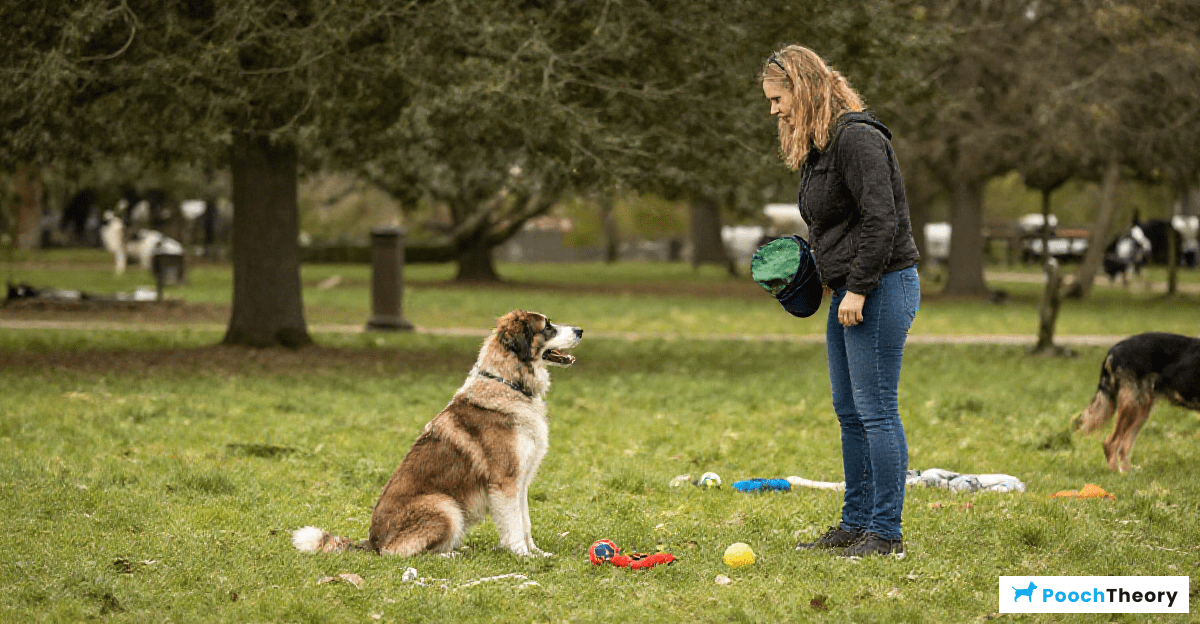

Distractions play a significant role in how dogs respond during training sessions, often impacting their ability to learn and follow commands. Common distractions for dogs include environmental stimuli such as other animals, noises, people, and scents, which can divert their focus from training tasks. For example, a dog might become fixated on a passing squirrel or a car honking, making it challenging to maintain attention on their owner or trainer.
Studies indicate that dogs have strong social cognitive skills, allowing them to pick up on cues from their surroundings, including conversations and behaviors of people nearby. This ability can influence their learning process; a gifted dog might learn commands by merely overhearing relevant language being used in context. As per research conducted by Eötvös Loránd University, some dogs can understand commands and words, similar to the cognitive level of 18-month-old children, demonstrating that not all distractions hinder training; in some cases, they can enhance a dog’s learning experience (Source).
To mitigate distractions, trainers can employ various strategies. Setting up training sessions in quieter locations or using controlled environments can help minimize external stimuli. Additionally, teaching impulse control through games and commands such as “leave it” can improve a dog’s ability to focus despite distractions. For instance, practices like gradually increasing exposure to distractions during training can build a dog’s resilience and concentration over time, as explained in our comprehensive guide on effective training techniques (Source).
Establishing a Solid Recall Command
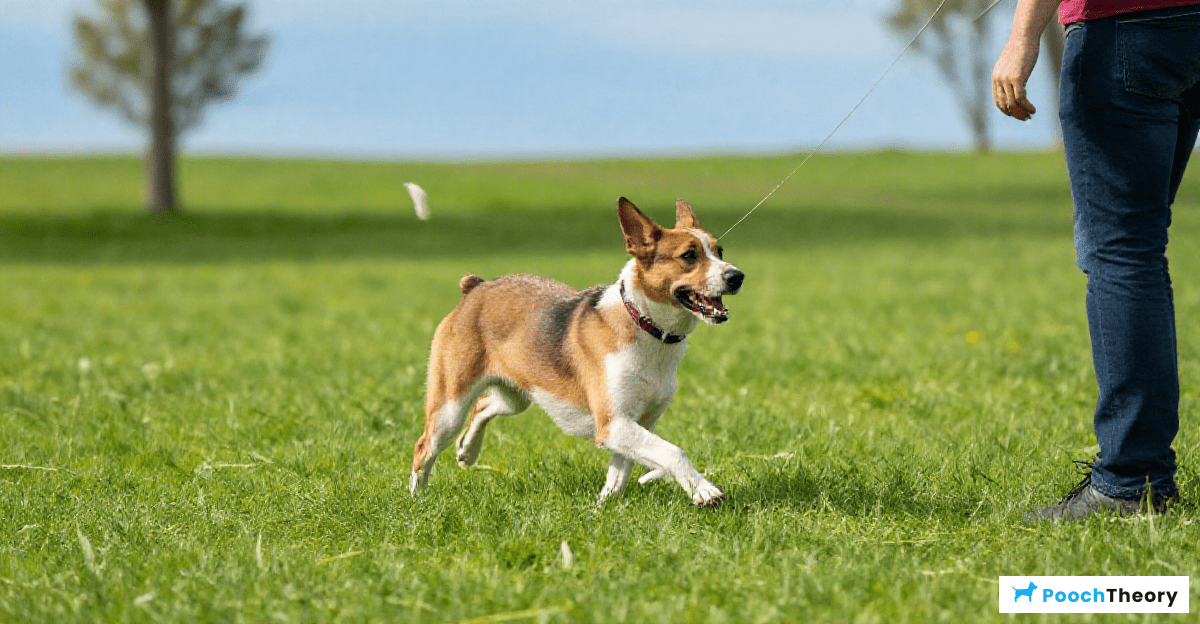
To establish a solid recall command for your dog, begin by choosing a word or phrase that will be consistently used; common choices include “come” or “here.” Make sure all family members use the same command to avoid confusion.
- Create a Positive Association: Start indoors where there are fewer distractions. Use a high-value treat, such as small pieces of cheese or hot dog, to entice your dog. When they are a short distance away, call them using your chosen command in a cheerful tone. As they approach, reward them immediately with the treat and praise.
- Use Luring Techniques: If your dog appears distracted, you can gently lure them closer using a treat. Pause to ensure they are paying attention before giving the command again. You can also kneel down to appear less intimidating and encourage them to come to you.
- Increase Distance Gradually: Once your dog successfully comes to you from short distances indoors, practice in a safe, enclosed outdoor area. Gradually increase the distance and add distractions. Remember to always reward and praise when they comply.
- Practice Regularly: Consistency is key. Practice the recall command multiple times a day in various environments and situations. This includes during playtimes or walks, so your dog learns to respond promptly, even when they are excited or engaged in other activities.
- Incorporate Games: Make training fun by incorporating games like hide-and-seek. After hiding, call your dog and reward them when they find you. This reinforces the ‘come’ command as a positive experience and adds excitement.
Remember, building a reliable recall takes time and patience. Dogs learn best through repetition and positive reinforcement, so always ensure training sessions are brief and enjoyable. For more detailed training techniques, check our article on dog training tips or explore techniques for recalling around distractions.
Effective Training Environment
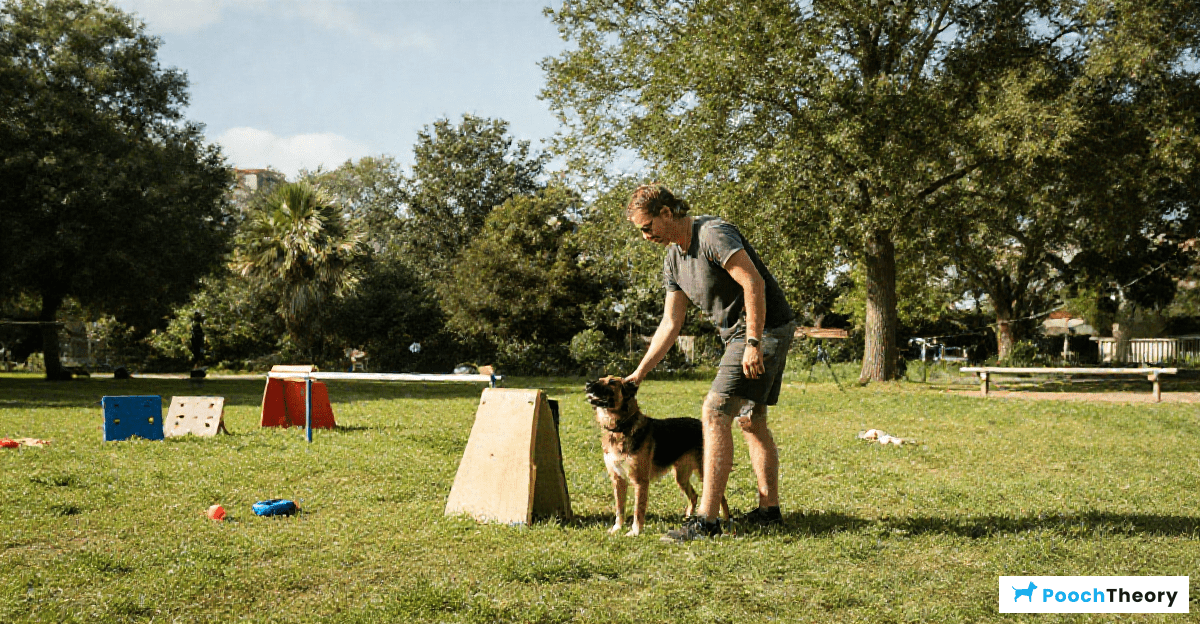
To effectively teach your dog recall, starting in a distraction-free environment is crucial. This controlled setting allows your dog to focus fully on you without external disturbances. Begin by selecting a quiet area, such as your home or a fenced yard, free from other pets and distractions.
- Use Positive Reinforcement: When your dog responds to your call, reward them immediately with treats or praise. This establishes a positive association with returning to you. Gradually increase the distance and complexity of your commands as your dog improves their recall skills.
- Short Sessions: Keep training sessions short, ideally around 5 to 10 minutes, to maintain your dog’s attention. Frequent, brief practice helps reinforce learning without overwhelming them.
- Consistent Commands: Use a consistent command phrase when calling your dog, such as “come” or “here.” The clarity of your command helps your dog understand expectations and respond more reliably.
- Avoid Distractions: Initially, avoid areas where there might be distractions, such as other dogs or loud noises. Gradually introduce distractions as your dog becomes more adept at recall, allowing them to learn to focus on you amidst potential disturbances.
- Practice Everyday: Incorporate recall practice into daily routines, such as calling your dog when it’s time for meals or playtime. Frequent, real-life use of recall can strengthen your dog’s response over time.
For more in-depth techniques and solutions to common training challenges, check out our articles on effective dog training strategies and positive reinforcement methods. Consistency and patience in practice are key to improving your dog’s recall skills and ensuring their safety during outdoor adventures.
Introducing Distractions Gradually
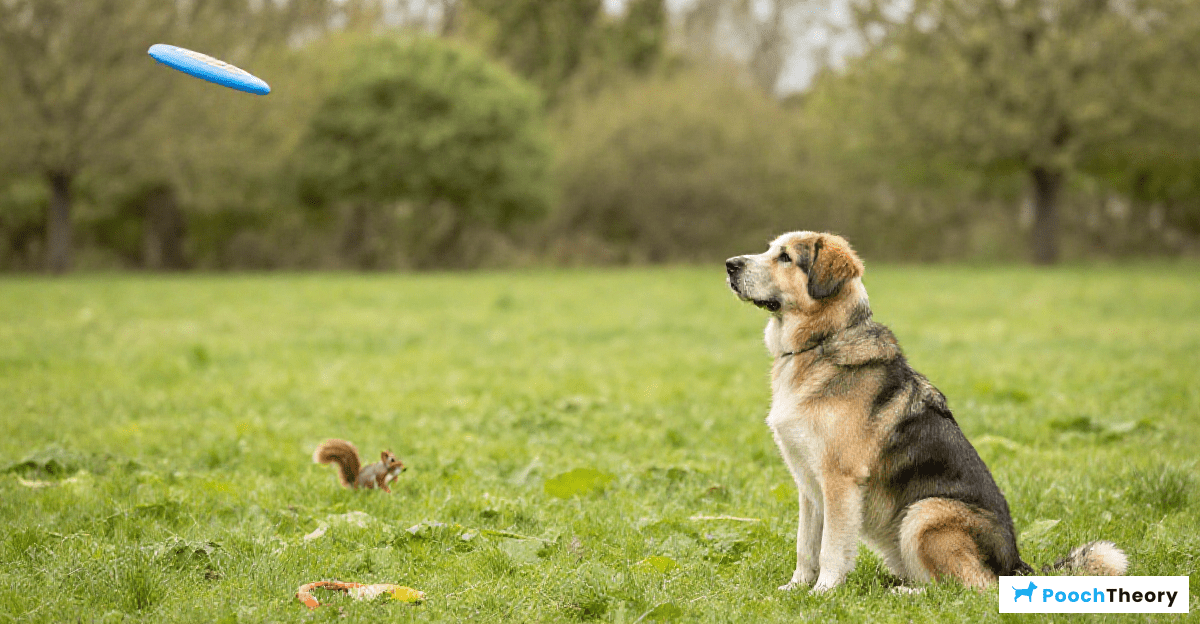
Introducing distractions gradually during recall training is crucial for developing a reliable response in dogs. To implement this effectively, start by practicing in a controlled environment with minimal distractions, gradually increasing the level of challenge. For instance, begin in a quiet room and progress to more stimulating environments, like a park with other dogs or people present.
When introducing distractions, allow your dog to experience them without rushing. Use treats and praise to reinforce their focus on you while distractions occur nearby. This can be as simple as calling your dog’s name when other people are walking by or when a ball is thrown. It’s effective to call your dog back to you intermittently throughout the session to build the association that returning to you is rewarding, even when diversions are present. Gradually increase the intensity of distractions, from soft noises to more vibrant sights like running children or other animals.
Incorporating games can further enhance this process. For example, practicing “leave it” commands while introducing various distractions can bolster your dog’s impulse control. By repeatedly rewarding them for ignoring distractions, you build their confidence in focusing on your cue. This method will help them understand that the desired behavior persists regardless of their surroundings. You can also refer to this guide for techniques specific to distractions such as wildlife or social encounters. Regular practice with ongoing distractions will solidify their recall response, making it second nature to them. Remember, patience and consistency are key; dogs will learn at their own pace. Engage in fun training exercises, and over time, your dog will master returning to you even amid chaos.
Utilizing Positive Reinforcement
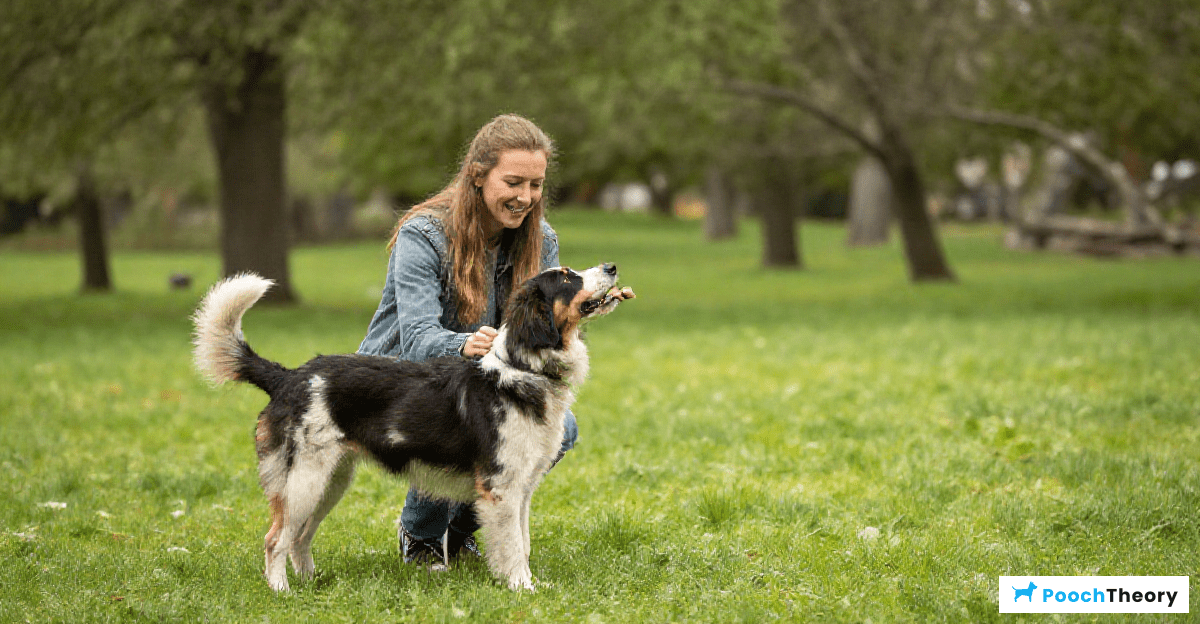
Positive reinforcement is a powerful tool in dog training, particularly when improving recall. By using rewards, you can motivate your dog to respond positively to commands. Here are several effective techniques for implementing positive reinforcement in your dog’s recall training:
- Treats and Praise: Always have a selection of high-value treats ready during recall exercises. When your dog returns, immediately reward them with a treat and enthusiastic verbal praise, such as “Good dog!” This association reinforces the behavior and encourages them to come back in the future. Read more about using treats effectively in our guide on essential dog training tips.
- Play as a Reward: Some dogs are more motivated by play than food. If your dog loves to chase a ball or tug on a toy, incorporate these into your recall training. When your dog returns to you, initiate a game with their favorite toy to create a positive experience. Engaging in play after a recall enhances their desire to return to you.
- Consistency in Rewards: Consistently rewarding your dog for coming back will help establish a reliable response. If your dog is frequently rewarded with treats or play when they come back to you, they will be more likely to repeat the behavior. Look into our article on impulse control games for dogs to learn more about maintaining consistent rewards within training.
- Gradual Fading of Rewards: As your dog becomes more reliable in their recall, you can start to gradually reduce the frequency of treats, while still offering praise and occasional rewards. This transition helps to ensure that your dog doesn’t become reliant solely on treats for motivation but still understands the value of coming when called.
- Creating Positive Associations: Ensure that coming back to you is always a good experience. Avoid calling your dog back if you plan to end their fun time (like going inside from playtime) right away. Instead, call them over for a brief interaction, then let them return to their play. This method helps to create a positive association with the recall command.
Using these positive reinforcement techniques not only enhances your dog’s recall ability but also strengthens the bond between you and your furry friend. With patience and consistency, recall training can be an enriching experience for both you and your dog.
Applying Recall Training in Daily Life
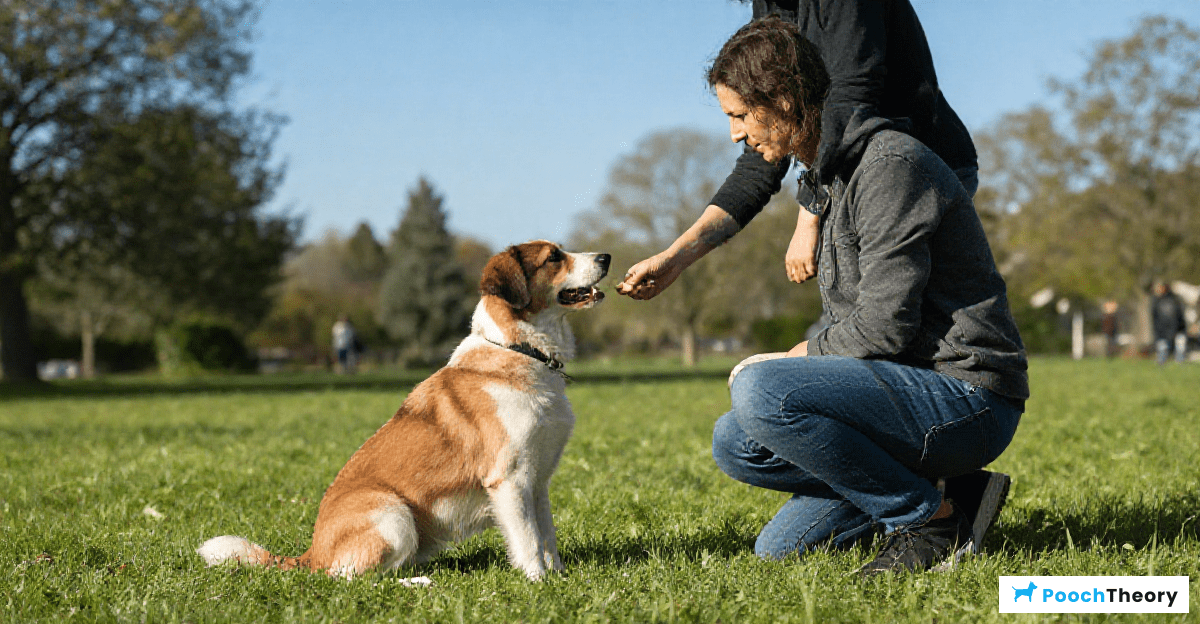
Applying recall training in various everyday situations is essential for ensuring your dog responds reliably in any environment. Here are effective strategies:
- At Home: Start by establishing a routine recall command when your dog is in a familiar space. Use positive reinforcement such as treats or praise when they come to you. To additionally prepare for distractions, practice by having family members or friends call the dog at intervals; this will help associate the command with positive outcomes from multiple sources.
- In Your Yard: Utilize a long leash if your space allows. This enables your dog to explore while still being under control. Call them back and reward generously when they return. Practicing in a fenced yard reduces safety concerns and increases confidence when moving to more open spaces later.
- During Walks in Local Parks: Select less busy times to practice recalls and gradually introduce distractions such as the presence of other dogs or people. Use high-value treats that are particularly enticing to your dog to motivate recall. If your dog doesn’t respond immediately, avoid reacting negatively; instead, encourage them enthusiastically from a distance, making your call appealing.
- Addressing Distractions: Incorporate games and exercises that simulate distractions. For instance, using the “leave it” command is vital for rewarding focus when other animals or tempting objects are around. This strategy not only works on recall but also on impulse control and engagement with you despite surrounding chaos.
- Utilizing Eavesdropping: Dogs can pick up on commands and cues from observing interactions between people, leading to a heightened awareness of recall commands. Training them around others can naturally reinforce this learning method—just ensure these interactions are positive and consistent with commands you are reinforcing. For instance, when a friend plays with your dog and calls them back, use the same word or cue you do, leading to a cohesive learning experience.
Regular practice in varied environments can greatly enhance your dog’s recall abilities. For more detailed guidance on training techniques, refer to our article on the Ultimate Guide to Dog Training.
Overcoming Training Challenges
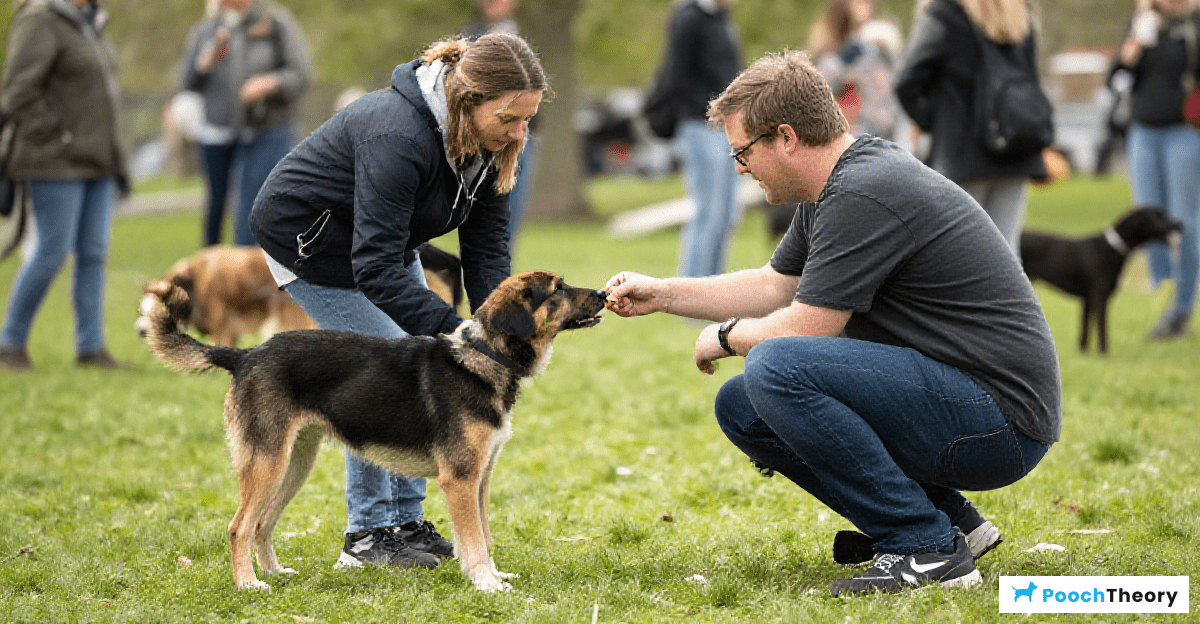
During recall training, dog owners often encounter several challenges that can impede progress. Here are some common issues and effective solutions:
- Distractions in the Environment: Many dogs struggle to focus on their owners when there are high distractions, such as other dogs or people. To alleviate this, begin training in a quiet area free from distractions and gradually introduce more stimulating environments. Use high-value treats or toys to reinforce their attention to you, making recalls rewarding even amidst distractions. This technique emphasizes the importance of positive reinforcement during training, which can be seen in various training methods outlined in our guide on dog training techniques.
- Inconsistent Training Practices: Variability in commands or reinforcement can confuse dogs. Consistency is crucial for successful recall training. Ensure all family members use the same commands and reinforcement methods. Keeping training sessions regular and consistent helps to solidify the expectations for the dog. Integrating game-like elements can also enhance consistency, as discussed in our article on training games for kids.
- Fear of Negative Consequences: Some dogs may associate recall training with negative experiences, like being put back on a leash or ending playtime. To counteract this, make sure recalls are always positive and lead to enjoyable experiences. Implement a practice of rewarding your dog with a play session or a treat upon returning to you, which helps to create a positive association with recall. More on building trust in training can be found in our article about emotional support dog training.
- Lack of Motivation: Some dogs may simply not be motivated to come when called. Assess the reward you are providing—if it’s not appealing enough, dogs may choose to ignore your call. Using favorite toys or treats can boost motivation. Tailor rewards to each individual dog’s preferences, providing stronger motivation for returning to you during recall practice.
By addressing these common challenges with specific strategies, dog owners can foster a more effective recall training experience. Engaging your dog in consistent, positive, and motivating training will ultimately lead to more successful outcomes.
Maintaining Recall Skills
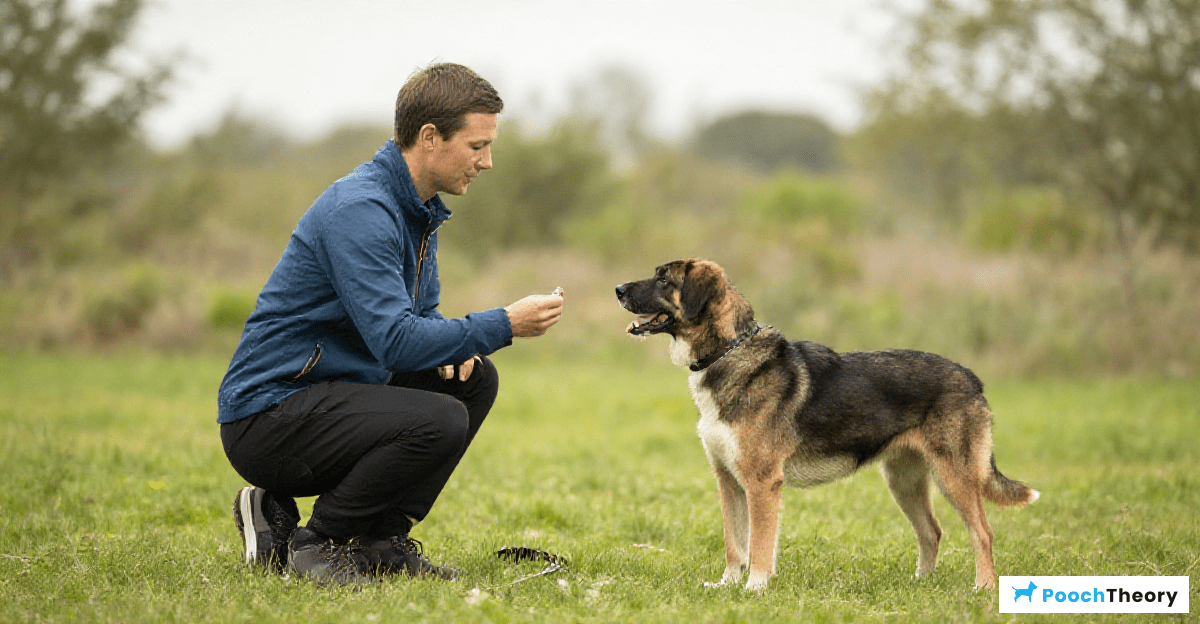
To effectively maintain recall skills after completing a dog training program, it’s essential to incorporate consistent practice and positive reinforcement in daily routines. One way is to regularly engage your dog in recall exercises within a safe, distraction-free environment, gradually increasing the level of distractions over time. Beyond this, integrating recall into play—such as using toys or games—can enhance enthusiasm and responsiveness. Research shows that dogs can learn through social interactions, so involving family members in these training sessions can yield positive results (Source).
Incorporating varied environments during training is beneficial as well, allowing your dog to generalize recall skills across different settings. Regular outings, such as visiting parks or varied terrains, will give your dog the opportunity to practice recall in real-world situations (Source). Additionally, celebrating small victories with treats or praise reinforces your dog’s desire to perform recall reliably.
It’s also vital to maintain ongoing training routines, even after formal sessions conclude. Monthly refreshers or participating in dog sports that emphasize agility and obedience, such as the AKC Agility League, can keep skills sharp (Source). Utilizing resources like our guide on dog training techniques can provide further insights into maintaining and enhancing your dog’s recall abilities over time.