


Understanding the Causes of Excessive Barking
Excessive barking is a common issue faced by dog owners, often driven by factors such as anxiety, boredom, or a need for attention. This behavior can not only disrupt the household but also strain relationships with neighbors. Understanding the root causes of barking is essential. For instance, a dog may bark out of loneliness when left alone or as a response to environmental stimuli, such as other animals or people nearby. By identifying the triggers behind their barking, owners can address the behavior more effectively. For insights on training issues related to barking, check out our how to stop dog barking when left alone in crate.
Positive Reinforcement: The Preferred Method


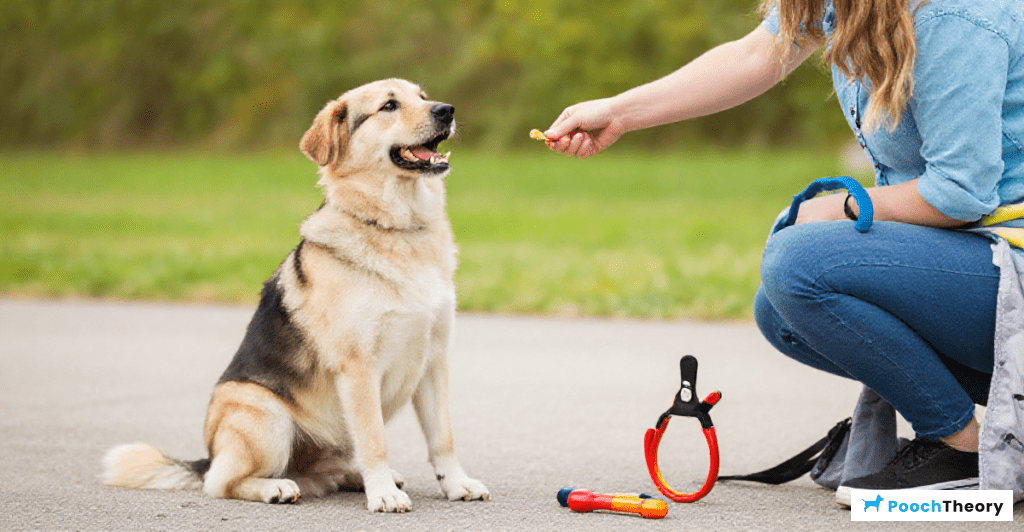
While traditional training methods sometimes rely on shock collars to control barking, many experts advocate for positive reinforcement techniques as healthier alternatives. Positive reinforcement involves rewarding dogs for demonstrating desired behaviors, thereby encouraging them to repeat those actions. This training method fosters a strong bond between the dog and owner and leads to long-lasting behavior changes.
Techniques like clicker training, where a clicker device is used to signal to a dog that they have done something right, can be particularly effective for minimizing excessive barking. Studies have shown that these methods are not only humane but often lead to better results than aversive training tools like shock collars, which may induce fear and anxiety in dogs. For a deep dive into effective training strategies, visit our article on home dog training techniques.
How Positive Reinforcement Works
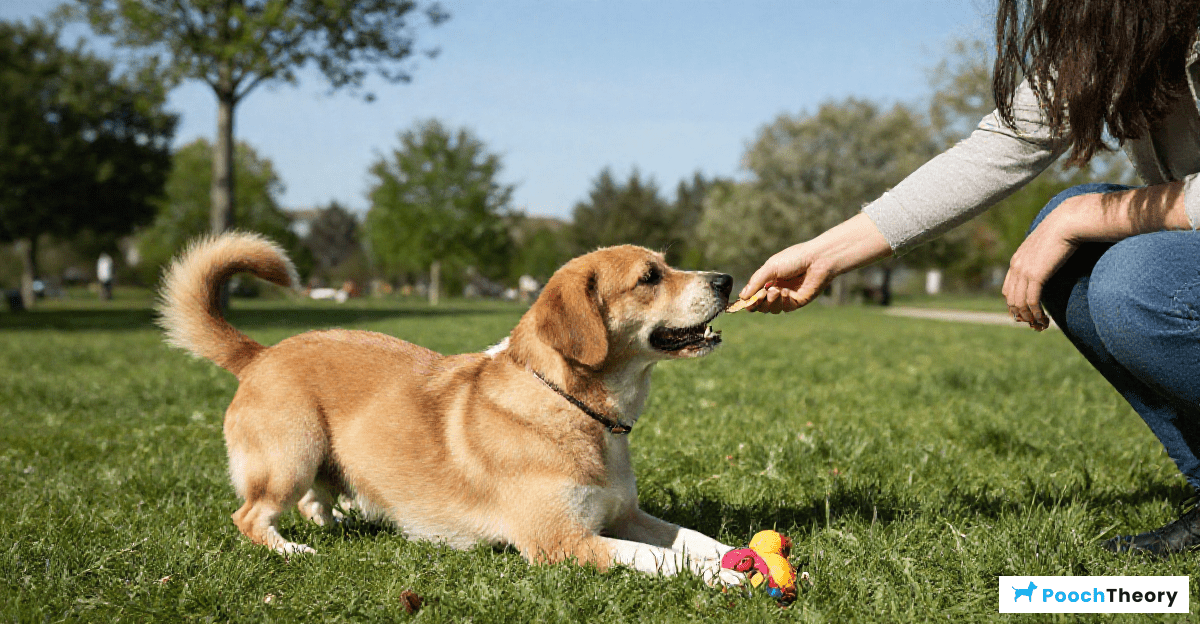
Positive reinforcement involves providing a reward following a behavior, which increases the likelihood of that behavior being repeated. Rewards can be treats, praise, or playtime, depending on what motivates the dog. For example, when a dog sits on command and receives a treat, the action of sitting becomes associated with receiving something positive, reinforcing the behavior. It’s essential to deliver the reward immediately after the desired behavior to strengthen the association.
Benefits of Positive Reinforcement
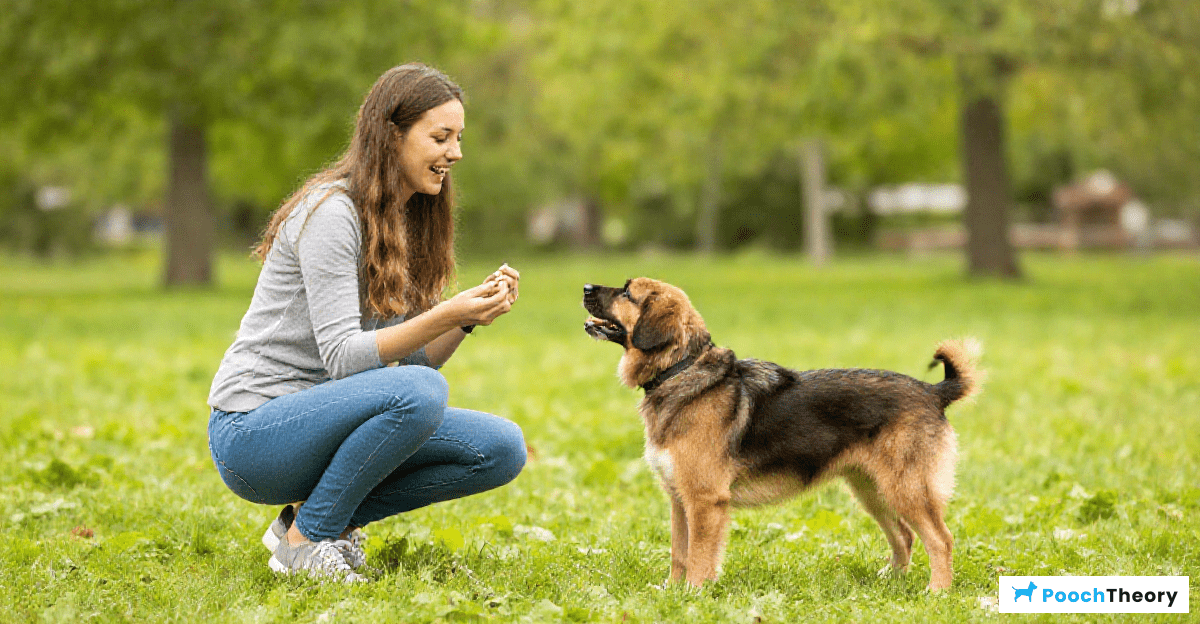
- Builds Trust and Bonding: Positive reinforcement helps strengthen the bond between the dog and its owner. This method creates a positive atmosphere during training sessions, making the dog more inclined to participate actively and enthusiastically. According to a study by the University of Pennsylvania, communication and emotional connection between pet and owner improve significantly when using positive methods compared to more aversive training techniques (Source).
- Enhances Learning: Dogs trained with positive reinforcement often learn faster. This is because rewarding a behavior increases the likelihood of its recurrence, making the learning process more efficient.
- Reduces Fear and Anxiety: Unlike techniques that involve punishment, positive reinforcement can help decrease fear and anxiety in dogs. By using rewards, owners can encourage dogs to engage in behaviors without the pressure of negative consequences.
- Promotes Positive Behavior: Consistent reinforcement of good habits can also make training less stressful for both dog and owner, leading to better obedience.
Practical Applications of Positive Reinforcement
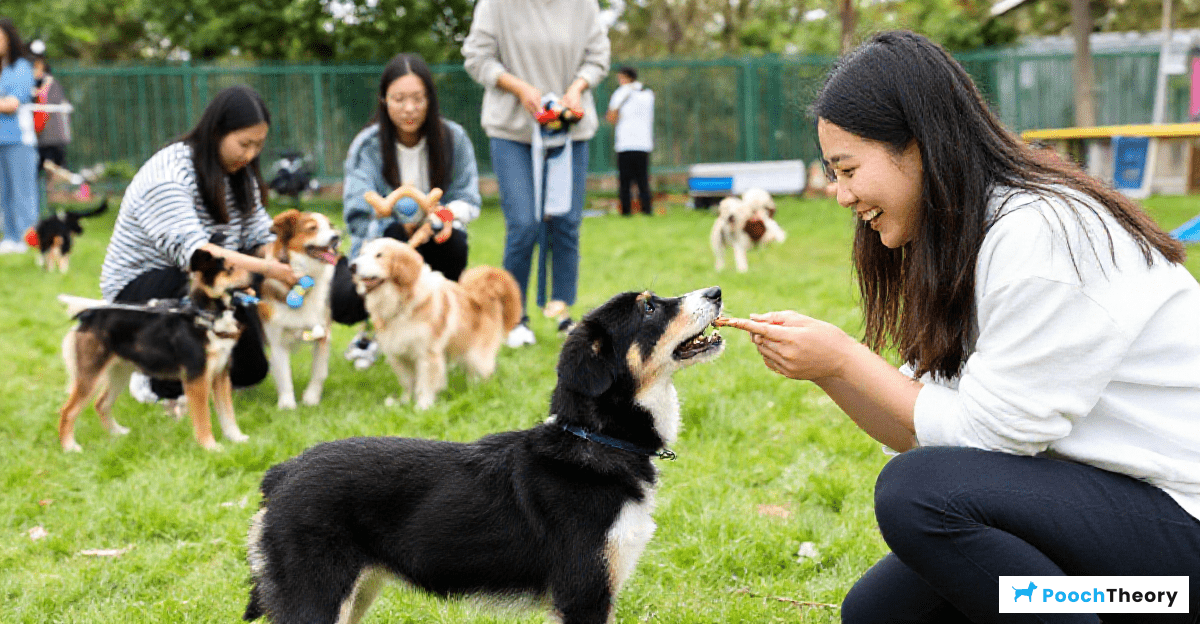
In practice, positive reinforcement can be incorporated into daily routines in various ways. Rewarding a dog for sitting patiently before meals or during greetings can foster polite behaviors. Similarly, using clicker training, where a clicker marks a desired behavior followed by a reward, offers clarity and consistency in training sessions. For more comprehensive techniques, readers can refer to our Ultimate Guide to Dog Training.
Alternative Training Methods
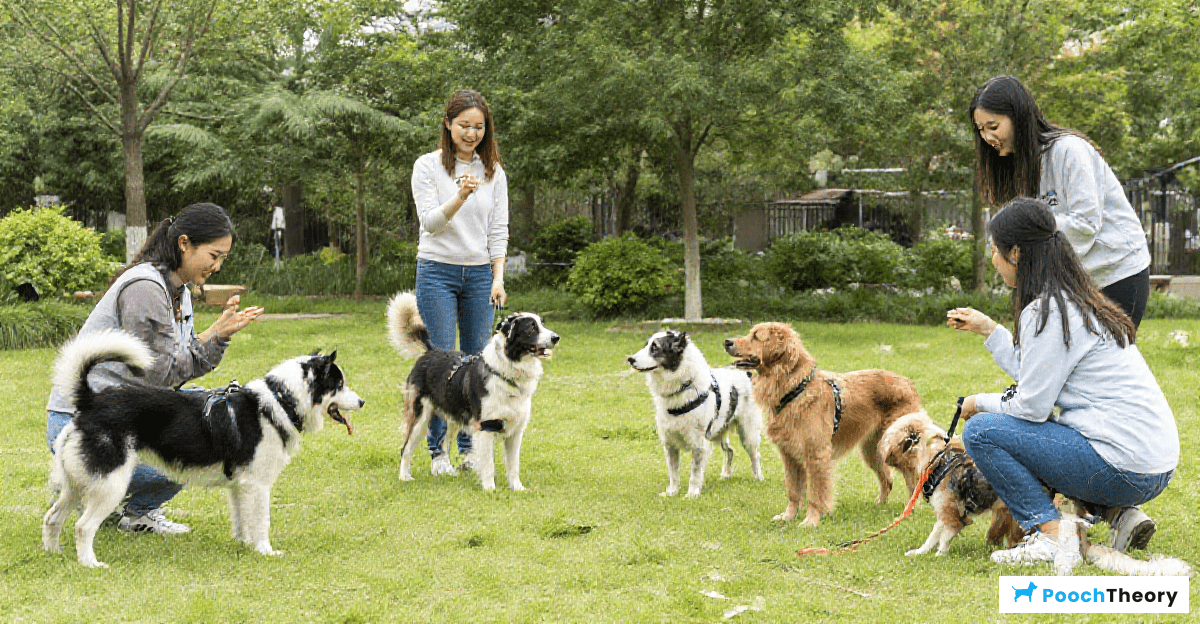
Alternative training methods for dogs increasingly focus on positive reinforcement techniques, such as clicker training, verbal praise, and treats. These methods enhance the bond between dogs and their owners, creating a positive learning environment.
Clicker Training: A small device that makes a distinct sound provides immediate feedback, helping dogs understand what actions are rewarded. Studies have shown that clicker training can lead to improved performance in obedience tasks.
Verbal Praise: Dogs respond well to the human voice, and combining verbal cues with physical affection fosters a comprehensive system of positive feedback.
Treats: Using small, healthy treats during training can effectively motivate dogs and make the experience enjoyable. Balancing treat rewards with praise enhances their training experience without overfeeding.
Using Interactive Toys to Reduce Barking
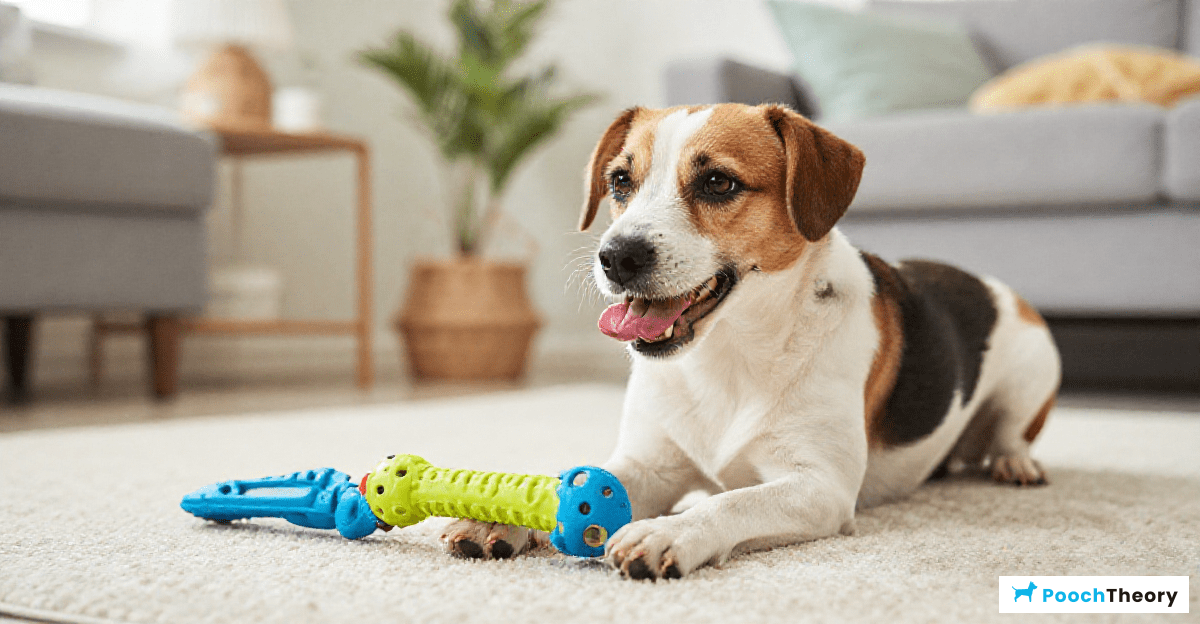
Interactive toys and devices play a significant role in reducing barking by keeping dogs engaged in constructive activities. These tools stimulate a dog’s mind and offer physical exercise, which can help alleviate anxiety and excess energy—common triggers for barking. According to experts, engaging dogs with interactive toys can improve their focus and happiness.
For instance, toys that dispense treats or require problem-solving can captivate a dog’s attention and redirect their urge to bark. Studies show that dogs engaged in interactive play exhibit less stress and fewer behavioral issues over time (Forbes).
Implementing Positive Reinforcement Techniques
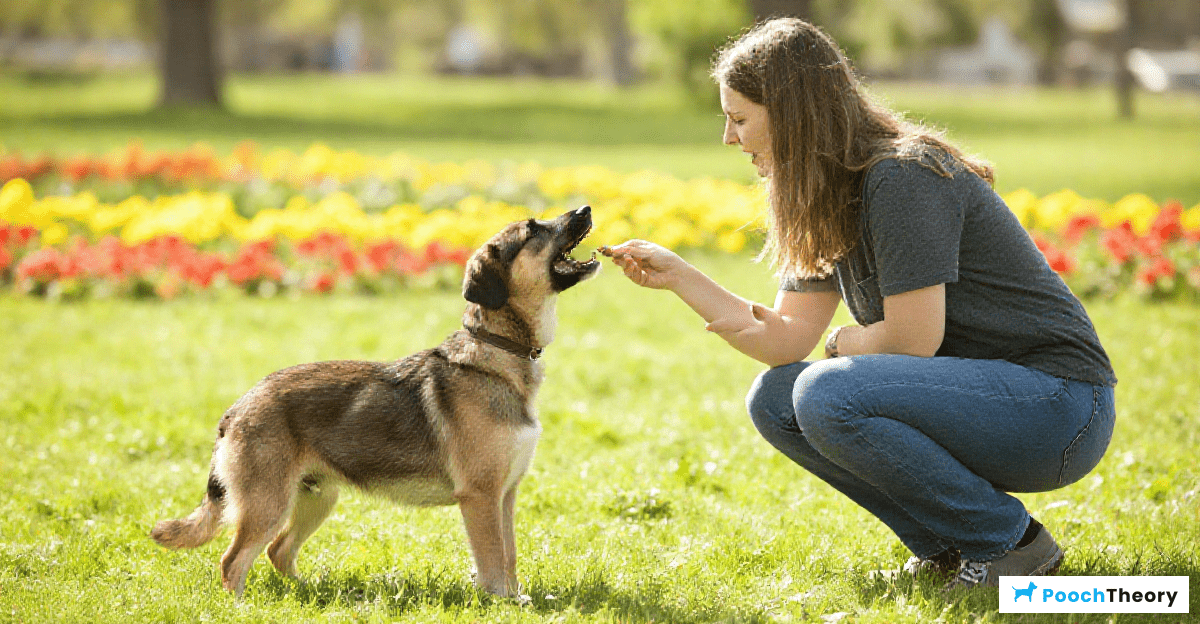
Incorporating positive reinforcement techniques into your dog’s daily routine can significantly reduce excessive barking while enhancing your dog’s well-being. Here’s how:
- Set a Routine: Consistent daily schedules help dogs know what to expect.
- Reward Calm Behavior: Reward your dog when they are quiet, especially during common triggers.
- Use Treats and Toys: Engage your dog with toys or treats when they are quiet.
- Training Commands: Teach your dog commands like “quiet” and reward them when they obey.
- Redirect Attention: If your dog barks at specific triggers, redirect their attention to a toy or a command.
- Socialization: Regularly expose your dog to different environments, people, and dogs.
- Patience and Consistency: Changes take time, and consistent application of techniques is key.
Case Studies and Success Stories
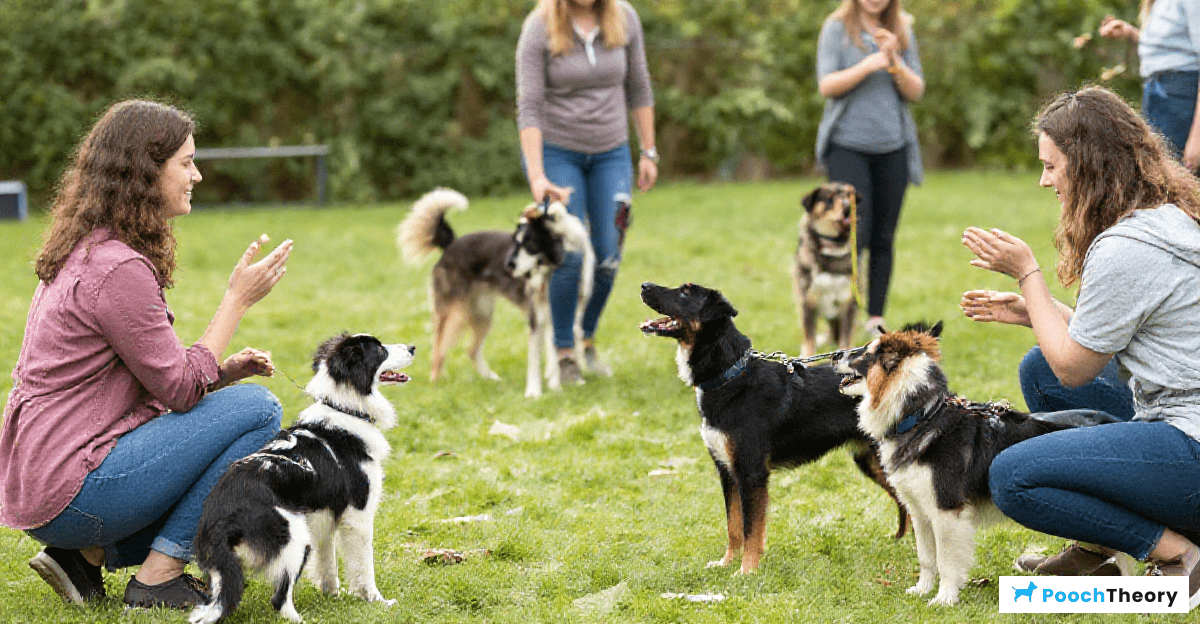
Many dog owners have successfully curbed their pets’ barking behavior using positive reinforcement methods. Here are some inspiring examples:
- Bailey: A Labrador Retriever who was rewarded for quiet behavior learned that silence led to positive outcomes, drastically reducing his barking. For further insights on crate training, refer to our guide on how to stop dog barking when left alone in crate.
- Chili: A Golden Retriever who transitioned from barking to playing with a ball, showcasing positive reinforcement’s effectiveness. Learn more about fun dog activities in our step-by-step dog training games.
- Zoe: A rescue dog who barked due to trauma learned silence through clicker training, demonstrating how positive reinforcement can help fearful animals. Read more about emotional support through training in our article on emotional support dog training.
Conclusion
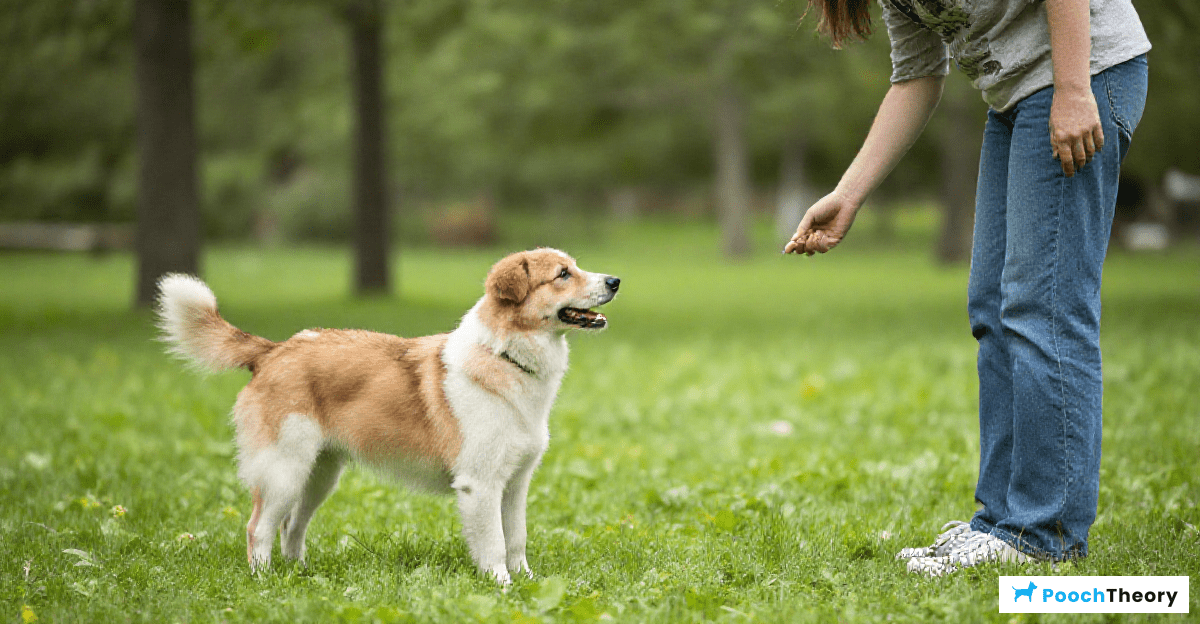
Positive reinforcement methods are highly effective in dog training, fostering a bond between dog and owner and enhancing the dog’s learning and behavior. Utilizing treats, praise, and engaging activities creates a more enjoyable environment for dogs.
The benefits of employing humane methods are clear. They can transform a dog’s life for the better, making training more effective and enjoyable (Source). Embracing such alternatives enriches the lives of pets and helps develop trusting relationships, promoting a vibrant, joyful experience for both dogs and their owners.