


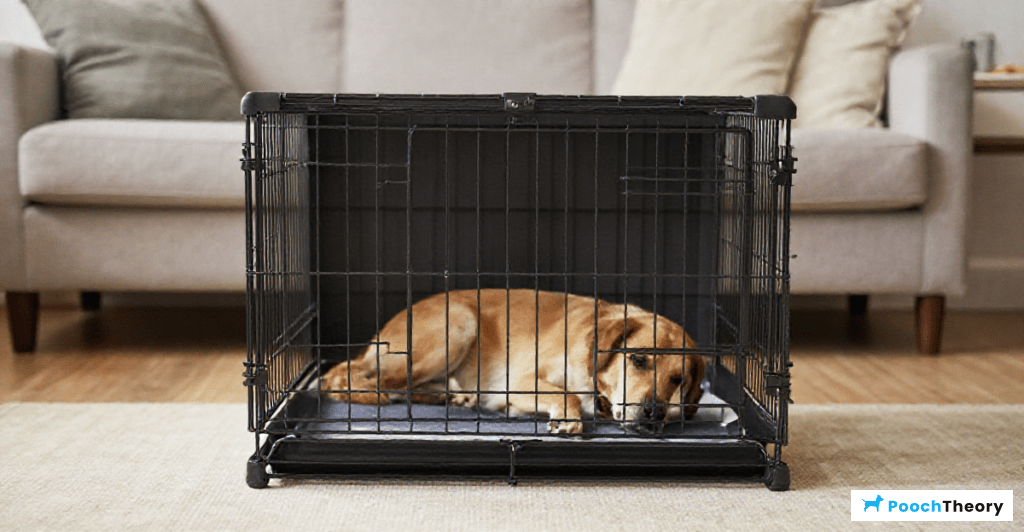
Understanding Dogs Barking in Crates
The issue of dogs barking when left alone in a crate is a common concern for pet owners. This behavior can stem from various factors, including anxiety, boredom, or a lack of preparation for being left alone. According to veterinarians, creating a comfortable and secure environment for dogs can significantly alleviate anxiety associated with being crated alone [Newsweek].
When dogs bark excessively in crates, it can lead to destructive behavior and increased stress not only for the dog but also for the owner and the surrounding environment [HuffPost]. Proper training and gradual acclimatization to being alone are essential strategies for mitigating this issue, allowing dogs to feel more secure while confined. Understanding the reasons behind this barking behavior is crucial for any dog owner looking to foster a calm and happy environment for their pets.
Factors Leading to Barking in Crates
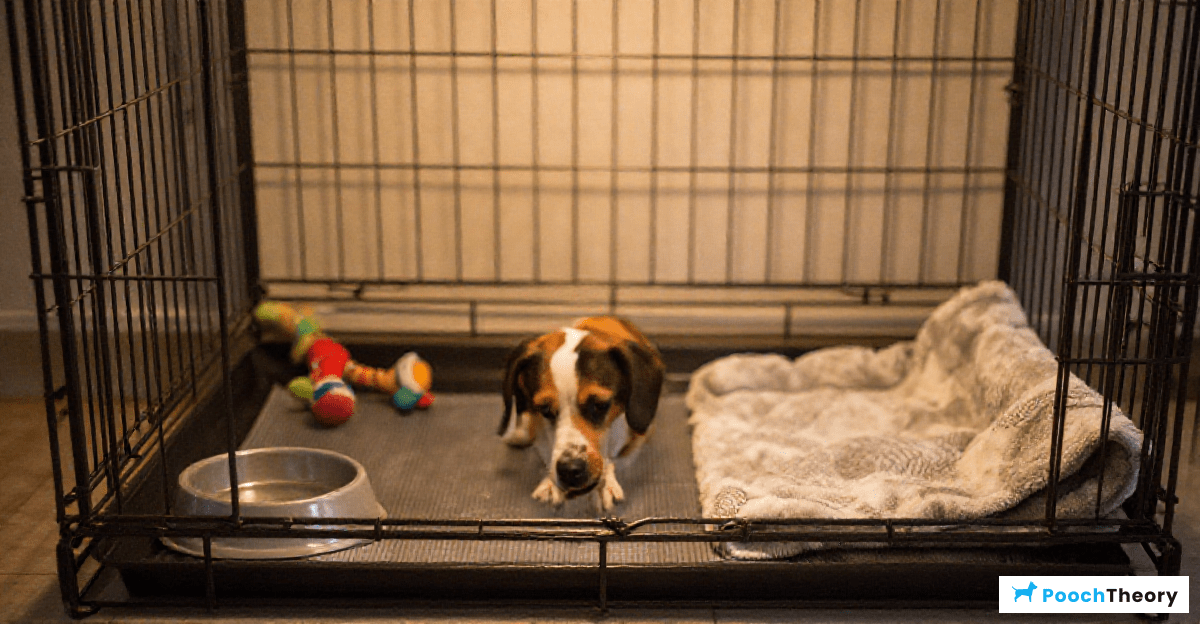

When dogs bark in their crates, it can stem from various emotional and psychological triggers such as anxiety and boredom. One of the primary reasons is separation anxiety, which many dogs experience when left alone or confined. This anxiety often manifests as barking, which serves as a way for them to express distress and seek reassurance from their owners. Dogs who haven’t been gradually introduced to crate training may react to the confinement with vocalizations as a means of protest or to call for attention from their owners [Newsweek].
Additionally, boredom is a significant factor. Dogs are social animals that require mental and physical stimulation; without it, they may resort to barking to alleviate their frustration. Keeping a dog entertained with toys, providing enough exercise before crating, and gradually increasing the time they spend in the crate can help minimize instances of barking due to boredom [HuffPost].
Preparing Your Dog for Crate Training
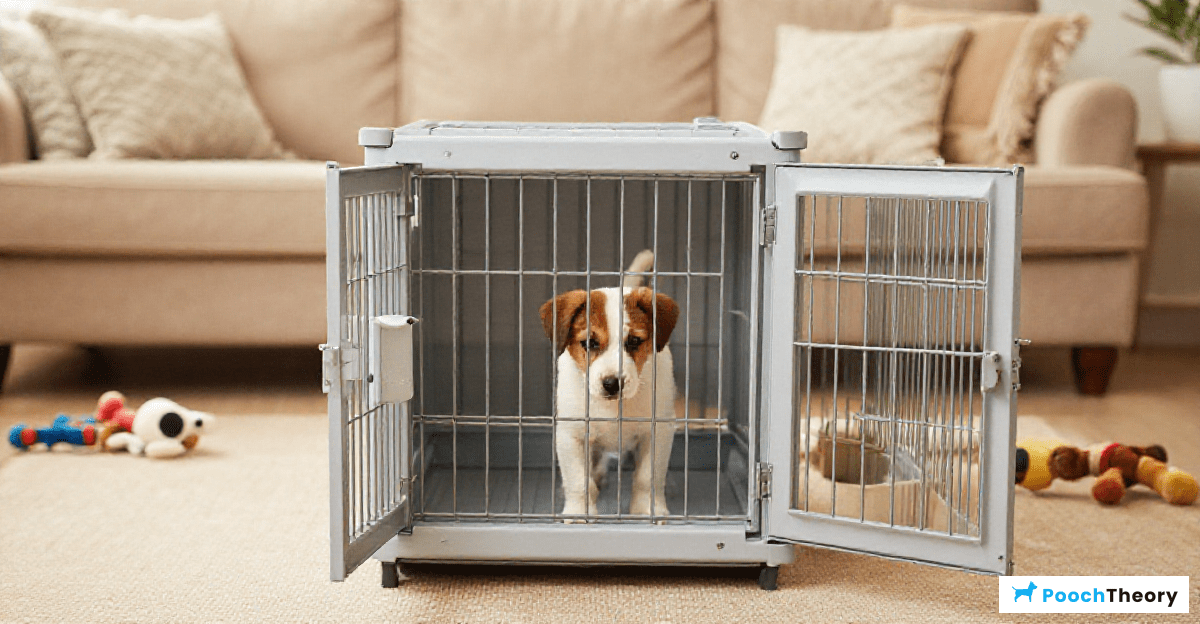
Before starting crate training for your dog, it’s essential to create a positive association with the crate to ensure a smooth experience. Here are some steps to prepare:
- Introduce the Crate: Place the crate in a common area of your home where your dog already feels comfortable. Leave the door open and allow them to explore it at their own pace.
- Make It Inviting: Add soft bedding and a familiar toy inside to encourage your dog to enter the crate.
- Use Positive Reinforcement: When your dog enters the crate, immediately reward them with praise and treats to create positive associations [Newsweek].
- Short Stays: Begin by closing the crate door for short periods while you are nearby.
- Create a Routine: Incorporate crate time into your dog’s daily routine.
- Avoid Using the Crate as Punishment: It’s crucial not to use the crate as a form of punishment, as this will create negative associations.
Establishing these foundations not only facilitates a smoother crate training process but also supports your dog’s overall well-being.
Gradual Crate Training Techniques
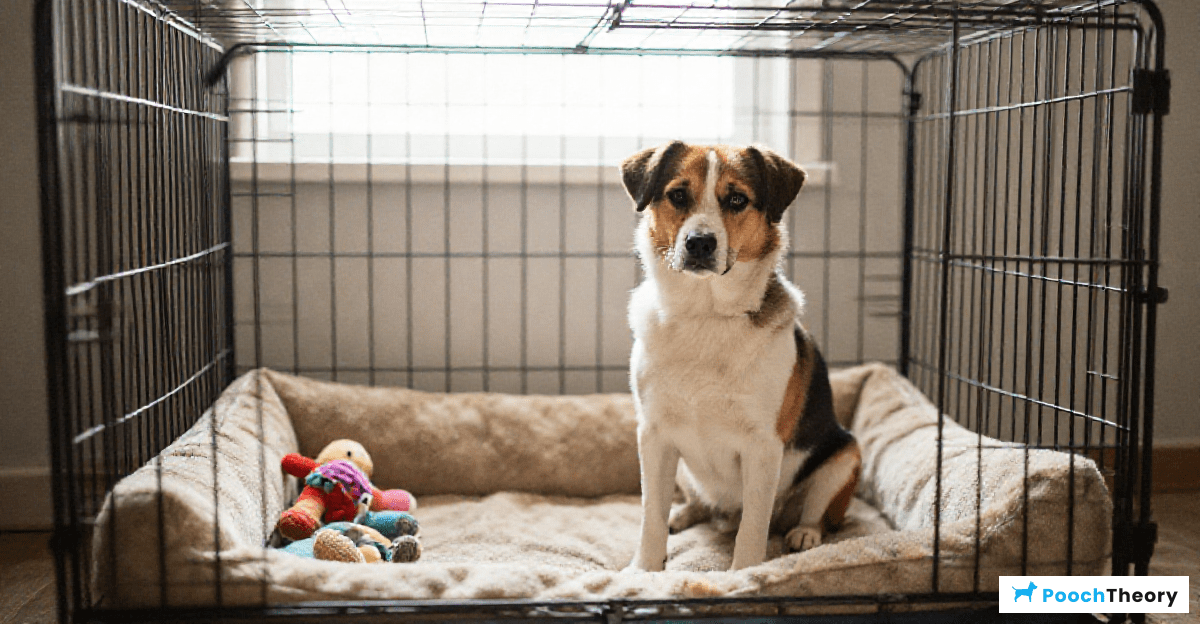
Gradual crate training is essential for easing your dog into feeling comfortable in their crate. Here are some effective techniques:
- Introduce the Crate Slowly: Start by placing the crate in a common area of your home and allow your dog to explore it.
- Incremental Time Limits: Gradually acclimate your dog to spending time in the crate.
- Use Crate Games: Making the crate training experience fun is key.
- Practice Departures: Help your dog learn that you will come back, which reassures them and minimizes barking.
By following these gradual techniques, you can help your dog associate the crate with safety and relaxation.
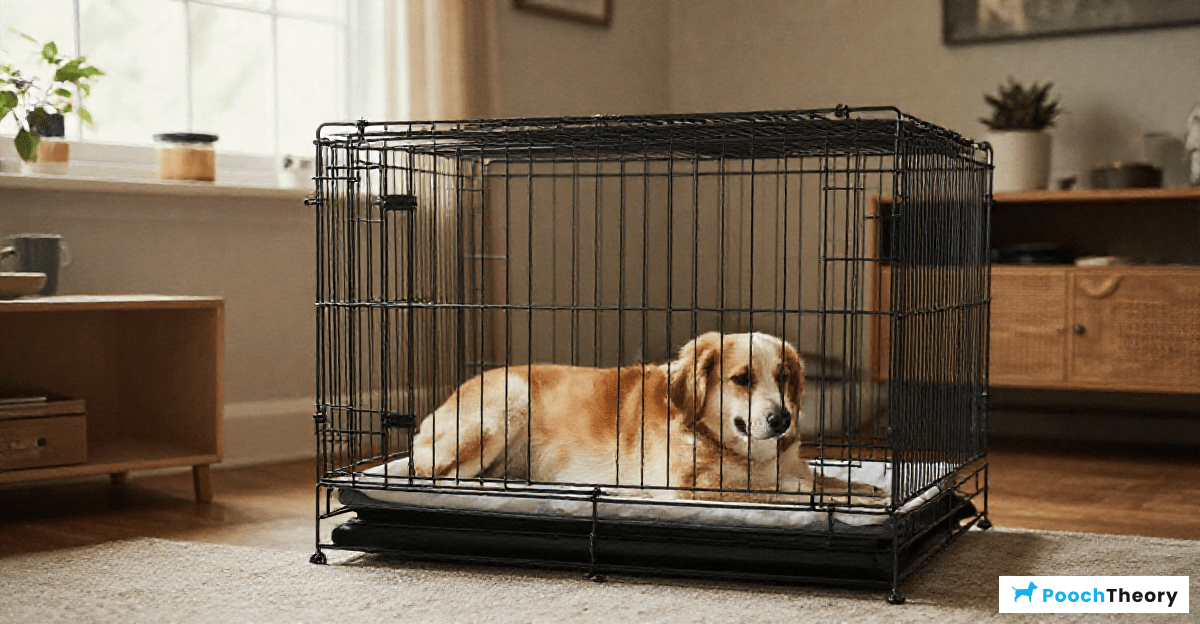
Creating a Comfortable Crate Environment
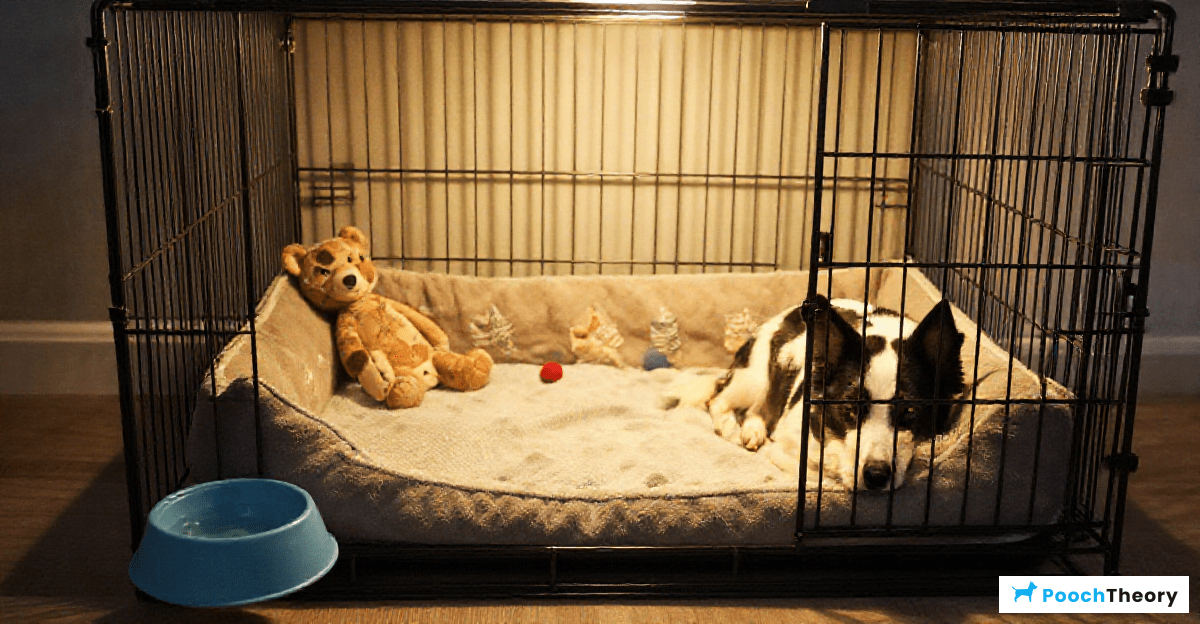
Creating a comfortable crate environment for your dog is essential. Here are several tips:
- Choose the Right Size: Ensure that the crate is appropriately sized for your dog.
- Add Soft Bedding: Use soft, washable blankets or dog beds.
- Create a Positive Association: Use treats, toys, and praise to encourage your dog to enter.
- Position the Crate Appropriately: Place the crate in a quiet area of your home.
- Temperature Control: Ensure the crate is in a well-ventilated area.
- Limit Crate Time: Dogs should not be left in their crate for long periods.
- Calming Products: Consider integrating calming products designed for dogs.
By implementing these tips, you can create a comfortable and appealing crate environment that will help your dog feel safe and secure.
Engaging Your Dog in Their Crate
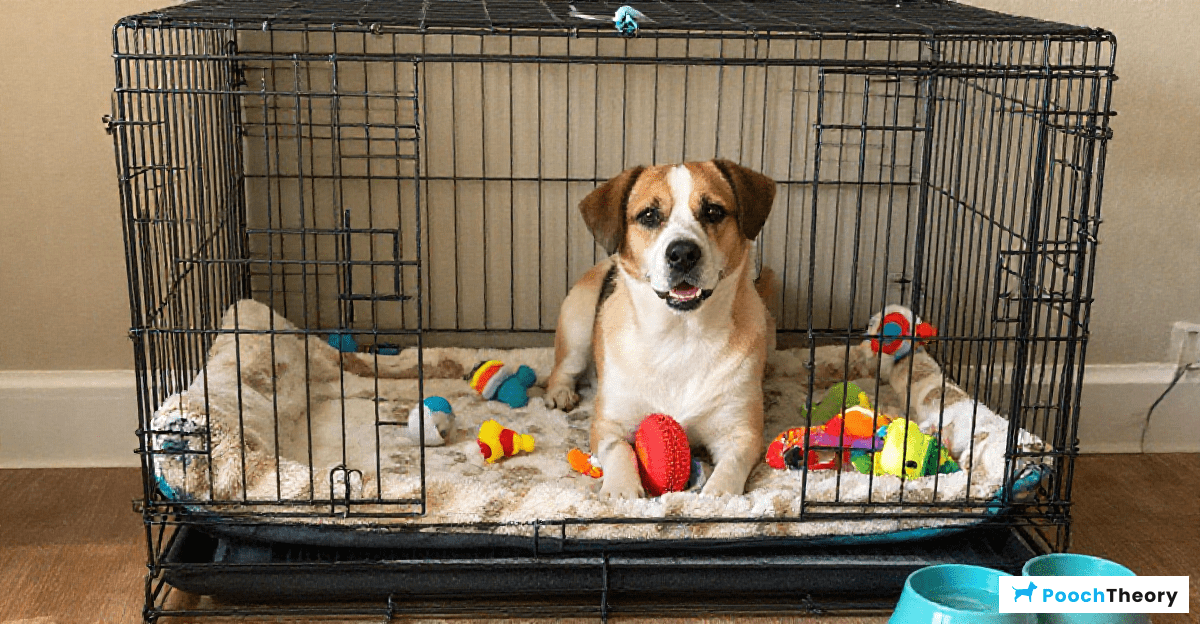
To keep your dog occupied and happy in their crate, the right toys and engaging activities are essential. Here are some effective options:
- Interactive Toys: Toys that challenge your dog mentally, such as puzzle feeders, can keep their mind engaged.
- Chew Toys: Durable chews can satisfy your dog’s natural urge to chew.
- Soft Plush Toys: Many dogs enjoy the comfort of soft toys.
- Scented Toys: Some toys come infused with calming scents.
Crate training incorporates positive experiences, such as feeding them in the crate and utilizing calming music, which can contribute to a peaceful environment.
Training Commands for Barking Management
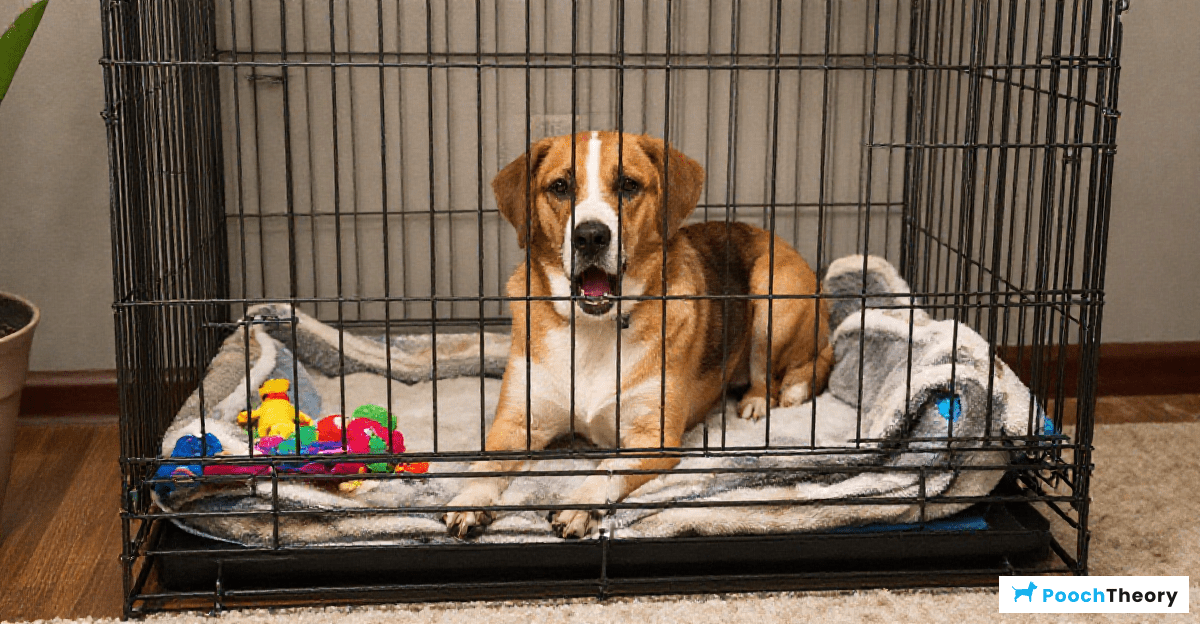
To effectively curb excessive barking in dogs, using training commands combined with positive reinforcement is essential. Start by teaching your dog specific commands such as “quiet” or “enough.” When your dog begins to bark, calmly issue the command and wait for a moment of silence. As soon as they stop barking, immediately reward them [HuffPost].
Incorporating the “leave it” command during episodes of barking can redirect your dog’s attention and inhibit unwanted behaviors. This helps not only to diminish barking but also enhances their ability to concentrate on commands [Pooch Theory].
When to Consult a Professional Trainer
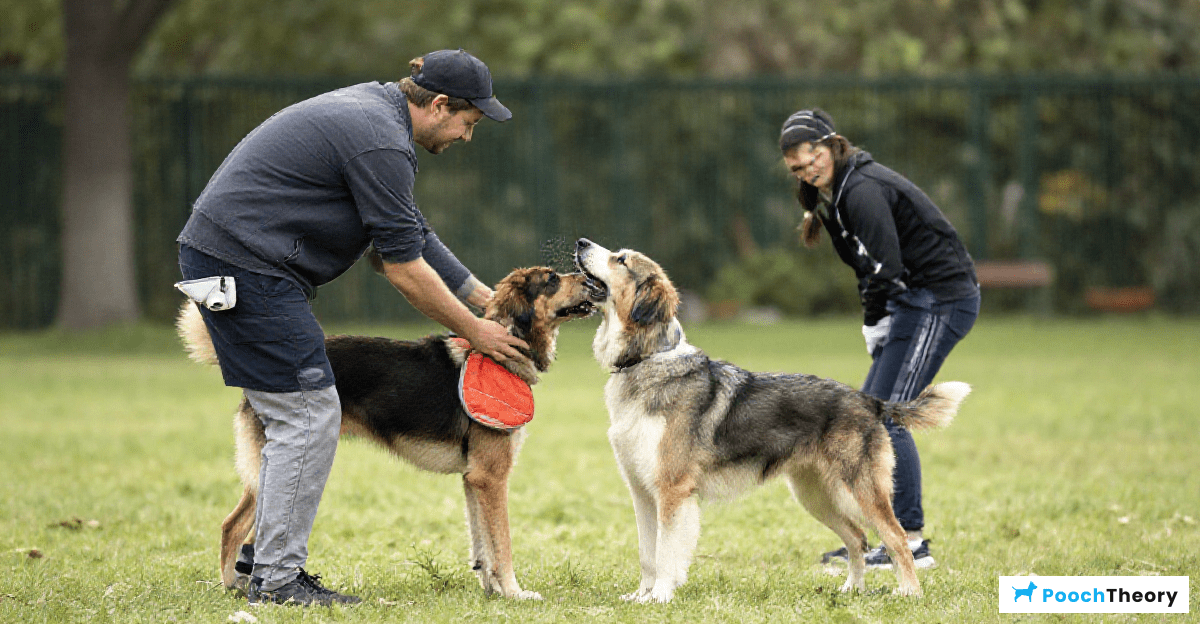
Consulting a professional dog trainer can be essential for various reasons. If you encounter persistent behavioral issues, a professional can help identify the root causes and develop a tailored training approach. This guidance can be invaluable in enhancing the bond between you and your dog [Pooch Theory].
Conclusion
Training a dog requires persistence and understanding. The key points to remember are consistency, positive reinforcement, and establishing a strong bond with your dog. Progress may seem slow, but every small victory counts towards achieving a well-behaved companion. For more detailed training strategies, check out our guides on home training techniques and walking plans for reactive dogs.