


Teaching Your Dog to Settle on a Mat
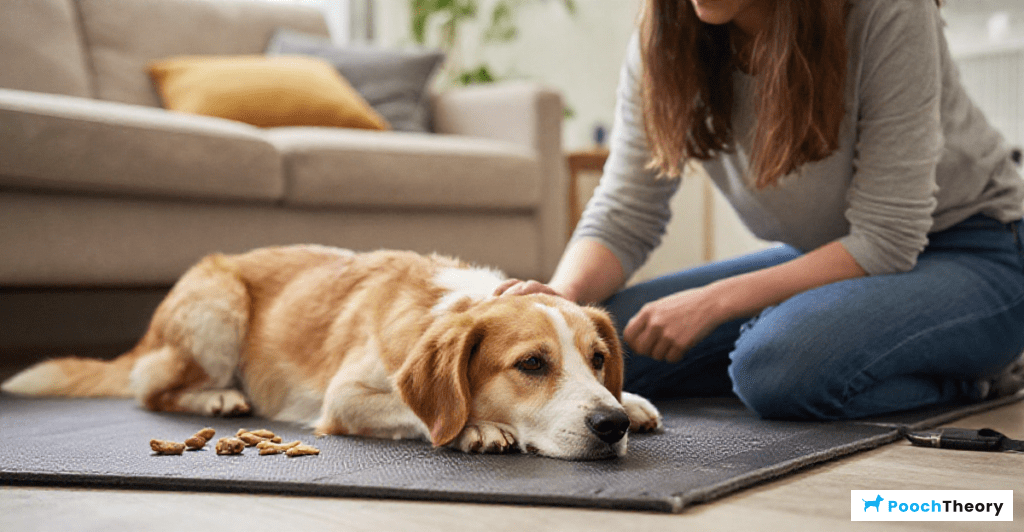
Teaching your dog to settle on a mat is a fundamental skill that provides multiple benefits for both the dog and its owner. This training can lead to a more peaceful home environment, especially in busy households. It empowers dogs to learn self-control and relaxation, which is crucial for managing anxiety and excitement levels. When dogs have a designated space to rest, they can feel secure and comfortable, knowing they have a place that belongs to them.
One significant advantage of mat training is its effect on impulse control. It teaches dogs the meaning of calmness in stimulating situations, aiding in their overall behavior management. According to VCA Animal Hospitals, establishing routines and training that reinforce desirable behaviors can reduce anxiety and promote calmness.
Moreover, a mat can serve as a tool for training and socialization, creating a clear boundary for the pet during gatherings. This helps curb unwanted behaviors such as jumping on guests or excessive barking. This method encourages dogs to learn that they can enjoy the company of others while still adhering to the rules established by their owners, making it easier to manage their behavior in various contexts. You can find more about the significance of creating a structured environment in our article on home training techniques for dogs.
Furthermore, teaching your dog to settle on a mat can strengthen the bond between owner and pet, as it requires patience, consistency, and positive reinforcement—a fundamental aspect of effective dog training. For more insights into positive reinforcement methods, refer to our comprehensive guide on alternative training techniques.
Overall, mat training not only enhances your dog’s ability to relax and focus but also promotes a more harmonious living environment for the entire family.
Choosing the Right Mat for Your Dog
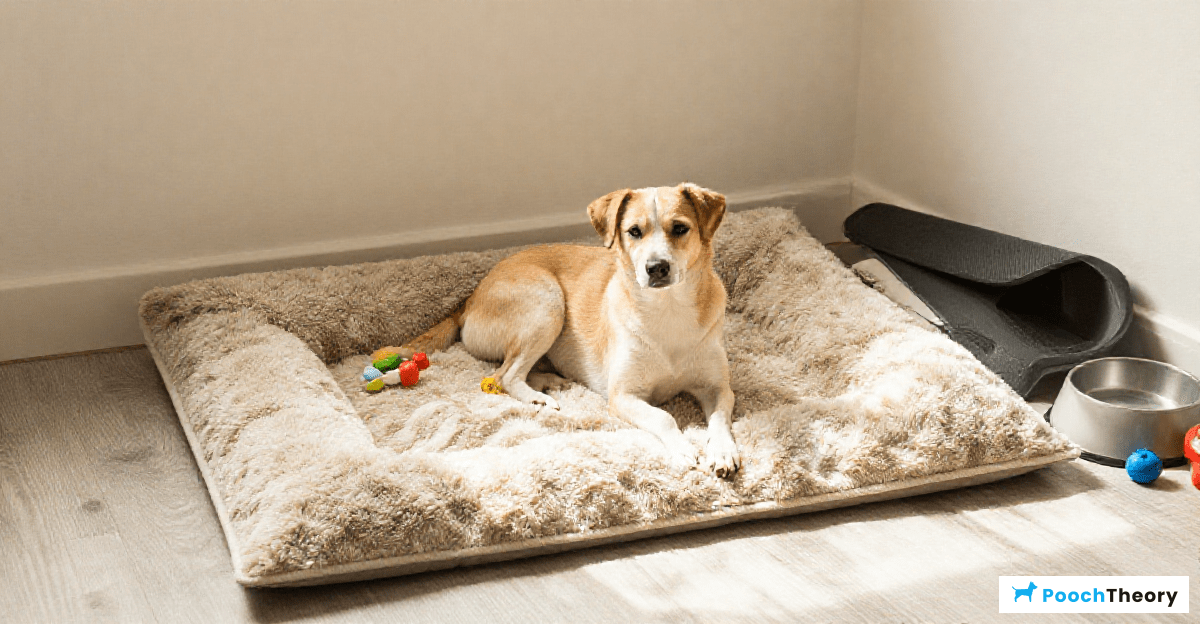

When selecting the right mat for your dog, consider several crucial factors to ensure comfort and appeal. First, prioritize materials that offer both durability and ease of cleaning. Mats made from polyester or cotton blends are soft and can withstand daily wear and tear. Look for mats with a non-slip backing to prevent accidents during use.
Next, size is essential—measure your dog and choose a mat that’s spacious enough for them to stretch out comfortably. A general rule of thumb is to select a mat that’s at least 36 inches long for medium to large breeds. For smaller breeds, mats as small as 24 inches can suffice.
Design and aesthetics are important as well. Choose colors and patterns that complement your home décor while examining if the mat is machine washable for easy maintenance. Patterns that are not overly busy may also help with shedding visibility, making it easier to clean. Lastly, consider the mat’s purpose. An orthopedic mat can provide extra support for older dogs or those with joint issues, while an outdoor mat might be more robust against the elements. For insights on maintaining your dog’s well-being, check out articles on dog health issues or socializing your dog.
Introducing Your Dog to the Training Mat
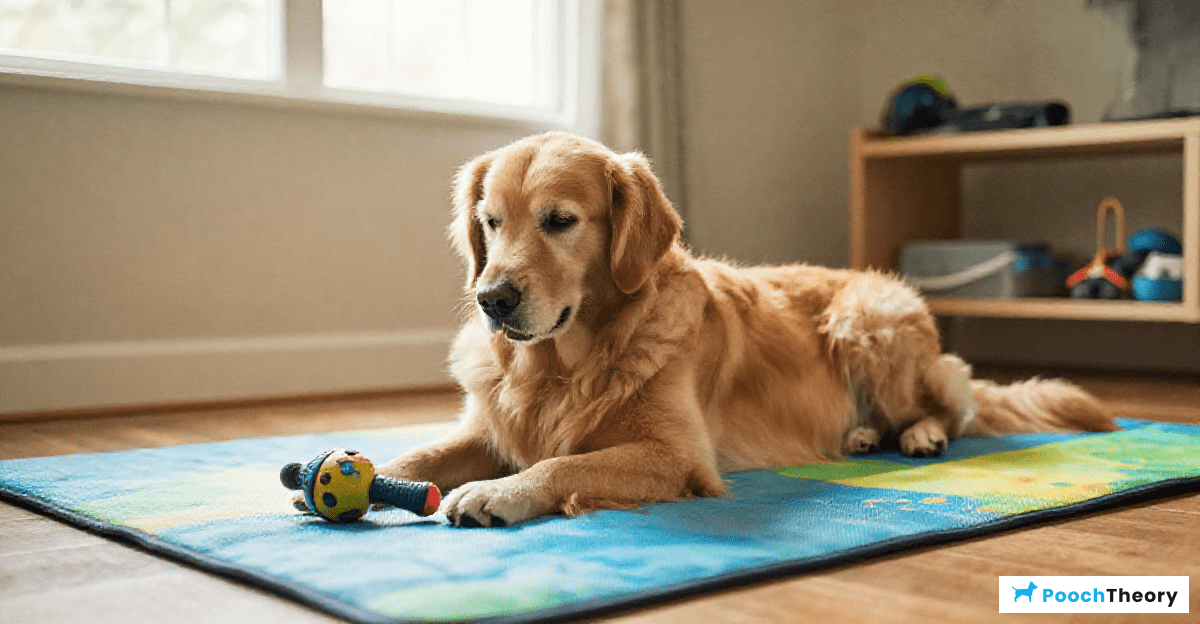
To successfully introduce your dog to a training mat, follow these practical steps to encourage both interest and comfort:
- Select the Right Mat: Choose a mat that is non-slip and comfortable for your dog. Ensure it’s large enough for them to lie down comfortably.
- Familiarization: Place the mat in a quiet space where your dog usually relaxes and allow them to investigate it.
- Positive Reinforcement: When your dog approaches or steps onto the mat, reward them with treats or verbal praise, promoting a positive association. According to the principles of positive reinforcement, rewarding desirable behaviors encourages their repetition [Source].
- Short Training Sessions: Start with short sessions of about 5-10 minutes and gradually increase the duration as your dog becomes more comfortable.
- Engagement through Games: Incorporate games that involve the mat, such as using it as a “home base” during play sessions.
- Consistency and Patience: Be consistent with your commands and the use of rewards. If your dog seems overwhelmed, take breaks.
By following these steps, you create a positive learning environment that helps your dog associate the mat with safety, comfort, and fun.
Teaching Your Dog the ‘Settle’ Command

To teach your dog the ‘Settle’ command effectively, follow structured steps to reinforce calmness:
- Choose the Right Mat: Pick a comfortable mat or bed that your dog can associate with relaxation and position it in a quiet area.
- Introduce the Mat: Encourage your dog to approach the mat by using treats.
- Command Association: Use the command “Settle” or “Place” each time they approach the mat and reward them generously.
- Practice Duration: Gradually increase the time your dog stays on the mat, rewarding them for staying calm.
- Add Distractions Gradually: Introduce mild distractions as your dog masters lying down on the mat.
- Consistency is Key: Implement the ‘Settle’ command during various situations.
- Use Positive Reinforcement: Always use positive reinforcement methods instead of punishment.
By following these steps and remaining patient, you can successfully teach your dog to ‘Settle’ on command, creating a calm and serene environment in your home.
Reinforcing Settling Behavior

Reinforcing settling behavior on the mat involves various reward-based strategies:
- Positive Reinforcement: Reward your dog with treats and praise for settling on their mat immediately.
- Create a Comfortable Environment: Ensure the mat is inviting, adding blankets or toys.
- Structured Training Sessions: Teach your dog to go to their mat on command.
- Incorporate Settling into Daily Routines: Integrate the mat into daily activities such as mealtime.
- Redirecting Attention: If your dog gets up, gently redirect them back while remaining calm and positive.
Using these methods consistently will help your dog learn to enjoy their time on the mat and reinforce the behavior positively.
Addressing Common Training Challenges

Training and caring for dogs can present challenges that owners must navigate. Here are some common obstacles and strategies to overcome them:
- Behavioral Issues: Excessive barking, chewing, or aggression often stem from anxiety or lack of training. Focus on reinforcing calm behaviors rather than punishing.
- Adjustment Challenges: New pets, especially rescues, may have difficulty acclimating. Following the “3-3-3 Rule” can be beneficial.
- Training Setbacks: Set realistic goals, engage in frequent, short training sessions, and focus on one command at a time.
- Miscommunication: Clear and consistent communication through body language and verbal commands is crucial.
By proactively addressing these challenges with patience and proper strategies, dog owners can cultivate a harmonious relationship with their pets.
Conclusion

Consistent practice and reinforcement are vital components of successful dog training. Owners should regularly apply the techniques learned to strengthen their dog’s skills and enhance the bond between them. Emphasizing patience, understanding, and positive reinforcement will help ensure that training remains a rewarding experience for both pet and owner. Every dog learns at its own pace, and ongoing practice not only solidifies training basics but also contributes to advanced skills, creating a well-rounded canine companion.
To delve deeper into effective training methods, consider exploring our guides on positive reinforcement alternatives and essential dog training tips.
Sources
- HuffPost – The Dogs That Don’t Want To Be Touched
- Newsweek – Woman Teaches Dachshund Lesson
- Pooch Theory – Dog Fur Turning Rust Color: Causes and Treatment
- Pooch Theory – How to Stop Your Dog from Barking
- Pooch Theory – How to Socialize a Dog
- Pooch Theory – Mastering Dog Training: Essential Commands for Beginners
- Pooch Theory – Ultimate Guide to Dog Training: Home Tips and Techniques
- Pooch Theory – Positive Reinforcement Alternatives to Shock Collars for Barking
- Pooch Theory – How to Train a Rescue Dog That Was Never Socialized
- Pooch Theory – Mastering Long Line Training for Reliable Recall in Beginners
- VCA Animal Hospitals – Dog Barking: Why it Happens and How to Control it