


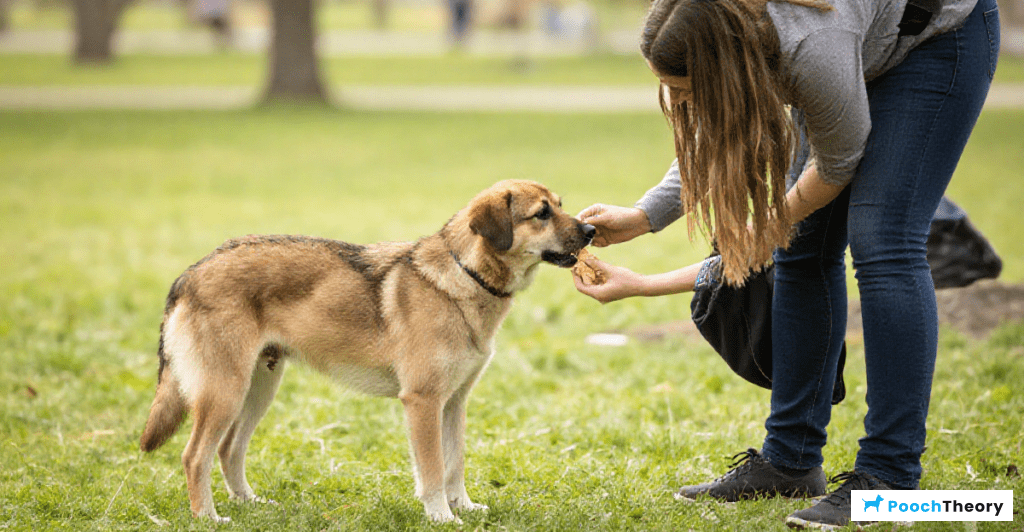
Training Unsocialized Rescue Dogs: Challenges and Strategies
Training a rescue dog that has not been socialized presents unique challenges and requires a patient, strategic approach. Many rescue dogs, having experienced neglect or abuse, often struggle with trust and may exhibit fear-based behaviors. These dogs may react negatively to new environments, sounds, or people, making the training process more complicated.
One major hurdle is the dog’s inability to engage with other dogs or humans. For instance, a dog found with a sign stating “I’m a good boy, just not good with other animals” illustrates the specific behavioral challenges that can arise source. Such behavior can stem from a lack of previous socialization, and it often requires dedicated socialization techniques to overcome.
Moreover, rescue dogs frequently carry emotional baggage that may not be evident until training begins. Signs of anxiety or aggression can be common, particularly when they are faced with triggers from their past. As noted by experts, gradual exposure and positive reinforcement are critical in these situations. Strategies such as socialization exercises can help ease a rescue dog’s transition into a supportive environment.
Consistency and routine are crucial; training sessions need to be structured yet flexible enough to cater to the dog’s pace. Repetition helps solidify learning, allowing the dog to feel more secure and confident. Utilizing techniques from resources like the Ultimate Guide to Dog Training can create a more robust framework for integrating these dogs into family life while fostering their development.
Understanding Unsocialized Dog Behaviors


Unsocialized dogs often demonstrate behaviors that can be misunderstood or misinterpreted by their owners. Without positive exposure to different people, animals, and environments, these dogs may react with fear, anxiety, or aggression when faced with novel situations. A key aspect of unsocialized dogs is their tendency to engage in resource guarding or possessive behavior, as highlighted in a case where an Australian shepherd mix named Milo displayed such tendencies before being placed in a shelter source.
Additionally, these dogs may have difficulty interpreting social cues from humans and other animals. Research shows that dogs, especially those with limited socialization, struggle to read body language and may misinterpret friendly gestures as threats. This underscores the importance of gradual and positive socialization techniques to help these dogs adapt source.
Exposing unsocialized dogs to structured training sessions that incorporate social interaction can significantly improve their behavior. Techniques that use positive reinforcement, such as those discussed in our guide on effective dog training, can encourage more desirable interactions and reduce anxiety in social situations.
Ultimately, understanding and addressing the behaviors of unsocialized dogs requires patience and empathy. By creating safe environments and engaging with them through consistent training and social experiences, owners can help their dogs develop confidence and appropriate social skills. For further guidance on how to socialize a dog effectively, visit our article on how to socialize a dog.
Building Trust with Your Rescue Dog
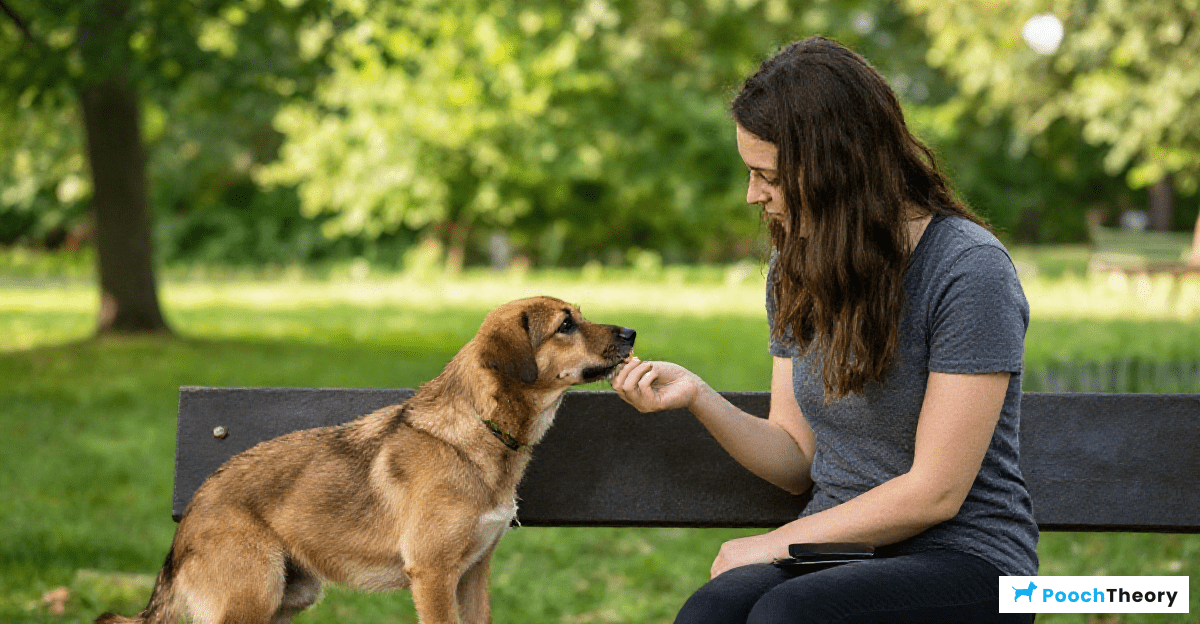
Building a bond of trust with your rescue dog is essential for a lasting relationship. Here are several effective methods to strengthen that connection:
- Establish a Routine: Dogs thrive on consistency. Establishing a daily routine can help your rescue dog feel secure. This includes regular feeding times, exercise, and bathroom breaks. A structured routine can reduce anxiety and help your dog understand what to expect each day. For tips on routines, check out our article on bedtime routines.
- Positive Reinforcement: Using positive reinforcement techniques encourages trust between you and your dog. This can involve praising your dog, rewarding them with treats, or using toys when they exhibit desired behaviors. Research shows that dogs are more likely to respond positively when they associate their actions with rewards source.
- Slow, Gentle Approach: Taking your time to approach and interact with your rescue dog can significantly impact their comfort level. Avoid overwhelming them, and let them initiate interactions when they feel ready. This gradual approach builds confidence and reduces the likelihood of fear responses source.
- Interactive Play: Engaging in playful activities strengthens your bond. Activities like fetch or tug-of-war can create positive associations with you as their caregiver. For interactive play ideas, see our post on dog tricks and games.
- Safe Space: Creating a safe, comfortable space for your dog in your home can help them feel secure. This space should include a cozy bed, toys, and water. Allow them some quiet time to adjust to their new environment. For more comprehensive insights on training dogs in new settings, check out our guide on street dog training techniques.
Building trust with a rescue dog may take time and patience, but using these methods can lead to a lifelong bond based on respect and love.
Gradual Socialization Techniques
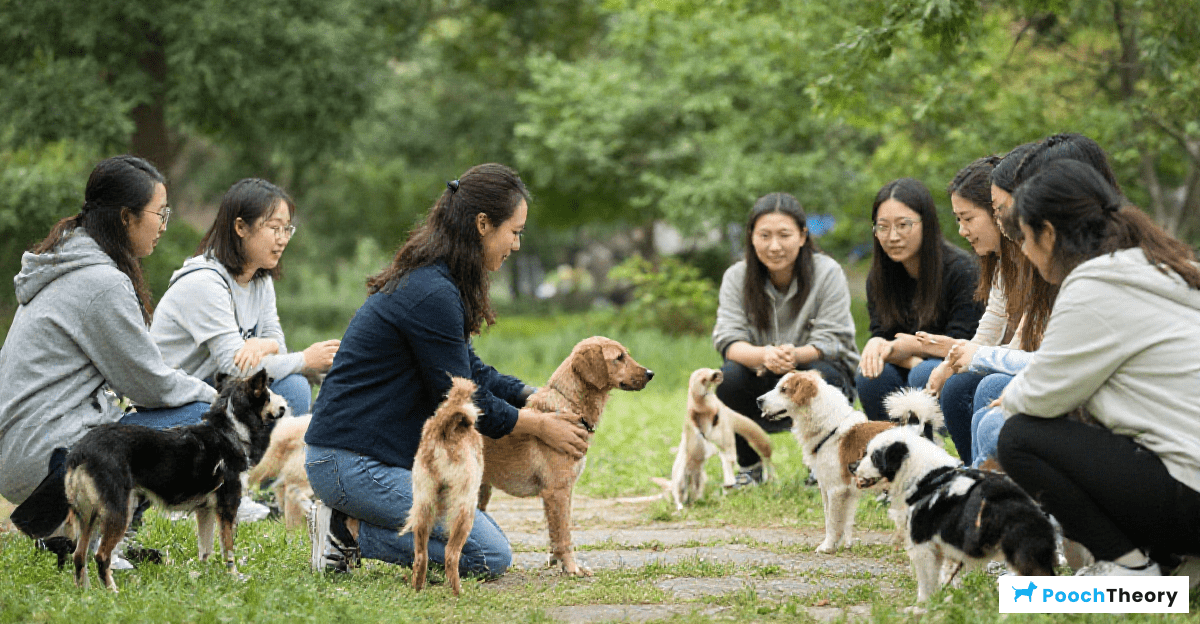
Gradual socialization is crucial for helping dogs adapt to new experiences, people, and environments, ultimately promoting their overall well-being and confidence. Here are effective techniques to implement this approach:
- Start in Familiar Environments: Begin socializing your dog in a familiar setting, such as your backyard or a quiet room. Introduce them to new sights and sounds gradually.
- Use Positive Reinforcement: Encourage your dog with treats and praise when they show interest in new stimuli.
- Gradually Increase Challenges: Once your dog is comfortable with a few simple introductions, slowly increase the complexity.
- Introduce New People and Animals Slowly: Allow your dog to meet new people and pets at their own pace.
- Utilize Controlled Scenarios: Attend training classes or socialization workshops tailored for dogs.
- Leverage Desensitization: Gradually expose your dog to specific fears or anxieties.
- Monitor Body Language: Pay close attention to your dog’s body language for signs of stress.
By implementing these gradual socialization techniques, you will help your dog build confidence, enhance their social skills, and reduce fear-based behaviors. For further insights on socializing your dog effectively, check out our guide on socializing dogs.
The Importance of Positive Reinforcement
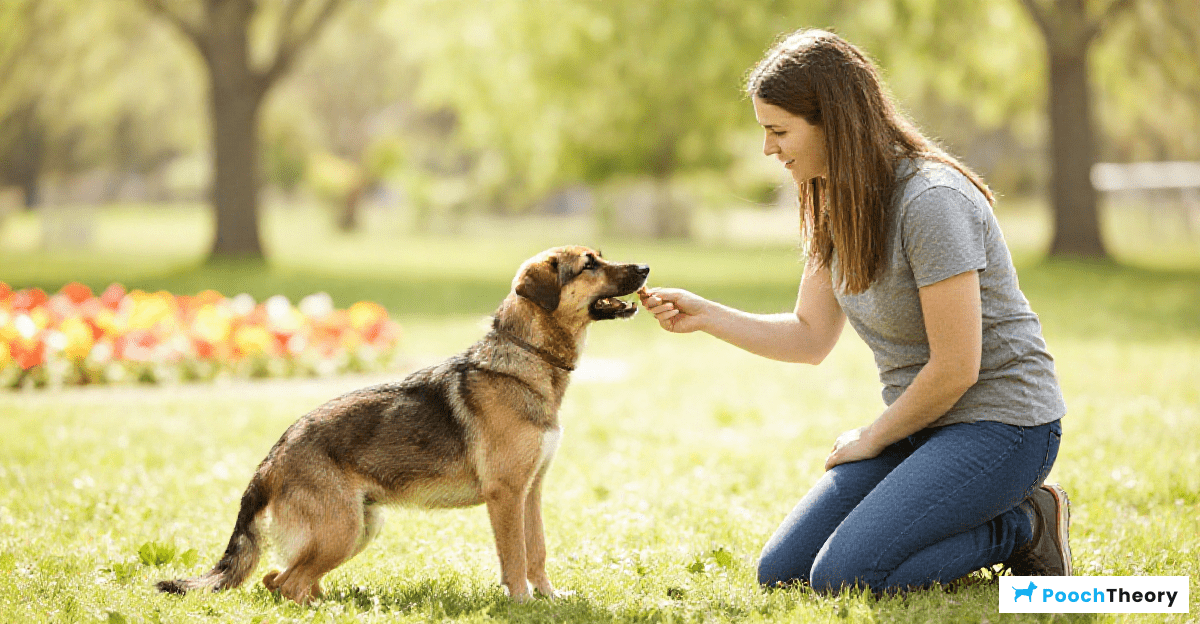
Positive reinforcement training is a fundamental approach in dog training that emphasizes rewarding desirable behaviors rather than punishing unwanted ones. This method not only encourages good behavior but also fosters a strong bond of trust and confidence between the dog and its owner. According to the American Kennel Club, positive reinforcement can significantly enhance a dog’s learning experience source.
One of the core benefits of positive reinforcement is that it helps build a dog’s confidence. When a dog is rewarded for performing a behavior, it is more likely to repeat that action in the future. A study highlighted in the *Journal of Veterinary Behavior* shows that positive reinforcement contributes to improved emotional well-being in dogs source.
Training techniques such as clicker training or using food rewards are effective strategies within this framework. Utilizing a clicker creates a distinct sound that marks the desired behavior. Additionally, various tools and apps, like those mentioned in *Business Insider*, offer structured training programs that incorporate positive reinforcement methods source.
Implementing positive reinforcement techniques is crucial for training and significantly enhances the overall quality of life for dogs. For a deeper dive into effective training methods, check out our article on ultimate dog training tips.
Importance of Patience and Consistency
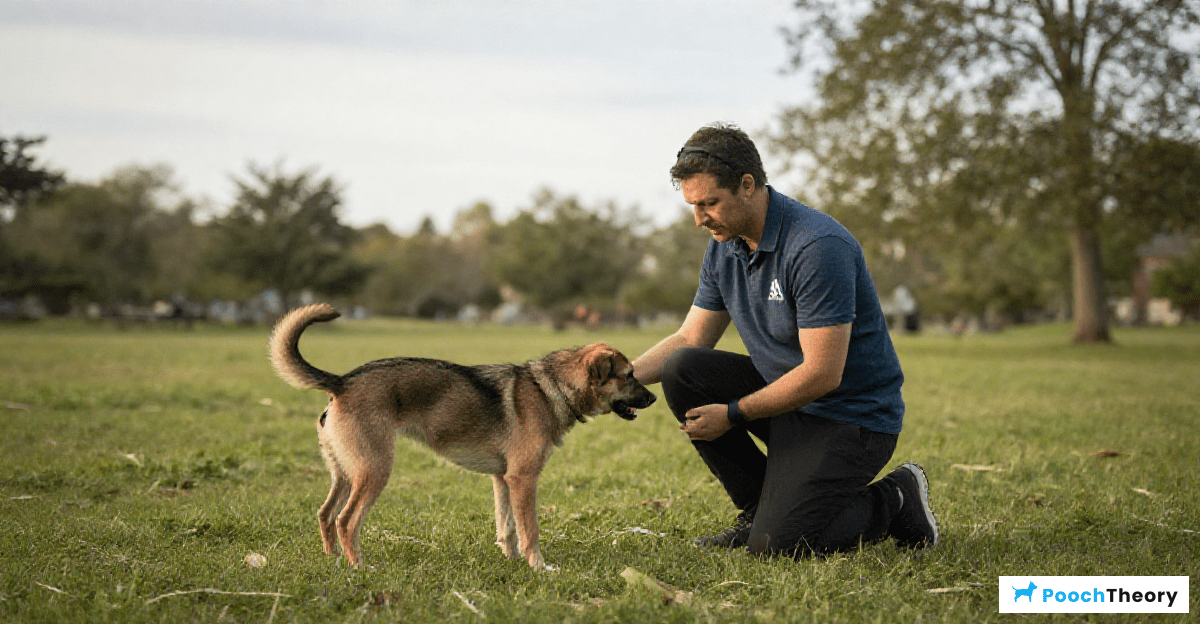
Patience and consistency are essential elements in dog training, significantly impacting a dog’s learning process and behavior. According to experts, repetition aids in solidifying training concepts in a dog’s mind, making it more likely that they will respond appropriately to commands over time source.
The training environment plays a crucial role; distractions can hinder progress. Maintaining focus during training sessions requires patience, as dogs may take time to grasp new concepts or commands. Resources such as the Ultimate Guide to Dog Training can provide further insights into how to effectively implement patience and consistency in your training regimen.
Additionally, engaging your dog with consistent training challenges can prevent boredom and associated behavioral issues source. By staying patient and consistent, owners can foster an environment conducive to learning, resulting in a well-behaved and happy dog.
Seeking Professional Help
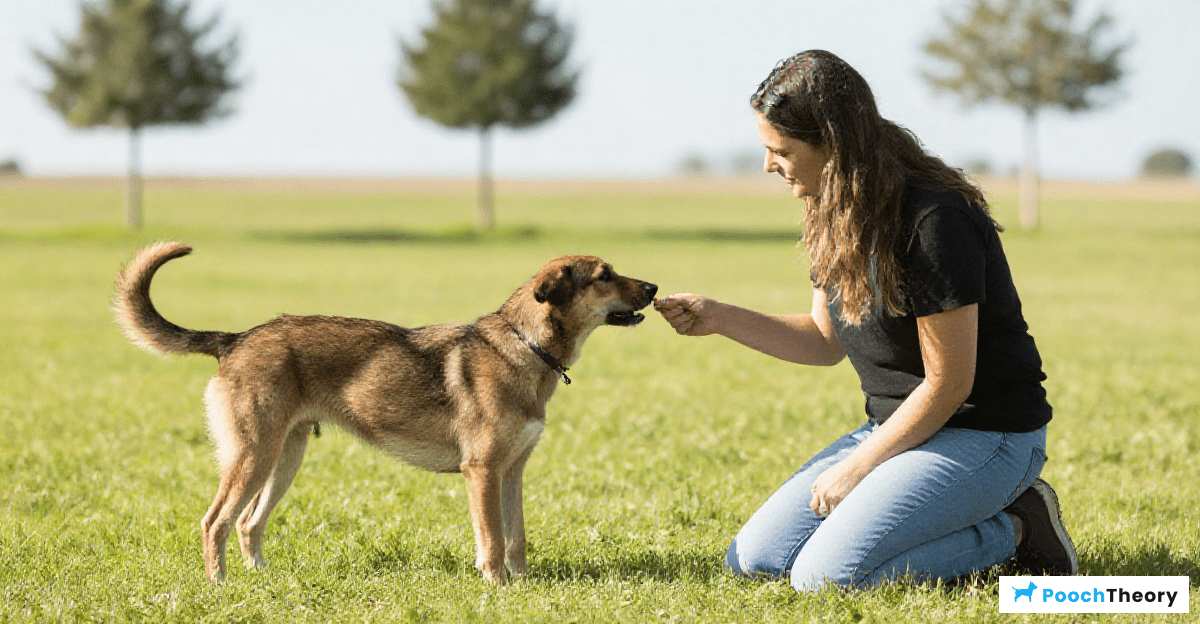
Seeking assistance from professional trainers or behaviorists is essential when you notice behavioral issues in your dog that persist despite your best efforts. Signs that indicate a need for professional help include excessive barking, aggression towards humans or other animals, and severe anxiety in new situations.
When searching for a qualified trainer or behaviorist, evaluate their credentials, experience, and training methods. Look for professionals certified by recognized organizations like the Association of Professional Dog Trainers (APDT) or the Certification Council for Professional Dog Trainers (CCPDT). You can find additional information on different training methods in our article on why to use compulsion in dog training.
Clear communication regarding expectations ensures a successful training experience. If you’re new to dog training or would like to refresh your knowledge, check out our ultimate guide on dog training techniques for helpful information.
Ongoing Training and Improvement
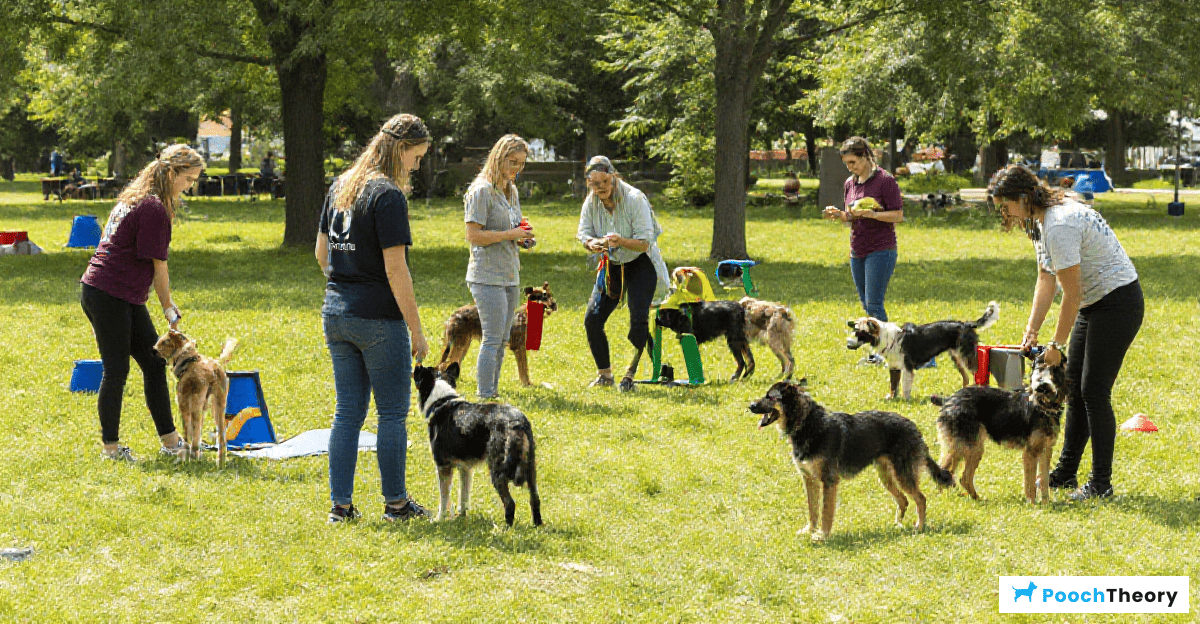
Completing your dog training journey involves reinforcing the skills you’ve developed while ensuring continuous improvement. Resources like online training courses and apps can provide fresh insights and techniques. For instance, apps such as the best dog training apps offer structured guides, video instructions, and access to live trainers.
Further enriching your understanding, books on dog training can provide helpful techniques and philosophies aligned with your training journey. You can find comprehensive guides on various training methods at Pooch Theory’s Bubble Theory Guide and Why Choose Compulsion Training.
Don’t hesitate to reach out for community support, too. Online forums and social media groups are excellent places for sharing challenges and celebrating victories. Engaging in these communities provides ongoing encouragement and access to collective wisdom, which is invaluable as you continue training and bonding with your dog.
Remember, dog training is an ongoing process, and with the right resources and community support, you and your furry friend will thrive.
Sources
- American Kennel Club – Positive Reinforcement Training for Dogs
- Business Insider – Best Dog Training Apps
- Newsweek – Dog Dumped Wearing Heartbreaking Sign
- Newsweek – Family Surrenders Dog After 2 Years
- Newsweek – Vet Reveals Daily Essentials Dog Needs
- Pooch Theory – Bubble Theory Dog Training Complete Guide
- Pooch Theory – Ultimate Guide to Dog Training
- Pooch Theory – Why Should You Use Compulsion Dog Training
- Pooch Theory – How to Socialize a Dog
- Pooch Theory – Effective Bedtime Routine for Dogs to Reduce Night Anxiety
- Pooch Theory – Fun Dog Tricks to Teach Beginners for Rainy Days Indoors
- Pooch Theory – Training a Street Dog for Life Indoors
- Times of Israel – Israeli Researcher Finds that by Eavesdropping Genius Dogs Learn Words Like Toddlers