



Why Do Dogs Bark in Response to Hallway Noises?
Dogs bark in response to hallway noises for various reasons, predominantly as a form of communication, alerting their owners to potential threats or changes in their environment. This behavior can stem from instinct, as barking serves to establish territory or alert others about unfamiliar sounds or individuals. According to VCA Animal Hospitals, barking may also arise from anxiety or the desire for attention, making it crucial to interpret the context of the barking and assess the dog’s emotional state.
Addressing Excessive Barking


Addressing excessive barking is essential not only for maintaining a peaceful home but also for the welfare of the dog. Ignoring or punishing this behavior may lead to heightened anxiety rather than a decline in barking. Consistent training that emphasizes reinforcing calm behaviors is recommended to help dogs learn to respond more appropriately to noises, leading to a reduction in unnecessary or compulsive barking [Source].
Understanding Barking Motivations
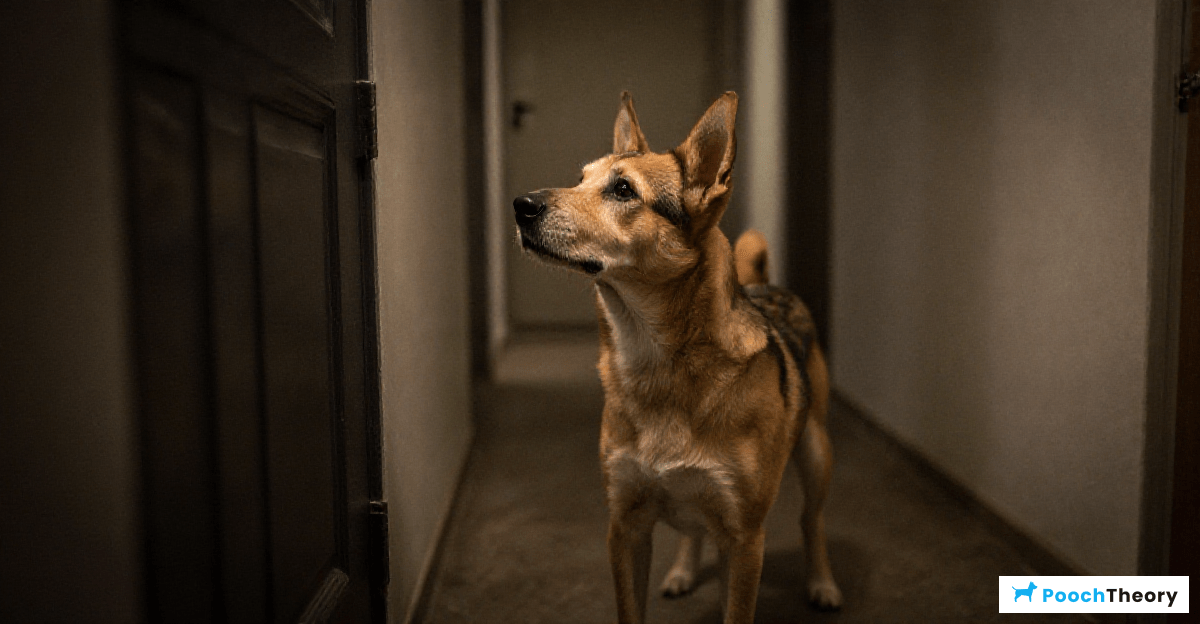
Understanding the motivations behind barking is critical for effective management and training. One primary cause is anxiety; many dogs express their discomfort through barking, especially in unfamiliar situations or environments. For instance, a dog may bark loudly when it hears strange noises, often due to fear of the unknown or previous negative experiences related to those sounds. This can be exacerbated by a lack of socialization or reinforcement of fearful behaviors, causing an increase in anxiety-driven barking [Source].
Another significant reason for barking is alertness or the instinct to warn their owners about unusual activity. Dogs are naturally territorial and will often bark at perceived intruders or unfamiliar people as a way of protecting their space. This behavior is deeply rooted in their evolutionary past, where barking served as a means of communication within packs [Source].
Identifying Barking Triggers
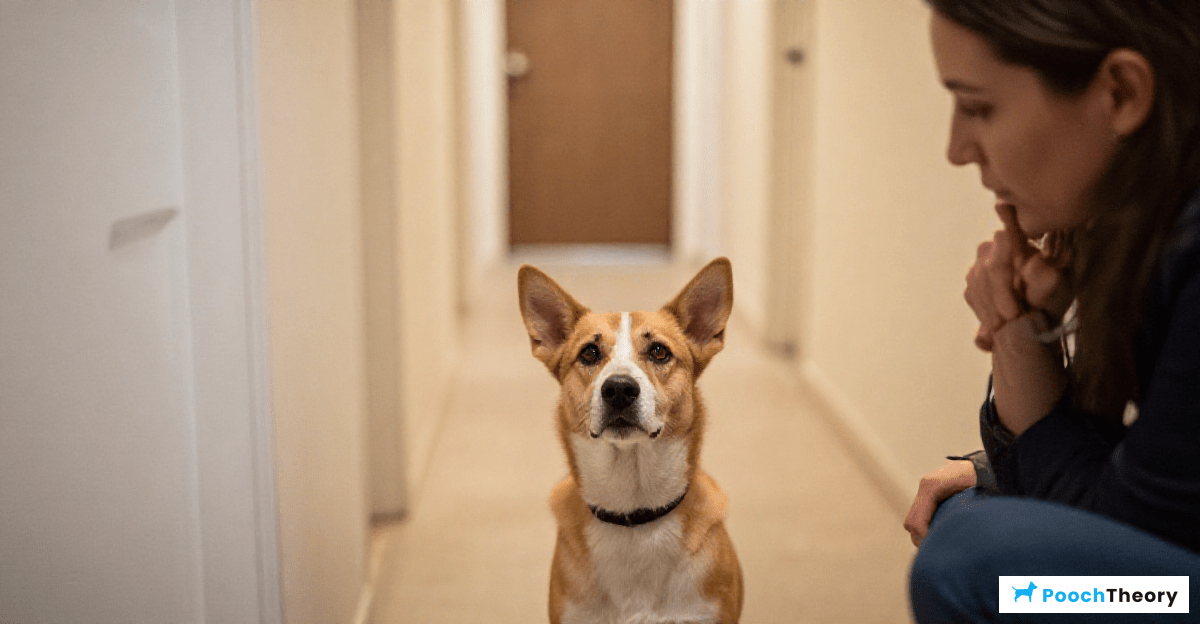
Identifying barking triggers in dogs is essential for addressing unwanted behavior effectively. To pinpoint what provokes your dog’s barking, consider these guidelines:
- Observe Specific Situations: Take note of when barking occurs. Is it triggered by doorbells, vehicles, or other animals? Keeping a detailed log of these occurrences will help spot patterns.
- Sound Associations: Some dogs develop irrational fears or barking reactions to specific sounds based on past experiences. For example, a dog may bark at the sound of cooking due to a frightening incident with a smoke detector years prior [Source].
- Identify Environmental Stimuli: Monitor your dog’s environment for potential triggers, which can provoke a response, such as seeing other dogs or hearing loud noises.
- Evaluate Behavioral Patterns: Assess your dog’s overall anxiety levels. Regular training that reinforces calm behaviors can help mitigate anxious barking [Source].
Training Techniques to Reduce Barking

Effective training techniques to reduce excessive barking at hallway noises focus on positive reinforcement and establishing structured routines. One approach is to practice desensitization training. This method involves exposing your dog to hallway noises at a low volume and rewarding calm behavior with treats or praise. Gradually increase the volume while reinforcing desirable quiet behavior, allowing dogs to become less reactive over time.
Counter-conditioning is another beneficial technique that changes your dog’s emotional response to the trigger. For example, if your dog barks at the sound of the mailman, associate that noise with something positive, like treats or playtime, whenever the mailman is nearby [Source].
Creating a Calm Environment

Creating a calm environment for your dog is essential in minimizing triggers that lead to excessive barking. Establishing a consistent routine reduces anxiety. Dogs thrive on predictability, and having a daily schedule for feeding, walks, and playtime is vital. Consistent training and routines help reinforce calm behavior, making it crucial to focus on rewarding desirable actions rather than punishing barking [Source].
Consider creating a peaceful space by minimizing environmental stressors, providing a quiet area, using calming scents like lavender, and engaging your dog with mental and physical activities, such as puzzle toys or regular walks. In addition, training should emphasize that calm behavior is rewarded, while barking is not a reliable way to gain attention.
When to Consult a Professional

Recognizing when to consult a professional trainer or behaviorist for persistent barking issues is crucial. Here are key indicators that may suggest it’s time for help:
- Excessive Barking: If your dog barks persistently beyond normal limits, it may signal underlying issues such as anxiety or territorial aggression [Source].
- Inability to Control Barking: If basic training methods fail, it’s prudent to contact a professional for tailored strategies.
- Behavior Change: Significant behavioral changes indicating threat responses may require professional guidance [Source].
- Companionship Impact: If barking negatively influences social dynamics, seek external help.
Conclusion

Addressing barking behaviors in dogs requires consistent training, understanding canine communication, and providing mental stimulation. Positive reinforcement strategies can transform excessive barking problems into opportunities for better communication with your pet. For additional insights on dog training, check out our comprehensive guide on dog training techniques.