


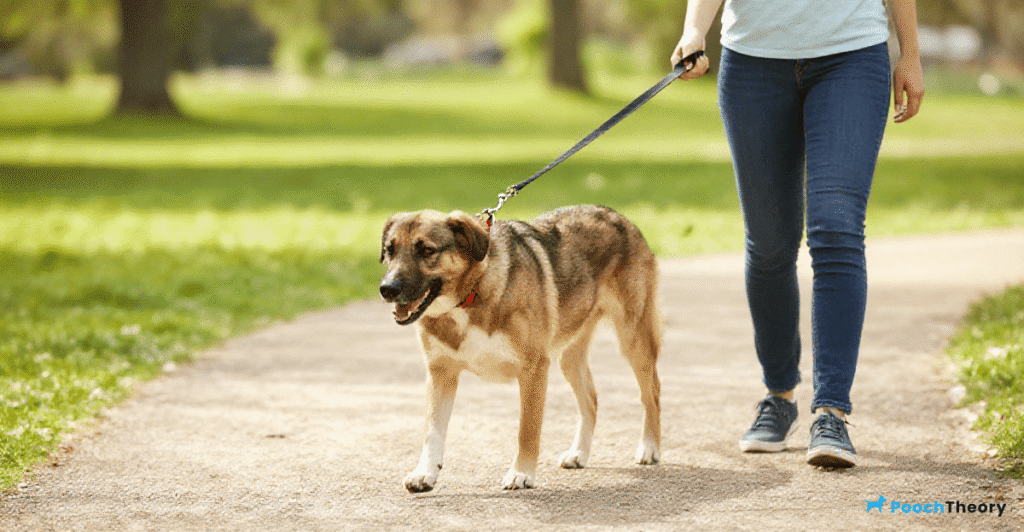
Understanding Loose Leash Walking
Teaching your dog to walk on a loose leash is essential for fostering a strong bond and ensuring a safe, enjoyable experience during walks. A loose leash promotes better behavior and enhances physical exercise, helping to reduce the risk of obesity and related health issues in both dogs and their owners. Research indicates that engaging in regular walking strengthens cardiovascular health and improves overall fitness levels, which is crucial for dogs as well [HuffPost].
Training your dog to walk without a prong collar can lead to a more positive experience for both pet and owner. Instead of relying on punitive measures that can cause stress or fear, focusing on positive reinforcement encourages desirable behaviors. Methods like clicker training or using treats can effectively teach loose leash walking, improving cooperation and reducing anxiety in dogs [Runner’s World].
Moreover, walking calmly on a leash helps dogs learn to navigate the world confidently. As they adapt to loose leash walking, they develop better social skills when encountering other dogs and people, greatly benefiting their emotional wellbeing [Eat This, Not That].
The Benefits of Loose Leash Walking
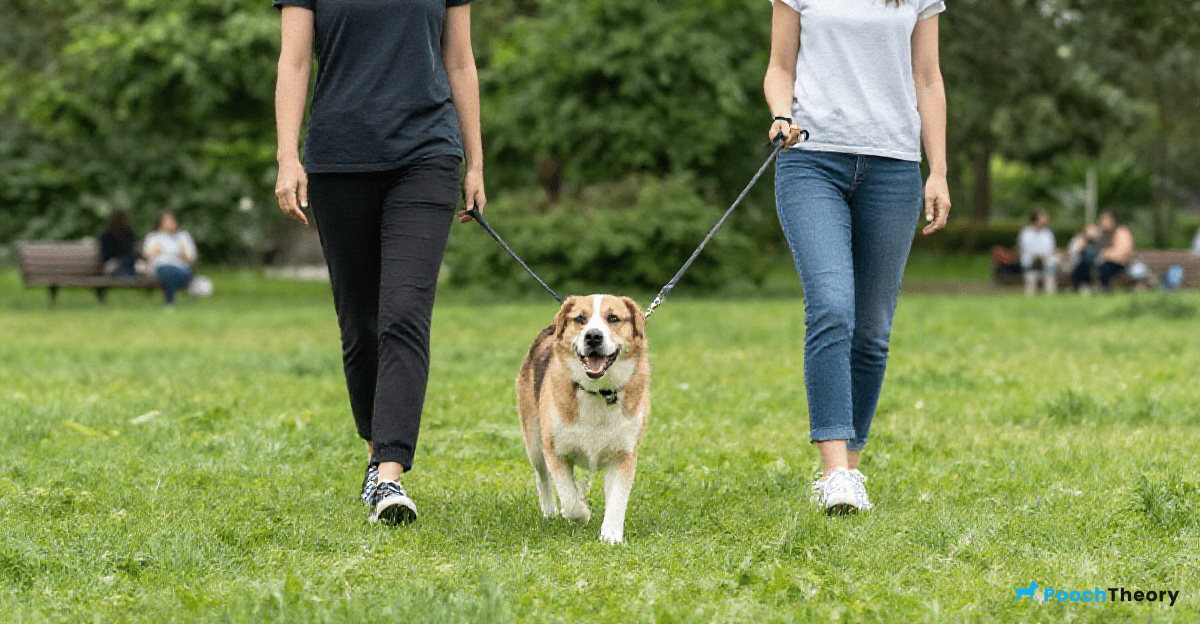

Loose leash walking is a training technique aimed at teaching dogs to walk beside their owners without pulling on the leash. This skill enhances communication, safety, and overall enjoyment during walks. When dogs learn to walk on a loose leash, they become more aware of their surroundings and less likely to react impulsively to distractions.
This mindfulness not only leads to a more manageable walk but also reduces the likelihood of encounters that can cause stress, such as sudden lunges toward other dogs or people. Additionally, loose leash walking enables owners to maintain better control over their dogs, enhancing safety in public spaces.
Moreover, practicing loose leash walking serves as a great physical and mental exercise for dogs. Engaging in structured walking helps channel their energy positively, reducing behavioral issues associated with pent-up energy. This skill fosters a stronger bond with pets, encouraging a sense of teamwork and mutual respect during walks. For further guidance on training techniques, see our effective training plans.
Essential Equipment for Dog Training
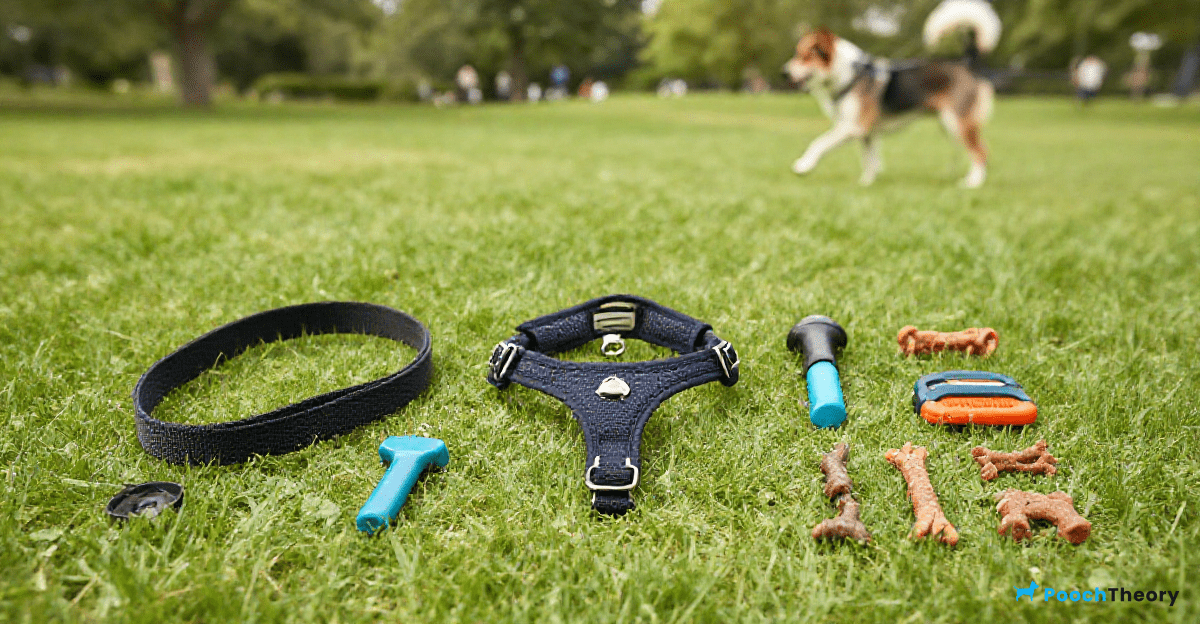
When preparing for dog training, having the right equipment is crucial for effective practices. Here are the essential tools you need:
- Leash: A sturdy nylon or leather leash is recommended. A standard length of 6 feet allows for better control during training. Avoid retractable leashes unless in safe, open areas.
- Collar: A flat collar or harness is needed for attaching your leash. Ensure it fits well, distributing pressure safely across the dog’s body.
- Training Treats: High-value treats that your dog loves are vital for positive reinforcement during training.
- Additional Tools: Consider items like a clicker, training pads, or crate supplies, but exclude aversive tools like prong collars that can harm your dog’s wellbeing [Pooch Theory].
Equipping yourself with the right tools facilitates successful training and establishes a trusting bond with your dog. Investing in quality gear enhances the experience for both you and your furry companion.
Basic Commands Every Dog Should Learn
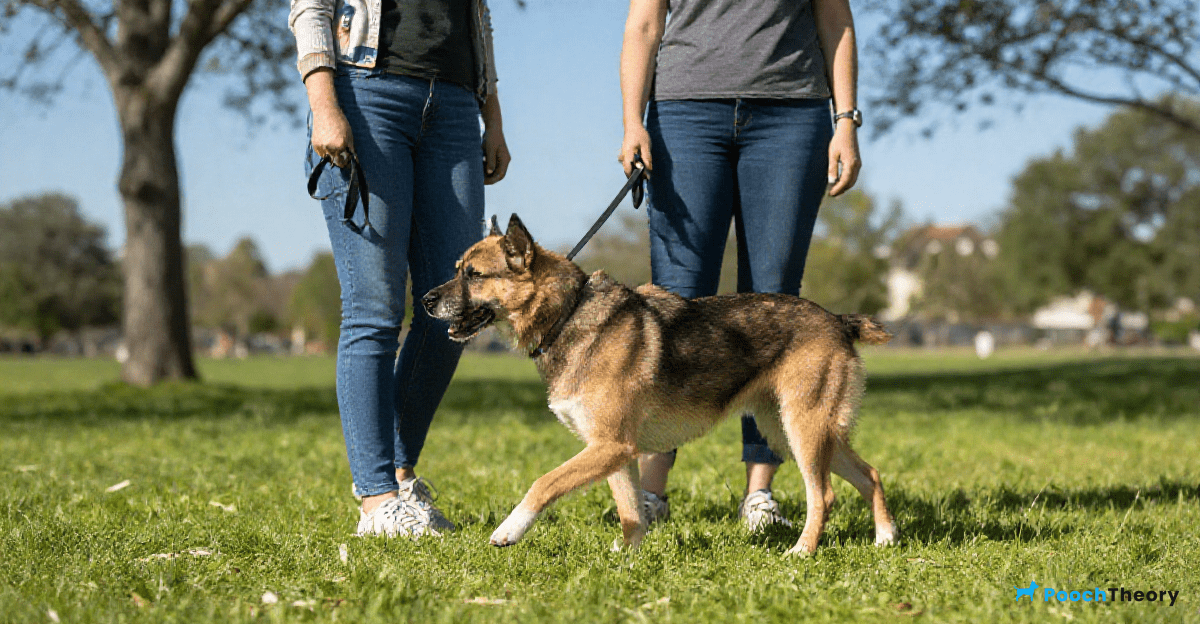
Basic commands are essential building blocks in dog training to establish clear communication. Here are three fundamental commands every dog should learn:
- Sit: This is often the first command taught to puppies, promoting good behavior. To teach “sit,” hold a treat above your dog’s head, moving it back towards their tail. Once they’re sitting, reward them.
- Stay: This command ensures your dog remains in place until released. Teach it by having your dog sit, standing a few feet away and saying “stay,” gradually increasing distance and duration before rewarding.
- Come: This command is essential for calling your dog back to you. Use a cheerful tone while backing away to encourage them to follow, rewarding them upon their return.
Incorporating these basic commands improves your dog’s safety and behavior. For more tips on effective training methods, check out our guide on the ultimate training techniques.
Positive Reinforcement in Loose Leash Walking
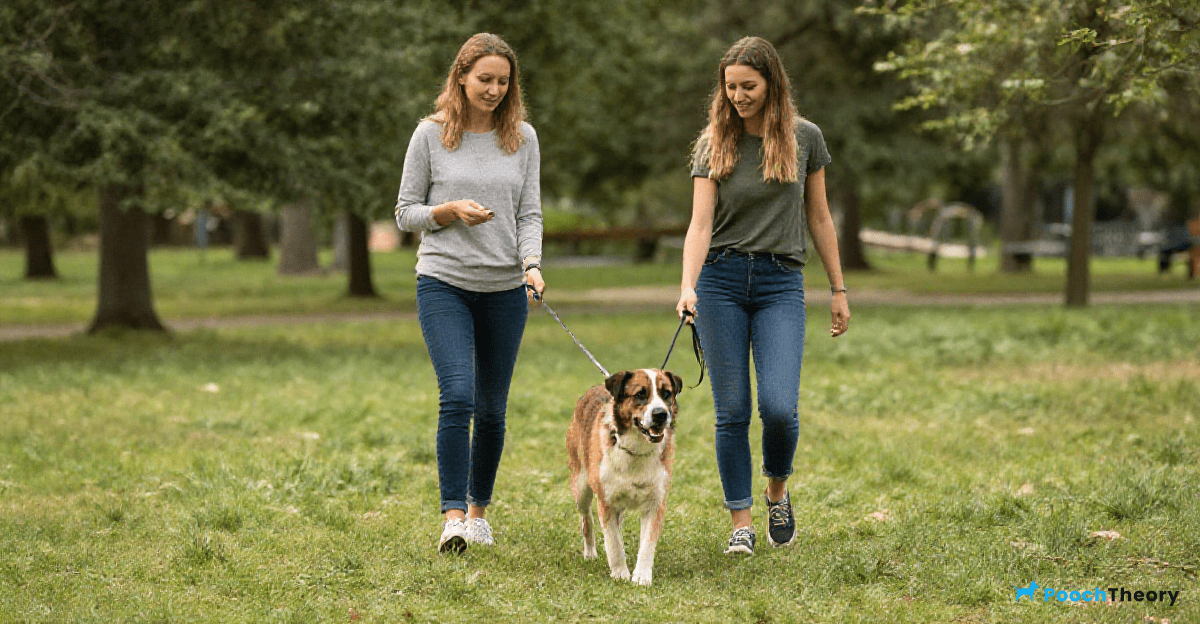
Incorporating positive reinforcement techniques can significantly enhance loose leash walking. By utilizing rewards and praise, owners can effectively train their pets to walk without pulling. Start by selecting high-value rewards like treats or toys. Reward your dog whenever they walk nicely beside you, associating this behavior with positive outcomes [Pooch Theory].
Incorporate short training sessions during walks. Stop and reward your dog walking at your side. If they pull, change direction to regain focus, helping your dog realize that staying close results in continued progress and rewards. Being consistent and patient leads to better leash manners over time.
Conducting Effective Practice Sessions
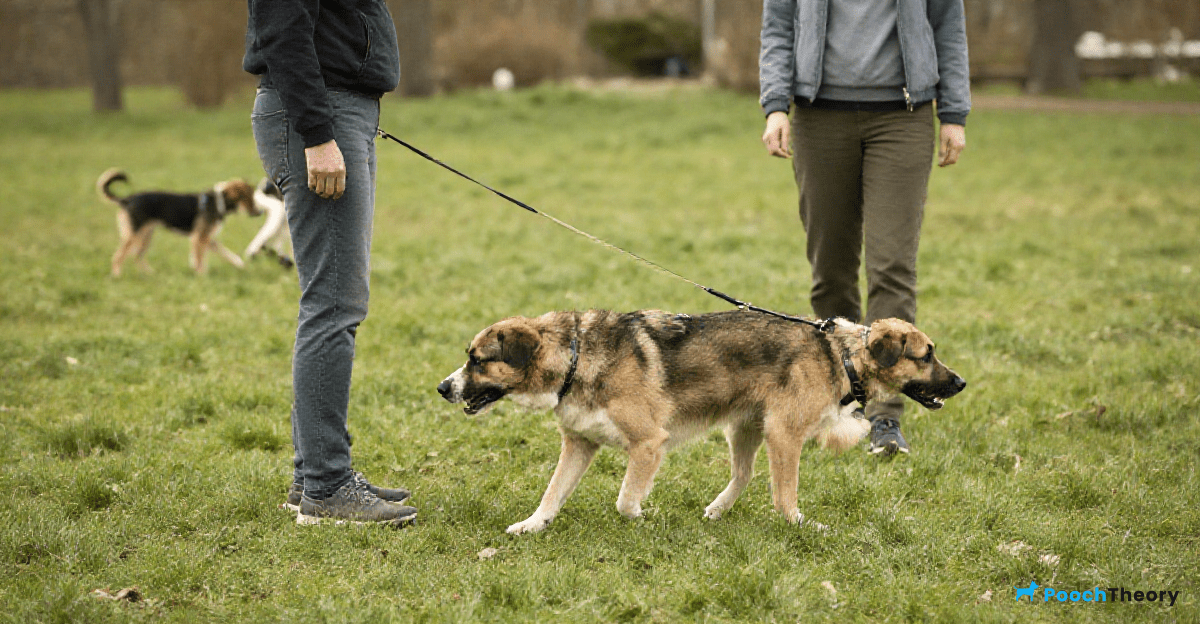
Effective practice sessions are crucial for successful dog training. The optimal duration should typically range from 5 to 15 minutes, depending on your dog’s age and attention span. For puppies, shorter sessions are advisable; adult dogs may engage effectively for longer periods. Consistent, short practice times help maintain focus and prevent frustration [Women’s Health].
Frequency is important; aim for daily practice, as regular engagement fosters better retention of learned behaviors. If daily sessions are not possible, strive for at least 3-5 sessions weekly, incorporating various commands to keep your dog mentally stimulated. Timing your sessions is also key; dogs perform better when not too tired or overly excited.
Common Challenges in Dog Training
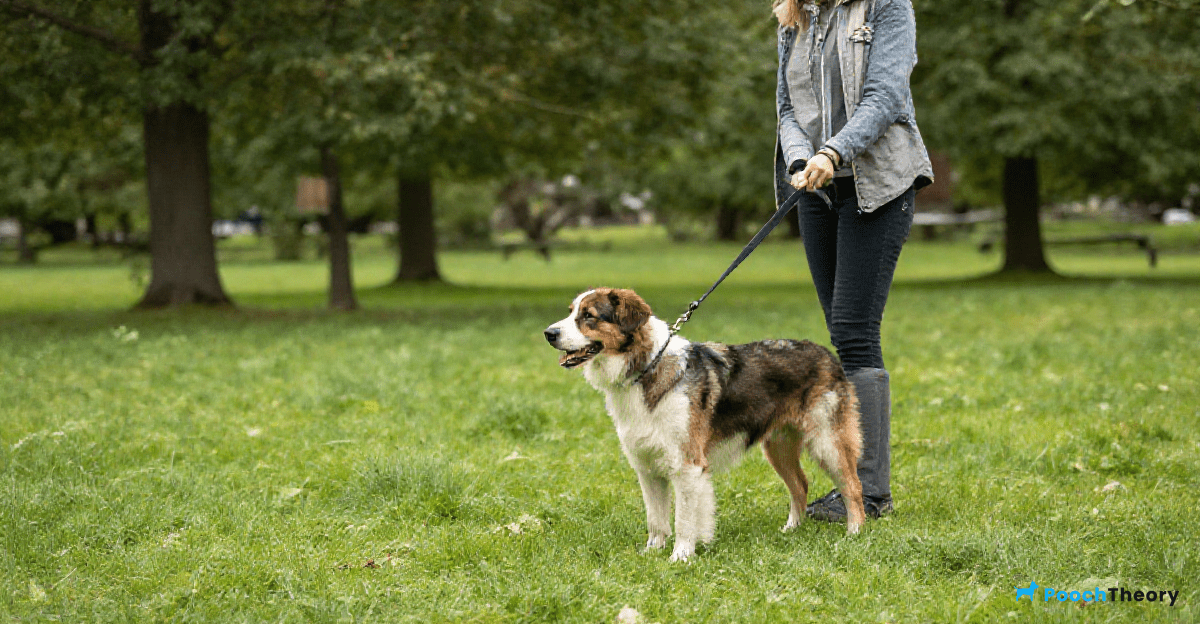
Training a dog often presents unique challenges. Here are some common issues trainers face and effective solutions:
- Behavioral Problems: Issues like excessive barking or aggression can stem from unmet exercise needs. Establish a consistent training routine and provide regular exercise for improvement [Newsweek].
- Poor Owner Expectations: Unrealistic expectations can lead to frustrations. Educating oneself about normal canine behavior can help set realistic training goals [Newsweek].
- Inconsistent Training Methods: Ensure all family members use the same commands to avoid confusing the dog. Reinforcing basic commands regularly is also important.
- Lack of Socialization: Gradually expose your dog to new environments, people, and other animals to prevent fear-based behaviors. For tips, refer to our article on how to socialize a dog.
Conclusion
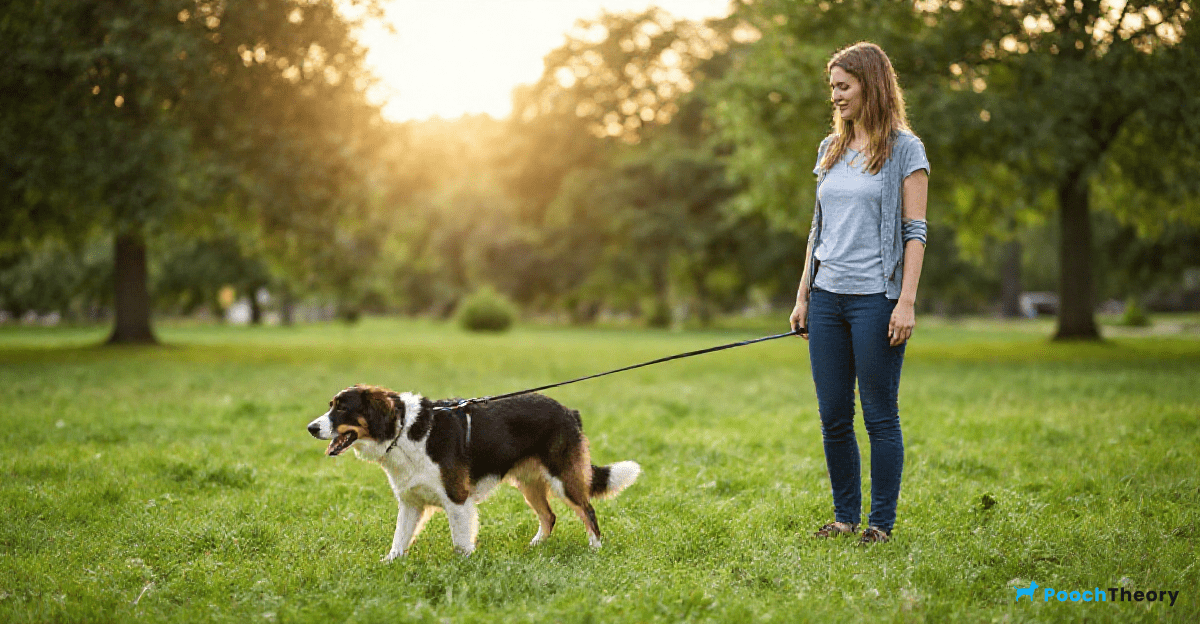
Successful dog training relies on persistence and patience. It’s crucial to recognize that every dog learns at their own pace, and building a strong bond takes time. Reinforcing positive behaviors through consistent routines fosters a healthy relationship and effective learning. Celebrate small victories throughout the training journey, as these contribute to long-term success.
For more insights, explore our Ultimate Guide to Dog Training or learn about loose leash walking training plans tailored for reactive dogs.
Sources
- Eat This, Not That – Daily Walking Tricks To Slim Your Waist After 50
- HuffPost – Preventing Heart Disease: The Benefits of Walking
- Newsweek – Labrador Mix Returned To Shelter Twice Looking For A Home
- Runner’s World – Japanese Walking Intervals
- Pooch Theory – Ultimate Guide to Dog Training Home Tips & Techniques