


Understanding Impulse Control in Dogs
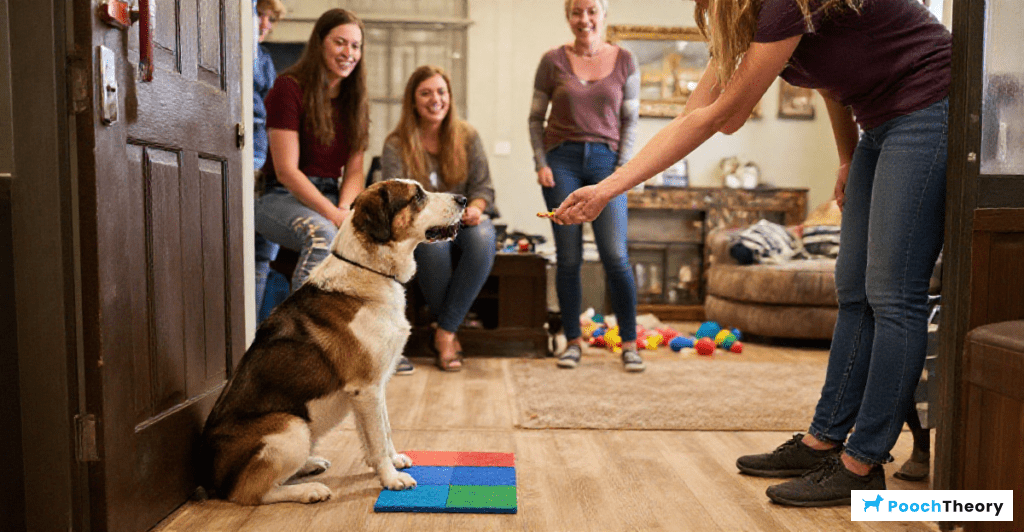
Impulse control is crucial for dogs, particularly those who exhibit behaviors like jumping on guests. This behavior can be disruptive and uncomfortable for visitors, and a lack of impulse control often signifies broader issues in training. Teaching dogs to remain calm and composed in the presence of guests not only protects personal space but also fosters a more pleasant home environment. The ability to manage excitement is inherently linked to a dog’s overall behavior and well-being. Dogs that learn to control their impulses tend to exhibit improved social skills, leading to more enjoyable interactions with both humans and other pets.
Techniques such as positive reinforcement training can be particularly effective. For instance, rewarding a dog for remaining in a sit or down position while guests enter can help them associate these calm behaviors with praise and treats. Creating an inviting atmosphere starts with instilling appropriate behaviors. This approach not only sets a good example for guests but also nurtures a dog’s emotional health, ensuring they’re happy and well-adjusted members of the family. For further insights on training techniques, explore the ultimate guide to dog training and effective loose leash walking training.
Why Dogs Jump on Guests
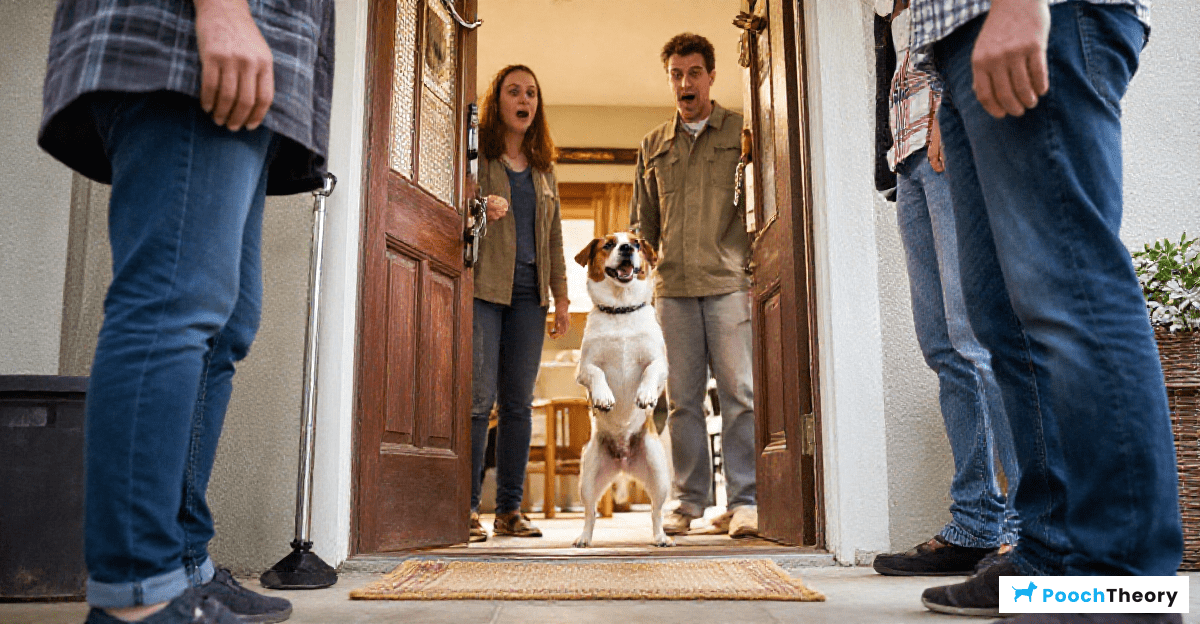

Dogs often exhibit jumping behavior when greeted by guests due to a combination of instinctual and learned responses. This enthusiastic greeting mechanism can be largely attributed to a dog’s social nature and their desire for attention. When dogs see a guest, they may jump as a way to welcome them and gauge their interest. This behavior is common in breeds known for their friendly dispositions, such as Golden Retrievers, who may view visitors as part of their play or social group [Source].
Additionally, jumping can be a learned behavior where dogs receive positive reinforcement from the attention they garner each time they leap onto someone. If guests respond by petting or greeting the dog after it jumps, the behavior is effectively rewarded, increasing its frequency [Source]. It is essential to note that for some dogs, jumping is a sign of excitement and a way to express their joy at meeting new people. To mitigate this behavior, training strategies such as teaching sit commands or rewarding calm behavior can be very effective [Source].
Engaging in Impulse Control Games
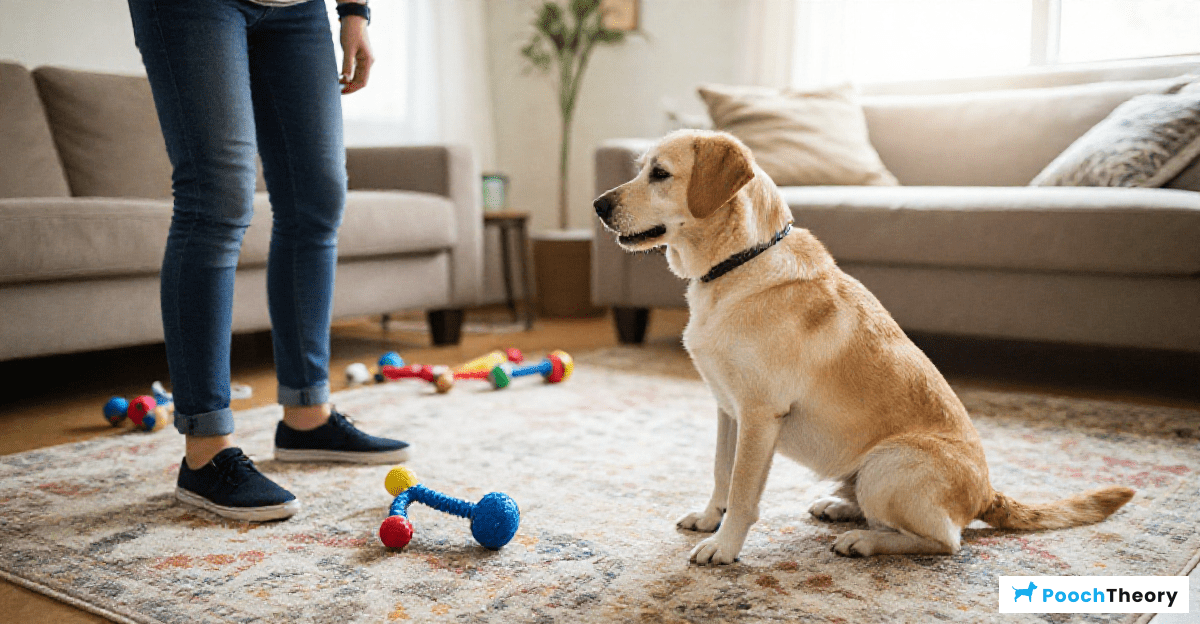
Impulse control is crucial for dogs as it helps them manage their behavior, leading to a happier and more harmonious relationship with their owners. Engaging in impulse control games not only enhances their obedience but also reduces anxiety and prevents behavioral issues.
Several activities can effectively improve a dog’s impulse control. Simple games like “Leave It” encourage dogs to resist temptation and wait for permission to approach a treat or toy. This game challenges their self-control and teaches them patience. Additionally, using interactive toys that dispense treats when the dog interacts appropriately reinforces desired behaviors. Another popular activity is the “Wait” command, where dogs learn to hold their position until released, thus reinforcing impulse control in various situations, such as during meal times or at doorways.
Improving impulse control through play can lead to a well-adjusted dog. Engaged and happy dogs are often less likely to exhibit behavioral issues associated with anxiety or impulsiveness. By investing time in impulse control training games, owners can foster a positive and rewarding environment for their furry friends. For more insights into effective dog training techniques, visit our comprehensive guides on dog training techniques and positive reinforcement alternatives.
Mastering the ‘Sit’ Command
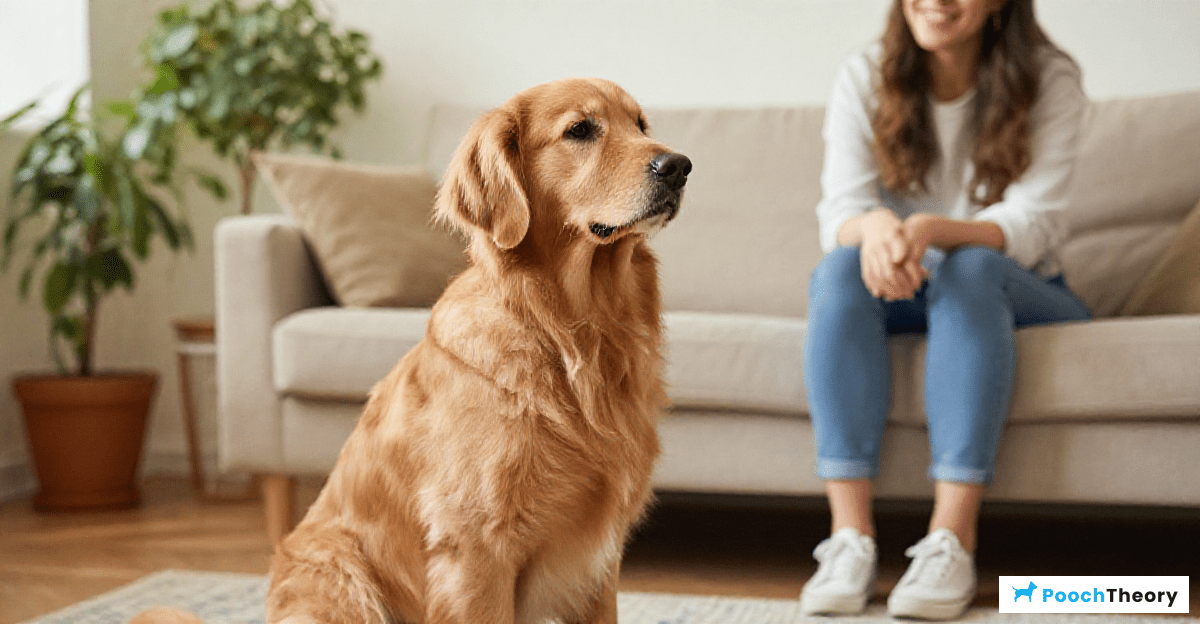
Teaching the ‘sit’ command is a foundational skill that can significantly curb undesirable jumping behavior in dogs. By requiring a dog to sit, it transforms their eager energy into a calm, controlled stance. This not only dissuades them from jumping but also instills discipline and structure in their behavior.
The technique for teaching this command is straightforward. Start by holding a treat close to your dog’s nose. Gradually move your hand upwards, allowing their head to follow the treat while their bottom lowers to the ground. Once they are in a sitting position, praise them and give the treat. Consistent practice, ideally in short sessions, reinforces this behavior. As outlined in the Ultimate Guide to Dog Training, repetition is key, and using positive reinforcement encourages quick learning.
Moreover, research supports the effectiveness of such commands. According to a study, teaching dogs action commands, including ‘sit,’ helps them understand desirable behaviors better as they adjust their interactions with their environment and humans more appropriately [Source]. The ‘sit’ command provides a method to prevent jumping and serves as a gateway to teaching more complex commands.
Training the ‘Stay’ Command
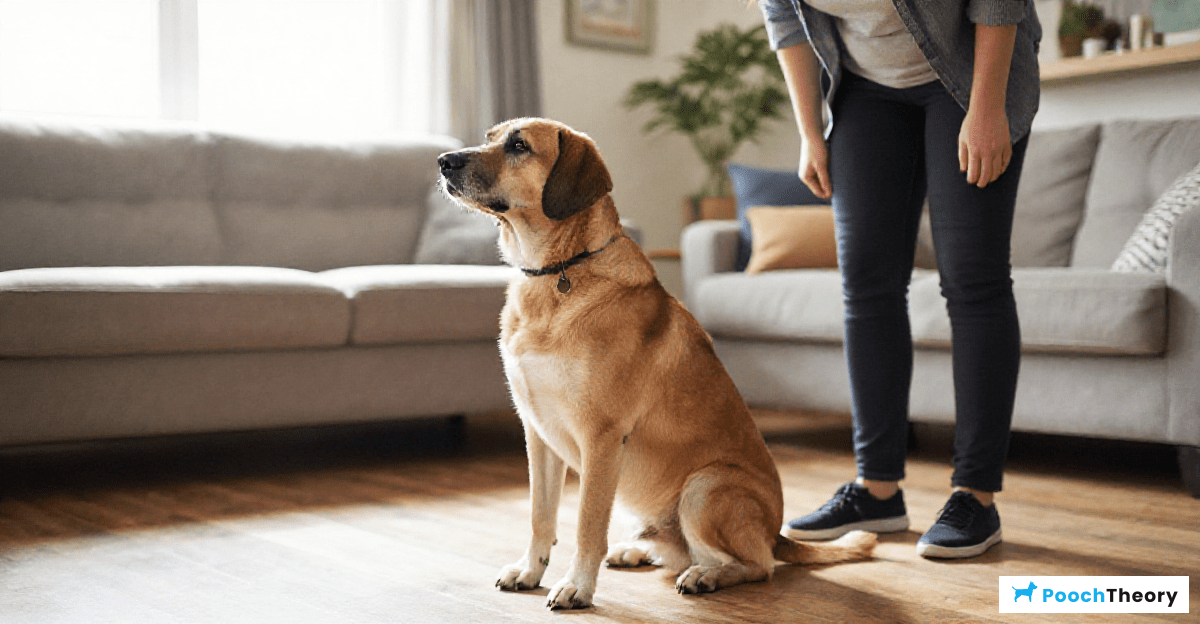
To teach your dog the ‘stay’ command and enhance self-control, follow these structured steps:
- Start with Basic Commands: Ensure that your dog is familiar with basic commands like “sit” or “down.”
- Choose the Right Environment: Select a quiet space with minimal distractions to begin training.
- Introduce the ‘Stay’ Command:
Ask your dog to sit or lie down. With your palm facing your dog, say “stay” in a firm but calm voice. Take a single step back, and if your dog remains in position, immediately return and reward them with a treat and praise. - Gradually Increase Distance and Duration:
As your dog masters staying for a few seconds, gradually increase the distance and duration before rewarding. - Use Visual Cues: Incorporate visual cues alongside verbal commands for clarity.
- Add Distractions: Introduce mild distractions once your dog reliably stays in place.
- Practice Regularly: Consistency is essential for reinforcing the ‘stay’ command.
- Generalize the Command: Practice in different locations and with various people.
By engaging in regular practice using these structured steps, your dog’s self-control will develop significantly, making outings and training sessions more enjoyable. For additional tips on similar commands, check out our ultimate guide to dog training.
The ‘Leave It’ Game
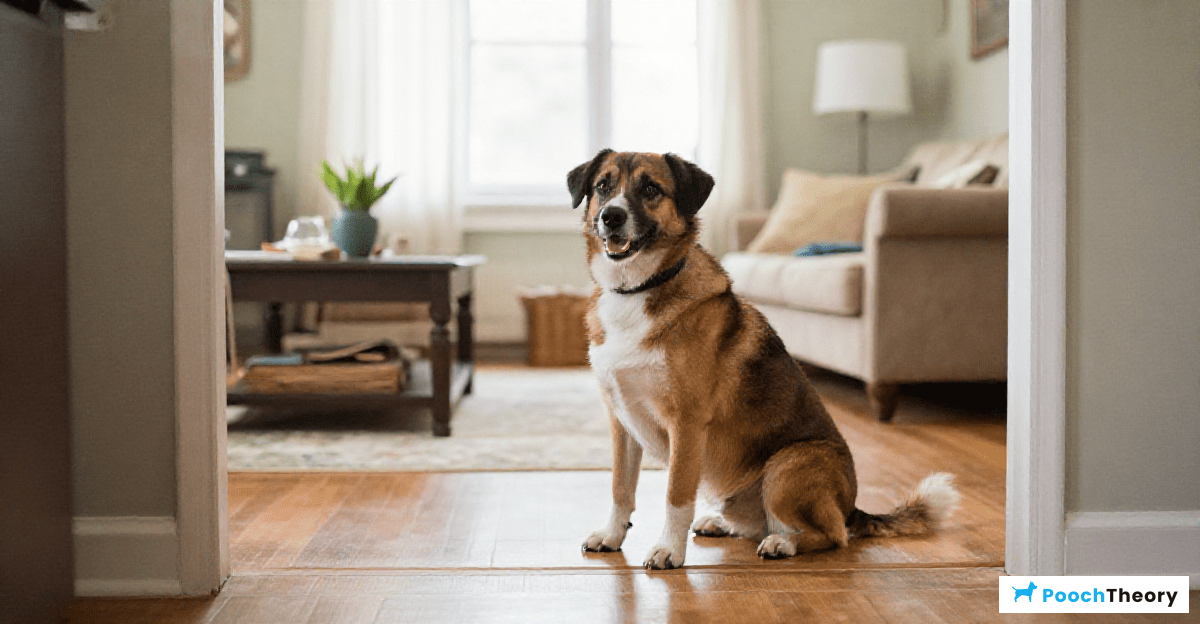
The ‘Leave It’ game is an essential exercise for every dog owner aiming to teach their furry friends to ignore distractions. This game reinforces impulse control while helping prevent unwanted behaviors, making it a valuable addition to your dog training routine.
Gather some high-value treats for your dog for maximum engagement. Begin in a quiet environment and show the treat while saying “leave it.” When your dog disregards the treat and looks at you or backs away, offer them a different treat as a reward. Gradually increase the difficulty by encouraging them to leave treats on the floor.
This game significantly enhances your dog’s self-control. Training not only refines behavior but strengthens the bond between you and your dog, leading to a happier household. The skill of ignoring distractions can enhance your dog’s socialization with other pets and people, allowing them to feel more at ease in social situations.
For more effective training techniques, consider exploring the ultimate guide to dog training.
The “Four on the Floor” Game
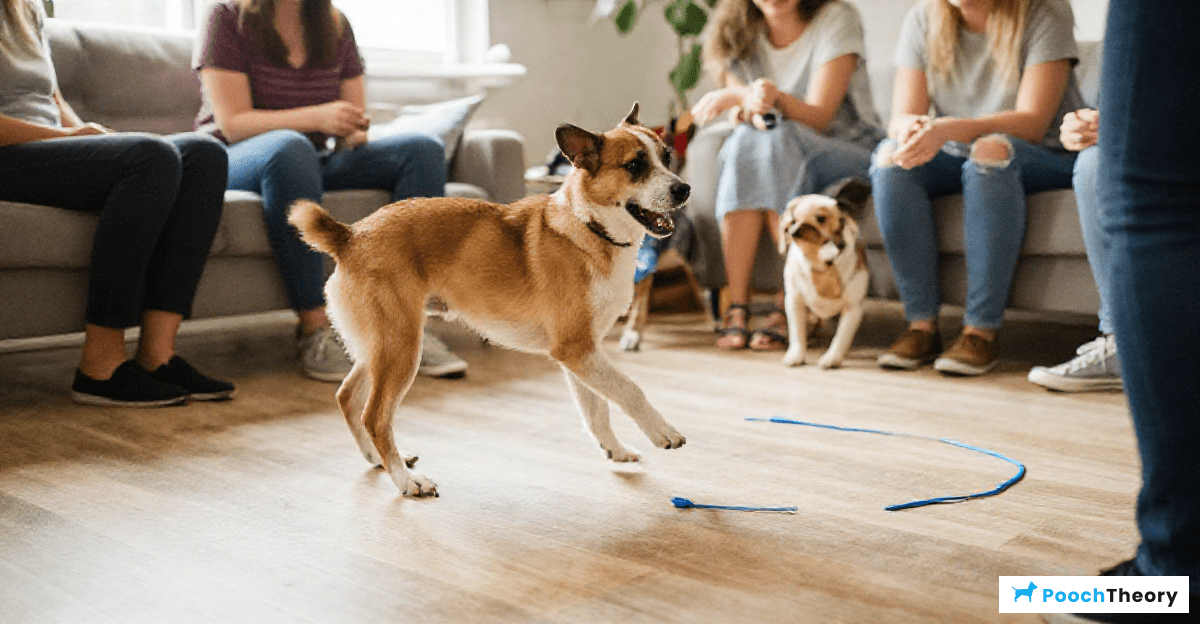
The “Four on the Floor” game is a delightful training exercise that encourages dogs to keep all four paws on the ground, promoting calm behavior and reducing jumping. This game is beneficial for dogs that tend to leap at humans or other pets, as it teaches them to remain grounded.
Begin by getting your dog’s attention while standing still. As your dog approaches you, offer a treat when all four paws are on the ground. If your dog jumps, simply turn away and stop interacting until they settle again. Practicing this during various scenarios—like when guests arrive at home—can significantly help in curtailing unwanted jumping habits.
Not only does the “Four on the Floor” game keep your dog calm, but it also engages their mind. Training involving tricks can contribute to a more fulfilled pet. Incorporating games into training routines makes learning enjoyable for both you and your dog. The notion of using positive reinforcement techniques aligns with modern training philosophies that emphasize building a healthy bond between the dog and their owner [Source].
Establishing Consistency in Training
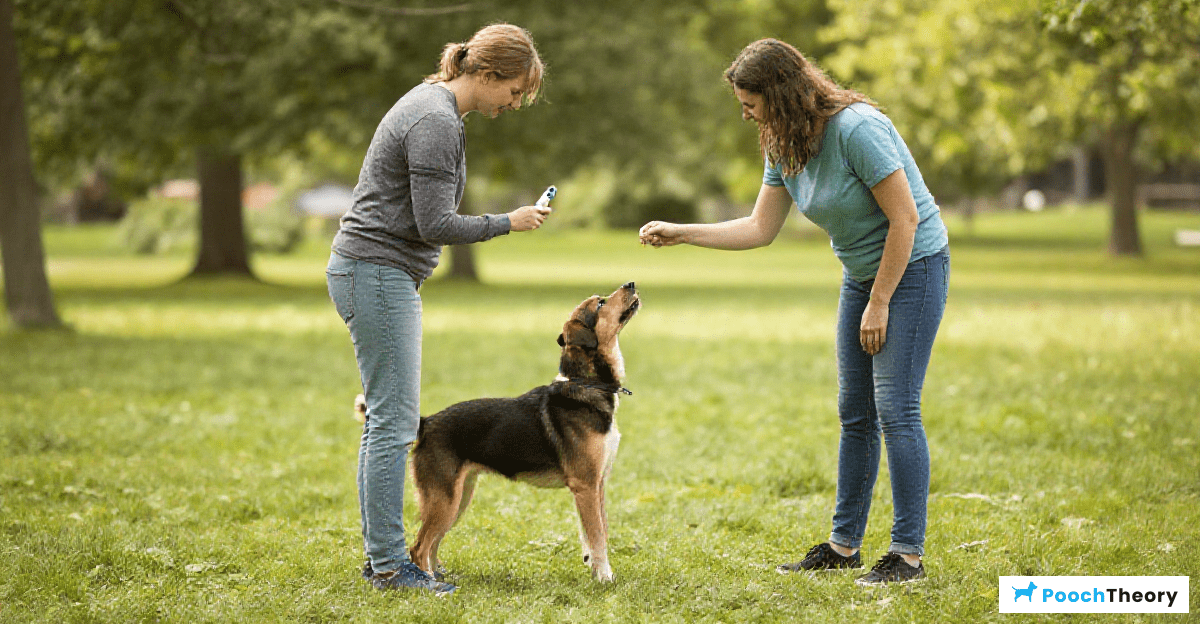
To maintain consistency in dog training and effectively reinforce good behavior, it’s crucial to establish clear routines and use positive reinforcement strategies. Consistency helps dogs understand what is expected of them, reducing confusion. Aim to conduct training sessions daily, keeping skills fresh. Dogs thrive on repetition, which solidifies their learning and increases their confidence.
Using positive reinforcement is essential when your dog displays desired behaviors. A study indicates that dogs can learn new commands effectively through reinforcement [Source]. Pairing training with healthy interactions, like walks or playtime, can reinforce good behavior in various contexts.
Avoiding punitive measures and focusing on reward-based approaches alleviates anxiety and fosters trust between you and your pet. For more on effective training techniques, check out our guide on training techniques.
Patience and Perseverance in Dog Training
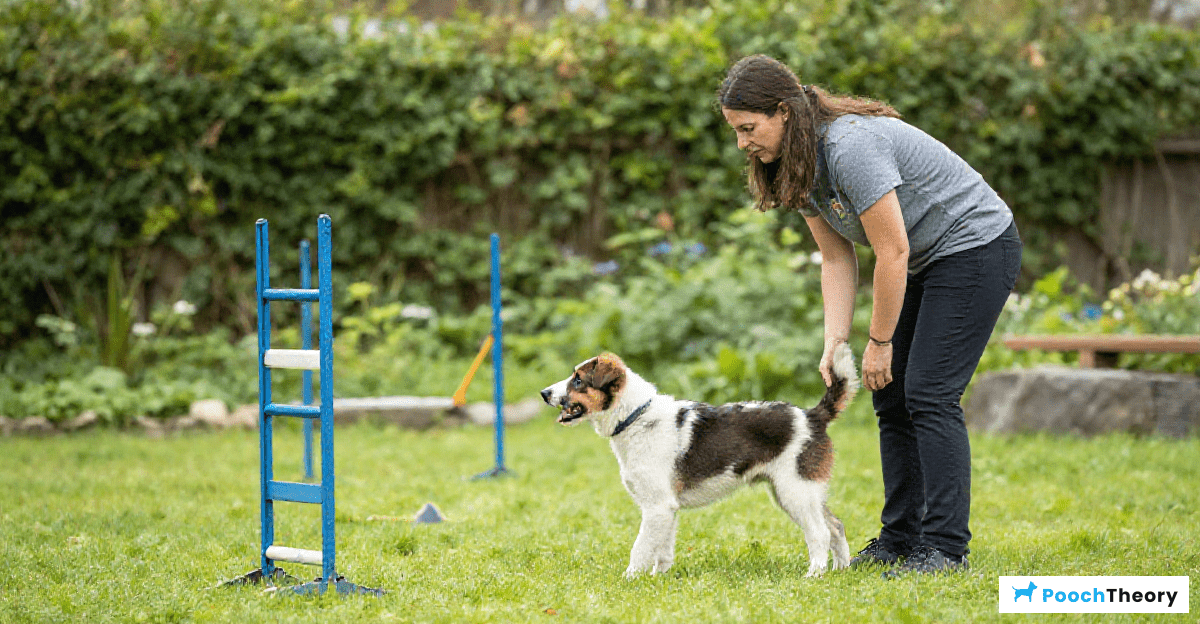
Training a dog requires not just knowledge of effective techniques, such as positive reinforcement and consistency, but also significant amounts of patience and perseverance. These qualities are essential for both dogs and their trainers, as the learning process can be slow and often filled with setbacks.
As noted in a recent article, having realistic expectations and understanding that dogs require time to grasp new concepts can significantly reduce frustration [Forbes]. Patience allows trainers to foster a calm environment where dogs can learn without pressure. Furthermore, the commitment to consistent training sessions—repeated over time—highlights the necessity of perseverance.
Incorporating patience and perseverance into training routines encourages ongoing improvement. Those embarking on dog training should cultivate these virtues to pave the way for success. For more tips on effective dog training strategies, consider exploring our guides such as the Ultimate Guide to Dog Training.
Sources
- Forbes – 5 Ways to Make Your Dog Happier This Year
- Greenwich Time – Some Gifted Dogs Can Learn New Toy Names by Watching Their Owners
- Yahoo – Video of Golden Retriever Reveals Unique Rule About Jumping
- Pooch Theory – How to Socialize a Dog
- Pooch Theory – Positive Reinforcement Alternatives to Shock Collars for Barking
- Pooch Theory – Ultimate Guide to Dog Training
- Pooch Theory – Effective Loose Leash Walking Training Plan for Reactive Dogs
- Pooch Theory – Socializing Your Dog
- Pooch Theory – Managing Puppy Behavior
- Pooch Theory – Step-by-Step Dog Training Games for Kids