


Understanding Resource Guarding in Dogs
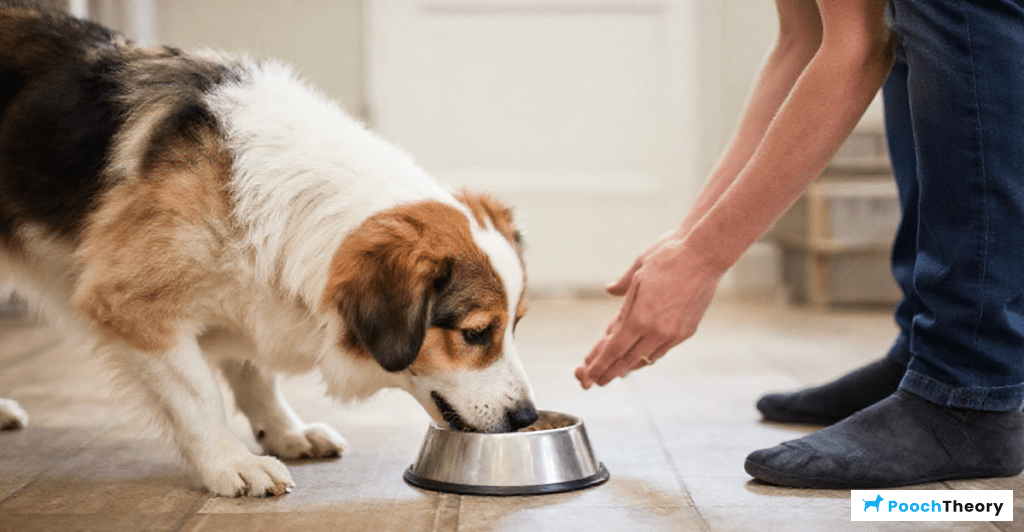
Resource guarding in dogs refers to the behavior where a dog protects specific items or areas they consider valuable, often leading to anxiety-driven actions. This behavior is notably common with food but can extend to toys, bedding, or even specific people. Understanding the underlying reasons for resource guarding, particularly concerning food, is essential for addressing and managing this behavior.
Dogs may develop resource guarding due to various factors, including past trauma, lack of socialization, or instinctual behaviors. For example, a rescue dog may display extreme guarding tendencies, protecting food as a means of ensuring their survival after previously facing scarcity or instability. As highlighted in cases like that of a senior rescue dog named Duke, whose resource guarding behaviors stemmed from prior experiences and are deeply ingrained, even professional intervention may be necessary for long-term management (Newsweek).
Employing Non-Punitive Methods
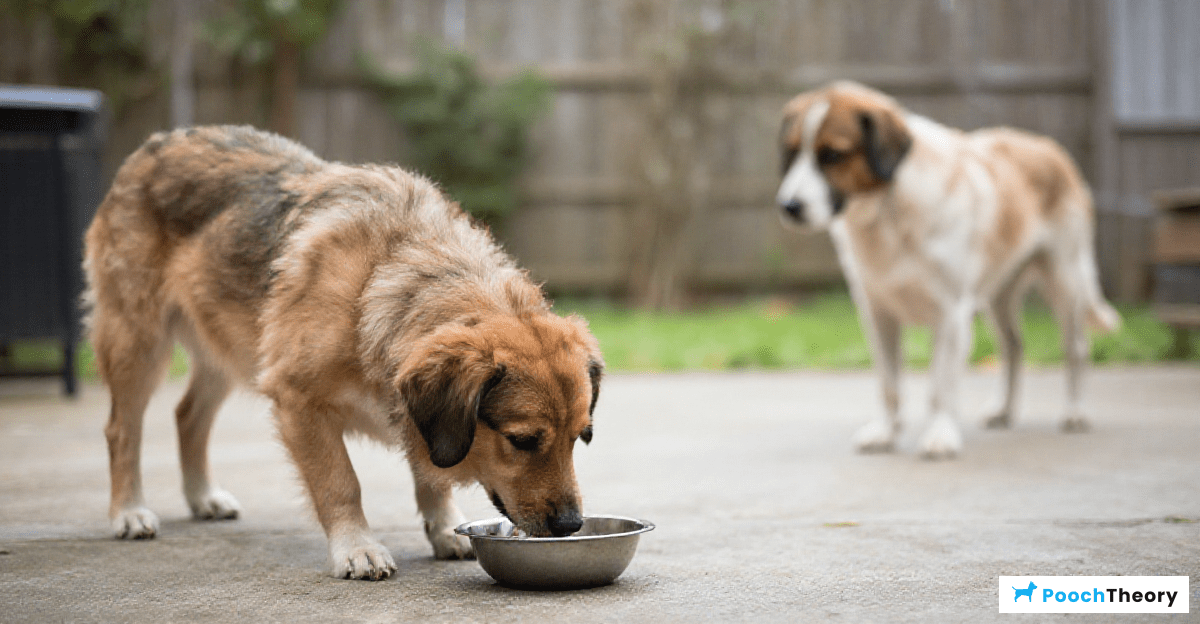

Employing non-punitive methods to address resource guarding in dogs is essential for fostering a safe and trusting environment. Resource guarding, which occurs when dogs protect items they perceive as theirs, often stems from fear, anxiety, or past instability. Dogs like Duke, a rescue who exhibited intense guarding behaviors over objects, demonstrate that this issue is often deeply ingrained and linked to their history of insecurity (Newsweek).
Non-punitive approaches, such as positive reinforcement, can effectively modify these behaviors without exacerbating fear or anxiety. While punitive methods might suppress the behavior temporarily, they can lead to increased aggression or avoidance, as dogs may feel more threatened in their home environments (Pooch Theory).
Recognizing Body Language Indicators
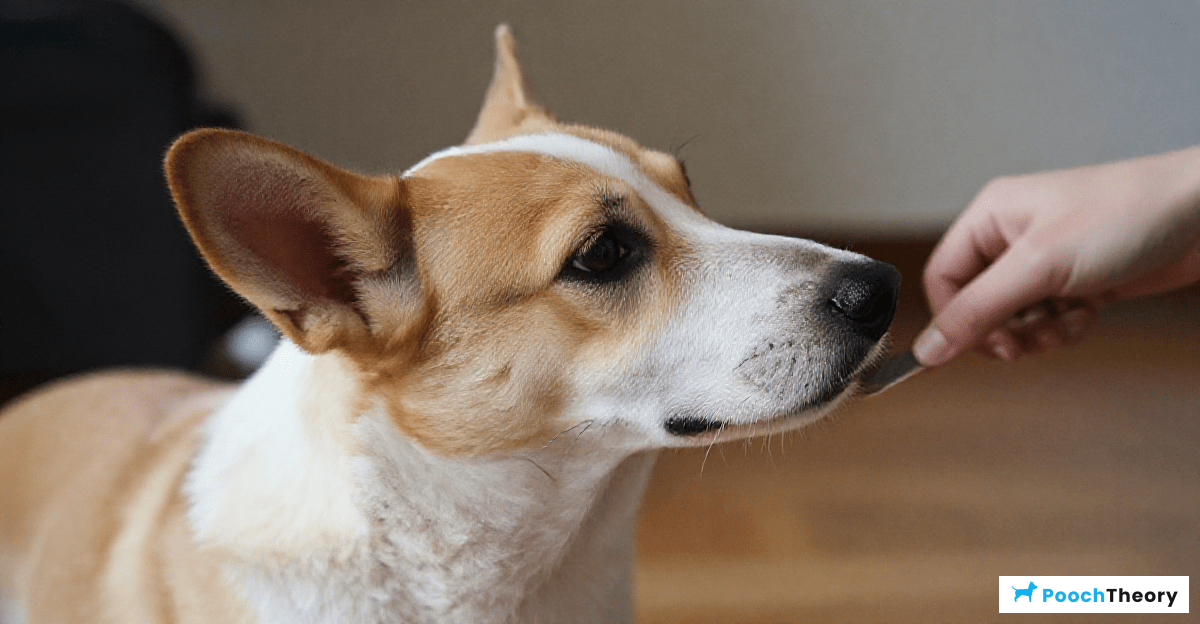
Resource guarding in dogs is characterized by behaviors that signal their intent to protect items they value, which can include food, toys, or even locations. Identifying the signs of this behavior can prevent potential conflicts and ensure safety for both dogs and their owners.
- Stiff Body Posture: A tense, rigid body indicates a dog preparing to defend a resource.
- Growling or Snapping: Vocalizations serve as warning signals when someone approaches their food bowl or toy, indicating resource guarding.
- Possessive Stance: Dogs may adopt a position blocking access to their resource, often sitting or lying over it.
- Intense Focus: A dog that obsessively fixates on an item may be guarding it.
Understanding these signs is crucial for handlers, especially in multi-dog households or when introducing new pets. For techniques to manage resource guarding behavior, check out our article on effective management strategies.
Creating a Secure Environment for Sharing
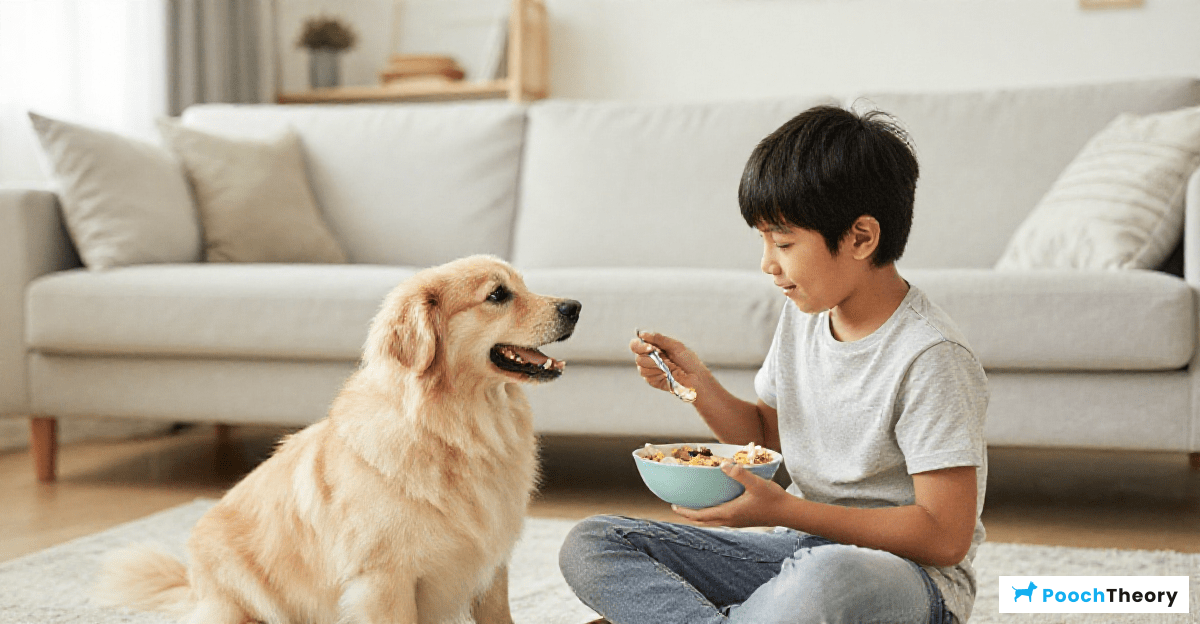
Creating a secure environment for your dog, where they feel comfortable sharing food, involves thoughtful consideration of their space, routine, and social interactions. Here are several tips to help you foster this safe space:
- Establish a Designated Feeding Area: This helps reinforce their understanding that this is their safe zone during meal times.
- Use Baby Gates for Safety: These physical barriers can reduce stress and potential food guarding behaviors.
- Incorporate Positive Reinforcement: Reward calm behavior around their food with treats or praise to reshape feelings about sharing.
- Monitor Body Language: Recognizing stress or discomfort can prompt necessary intervention.
- Create a Comforting Atmosphere: Minimize noise and provide comfortable seating to enhance feeding security.
For more detailed guidance on dog behavior and training techniques, check out our article on how to socialize a dog.
Gradual Desensitization Techniques
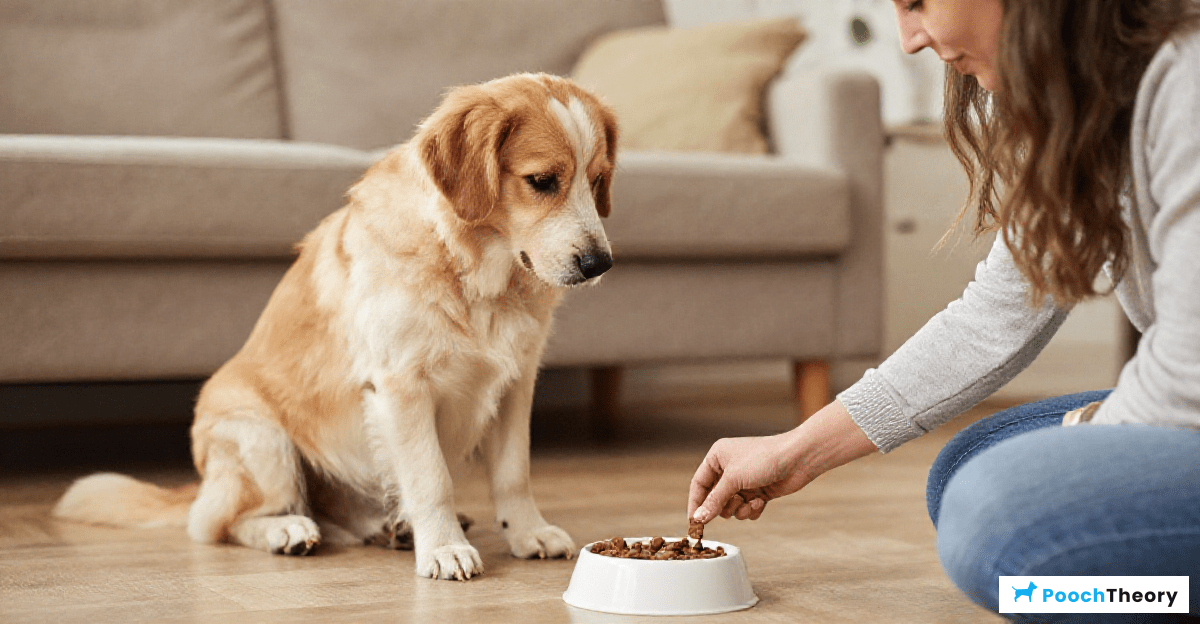
Gradual desensitization techniques can effectively help your dog become comfortable with your presence around their food, reducing anxiety and inappropriate behaviors like resource guarding. Here are some methods to consider:
- Start from a Distance: Gradually reduce the distance as your dog adjusts, rewarding calm behavior along the way.
- Introduce Positive Reinforcement: Toss treats near their bowl to create a positive association with your presence.
- Use Controlled Feeding Times: Introduce mild distractions consistently to help them get used to you being near.
- Practice Commands: Teach basic commands like “leave it” to help your dog feel safe around food.
- Seek Professional Guidance: If severe behaviors arise, consider a trainer specializing in positive reinforcement.
For additional insights into dog training strategies, refer to our guide on positive reinforcement alternatives.
The Role of Positive Reinforcement in Feeding

Using positive reinforcement during feeding can significantly enhance your dog’s behavior. By incorporating treats and praise, you can effectively encourage positive actions and create a more enjoyable feeding experience.
To implement this approach, start by choosing high-value treats that your dog loves. Reward calm behavior such as sitting patiently during mealtime with immediate treats and verbal praise (“good” or “yes”). Consistency is fundamental to success, as detailed in our article on creating routines around training.
Implementing Structured Feeding Practices
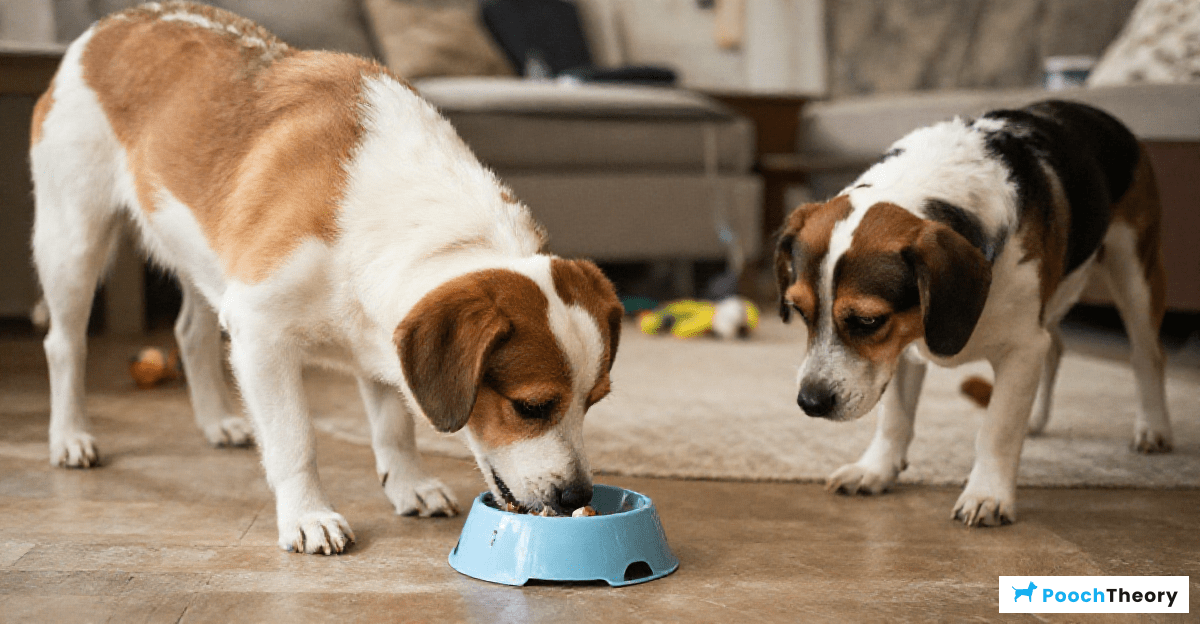
Implementing structured feeding practices can considerably reduce food-related anxiety and promote a sense of security. Establishing consistent feeding times allows dogs to know when their meals will be provided, mitigating stress.
- Create a Calming Environment: Designate a quiet area for meals, free from distractions.
- Use Slow Feeding Techniques: These make mealtime less rushed, allowing dogs to focus on eating calmly.
- Introduce Food Puzzles: Engage dogs mentally during meals, promoting a sense of accomplishment.
- Incorporate Positive Reinforcement: Reward calm behavior during meals to reinforce peaceful interactions.
To learn more about how to implement structured feeding and other techniques to improve your dog’s behaviors, visit our article on dog training techniques.
Building Trust with Your Dog
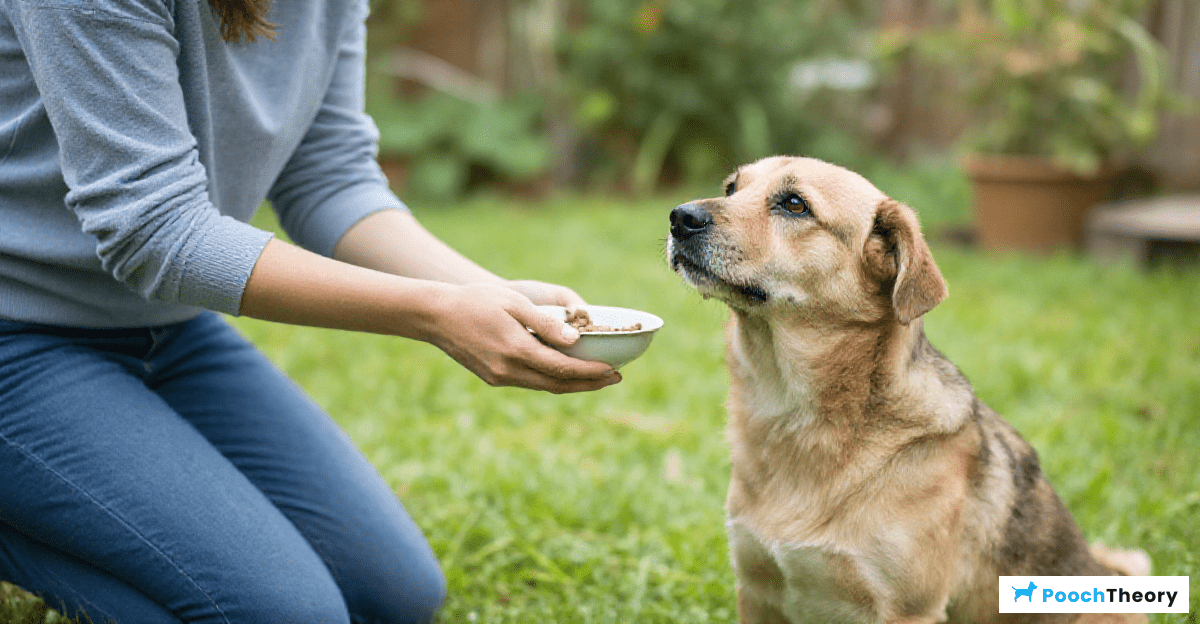
Building trust with your dog is essential to fostering a strong bond and reducing protective behaviors. Here are several effective strategies to achieve this:
- Positive Reinforcement: Reward desired behaviors with treats or praise, reinforcing security.
- Body Language Awareness: Recognizing cues of comfort or stress enhances responsive training.
- Consistent Routine: A regular schedule for feeding and walks helps create stability and reduces anxiety.
- Interactive Play: Regular play strengthens bonds and positive interactions.
- Touch and Comfort: Gentle touches or calming music help regulate stress levels.
By implementing these strategies, you can create a reliable environment that nurtures trust and minimizes the instinct to guard.
When to Seek Professional Help
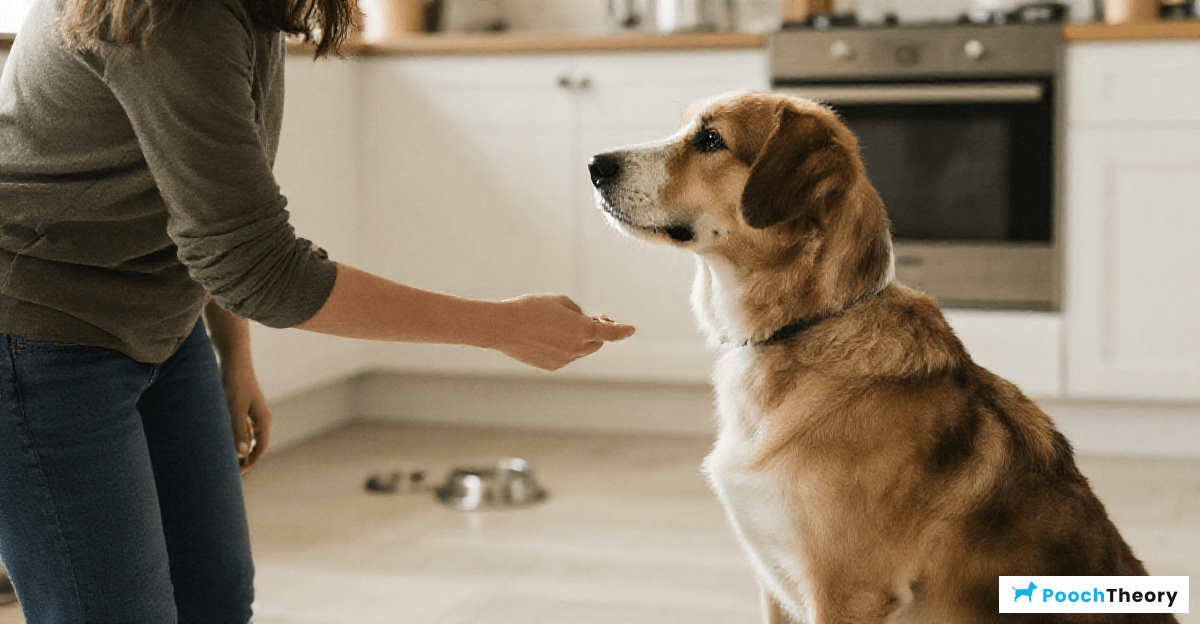
When dealing with resource guarding in dogs, knowing when to seek professional help is crucial. If your dog exhibits signs of guarding behavior—such as growling or snapping—it is vital to consult a professional trainer or behaviorist, especially if the behavior leads to dangerous interactions.
Consulting a trainer experienced in positive reinforcement techniques can provide beneficial assessments and tailored plans for managing resource guarding effectively. Look for certified trainers who use humane methods, leading to a more harmonious living environment for you and your dog. For more insights on related training strategies, visit our section on resource guarding management.
Sources
“`