


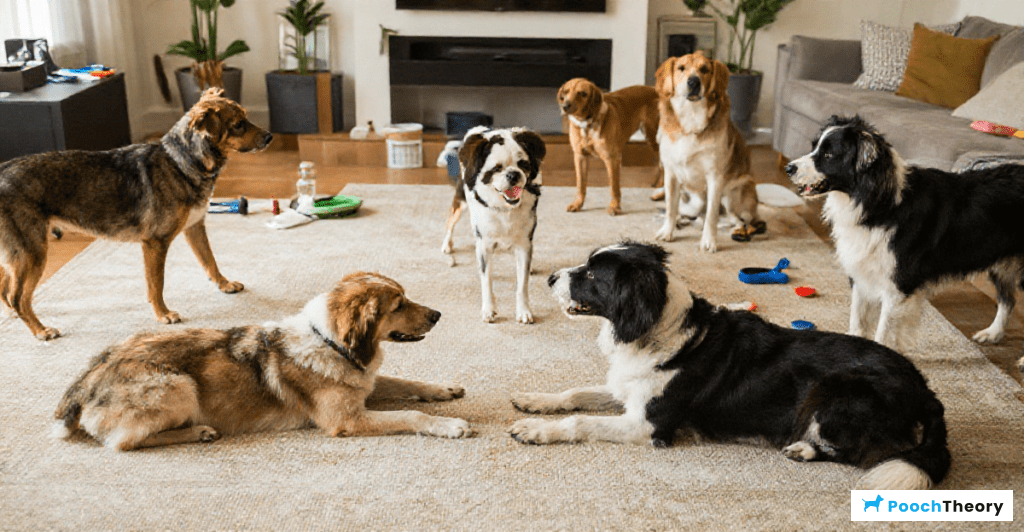
Understanding Resource Guarding in Dogs
What is Resource Guarding?
Resource guarding is a behavioral issue observed in dogs where they exhibit protective instincts over certain resources, such as food, toys, or their human companions. This behavior can manifest in various ways, from growling and snapping to more subtle signs like stiffening or freezing when another dog approaches. In multi-dog households, resource guarding can become particularly concerning, as it can lead to conflicts and injuries among pets.
Dogs may guard resources due to innate survival instincts; they feel that protecting their possessions is necessary for their security and well-being. Socially dominant dogs, in particular, may engage in resource guarding to establish their place within the pack or household hierarchy. As noted, behaviors such as growling or humping other dogs can be signs of dominance that trigger resource guarding when conflicts arise over coveted items ([Newsweek](https://www.newsweek.com/want-protective-dog-without-size-vet-says-breeds-deliver-11548050)).
Factors Triggering Resource Guarding
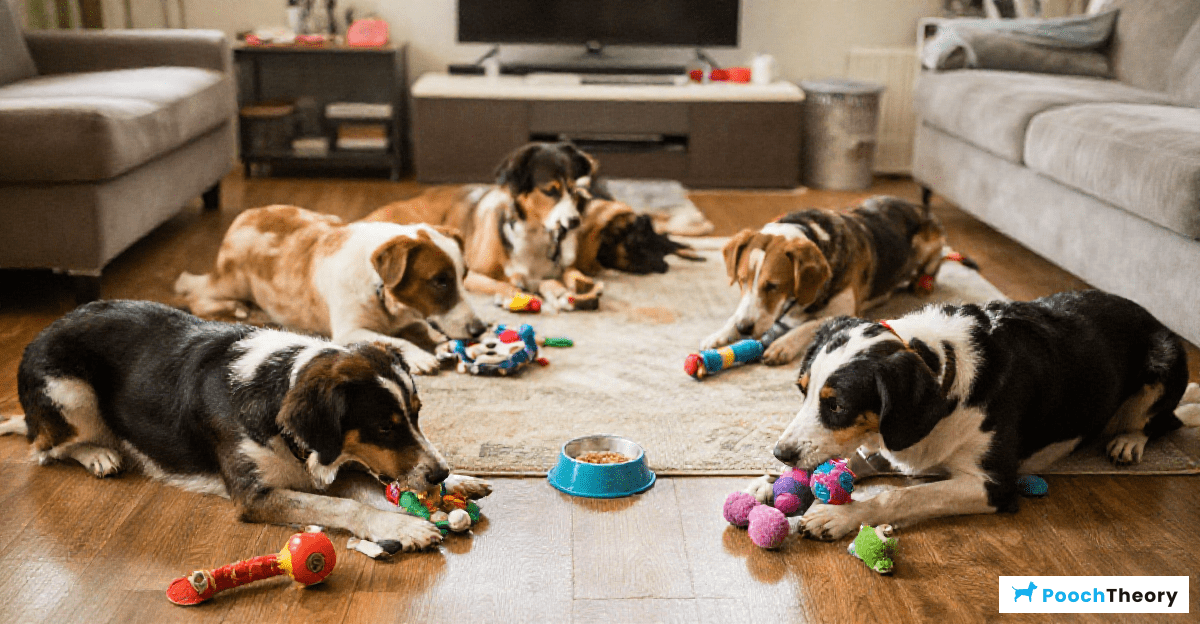

Resource guarding in dogs can be triggered by various factors stemming from their instinctual behaviors and past experiences. Understanding these triggers is essential for owners aiming to manage their dog’s guarding tendencies effectively.
- Territorial instincts: Dogs may feel the need to protect their space and possessions, viewing their home and resources as part of their territory.
- Past experiences: Dogs rescued from unstable environments may develop guarding behaviors due to anxiety and fear of losing possessions. Research indicates that early exposure to unpredictability can lead to learned survival skills such as safeguarding resources. An insightful study highlighted how early experiences significantly shape a dog’s behavior ([Newsweek](https://www.newsweek.com/what-rescue-dogs-learn-that-pedigree-dogs-never-have-towhat-rescue-dogs-learn-that-pedigree-dogs-never-have-to-11501731)).
- Environmental factors: Loud noises or the presence of other animals can trigger anxiety, further exacerbating guarding tendencies.
Recognizing these triggers allows owners to implement strategies that create a safe and predictable environment while alleviating anxiety.
Signs of Resource Guarding
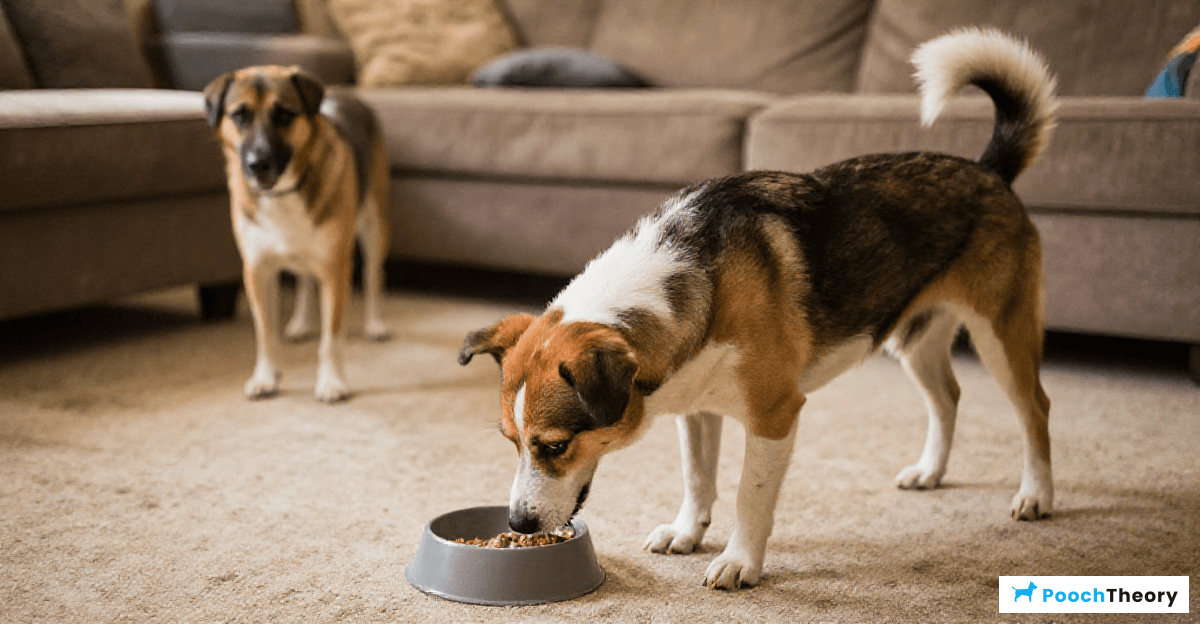
Recognizing resource guarding in dogs is critical for maintaining a harmonious environment. Key signs include:
- Body Language: Stiff postures, low heads, and elevated hackles indicate stress or discomfort.
- Vocalizations: Growling or barking can signify a protective stance regarding their resources.
- Possessiveness: Rigid behavior when sharing toys or food, blocking access, or moving items away from others.
- Protective Actions: Aggressive behavior towards perceived threats, including lunging or snapping.
- Change in Behavior: Increased anxiety around food or toys manifesting as hiding or vigilant behavior.
Understanding these signs can help owners take proactive measures to address resource guarding. For additional insights on dog behavior, explore our article on essential dog training tips.
Preventing Resource Guarding
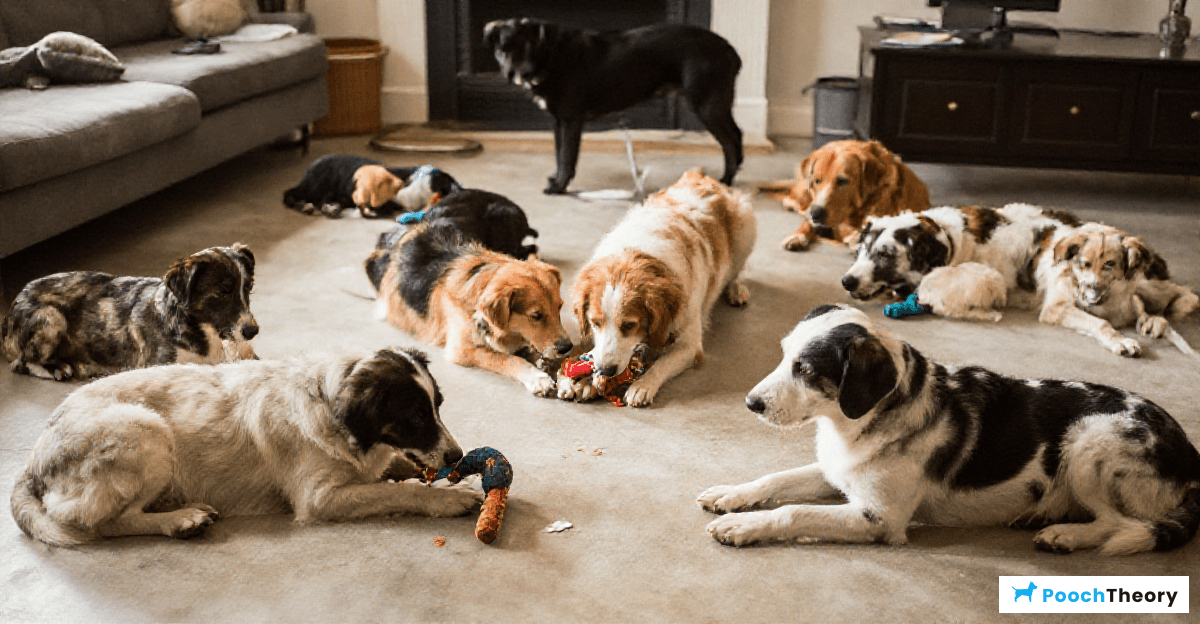
Preventing resource guarding behaviors in dogs requires proactive strategies aimed at fostering positive associations and reducing anxiety. Effective measures include:
- Early Socialization: Introducing puppies to various environments and animals reduces the likelihood of guarding behaviors.
- Positive Reinforcement Training: Rewarding dogs for sharing resources can foster positive outcomes.
- Controlled Feeding Environments: Feeding dogs in quiet areas minimizes protective behaviors.
- Resource Management: Teaching commands like “leave it” or “drop it” can help dogs understand they need not guard their items.
- Reduce Anxiety: Techniques like implementing calming products help manage stress-related guarding tendencies ([Source](https://www.newsweek.com/owner-worried-dogs-anxiety-worsens-possible-solution-11522072)).
Integrating these measures will create a foundation that discourages resource guarding behaviors before they start.
Training Techniques for Resource Guarding
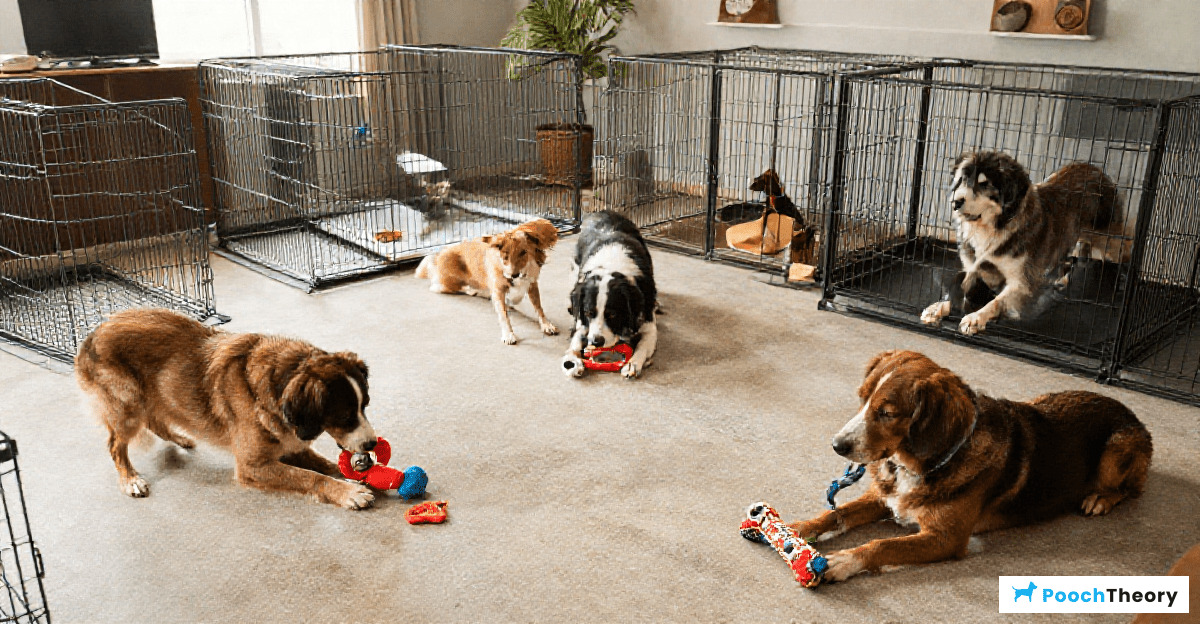
Effective training techniques can help manage and modify resource guarding behaviors. Key methods include:
- Positive Reinforcement Training: Encourage desirable behaviors by rewarding calm behavior around resources.
- Desensitization: Gradually expose your dog to triggers while rewarding calm behavior to help them learn that these stimuli are harmless.
- Management Techniques: Create safe spaces for feeding and supervising your dog during interactions.
- Trade-Up Game: Swap a valued item with a higher-value item to create positive associations with relinquishing control.
Consistency and patience are crucial in this process; engaging a professional trainer is advisable when behaviors persist despite your efforts. For additional effective dog training, consider reading our guide on home training techniques.
Managing a Multi-Dog Household
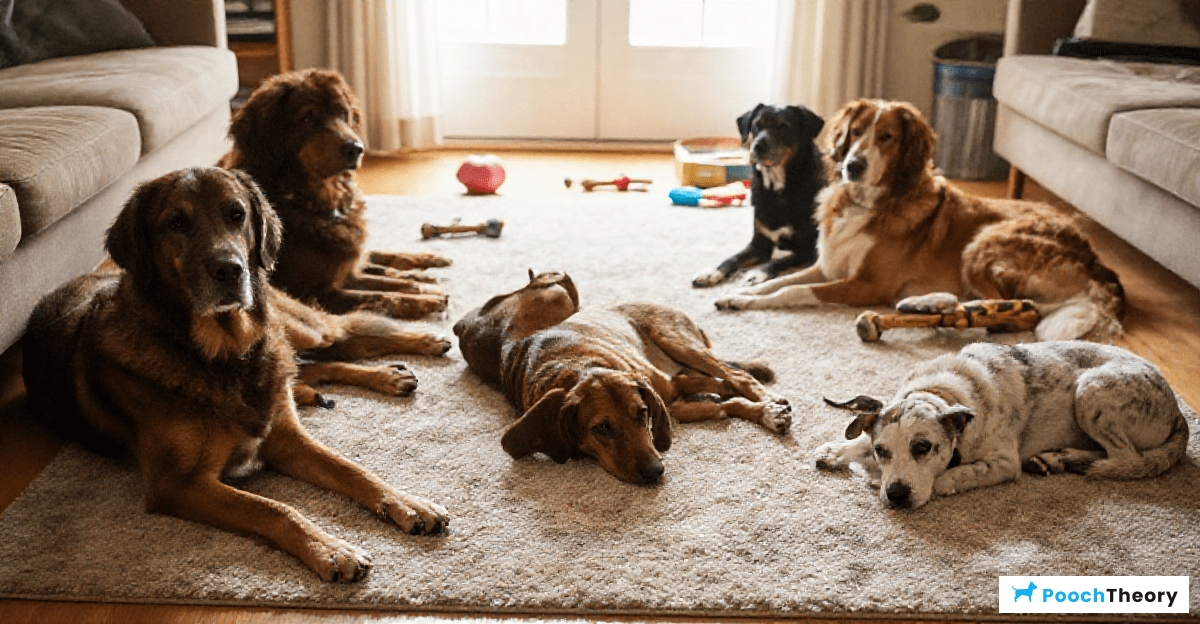
Resource guarding can pose challenges in multi-dog households. Implementing the following strategies can create harmony:
- Separate Feeding Areas: Designate distinct feeding zones to prevent conflicts.
- Teach Commands: Teaching “leave it” and “drop it” helps reduce resource guarding behaviors.
- Monitor Playtime: Supervise interactions and redirect behaviors as necessary to reinforce sharing.
- Provide Plenty of Resources: Ensure an abundance of toys and resting areas minimizes competition.
- Training Sessions: Regular group training helps enhance cooperation and obedience.
- Socialization: Attend training classes or playdates to provide positive experiences that can outweigh guarding instincts.
Implementing these strategies can significantly improve your multi-pet home, promoting safety and reducing resource guarding behaviors.
Seeking Professional Help
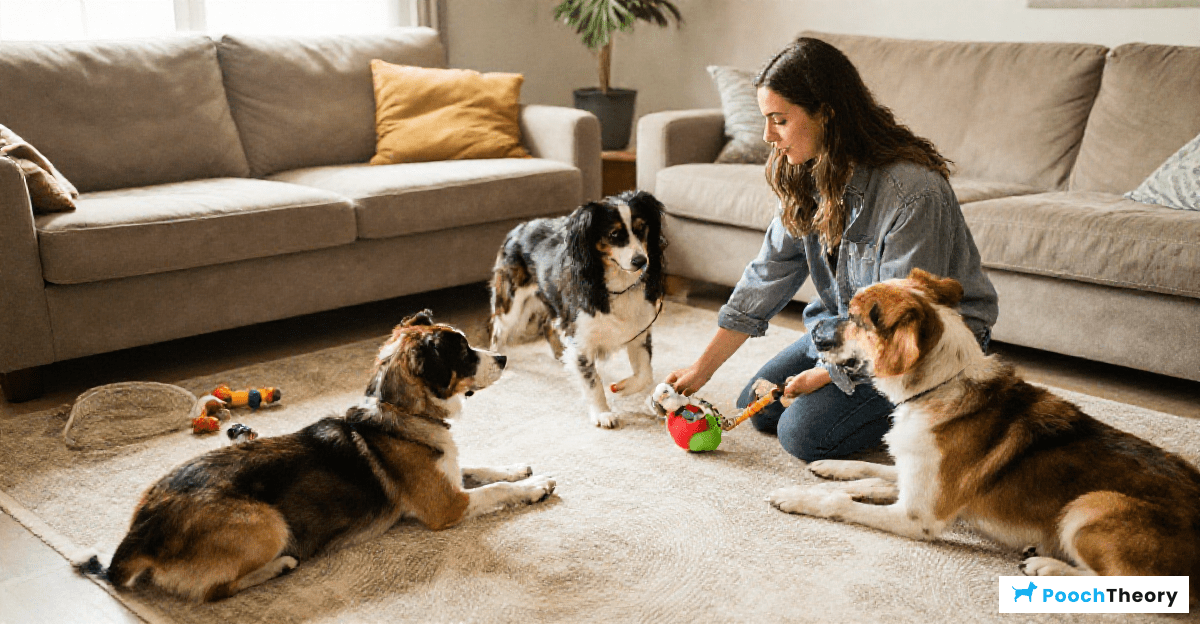
If resource guarding escalates or feels unmanageable, seeking professional intervention is crucial. Professionals possess the expertise needed to address resource guarding behaviors effectively. They can help through structured behavior modification techniques like gradual desensitization and positive reinforcement methods.
If resource guarding remains an issue despite your efforts, consider contacting a certified trainer experienced in humane methods. Professional guidance will equip you with tools to create a safe and enriching environment for your dog while improving their behavior. For further reading, explore additional training techniques in our guide on home training tips.
Conclusion
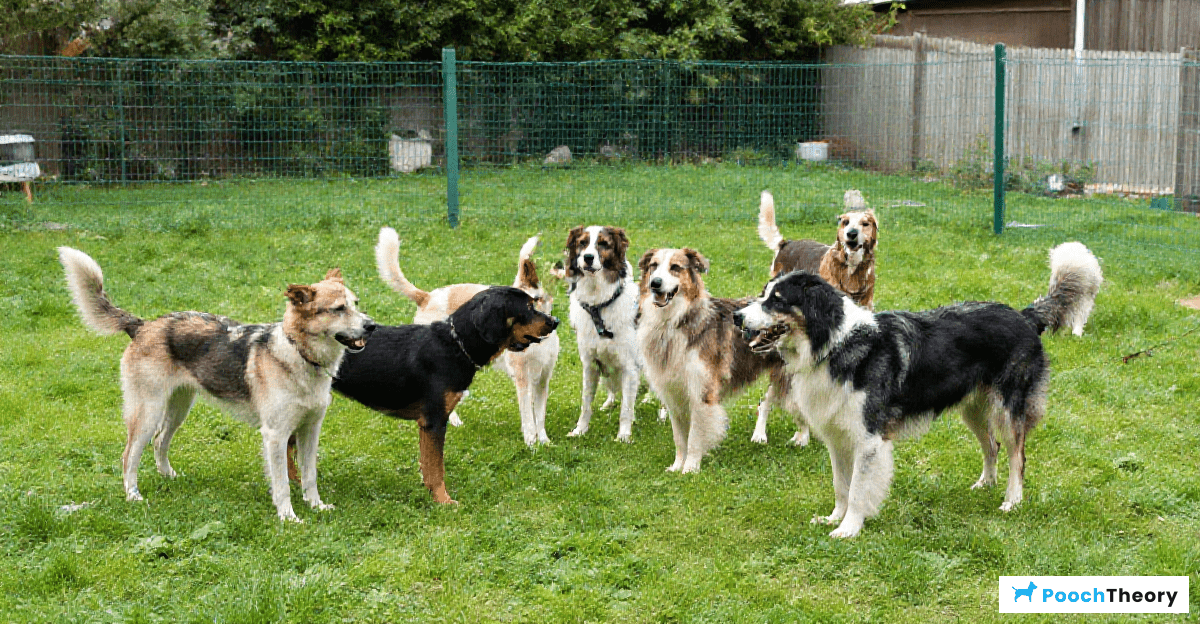
Successful ownership of multiple dogs hinges on understanding their individual personalities and ensuring their physical and emotional needs are met. Creating a structured environment that fosters socialization while preventing behavioral issues, such as resource guarding, is key. Regular training emphasizes positive reinforcement, strengthening the bond between dogs and owners. Continued education on effective training methods is essential for all dog owners as they navigate the challenges and joys of caring for multiple furry companions.
Sources
- Newsweek – Want a Protective Dog Without the Size? Vet Says These Breeds Deliver
- Newsweek – What Rescue Dogs Learn That Pedigree Dogs Never Have to
- Newsweek – Owner Worried About Dog’s Anxiety? Here’s a Possible Solution
- Pooch Theory’s Guide to Training – The Ultimate Guide to Dog Training
- Pooch Theory – How to Socialize a Dog