



Choosing the Right Dog Trainer
Choosing the right dog trainer is crucial for the long-term success of your canine companion’s behavioral development. With numerous training methods available, it’s essential to understand the effectiveness and underlying philosophy of each approach. Many dog owners often fall into costly traps by opting for treat-based fixes or avoidant techniques that fail to address the root causes of behavioral issues. As expert trainer Tom Davis emphasizes, shortcuts often sideline crucial aspects of obedience and accountability, leading to “zero sustainable change” in a dog’s behavior. These methods frequently overlook the necessity of clear communication and structure, which are fundamental to a dog’s learning process and emotional well-being.
Different training methods can be broadly categorized into positive reinforcement, compulsion training, and balanced training. Positive reinforcement focuses on rewarding desired behaviors to encourage repetition, while compulsion training involves corrective techniques that may exacerbate fear or anxiety if not executed with expertise. Balanced training integrates both methods, promoting flexibility based on the dog’s individual needs. Understanding these distinctions can help owners make informed choices that promote a healthy relationship with their pets. For more insights on effective dog training strategies, you can explore our article on the Ultimate Guide to Dog Training.
Positive Reinforcement Training
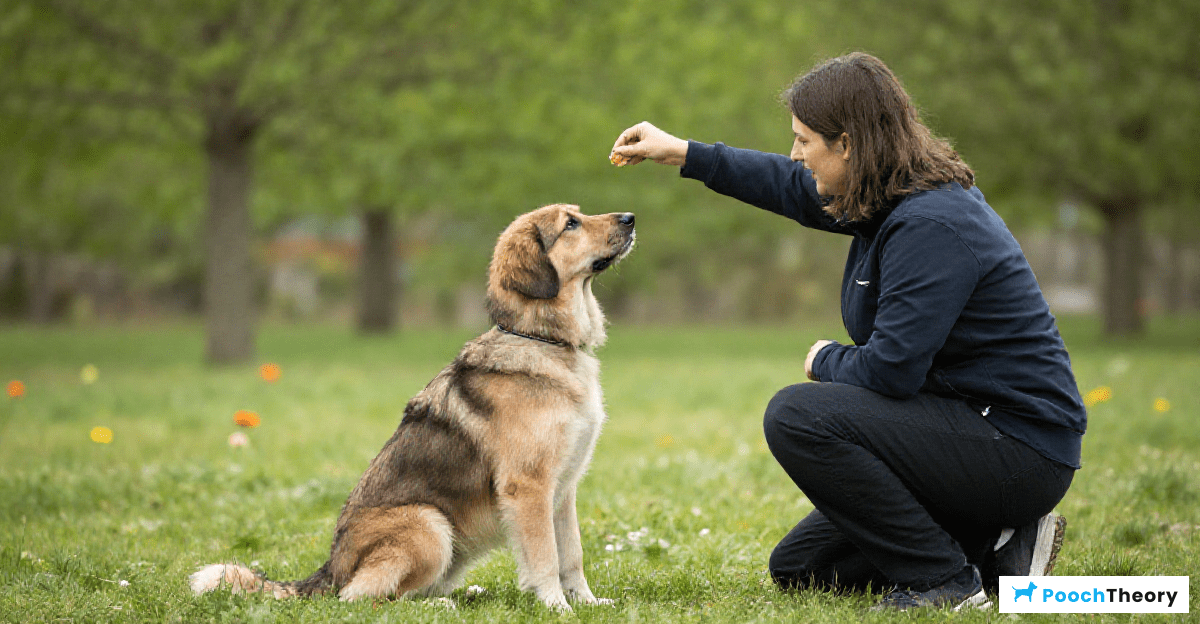

Positive reinforcement is a highly effective training method in dog behavior modification that relies on rewarding desirable behaviors to encourage their repetition. This approach is grounded in the principles of operant conditioning, wherein behaviors followed by positive outcomes are more likely to occur in the future. By using rewards—such as treats, praise, or play—owners create a positive association with the desired behavior, effectively shaping their dog’s actions constructively.
One core principle of positive reinforcement is its focus on motivation; dogs are more likely to engage in behaviors that result in enjoyable rewards. This method enhances the bond between the dog and owner, fostering trust and encouraging a cooperative relationship. Unlike traditional training methods that utilize punishment or aversive techniques, positive reinforcement nurtures a dog’s confidence and willingness to learn, making it a preferred choice among many trainers today.
The benefits of positive reinforcement training are extensive. It reduces stress and anxiety in dogs, creating a safe environment for learning. Studies have shown that dogs trained using positive reinforcement tend to have better emotional responses and exhibit less fear-related behaviors compared to those trained with aversive methods [Source 1].
Furthermore, positive reinforcement not only teaches specific commands but also addresses behavioral issues. Training methods that involve clear communication and rewarding good behavior can effectively mitigate problems like excessive barking or jumping [Source]. By reinforcing positive behaviors consistently, owners can guide their pets toward desired outcomes while fostering a strong, respectful relationship.
Traditional Dog Training Methods

Traditional dog training methods encompass a variety of techniques and philosophies rooted in behavioral science. These methods prioritize obedience, structure, and communication, emphasizing the importance of clear commands and consistent reinforcement. One prevalent technique is positive reinforcement, rewarding desired behaviors to encourage recurrence. Research supports that positive reinforcement strengthens the bond between dog and handler, promoting lasting behavioral change [Source 1].
However, some traditional approaches incorporate corrections or aversive methods, often termed compulsion training. This technique may leverage physical cues or corrective measures to discourage undesired behaviors. While some proponents argue for its quick results, careful use is essential to avoid fostering anxiety or aggression. Critics advocate for caution due to documented risks associated with these techniques, as they can lead to avoidance behaviors rather than addressing root issues [Source 2].
Philosophically, traditional training emphasizes the handler’s role as an authority figure who maintains consistent structure. This contrasts with a permissive approach that allows the dog considerable freedom. The belief is that a structured training regimen instills discipline and aids in emotional well-being, reducing anxiety [Source 3].
Ultimately, the choice of methods depends on the trainer’s philosophy and the dog’s specific needs. For more information on balancing training techniques, check our guide on dog training methods.
Research Findings on Training Effectiveness
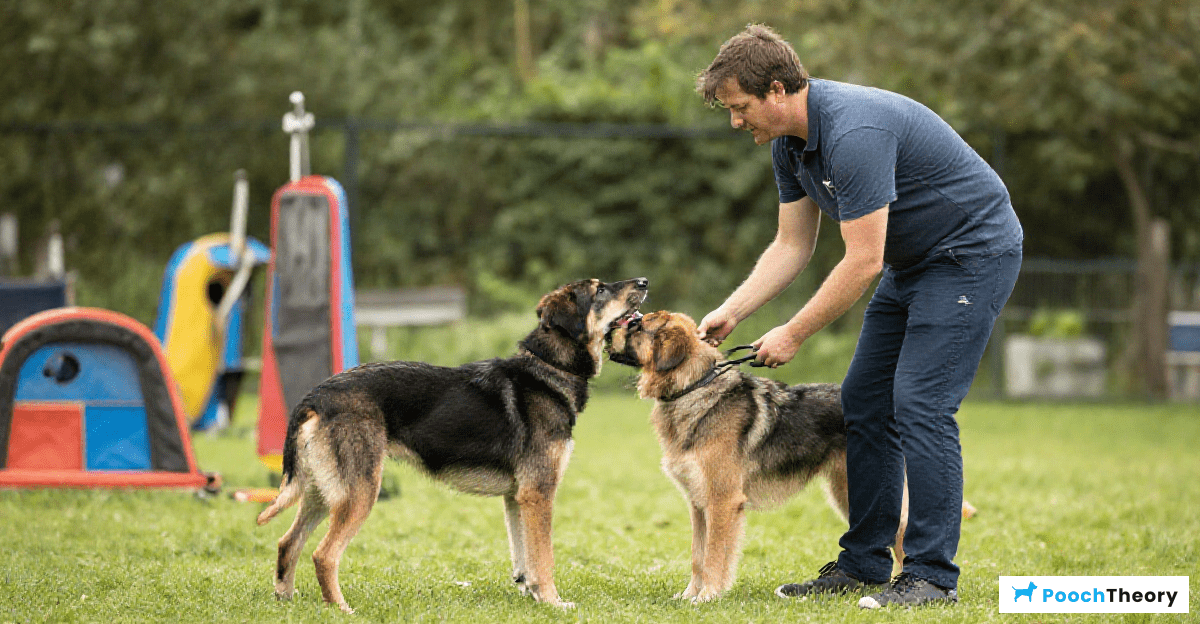
Research shows that positive reinforcement training methods are generally more effective and humane than traditional techniques that may rely on punishment. Positive reinforcement leads to long-term behavioral change and strengthens the bond between dog and owner. Studies reveal that dogs learn better when rewarded with treats, praise, or play, creating a pleasurable training experience [Source].
In contrast, traditional training methods often incorporate negative reinforcement or punishment, which may produce adverse effects like fear and anxiety in dogs. Trainer Tom Davis highlights the downsides of these approaches, noting that they fail to address the root causes of behavioral problems, often exacerbating anxiety issues [Source].
Moreover, experts have observed that reliance on fear-based methods not only limits a dog’s learning capacity but also hinders their trust in humans [Source]. Conversely, positive reinforcement fosters a healthier learning environment, encouraging dogs to explore and engage confidently.
Factors to Consider When Choosing a Dog Trainer
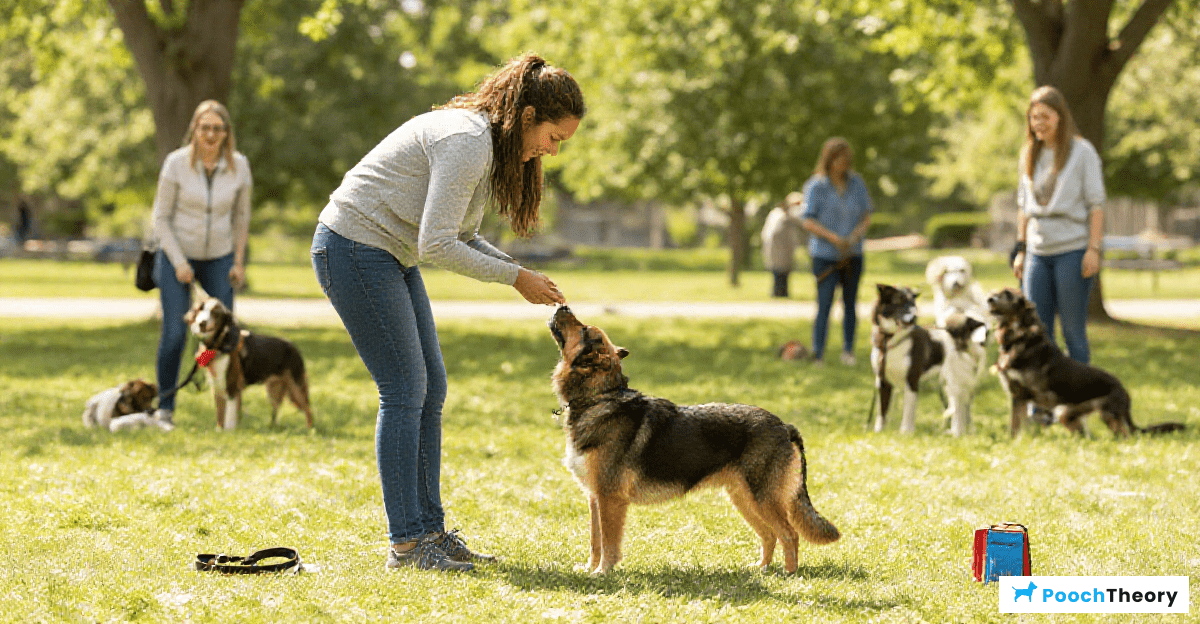
When selecting a dog trainer, several key factors can influence your decision and guarantee a successful training experience for both parties.
- Training Style: Different trainers have various philosophies. Understanding your dog’s personality can help you choose a trainer whose method aligns with your dog’s needs. For sensitive dogs, reward-based techniques might be more effective.
- Experience and Certifications: Look for trainers with formal qualifications from recognized organizations like the Association of Professional Dog Trainers (APDT). Experience with different breeds enhances their effectiveness.
- Your Dog’s Personality: Each dog has a unique temperament, which should influence your choice of trainer. Select a trainer skilled in managing the specific traits of your dog.
- Communication and Philosophy: A trainer’s ability to communicate effectively is crucial. You should feel comfortable asking questions and receiving guidance. The training philosophy should resonate with your beliefs about training methods.
Consider discussing your requirements with multiple trainers and observing classes, if possible. This can provide valuable insights into their style and interactions. Additionally, be cautious of trainers promoting shortcuts that neglect fundamental obedience; these can lead to more issues down the line [Source].
Conclusion: The Importance of Choosing the Right Training Method

Choosing the right training method is crucial for the well-being of your dog and for fostering harmony and satisfaction for the owner. Effective training strengthens the bond between dog and owner, enhancing communication and understanding. Many owners unintentionally use ineffective methods that sidestep core training principles, leading to frustration and unresolved issues. Tom Davis warns against avoidant techniques that may seem convenient, but ultimately fail to provide sustainable change [1].
Additionally, the correct approach can significantly impact a dog’s socialization and impulse control. Breeds receiving specialized training often respond better, minimizing stress and enhancing the quality of life for both pet and owner. This emphasizes the importance of selecting methods that prioritize communication, accountability, and structured training [2].
Ultimately, dedicating time and effort to choosing proper training techniques not only addresses immediate behavioral concerns but also promotes a healthier, happier relationship between owners and their dogs, contributing to overall well-being [Internal Link].