


Training a Dog in a Small Studio Apartment
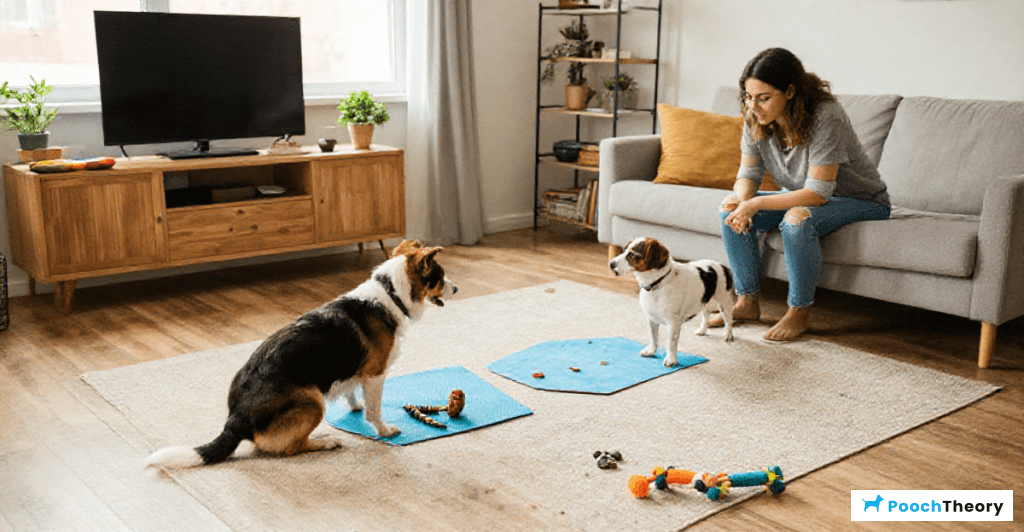
When training a dog in a small studio apartment, recognizing both the limitations and advantages of your space is key. Small living environments can present challenges, particularly regarding the dog’s exercise needs and behavior management. For instance, limited space may complicate playtime or effective training sessions. However, apartment living can also foster a unique bond between owner and dog, promoting mental stimulation through close interactions and creatively utilizing space for training exercises.
To efficiently train in such constrained spaces, focus on activities that require minimal room. Short, structured training sessions can keep a dog engaged without needing extensive physical space. Incorporating indoor obedience training—practicing commands like sit, stay, and come—can be effective without overwhelming your pet. Utilizing furniture, such as teaching your dog to hop onto a sofa or mat, can create fun, engaging challenges.
Regular outdoor activities remain essential for physical exercise. When space becomes a hurdle, consider scheduling daily walks and playtime in nearby parks or open areas. Additionally, utilizing tools like interactive toys can help occupy your dog within the confines of your apartment, promoting problem-solving skills without requiring much physical space.
Also, maintain a tidy living area by setting boundaries with training that discourages jumping on furniture or excessive barking. This is crucial as small apartments can amplify noise, disturbing neighbors. For further techniques on encouraging good behavior, check out our guide on positive reinforcement training methods.
Finally, take into account your dog’s temperament and breed. Some breeds are more suited for apartment living due to their lower exercise needs, while others may require more space to thrive. Understanding these factors allows for better adjustment and training strategies tailored to your living situation.
Creating a Consistent Training Schedule
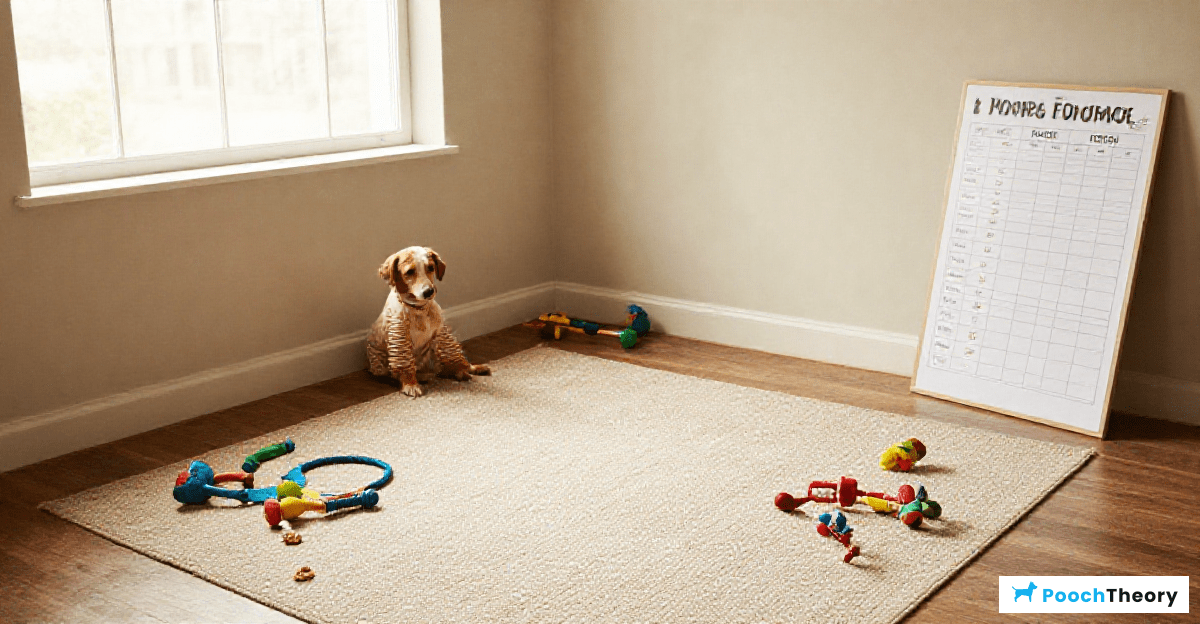

Creating a consistent and realistic dog training schedule is essential for both your pet’s development and your household dynamics. Here are some actionable tips to establish an effective training program that suits your lifestyle and accommodates your dog’s needs:
- Assess Your Dog’s Needs: Different breeds and individual dogs have varied training requirements. Puppies can start training as early as eight weeks, focusing on basic commands like sit, stay, and come. As they grow, their training can evolve to include more complex behaviors. Setting a solid foundation early on can make a significant difference in long-term behavior management [Source].
- Plan Short, Frequent Sessions: Dogs, especially puppies, have short attention spans. Aim for 5-10 minute training sessions multiple times a day instead of long, drawn-out practices. This method helps maintain your dog’s attention and fosters a more positive learning environment. Integrating training with daily routines, such as during walks or meal times, can be beneficial.
- Incorporate Training into Daily Life: Daily activities provide ample opportunities for training. Use routine tasks like feeding or walking as a chance to reinforce commands. For instance, ask your dog to sit before offering food or practice loose leash training during walks. Such integrations make learning seamless for both you and your dog.
- Be Consistent with Timing: Establish a regular training schedule that fits your lifestyle, whether it’s mornings, afternoons, or evenings. Consistency helps your dog anticipate training and can improve overall responsiveness. Consider utilizing a training calendar that includes specific goals and progress tracking [Source].
- Tailor the Schedule to Your Living Environment: If you live in an apartment or a busy area, incorporate training in a manner that minimizes distractions. For example, use quieter early morning or late evening hours for focused sessions. This consideration ensures that your dog can concentrate without overwhelming stimuli.
- Adjust Based on Progress and Feedback: Monitor your dog’s progress and be flexible with the schedule as needed. If your dog is struggling with a command, consider lengthening the practice period or changing the environment to reduce distractions. Don’t hesitate to adjust goals based on your dog’s learning pace.
By incorporating these strategies, you can create a training schedule that is not only realistic but also engaging for your dog, paving the way for a well-behaved companion. For more insights, check out our article on positive reinforcement techniques that can further enhance your training efforts.
Essential Commands for Your Dog
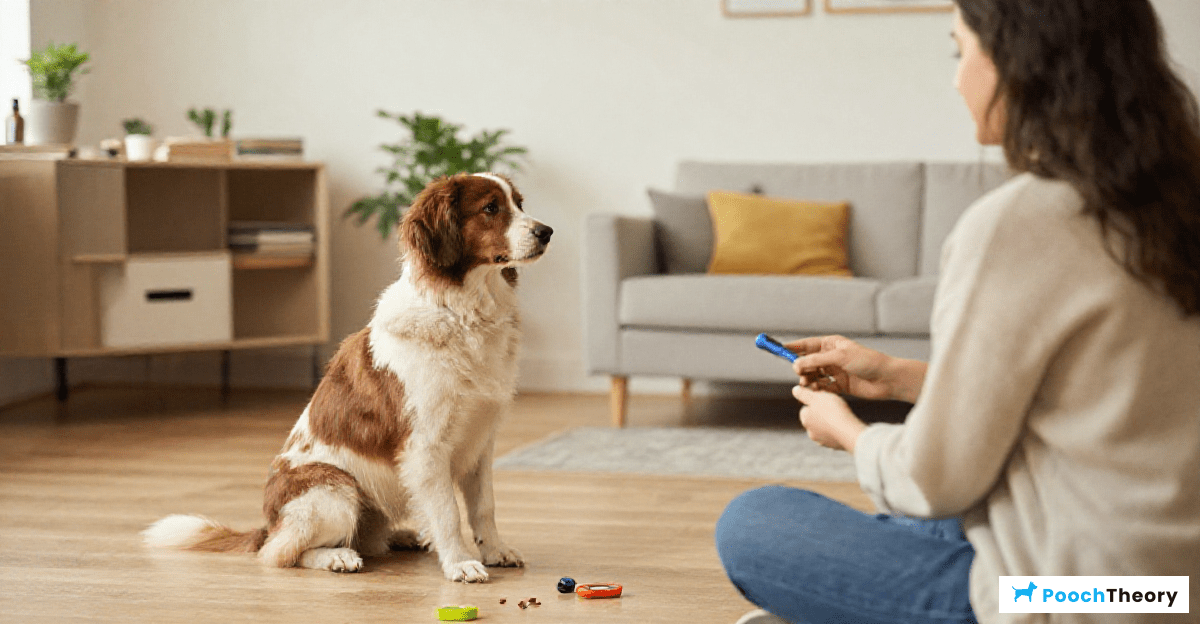
Teaching your dog essential commands is crucial, especially in small living spaces where safety and good behavior are paramount. Here’s a list of fundamental commands to consider:
- Sit: This is one of the most basic commands, often the first taught to dogs. Teaching your dog to sit can help manage their behavior, especially during meal times or when guests arrive.
- Stay: This command is vital for safety. Teaching your dog to stay put helps prevent them from bolting through open doors or running into potentially dangerous situations.
- Come: The recall command ensures they return to you promptly, which is crucial in crowded or unfamiliar environments.
- Leave It: Teaching your dog to leave items alone is beneficial in small spaces filled with tempting objects or food.
- Down: This command helps keep your dog calm and settled, useful for managing their space in your home.
- Wait: This command is helpful when you need your dog to pause for a moment.
- Off: Teaching your dog to stay off furniture or counters prevents unwanted behaviors that can disrupt your living environment.
By focusing on these commands, you can foster a safe and well-behaved pet, adapting to the best practices for apartment living or small households. For more in-depth training approaches, consider exploring guides such as the Ultimate Guide to Dog Training or Essential Dog Training Tips for People with Disabilities at Home.
Strategic Approaches for Small Spaces
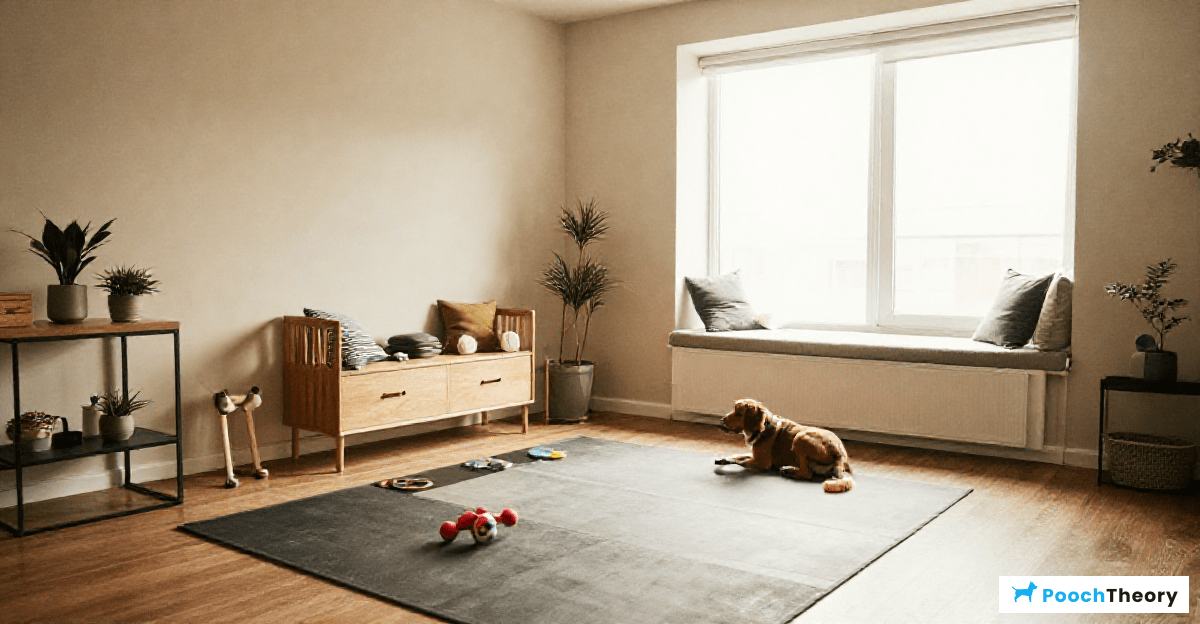
To effectively utilize small spaces for dog training, consider these strategic approaches:
- Vertical Space Utilization: Use vertical space by employing wall-mounted shelves or hooks to store training supplies. This keeps essentials accessible while freeing up floor space for your dog.
- Multi-functional Furniture: Invest in furniture that serves dual purposes, such as a storage ottoman that can hold training gear.
- Designated Training Zones: Establish a specific area in your small space for training, utilizing rugs to define boundaries.
- Use of Portable Training Equipment: Incorporate foldable or stackable training gear that can be easily stored away when not in use.
- Engage in Creative Training Activities: Consider exercises that focus on agility or balance that don’t require expansive spaces.
By employing these strategies, you can effectively manage small spaces while ensuring your dog receives the necessary training stimuli. For more detailed tips on training techniques in constrained environments, check out our article on Ultimate Guide to Dog Training at Home.
Incorporating Daily Exercise
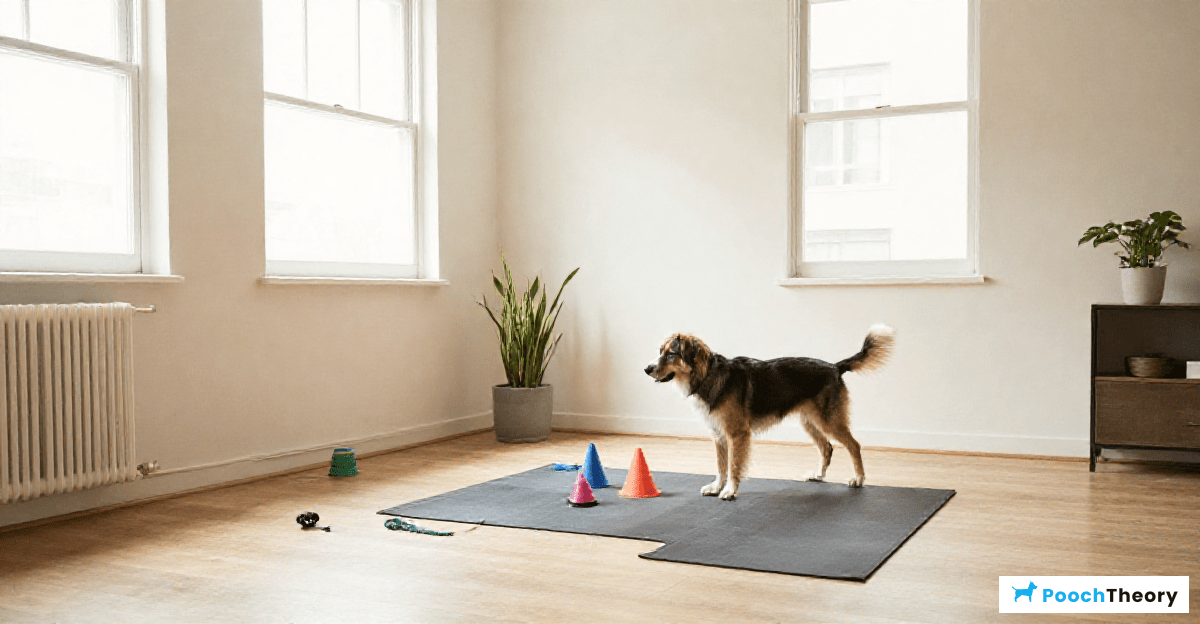
Incorporating daily exercise into your dog’s routine is essential for their physical health and mental well-being. For pet owners with limited space, there are several effective strategies to ensure your dog gets adequate exercise, both indoors and outdoors.
Indoor Games
If your living area is small, indoor games can be an excellent way to keep your dog active. Consider activities like hide and seek or tug-of-war, which promote movement and strengthen your bond. Interactive toys, such as treat-dispensing puzzles, can keep your dog mentally stimulated while they work to get the rewards.
For more ideas on fun indoor activities, check out our article on fun tricks for rainy days.
Neighborhood Walks
Daily walks are essential for physical exercise and mental stimulation. Use neighborhood walks to explore new scents and sights, and consider using a flexible leash to allow your dog to engage with their environment. To bond better during walks, focus on being present and avoiding distractions. Consider varying your routine by visiting different parks or neighborhoods to enrich your dog’s experience.
If you’re interested in tips for safe and effective leash training, explore our guide on loose leash walking.
The Power of Positive Reinforcement
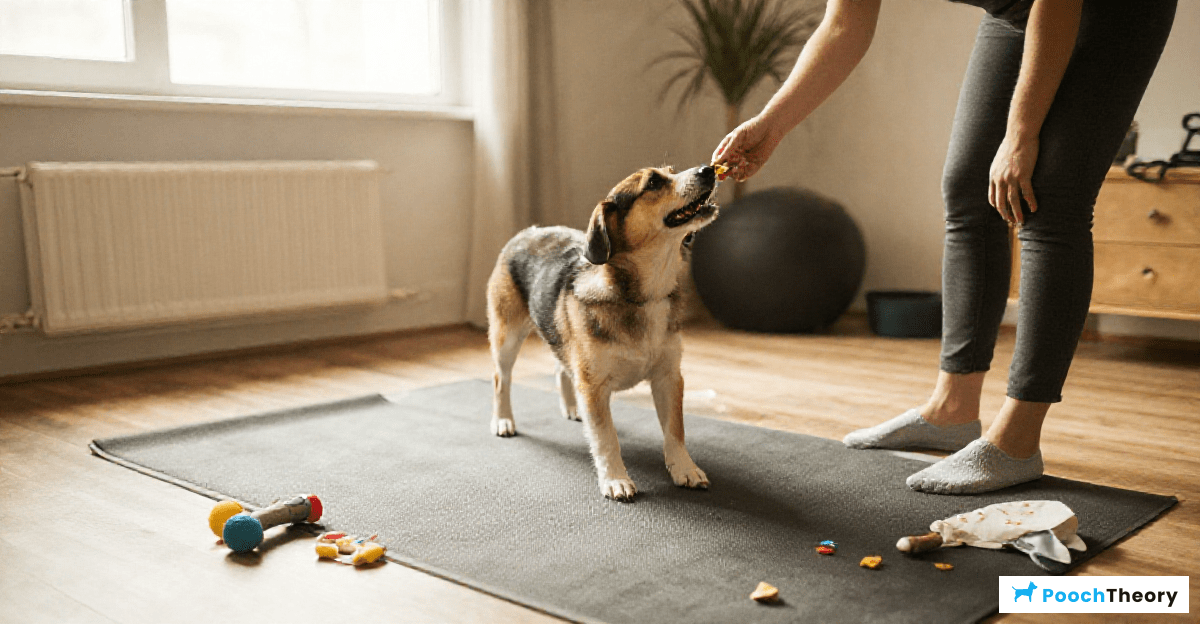
Positive reinforcement is a powerful training technique that encourages desired behaviors through rewards, making it particularly effective for dog training in smaller living spaces like studio apartments. This method fosters a positive learning environment, helping dogs associate good behaviors with pleasurable outcomes, such as treats, praise, or playtime.
One of the key benefits of positive reinforcement is its ability to build confidence in dogs, especially those that may have anxiety or behavioral issues. For instance, structured training classes that utilize this technique can help shy or fearful dogs become more comfortable in their surroundings [1]. Implementing positive reinforcement can help teach obedience commands that are essential for managing your dog’s behavior in limited spaces.
In a studio apartment, clarity in communication and consistency are vital. When training your dog, ensure you reward immediate successes. For example, if your dog sits calmly while you prepare their food, provide a treat or praise immediately. Additionally, breaking tasks into manageable steps allows for quicker success and reinforces the learning process.
Interactive toys can also serve as rewards during training, keeping your dog mentally stimulated. Aim to integrate training into your dog’s daily routines, such as rewarding them for using designated potty areas outside. By prioritizing rewards and consistency, dog owners can create a harmonious living environment that caters to both canine needs and apartment constraints [2].
Socializing Your Dog in Confined Spaces
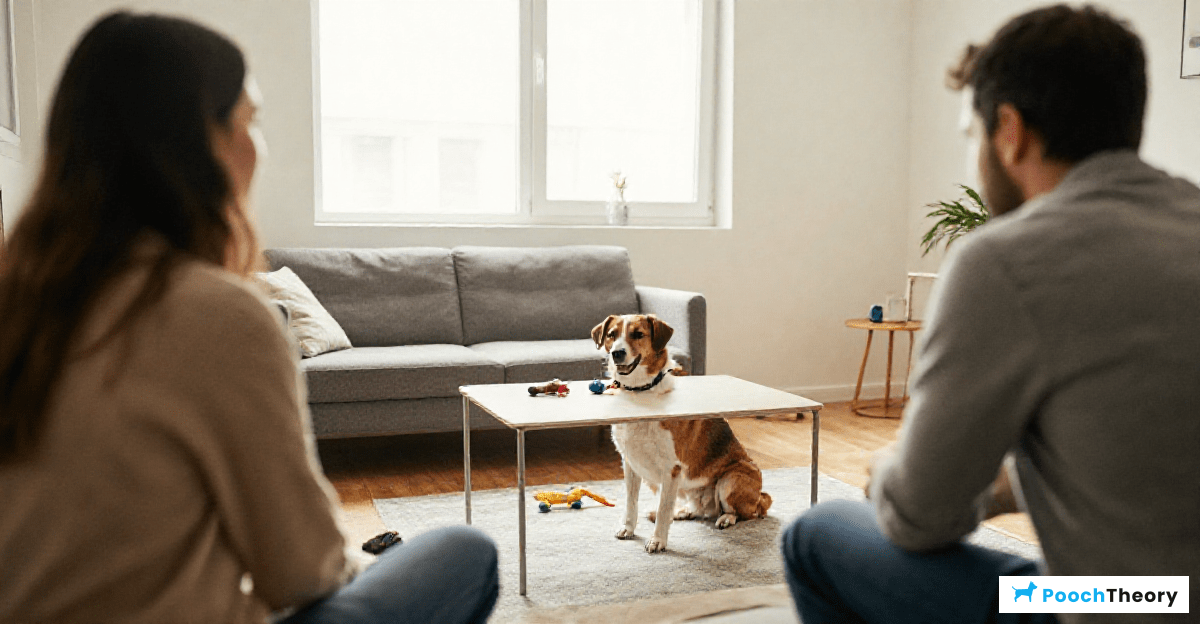
When socializing your dog in confined spaces, it’s essential to get creative in facilitating interactions with both people and other dogs. Here are some effective strategies:
- Arrange Dog Playdates: Set up playdates with neighboring dog owners in a common area to allow dogs to interact and expend energy.
- Enroll in Indoor Training Classes: Participate in classes focused on socialization to provide controlled environments for safe interactions [how to socialize a dog].
- Visit Dog-Friendly Indoor Spaces: Explore local dog cafés and parks for safe mingling opportunities.
- Host Small Gatherings: Invite friends who own friendly dogs to your home for socialization.
- Utilize Multidog Households: Encourage engagement between your own dogs through supervised play.
- Participate in Virtual Meetups: Engage in community groups that host virtual events for dog owners to share experiences.
- Create Enrichment Activities: Use toys that require two dogs to play together, encouraging bonding.
Integrating these methods will help ensure your dog remains well-socialized, happy, and balanced, even in confined settings. For further understanding, refer to the comprehensive guide on puppy socialization in urban environments.
Final Tips for Training in Small Spaces
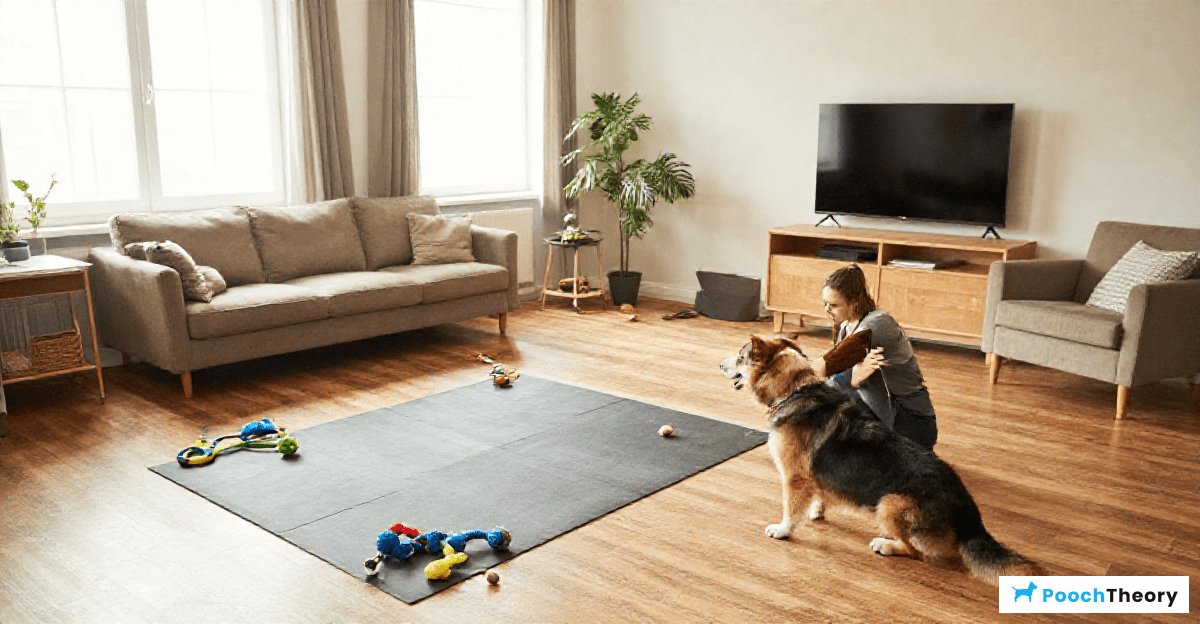
When training your dog in a small studio apartment, focus on these key points for success:
- Maximize Space: Utilize vertical space and multi-functional furniture to create areas for play and training.
- Consistent Routine: Establish a regular schedule for feeding, bathroom breaks, and training sessions.
- Positive Reinforcement: Use treats and praise to reward good behavior, leading to faster learning.
- Socialization: Use local parks and pet-friendly establishments for socialization opportunities [socializing dogs].
- Mental Stimulation: Engage your dog’s mind with puzzle toys or training games that require problem-solving.
Regularly reassess your training methods and adjust as necessary. If you’re struggling with behavior issues, consider enrolling in a professional training class to gain additional support and structure. With dedication and the right techniques, training your dog in a small apartment can be a rewarding experience.