


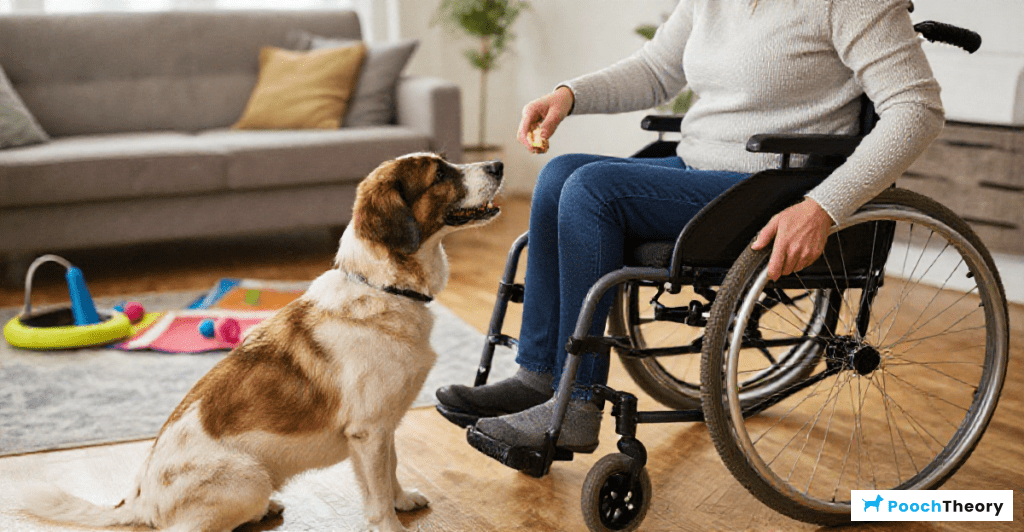
Training Dogs for Individuals with Disabilities
Training dogs for individuals with disabilities plays a crucial role in enhancing both the lives of the owners and their canine companions. The bond between a trained dog and its owner can significantly increase independence and confidence in people with disabilities. Specialized training can help develop service dogs that assist with daily tasks, which, in turn, fosters greater mobility and autonomy for their handlers. These service dogs are not only trained to perform physical tasks but also to provide emotional support, making them invaluable companions for their owners.
For instance, as noted by the National Institute of Health, having a service animal can help individuals cope with anxiety, depression, and stress. The companionship offered by well-trained dogs promotes social interaction and reduces feelings of isolation, which are common challenges faced by many individuals with disabilities. Additionally, according to a report by the American Kennel Club, the positive interaction with dogs can lead to increased physical activity levels for both the dog and owner, further contributing to emotional well-being.
Moreover, training can also be beneficial for the pets themselves. A well-trained dog is generally happier, as they are more secure in their roles and behaviors. Incorporating methods such as positive reinforcement not only helps dogs learn effectively but also strengthens their relationship with their owners. Resources like the Pooch Theory’s Ultimate Guide to Dog Training outline essential techniques that can greatly enhance the training experience.
Understanding Your Dog’s Body Language
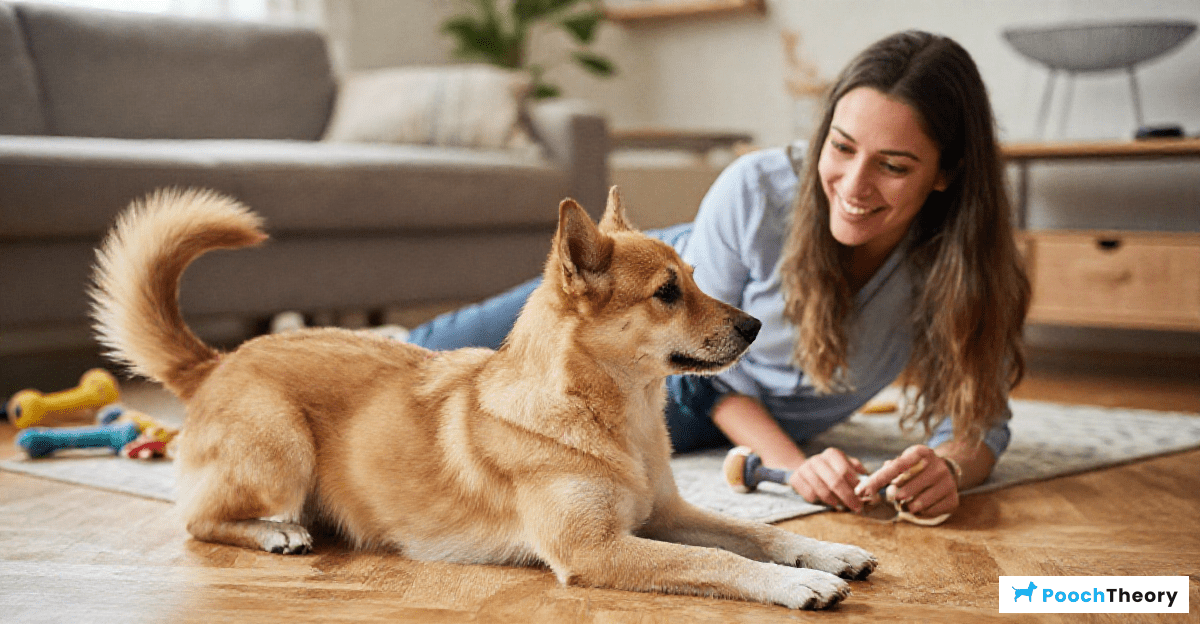

Understanding your dog’s body language is crucial for effective training and building a strong bond. Dogs communicate their feelings and intentions through various signals, including posture, facial expressions, and vocalizations. Here are some essential tips for interpreting your dog’s behavior:
- Posture: A confident dog stands tall with an erect posture, while a fearful dog may crouch low or tuck its tail.
- Facial Expressions: A relaxed mouth, soft eyes, and slightly raised brows can indicate contentment while a dog with tense lips or bared teeth is likely feeling threatened.
- Vocalizations: Barking, growling, and whining convey different meanings about a dog’s emotional state.
- Ear Position: Erect ears often signify alertness, while flattened ears can indicate fear.
- Body Movements: Observe how your dog interacts; playful bows indicate a desire to play, while excessive sniffing may show anxiety.
For more in-depth training strategies and tips on understanding your dog’s needs, explore our guide on dog training techniques.
Creating a Safe Training Space at Home
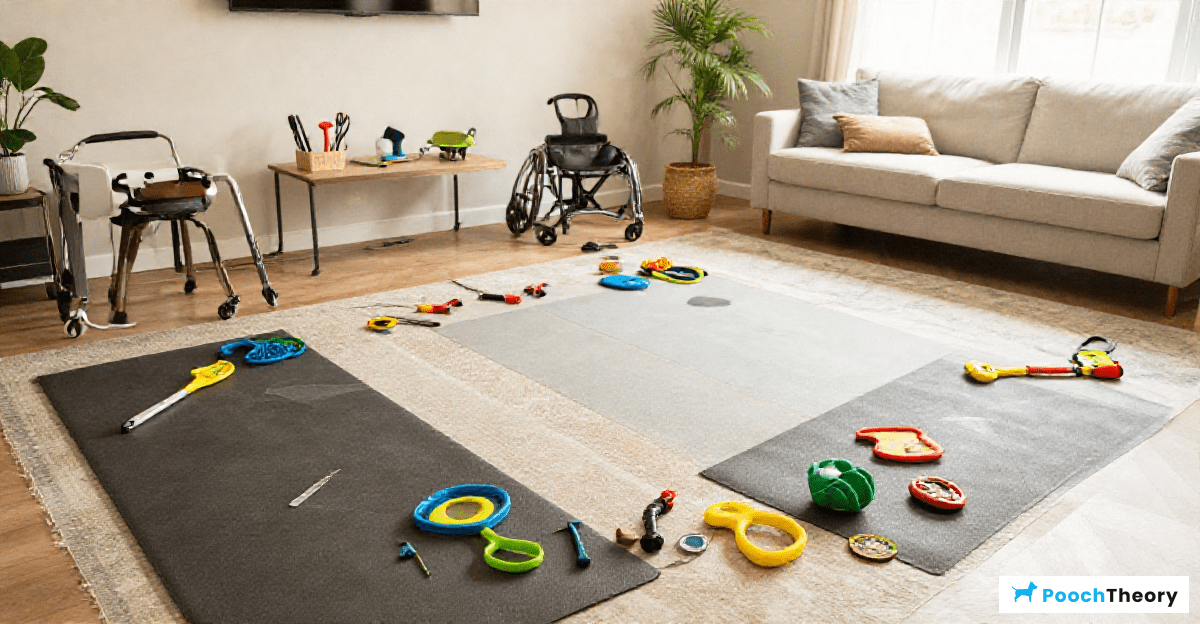
Creating a safe and accommodating space for dog training at home, particularly for dogs with disabilities, involves several key considerations:
- Accessibility: Ensure that the training area is easily accessible for both the dog and the trainer.
- Safe Environment: Remove any sharp objects or hazards that could potentially harm the dog.
- Visual and Auditory Cues: Use auditory cues, such as a clicker, to guide training sessions.
- Comfort Features: Use pillows or blankets that provide comfort and support during training.
- Positive Reinforcement: Implement training methods that utilize positive reinforcement to encourage learning.
- Customized Training Plans: Tailor training sessions to the individual needs of each dog.
Incorporating these elements into your home training environment will foster a safer space for learning and enrich the training experience for dogs with disabilities. For more comprehensive guidance, you can visit our detailed article on home training tips.
The Power of Positive Reinforcement
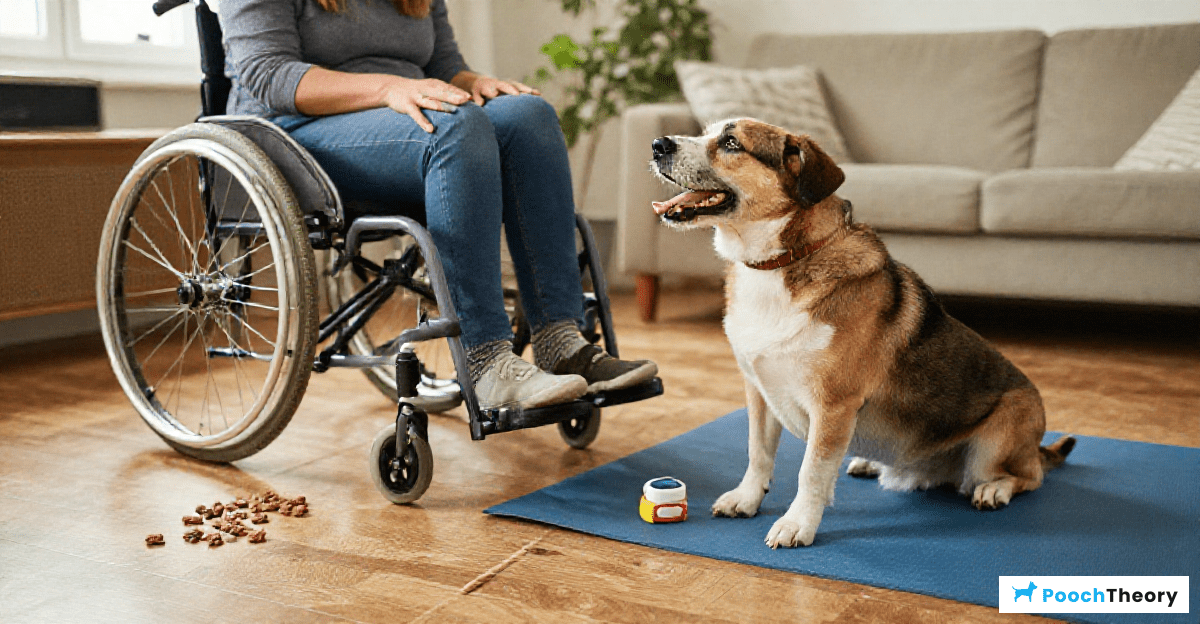
Positive reinforcement is a powerful tool in dog training that encourages desired behaviors through rewards such as treats, praise, and play. This training method establishes a positive relationship between the dog and the owner, fostering an environment where the dog feels safe and motivated to learn.
Treats are one of the most effective forms of positive reinforcement, providing immediate gratification that helps the dog associate specific behaviors with positive outcomes. According to experts, dogs trained with rewards tend to learn faster than those subjected to aversive training methods.
Praise also plays a significant role in reinforcing good behavior. Dogs thrive on companionship and approval, and vocal praise encourages them to repeat desired actions. When a dog receives enthusiastic encouragement after performing a desired action, they form a strong connection between the behavior and the reward.
Play is another essential aspect of positive reinforcement. Engaging your dog in their favorite game motivates them to participate actively in training sessions, making the process enjoyable for both. Incorporating these techniques will help teach your dog desired behaviors and enhance their happiness. For more insights, check out our guide on effective dog training techniques.
Selecting the Right Training Tools
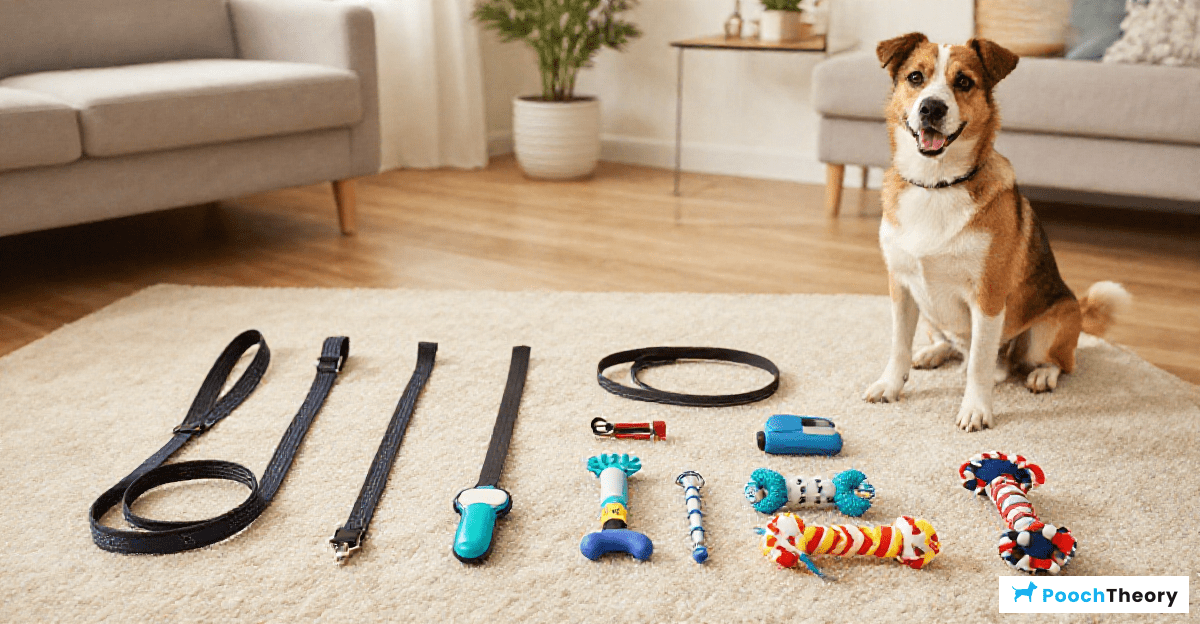
When selecting the right training tools for your dog, it’s essential to consider their physical limitations and training needs. The three primary tools to focus on are leashes, collars, and toys.
Leashes: Depending on your dog’s size and strength, choosing the right type of leash is important. A front-clip harness can help with pulling tendencies, making walks more manageable.
Collars: The choice of collar can significantly impact training success. For dogs that pull, a martingale collar offers gentle correction, while breakaway collars provide safety in case of snagging.
Toys: Engaging toys that challenge your dog mentally can facilitate better training. Studies suggest that dogs can learn to recognize the names of toys, enhancing their vocabulary.
Choosing tools that cater to your dog’s specific needs will improve the training experience. Explore more on the topic in our detailed guide to dog training techniques.
Incorporating Technology into Training

Incorporating technology into dog training can significantly enhance accessibility for individuals with disabilities. One innovative approach is the use of robotic therapy dogs, which provide companionship and improve social interactions. These lifelike robots have garnered positive reactions in assisting those wary of real dogs.
Additionally, various applications exist that leverage AI to customize training experiences for dogs, particularly useful for owners with physical limitations. Tools like Claude AI analyze dog behavior to suggest tailored training approaches.
Moreover, tech-enabled devices such as remote-controlled toys and treat dispensers enable interactive training sessions without physical exertion from the trainer. This incorporation of technology not only improves the training process but also helps build a stronger bond between the dog and owner.
Establishing Consistent Training Routines
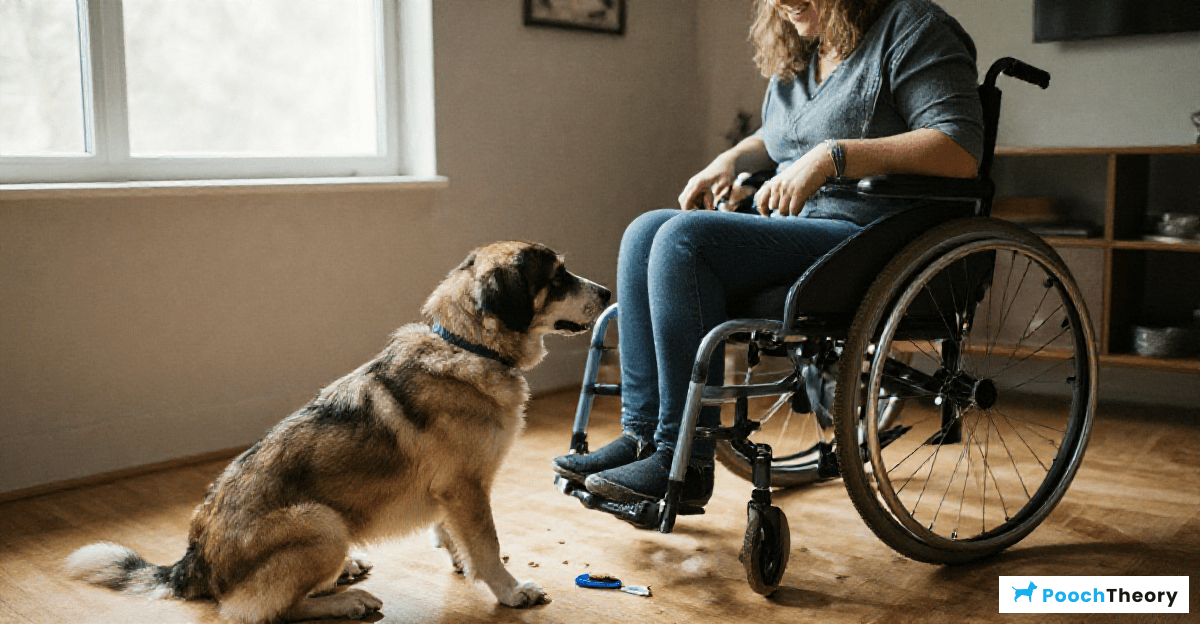
Establishing a consistent training routine for your dog is crucial for effective learning and behavioral improvement. Routines provide structure and predictability, essential for dogs to thrive.
To implement a successful routine, identify specific times each day for training activities. Training sessions should be kept short but frequent, ideally around 5-10 minutes, in conjunction with daily activities like walks.
Be patient and flexible; dogs can have off days just like us. Monitor their progress and adjust your methods as needed. Consistently practicing social skills in a controlled setting can help reduce anxiety and increase confidence in dogs. For more on social skills, visit our discussion on how to socialize a dog.
When to Seek Professional Help
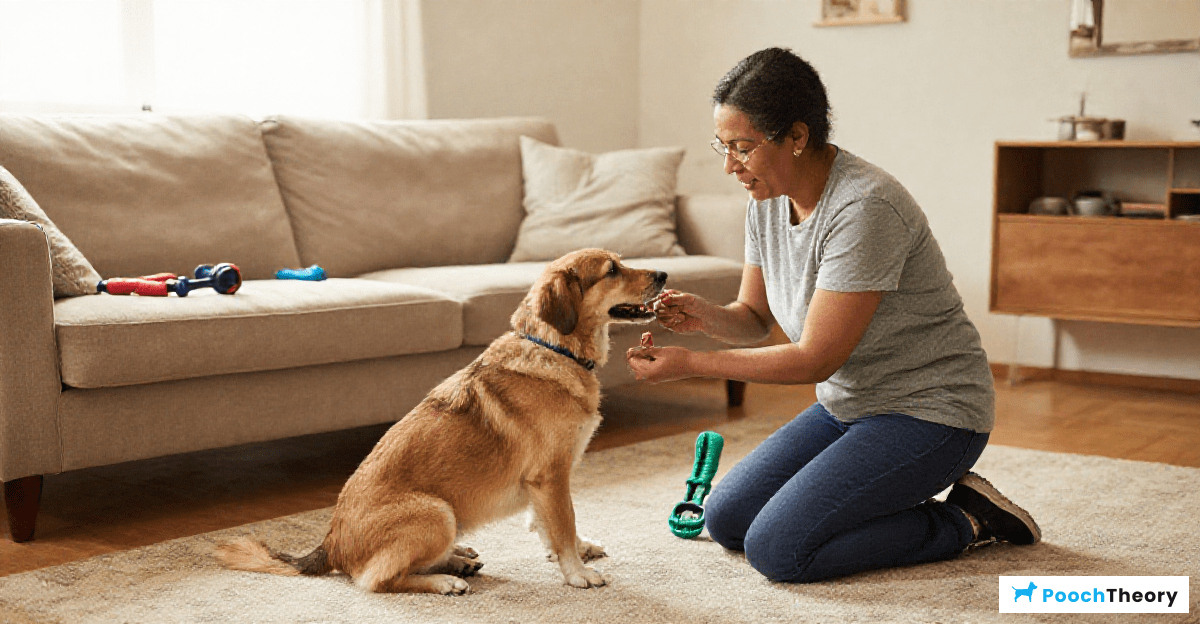
When considering the training of service dogs for people with disabilities, enlisting professional help can be crucial. Here are some key indicators that it might be time to seek out professional trainers or organizations specializing in this field:
- Lack of Experience: If you’re unfamiliar with dog training principles, working with a professional can enhance training effectiveness.
- Specialized Skills Needed: Engage trainers who have experience with service dog training for specialized tasks.
- Behavioral Issues: Professional trainers can implement behavioral modification techniques for dogs displaying aggression or anxiety.
- Legal Requirements: Understanding state laws regarding service dog training necessitates working with a certified trainer.
- Time Constraints: Limited time for training can warrant professional help to expedite the process.
- Support and Resources: Professional organizations offer resources such as support groups, invaluable throughout your service dog journey.
For those considering the benefits of professional training, check out our detailed Ultimate Guide to Dog Training at Home.
Conclusion
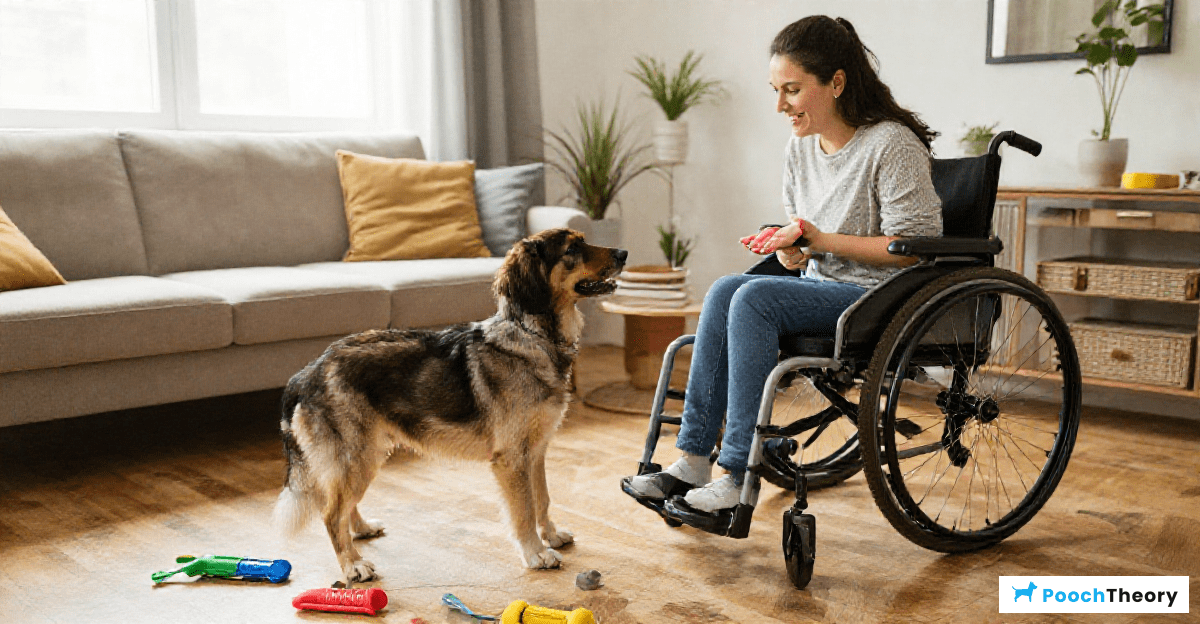
In summary, dog training is an empowering journey that offers numerous benefits, particularly for individuals with disabilities. Engaging in dog training fosters a strong bond between the owner and their pet, enhances communication skills, and promotes confidence and independence.
The techniques employed, such as positive reinforcement and engaging exercises, make dog training an enjoyable activity for everyone involved. We encourage individuals to embrace the opportunity to train their dogs not only for practical benefits but also to experience the joy of working together.
Sources
- BBC – Article Title
- CNET – AI Wearable Isn’t for You, For Your Dog
- CNET – How to Use AI to Become a Better Fur Parent
- Forbes – 5 Ways to Make Your Dog Happier This Year
- NY Post – Lifelike Robot Therapy Dog Named Snoop Helps People with Disabilities
- Pooch Theory – How to Socialize a Dog
- Pooch Theory – Ultimate Guide to Dog Training Home Tips Techniques