


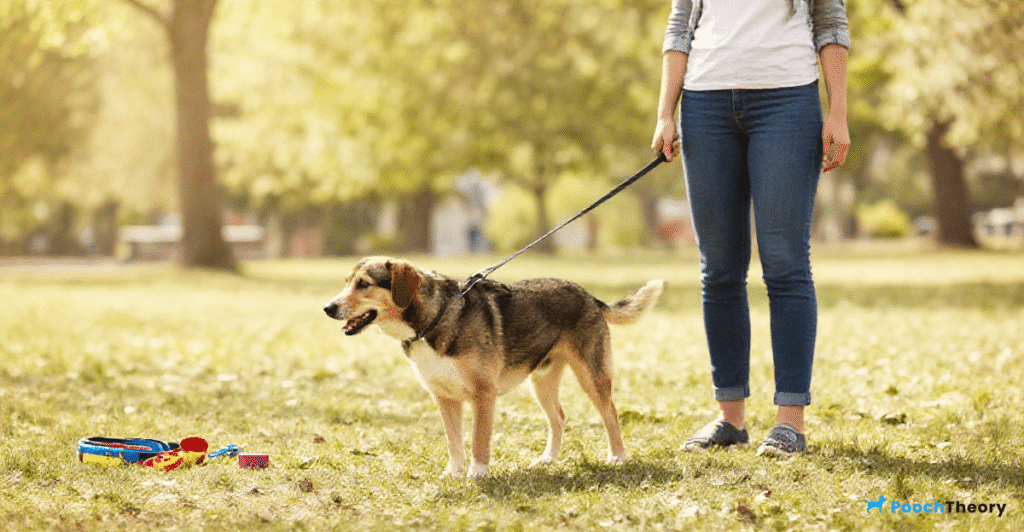
Understanding Reactive Dogs and Their Challenges
Reactive dogs display heightened emotional responses that can lead to challenges during walks, such as barking, lunging, or snapping at various stimuli. These reactions often stem from fear or frustration, making walks stressful for both the dog and the owner. Common triggers include other dogs, people, and environmental distractions, which can overwhelm a reactive dog and provoke these negative behaviors. Understanding these triggers is vital for creating an effective training plan that addresses reactivity head-on.
Developing a Tailored Training Approach
To successfully manage a reactive dog, developing a tailored training approach is essential. This often includes techniques such as desensitization and counter-conditioning, which help the dog gradually acclimate to their triggers while reinforcing calm behaviors. Consistent training, patience, and proper handling techniques during walks can significantly enhance a reactive dog’s confidence and overall behavior. Owners looking for strategies specific to certain breeds may find useful insights in articles like Reactive Dog Breeds, which outline effective training methods and behavioral management strategies suitable for various canine temperaments.
The Importance of Loose Leash Walking


Loose leash walking is a vital skill for both dogs and their owners that promotes a pleasant and controlled walking experience. This technique involves teaching your dog to walk beside you without pulling, ensuring the leash remains slack. Not only does it foster a more enjoyable stroll, but it also reduces potential hazards that may arise from dogs lunging or straining against their collars, which can lead to injuries for both the dog and the owner.
Understanding this walking technique is particularly essential when managing dogs that exhibit reactivity—those that might react poorly to other dogs, people, or stimuli during walks. A dog that effectively engages in loose leash walking can maintain focus on its owner rather than becoming distracted by its surroundings. This control can significantly minimize opportunities for reactive behavior, making outings more manageable and less stressful for both pet and owner. Training methods that encourage loose leash walking often incorporate positive reinforcement, which helps build a strong bond between the dog and its owner while promoting good behavior. For further insights, check out our comprehensive guide on how to train your dog effectively or learn more about reactive dog breeds and how to handle them.
Preparing for Success in Dog Training
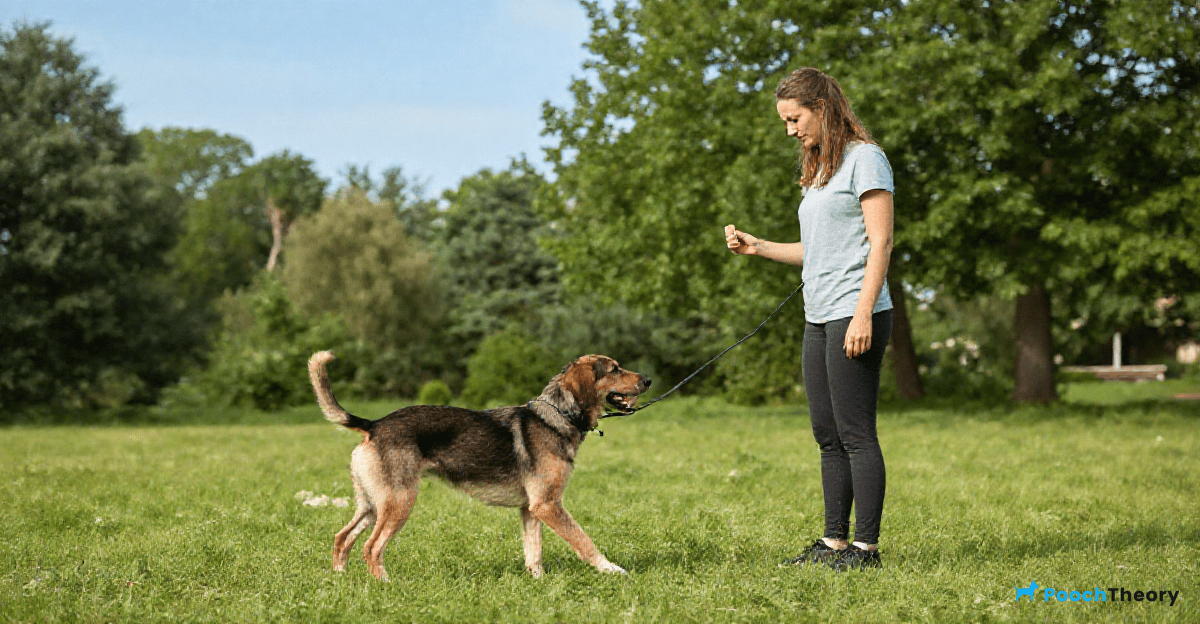
To set your training up for success, careful preparation is essential. Start by selecting the right equipment tailored to your dog’s specific needs. Basic gear typically includes a sturdy leash, collar or harness, training treats, and, for some, clickers or other tools to facilitate positive reinforcement. Quality harnesses that distribute pressure evenly are favored for training, especially with dogs prone to pulling; these are often more effective than traditional collars, which can cause strain and discomfort. For further details on effective training tools, refer to our comprehensive Ultimate Guide to Dog Training.
Just as important as equipment is the training environment. Choose a place that is free from distractions, like other dogs, loud noises, or people that might divert your dog’s attention. A quiet space allows for better focus during training sessions, particularly when teaching commands or behaviors that require concentration. Gradually increasing the level of distractions in a controlled manner can help your dog learn to focus in different settings. For more insights on creating conducive training settings, check out our article on socializing dogs, which discusses how to introduce new experiences in a positive way.
Finally, consider your training schedule. Consistency is key; training should occur at the same time every day, which helps your dog understand when to expect learning. By preparing adequately with the right tools and environment, you lay a strong foundation for successful dog training.
Training Techniques for Loose Leash Walking
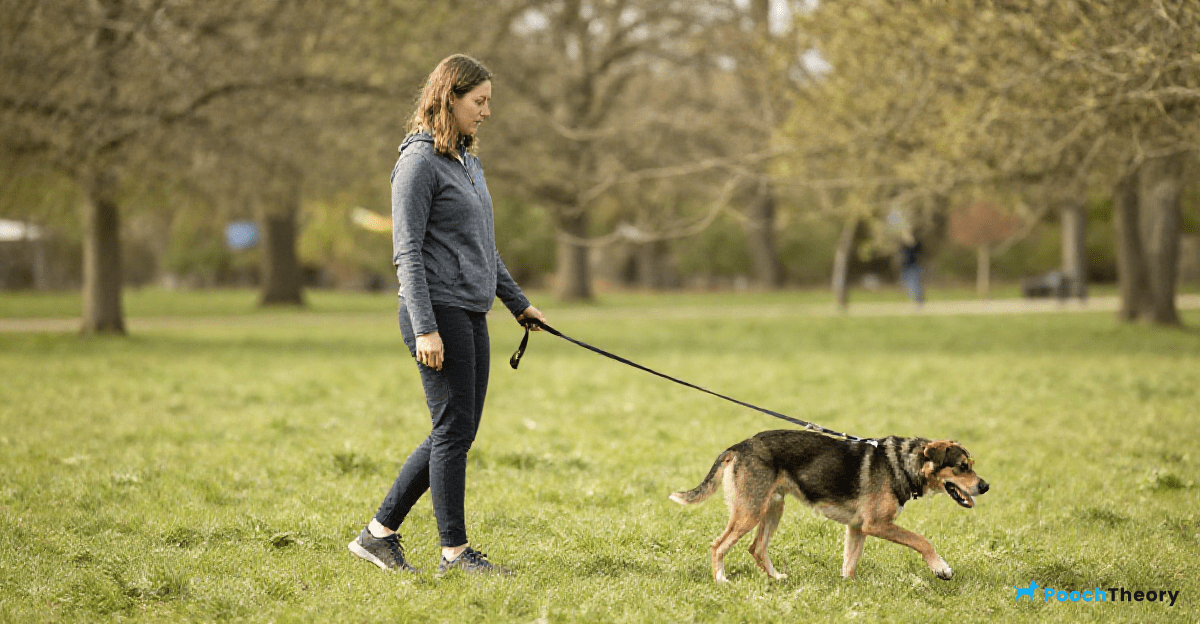
Teaching your dog to walk on a loose leash can enhance your walks and improve your relationship. Here are effective techniques to master this skill, broken down into step-by-step instructions:
- Start Indoors: The “Watch Me” Command
Begin training in a distraction-free area like your living room. Use treats to grab your dog’s attention and say, “Watch me.” When your dog looks at you, reward them immediately. This establishes focus and sets the stage for outdoor training. - Short Leash Use
Use a training leash that’s around 4-6 feet long. This allows you to maintain control without excessive slack. Position your dog on your left side, ensuring the leash is taut without pulling. - The “Heel” Command
With your dog next to you, say “Heel” or “Let’s go” as you start walking. If your dog pulls ahead, stop immediately and wait for them to return to your side. Reward them when they resume the heel position. Repeat this until your dog understands that walking alongside you is the desired behavior. - Practice Turns
Make sudden turns while walking and encourage your dog to follow you. This teaches them to stay focused and be responsive to your direction. If they pull, stop and wait for them to come back to your side before continuing. - Reward Loose Leash Behavior
Throughout your walks, reward your dog for walking beside you with treats or praise when the leash remains loose. Be consistent; they need to understand that staying close earns them positive reinforcement. - Dealing with Distractions
Gradually introduce distractions by moving your practice outdoors. Keep rewarding your dog for maintaining a loose leash despite these distractions. If they get distracted, stop and wait for their focus to return before moving again. - Gradual Increase of Challenges
Increase the challenge by incorporating other dogs or people into your training environment. Maintain your pace and direction, rewarding your dog for focusing on you rather than the distractions. - Review and Adjust
Consistently review your dog’s progress. If they regress, go back to the previous step where they were successful. Patience is key; some dogs may take longer to adapt to loose leash walking.
By following these techniques and staying consistent, your dog will learn to enjoy the walk without pulling. For more on dog training methods, check out our comprehensive guide on dog training techniques.
Managing Reactivity During Training
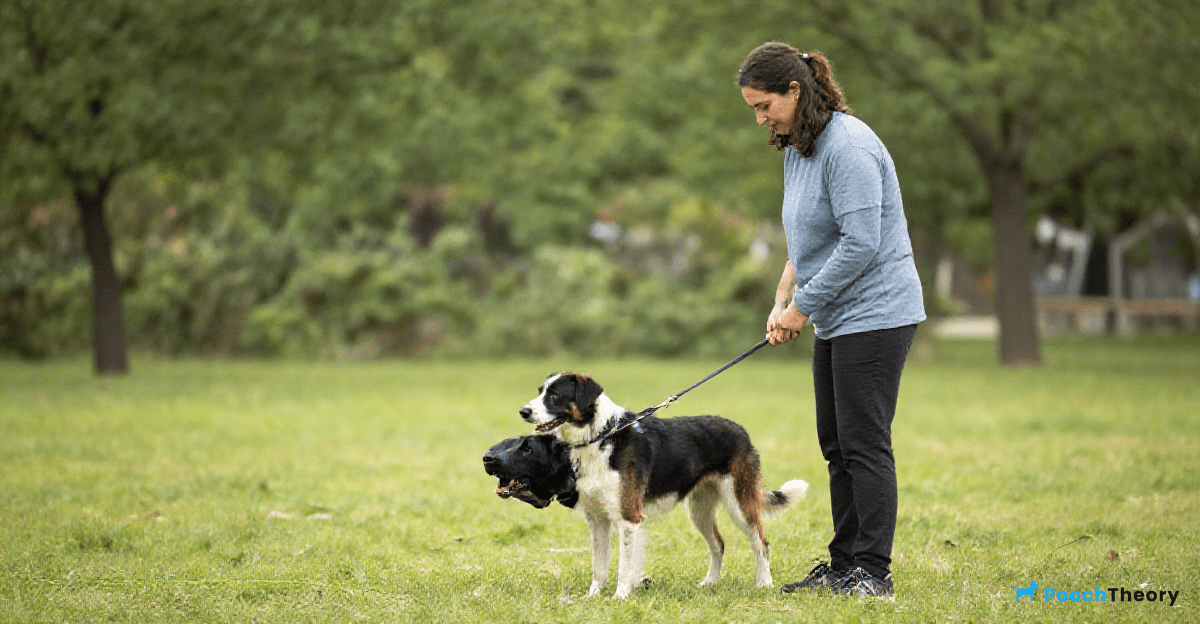
Managing reactivity during dog training is crucial for ensuring a safe and productive learning environment. To effectively address and reduce reactive behaviors, consider implementing these strategies:
- Identifying Triggers: Start by observing your dog to identify specific triggers that lead to reactive behavior, such as other dogs, people, or loud noises. Documenting these triggers will help tailor your training approach. It’s essential to work on desensitization and counter-conditioning exercises whenever your dog is exposed to these stimuli.
- Positive Reinforcement: Utilize positive reinforcement techniques, rewarding your dog with treats or praise for calm behavior in the presence of triggers. This method encourages desirable behavior without resorting to punishment, which can exacerbate anxiety and reactivity. Programs like the Ultimate Guide to Dog Training emphasize the effectiveness of these approaches.
- Controlled Socialization: Gradually expose your dog to various environments and situations in a controlled manner. This means practicing with leashed walks in less busy areas, where encounters with other dogs or people are limited. Gradually increasing exposure can help your dog become more comfortable over time.
- Training Alternative Behaviors: Instead of simply trying to suppress reactivity, teach your dog alternative behaviors. For example, if your dog reacts to other dogs, train them to focus on you and perform a sit command when they see a trigger. This redirection can enhance their confidence and reduce reactive responses.
- Utilizing Tools Wisely: Devices like head halters or no-pull harnesses can offer better control during walks, preventing sudden reactive outbursts. However, it’s essential to use these tools coupled with positive reinforcement to ensure they do not foster negative associations or anxiety in your dog.
- Professional Help: If your dog’s reactivity is severe, consider seeking help from a professional dog trainer or animal behaviorist. Professionals can provide tailored plans and strategies to manage reactivity more effectively.
These strategies not only aid in reducing reactive behaviors but also build a stronger bond between you and your dog, transforming training into a more enjoyable experience. For insights on specific breeds that may be more prone to reactivity, refer to our article on Reactive Dog Breeds.
Creating a Structured Training Schedule
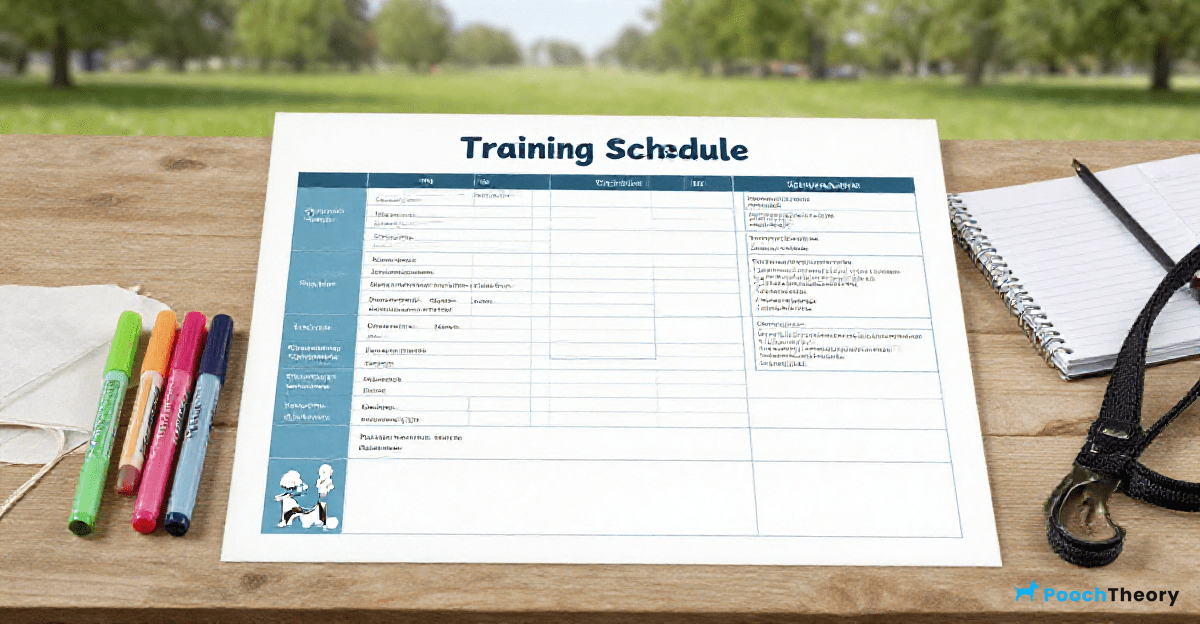
Creating a structured training schedule for your dog is essential for effective learning and behavioral development. A well-organized plan includes clear timelines and realistic goals that help maintain consistency in training efforts.
- Set Clear Objectives
Start by defining what you want to achieve with your dog’s training. Goals can range from basic obedience, such as sit and stay, to more complex tasks like agility training or service tasks. For instance, if your goal is to teach your dog to come when called, you’re laying the groundwork for safety and reliable communication during outdoor activities. - Break It Down into Manageable Steps
Divide your overall training objectives into smaller, actionable steps. This can include weekly or bi-weekly skills sessions. For example, focus on one command per week, gradually introducing new commands while ensuring your dog masters previous ones. Each training session should last between 5 to 15 minutes, depending on your dog’s attention span, as younger or more energetic dogs may benefit from shorter sessions to maintain focus. - Create a Training Timeline
Schedule specific times for training within your week, aiming for at least 3 to 5 sessions weekly. Consistency is key, as regular practice reinforces learning. Utilize a calendar or planner to track progress—marking off completed skills can motivate both you and your dog. - Incorporate Variety
To maintain your dog’s interest and engagement, mix up the training environment and introduce new challenges. Alternate between indoor and outdoor training sessions, and practice in various locations. This helps your dog generalize commands across different settings, which is crucial for real-world applications. - Evaluate and Adjust
Regularly assess the effectiveness of your training schedule. Are your dog and you meeting your weekly goals? If certain commands are proving difficult, consider extending the timeline or revisiting foundational training exercises. Flexibility is essential; adapting your plan based on results will lead to increased success. - Celebrate Small Wins
Reward your dog for achievements, no matter how small. Use treats, praise, or playtime as positive reinforcement to encourage desired behaviors. This not only strengthens the bond between you and your dog but also fosters a positive training experience.
For more in-depth techniques and strategies, explore our Ultimate Guide to Dog Training or learn about How to Socialize a Dog for additional insights that can enhance your training schedule.
Addressing Common Challenges in Dog Training
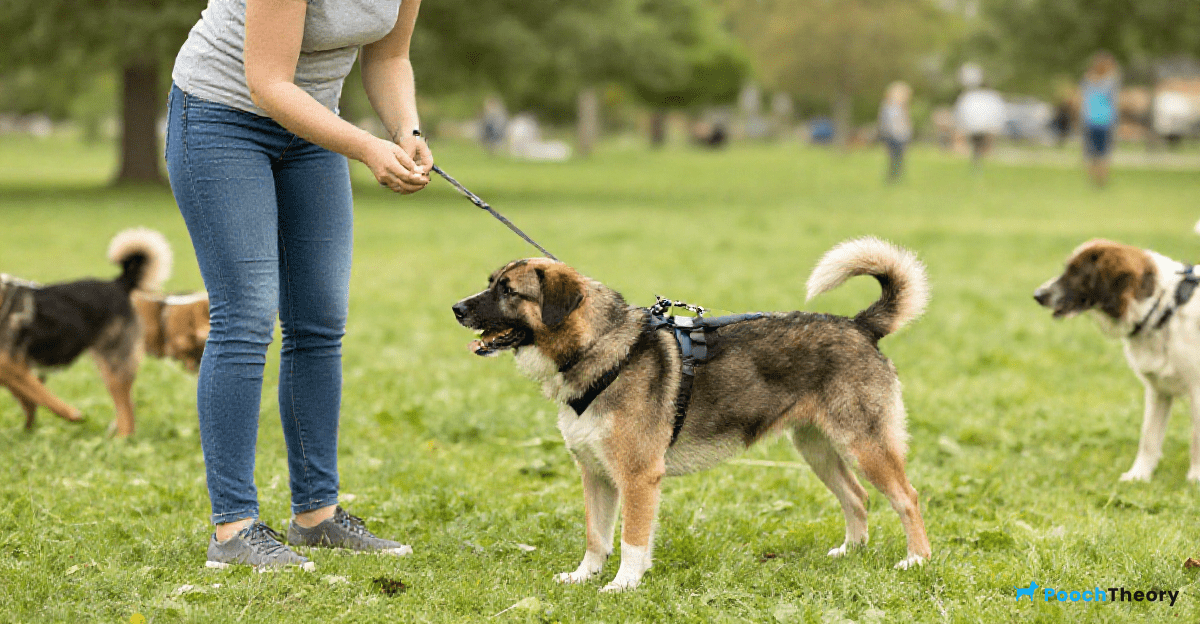
During dog training, various issues can arise that may hinder progress. Here are some common challenges and their solutions:
- Behavioral Problems: Aggression and excessive barking are often cited as significant issues. Behavioral problems can account for a substantial percentage of returns to shelters, with aggression-related issues noted in over 38% of cases. To tackle this, it’s essential to identify triggers and employ positive reinforcement techniques. Consider consulting a professional trainer if behaviors escalate. Research supports the importance of realistic expectations during training, emphasizing that owners should have a clear understanding of the behavior they wish to encourage.
- Lack of Consistency: Inconsistency in commands or rewards can confuse dogs, leading to frustrating training sessions. Establish a routine and be consistent with commands and cues. This consistency helps dogs learn expectations more effectively. Engaging in structured training sessions can solidify this consistency.
- Mismatched Training Techniques: Different training styles can create confusion for your dog. If you’re working with family members or multiple trainers, ensure everyone is on the same page regarding techniques and commands. It may be beneficial to establish a common training plan or schedule group training sessions that align with your dog’s needs.
- Failure to Address Stress: Dogs may exhibit resistance or fear if they feel stressed during training. Recognizing signs of stress and adapting the training environment can make a significant difference. Create a positive atmosphere and consider incorporating play into training to reduce anxiety and increase engagement.
Addressing these common challenges proactively will enhance the training experience and promote effective learning outcomes for your dog.
Conclusion: Embracing the Training Journey
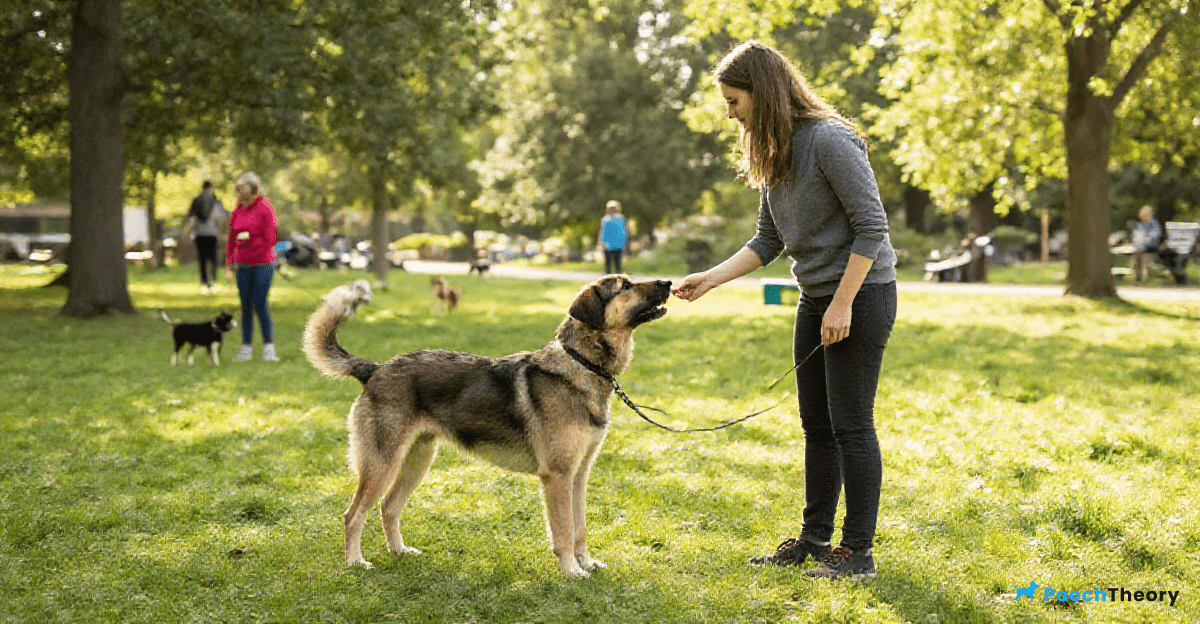
In summary, the training plan developed provides a structured path for dog owners to enhance their understanding of canine behavior and improve their skills in training. Continued learning and practice are essential for reinforcing these skills. Just as you would not expect instant expertise in a new language, dog training requires ongoing commitment and practice. Engaging in regular training sessions and utilizing various techniques not only strengthens the bond with your dog but also fosters a more harmonious relationship.
Moreover, exploring additional resources and communities dedicated to dog training can further enrich your learning experience. Websites such as Pooch Theory’s Ultimate Guide to Dog Training offer expert insights and techniques that can be beneficial for both novice and experienced trainers alike. Embrace the journey of dog training as a continuous improvement process, where each step taken reinforces the foundation laid in earlier training sessions.
Make use of various platforms, workshops, and forums that focus on dog training to share experiences and best practices. Keeping a journal of your training sessions can also help track progress and identify areas for improvement. When challenges arise, remember that patience and persistence are key to success in dog training. As you progress, consider exploring more specialized topics, such as emotional support dog training, to expand your expertise further.