


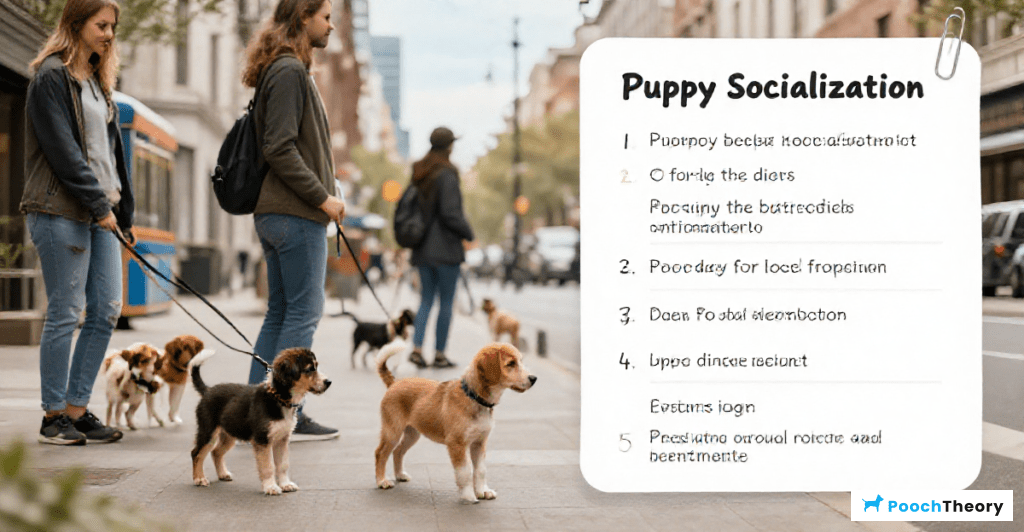
The Importance of Puppy Socialization in Urban Environments
Puppy socialization is essential for any dog, but it’s particularly crucial for puppies living in urban environments. In cities, dogs encounter a unique blend of stimuli, which can include bustling streets, diverse crowds, and various noises, such as traffic and sirens. Early socialization helps puppies adapt to these environments, reducing the risk of developing anxiety or aggression later in life. Studies have shown that well-socialized dogs are less likely to exhibit behavioral problems, such as fear of strangers or other animals, making walks and social outings much more enjoyable for both the dog and the owner [Source].
Moreover, a well-socialized puppy is often more confident and calm, which is vital for navigating the many stressors of city living. Exposure to a variety of experiences places less strain on the puppy’s developing nervous system, creating a balanced, resilient adult dog. Socialization should start as early as possible—ideally before 16 weeks—using positive reinforcement techniques to introduce the puppy to other dogs, people, and new experiences [Source].
City living presents unique challenges and opportunities. Activities like visits to parks, pet-friendly cafes, and playdates with other dogs can be particularly beneficial. Engaging in training classes or socialization groups can also provide structured environments for puppies to learn and interact safely [Source]. By prioritizing socialization, urban puppy owners can cultivate well-rounded dogs that thrive in their vibrant city surroundings.
Understanding Puppy Development Stages
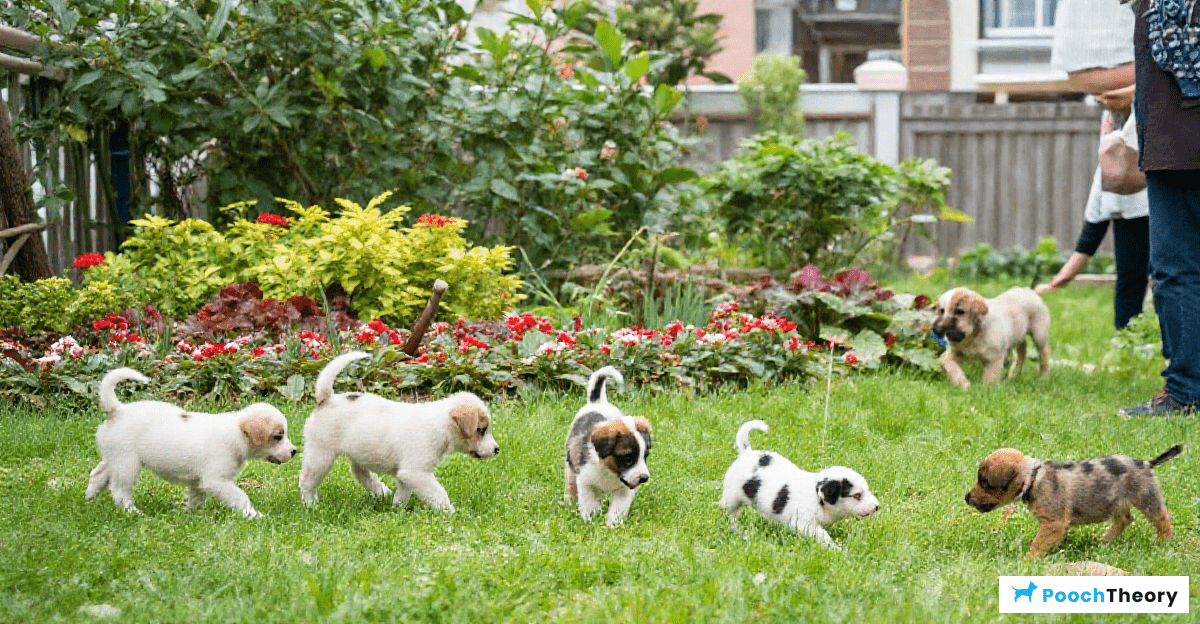

Puppy development has critical stages that significantly influence their social behavior and overall temperament. One of the most crucial windows for socialization occurs between 3 to 16 weeks of age, often referred to as the “sensitive period” for development. During this phase, puppies are particularly receptive to new experiences, people, and environments, which helps shape their future interactions and behavior. Socializing puppies with varied stimuli can prevent behavioral problems, as those who miss out on early social experiences may develop anxiety or fearfulness later in life.
Introducing puppies to diverse settings, other animals, and different humans in a safe and controlled manner is essential. This helps them build confidence and learn appropriate social skills. Research indicates that participating in group training classes can be especially beneficial, as they facilitate supervised interactions and provide guidance from professionals. Starting training early ensures that a puppy learns to trust humans and feel comfortable in various situations, laying the groundwork for a well-adjusted adult dog.
Neglecting socialization during these formative weeks can lead to long-term behavioral issues, making it challenging for the dog to adapt later in life. Owners should actively engage their puppies in positive social experiences to prevent anxiety and foster good manners. For effective socialization tips, consider checking out our guide on how to socialize a dog, which offers insights into structured activities and environments conducive to healthy development.
Essential Socialization Experiences for Puppies
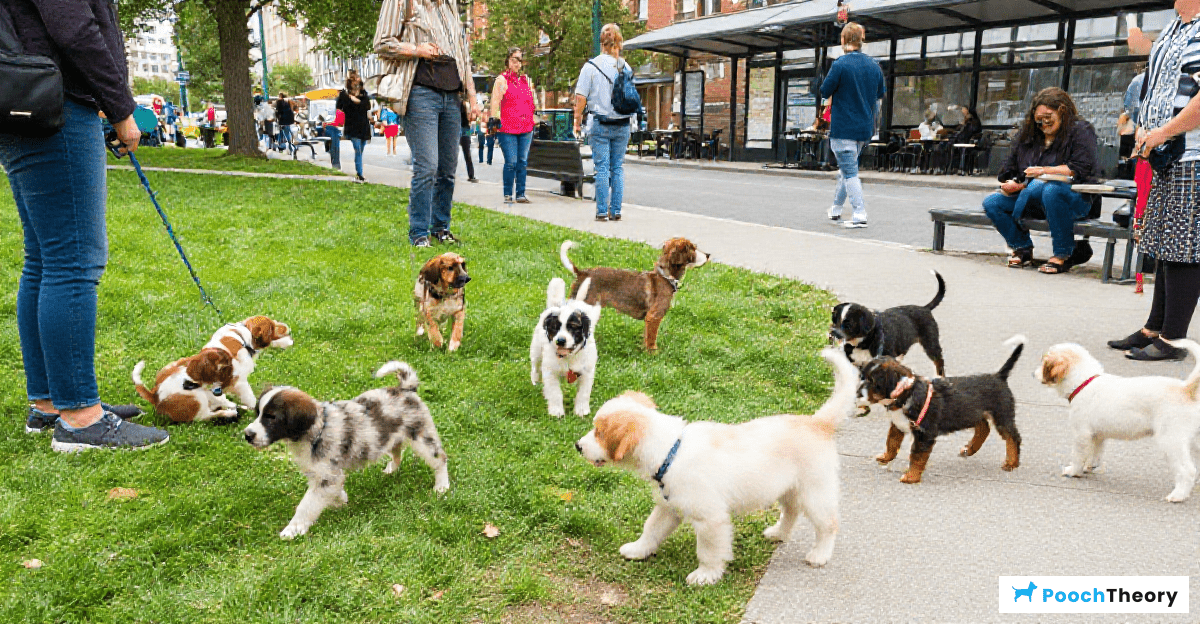
Socialization is crucial for puppies, as it ensures they adapt well to different environments, people, and other animals. This exposure helps in developing a well-mannered, confident adult dog. Here are some essential socialization experiences your puppy should have:
- Meeting Different People: Introduce your puppy to various individuals, including children, seniors, and people with distinctive appearances (like hats or glasses). This broad exposure helps reduce fear and anxiety when encountering strangers in the future. Engaging in group puppy socialization classes can be a beneficial way to facilitate these encounters in a controlled setting, promoting positive interactions.
- Interacting with Other Animals: Socializing with other dogs is critical for teaching puppies proper canine etiquette. One study found that dogs who lacked early social experiences might exhibit behavioral problems later in life. Arrange playdates with well-behaved dogs or enroll in puppy classes to ensure safe interactions. Additionally, allowing your puppy to meet other animals, such as cats or pets of various sizes, can further enhance their adaptability.
- Exposure to Various Environments: Take your puppy out to different locations, such as parks, busy streets, or pet-friendly shops. Each new environment presents unique sights, sounds, and smells that can help your puppy develop confidence. Regular exposure to varied settings will prepare them for unexpected situations they may face as adults.
- Dealing with Novel Experiences: Introduce your puppy to unusual objects (umbrellas, bicycles) or noises (vehicles, fireworks). Gradual exposure to these stimuli can prevent fear responses and encourage resilience. Ensure these experiences remain positive by using treats and praise, reinforcing the idea that new experiences are exciting rather than threatening.
Socialization should occur during the critical period of your puppy’s development, typically up to 16 weeks of age. However, you can continuously socialize your dog throughout their life to reinforce good behavior. For additional tips on enhancing your puppy’s sociability, visit our detailed guide on how to socialize a dog.
Safe Areas for Dog Socialization in Urban Settings
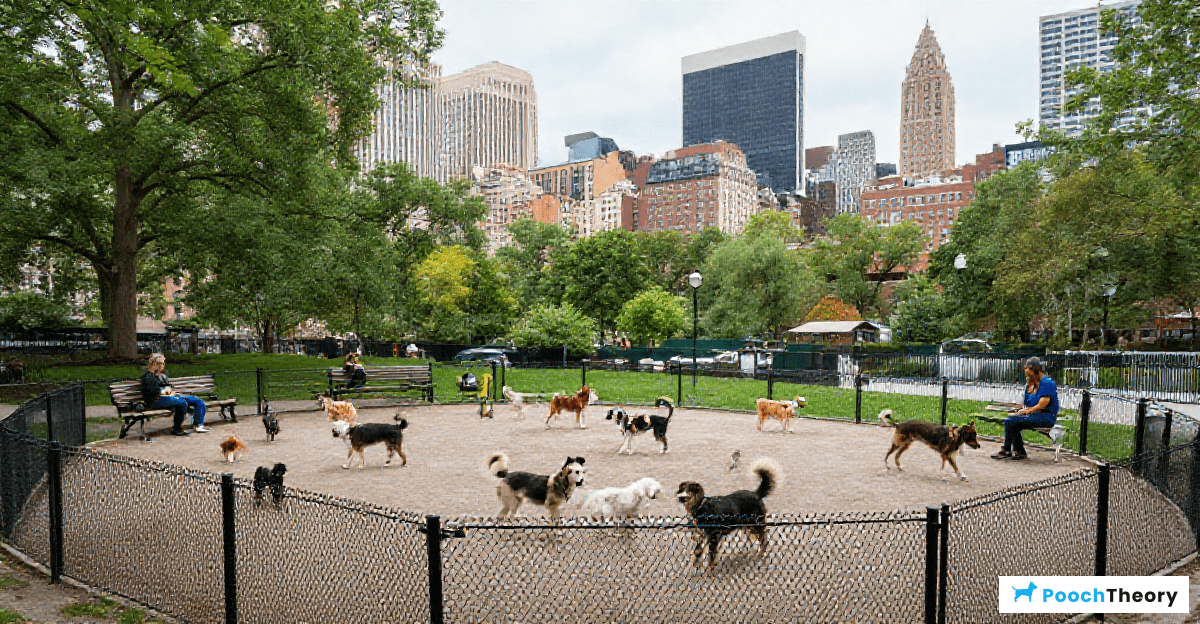
In urban environments, finding safe areas for dog socialization is crucial for pet owners. Here are several suggestions that provide excellent opportunities for dogs to interact in a secure setting:
- Local Parks: Parks like Riverside Park in New York City offer designated dog areas where pets can run off-leash and socialize with others. These parks often feature agility equipment and fenced spaces, ensuring a controlled environment where dogs can have fun while being supervised.
- Dog-Friendly Beaches: If you’re near the coast, consider visiting dog beaches. Locations such as Broward County Dog Beach allow dogs to enjoy the sand and surf while mingling with fellow beachgoers. Ensure you check the specific regulations regarding leash requirements and permitted hours.
- Pet-Friendly Cafés and Restaurants: Many urban areas now feature pet-friendly establishments. Spots like Dog Café LA not only allow dogs but also host socialization events where pets can play while owners enjoy a coffee. Some locations offer structured playtimes that help dogs develop social skills in a relaxed environment.
- Training Classes and Meetups: Participating in supervised training classes or meetups, such as those organized by local trainers or community groups, provides structured socialization opportunities. These classes typically feature controlled environments where dogs can learn to interact appropriately, preventing the development of behavioral issues.
- Indoor Dog Parks: Facilities like Barkly’s Indoor Dog Park provide a safe haven for dogs in inclement weather. These indoor parks often feature agility courses and spaces for dogs to play freely, allowing for interaction without the uncertainties of outside distractions.
For detailed guidelines on socializing dogs effectively, check out our detailed guide on how to socialize a dog, which outlines key strategies for ensuring a positive experience for your furry friend.
Techniques for Positive Reinforcement During Socialization
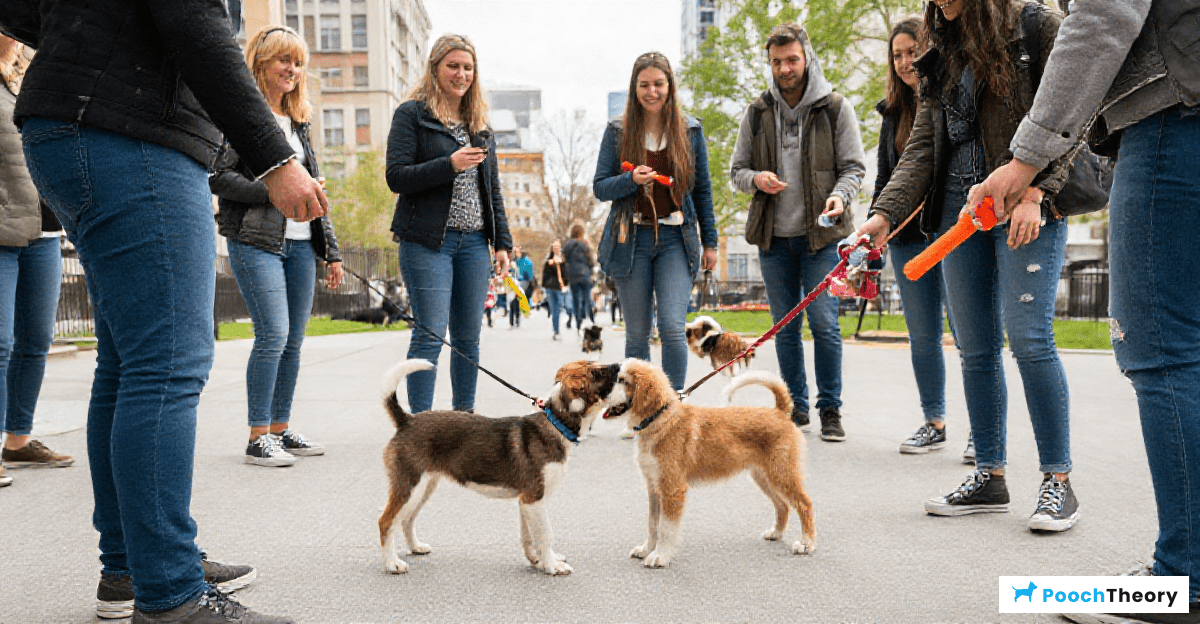
Positive reinforcement plays a pivotal role in encouraging desirable behavior in dogs, particularly during socialization. Here are effective techniques to implement:
- Treat Rewards: Using treats as rewards is a foundational method in positive reinforcement. When dogs exhibit good behavior—such as calmly greeting another dog or person—offering a treat can reinforce that behavior. Opt for small, tasty treats that your dog loves to ensure they stay engaged.
- Verbal Praise: Alongside treats, verbal affirmations like “good boy” or “well done” can bolster a dog’s confidence. The tone of your voice can convey approval and encouragement. This is especially useful in reinforcing behaviors in a social setting, prompting dogs to associate positive experiences with interactions.
- Clicker Training: This method utilizes a sound—a clicker—followed by a reward. The click noise marks the exact moment the desired behavior is performed, making it clear to the dog what they did right. Clicker training can be incredibly effective during socialization, as it allows for immediate feedback in dynamic scenarios. For a deeper understanding of clicker training, check out our article on marker training vs clicker training.
- Play as Reward: Many dogs respond exceptionally well to play. Integrating playtime as a reward can encourage sociable interactions. For instance, if a dog remains calm while meeting a new pet, engaging them in a game of fetch can enhance the positive experience.
- Gradual Exposure: For dogs that may be wary of social interactions, gradual exposure combined with positive reinforcement can be fruitful. Start with controlled environments and slowly introduce them to new people and dogs. Reward them when they explore these interactions calmly, reinforcing their bravery in social settings.
Utilizing these techniques consistently will not only promote good behaviors during socialization but also foster a happier, well-adjusted pet. For further insights on how dogs can learn through positive reinforcement, visit our comprehensive guide about positive reinforcement training alternatives.
Creating a Consistent Socialization Schedule
Creating a consistent and engaging socialization schedule for your dog is crucial for their development and well-being. Here are some tips to ensure your pup gets the social experiences they need:
- Set Regular Playdates: Schedule weekly or bi-weekly playdates with other friendly dogs. This not only increases your dog’s social skills but also helps them build confidence in various environments. You can arrange these playdates at local parks or even in your backyards.
- Join Group Classes: Enroll your dog in group training classes. These classes not only teach important obedience skills but also expose them to other dogs and people in a structured setting. Look for classes that focus on socialization as part of their curriculum, such as puppy kindergarten or obedience training.
- Attend Dog-Friendly Events: Participate in dog-friendly community events, such as charity runs or dog shows. For example, events like the Haven Humane’s Doggie Dash not only provide social opportunities but also promote community engagement and fun activities for your dog.
- Incorporate Daily Walks: Make daily walks a staple in your routine. Walking in varied environments exposes your dog to different sights, sounds, and smells which are critical for their socialization. Ensure that these walks incorporate encounters with other dogs and people to maximize their experiences.
- Use Dog Daycare Services: Consider enrolling your dog in a reputable daycare, particularly if they have limited interaction with other pets at home. Dog daycare allows for safe, supervised socialization and can help your dog learn to interact positively with other dogs.
- Monitor Interactions: Always observe your dog during socialization activities. It’s essential to ensure that interactions are positive and supportive to build their confidence. If your dog shows signs of anxiety or fear, take a step back and gradually reintroduce them to new experiences at their own pace.
By building a structured socialization schedule, you create an enriching environment for your dog. This ongoing social exposure can prevent behavioral issues and enhance their overall happiness. For more on effective socialization strategies, check out our comprehensive guide on how to socialize a dog.
Recognizing Signs of Anxiety in Your Puppy

Recognizing signs of anxiety or stress in your puppy is essential for promoting their well-being. Common indicators include excessive barking, withdrawal from social interactions, trembling, and changes in eating or sleeping habits. Physical signs such as a tucked tail, raised hackles, and a lowered head posture can also suggest unease. Puppies may also exhibit destructive behaviors or attempts to escape when anxious.
Understanding the triggers of your puppy’s stress is crucial. These can range from loud noises, unfamiliar environments, to changes in routine. Implementing a positive reinforcement approach during training can help modify their reactions to stressors. Gradual desensitization, where your puppy is slowly exposed to their triggers while maintaining a safe distance, can also reduce anxiety over time.
Creating a calm environment further aids in alleviating your puppy’s stress. Establishing routines, providing a safe space, and using sound-dampening tools, like white noise machines or soft music, can contribute to a sense of security. For persistent anxiety, consulting a veterinarian or a professional dog trainer is advisable for tailored strategies and potential behavioral therapies.
For more comprehensive training techniques, visit our guides on puppy socialization and positive reinforcement training.
The Importance of Ongoing Socialization
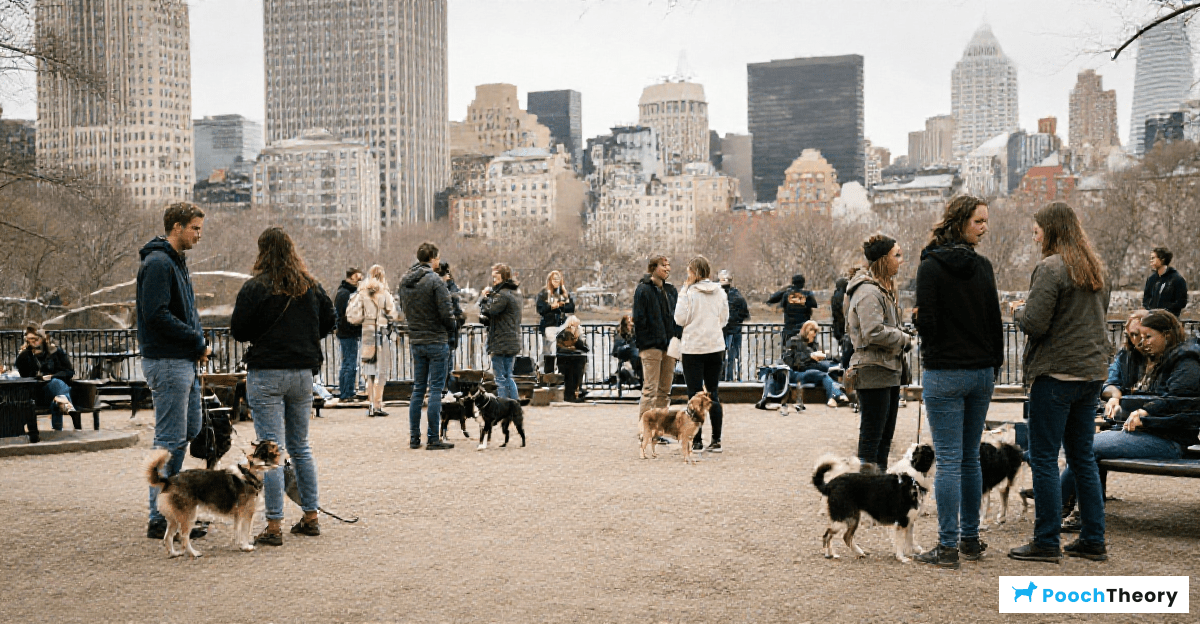
Ongoing socialization is crucial for a dog’s development, extending well beyond puppyhood to ensure that adult dogs are well-adjusted and behave appropriately in various social situations. While the critical socialization period for puppies typically lasts until they are about 16 weeks old, continuous exposure to new environments, people, and other animals remains essential throughout their lives.
Research indicates that adult dogs that are not properly socialized may exhibit behavioral issues such as aggression, anxiety, and fear of novel stimuli. In contrast, those that have ongoing socialization experience enhanced behavioral stability and adaptability, decreasing the chances of developing anxiety-related disorders or aggression issues when faced with new scenarios or challenges [HuffPost].
To maintain your dog’s social skills, consider participating in regular socialization activities. These could include group dog training classes, dog parks, or organized playdates with other dogs. Such interactions help reinforce positive behaviors and provide opportunities for dogs to practice their communication skills with other animals [Pooch Theory]. Furthermore, exposing your dog to diverse environments—such as different types of people, various settings, and new experiences—can help mitigate fears and enhance their confidence.
Incorporating socialization into your dog’s routine also benefits owners by creating a stronger bond and ensuring a well-behaved companion, which can lead to a more enriching life for both you and your furry friend. To learn more about effective socialization techniques and their benefits, visit our comprehensive guide on socializing dogs beyond puppyhood.
Conclusion
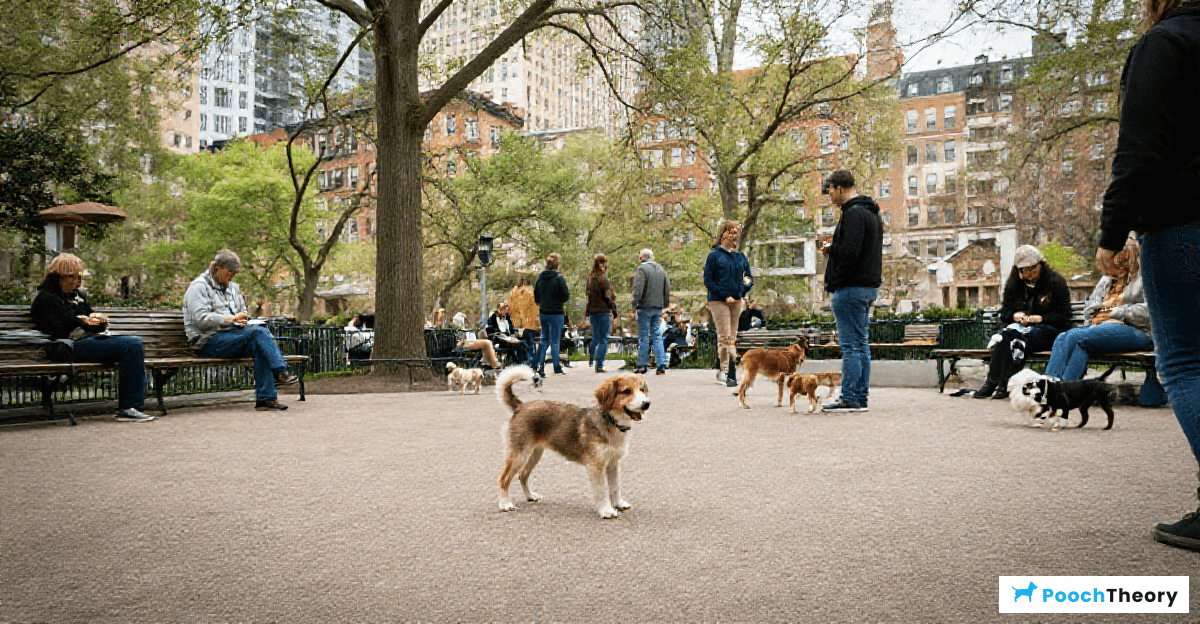
In summary, effective dog socialization is crucial for a well-adjusted pet. It involves exposing your dog to various people, environments, and experiences, helping them grow into confident and well-mannered companions. Key strategies include enrolling in group training classes, intending to engage your dog with other well-behaved dogs under experienced supervision. This approach not only minimizes behavioral problems but also aids in establishing basic manners in a supportive environment, paving the way for positive interactions later on.
Encouragement for continued efforts is vital; consistently socializing your dog in diverse environments promotes adaptation and resilience. Positive reinforcement techniques, such as rewarding your dog for calm behavior during social encounters, can effectively enhance their comfort level in new situations. For more detailed guidance on socialization methods, visit our guide on dog socialization. Lastly, remember that persistence is key. As you continue to expose your dog to varied experiences, their confidence will blossom, ensuring they become a well-rounded member of your household and community.