



Understanding the Importance of Nighttime Crate Training
Crate training is a vital aspect of pet ownership, especially for puppies. It introduces a safe space that helps with emotional security, reduces anxiety, and encourages healthy habits. By design, crates emulate a den-like environment, offering puppies a retreat where they feel safe and secure. This practice is particularly beneficial during nighttime, as many puppies feel anxious in a new home. Crate training can help ease this transition by creating a safe personal space for them to sleep.
When introducing a puppy to nighttime crate training, consistency is essential. It instills a routine that the puppy can rely on. Start by making the crate inviting with comfortable bedding and perhaps a favorite toy. You can enhance the positive association with the crate by feeding the puppy inside it and using treats as rewards. As they begin to feel comfortable, they will learn that the crate is a place of rest rather than isolation.
Moreover, allowing your puppy to adjust slowly and using a positive reinforcement approach can significantly reduce any anxiety related to crate time. Setting a bedtime routine that includes a last bathroom break and some quiet time can also help signal to your puppy that it’s time to rest. If you’re looking for specific tips on reducing nighttime anxiety for dogs, consider our guide on an effective bedtime routine for dogs.
In addition, crate training aids in housebreaking by encouraging your puppy to hold their bladder during the night, ultimately contributing to a more disciplined potty routine. This structured approach helps create boundaries that not only teach the puppy where it’s appropriate to go but also fosters a sense of security and reliability for the owner.
In conclusion, nighttime crate training offers numerous benefits, serving as an essential foundation for your puppy’s development and a peaceful relationship between you and your pet. For additional resources on maintaining successful crate training practices, check out our article on creating a puppy crate schedule.
Choosing the Right Crate for Your Puppy
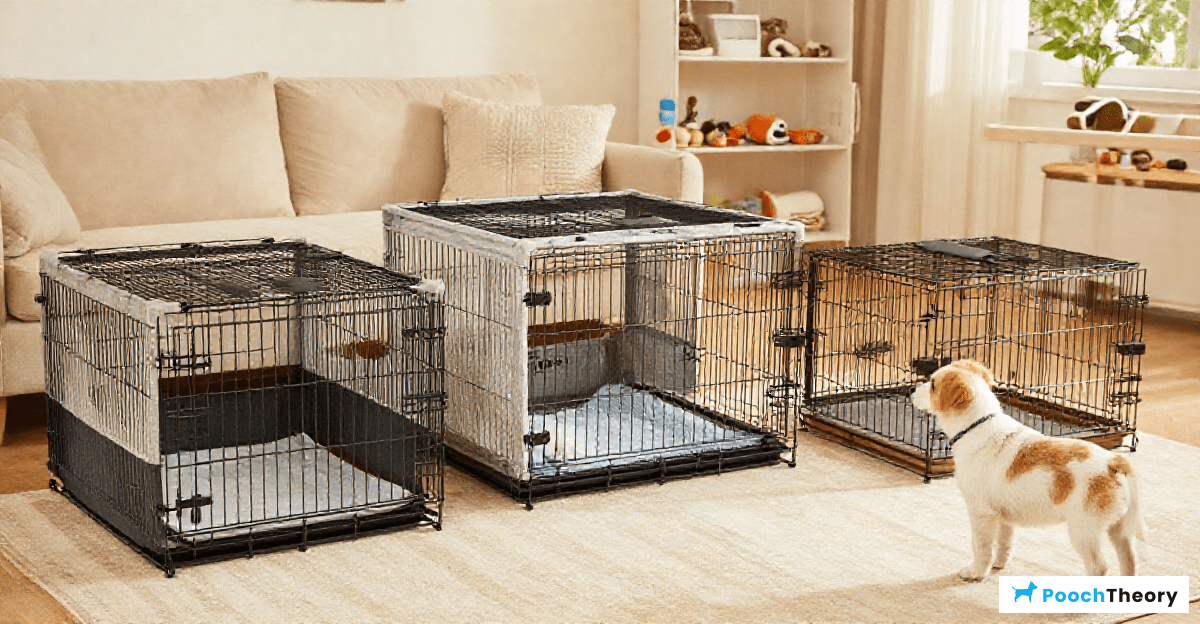

When selecting the right crate for your puppy, it’s essential to consider both size and type to ensure comfort and safety. The crate should be large enough for your puppy to stand, turn around, and lie down comfortably without feeling cramped. A general rule is to choose a crate that is 2 to 4 inches longer and taller than your puppy’s current size, but it should not be so large that it allows space for your puppy to eliminate in one corner and rest in another, as this defeats the purpose of crate training.
Types of Crates
- Wire Crates: These crates are well-ventilated and provide visibility. They can be easily adjusted as your puppy grows by using dividers.
- Plastic Crates: Offering more security, these are ideal for travel. However, they can feel enclosed, which might be comforting for some puppies.
- Soft-Sided Crates: Lightweight and portable, these are great for travel but may not suit all puppies, especially those that like to chew or claw.
- Heavy-Duty Crates: Designed for strong puppies or those prone to escaping, these are made from tough materials but can be heavier and less portable.
When choosing the crate, consider the puppy’s breed, size, and temperament. For instance, a larger, more active breed may benefit from a durable wire crate, while a less active smaller breed might thrive in a soft-sided crate [Source].
Benefits of Crate Training
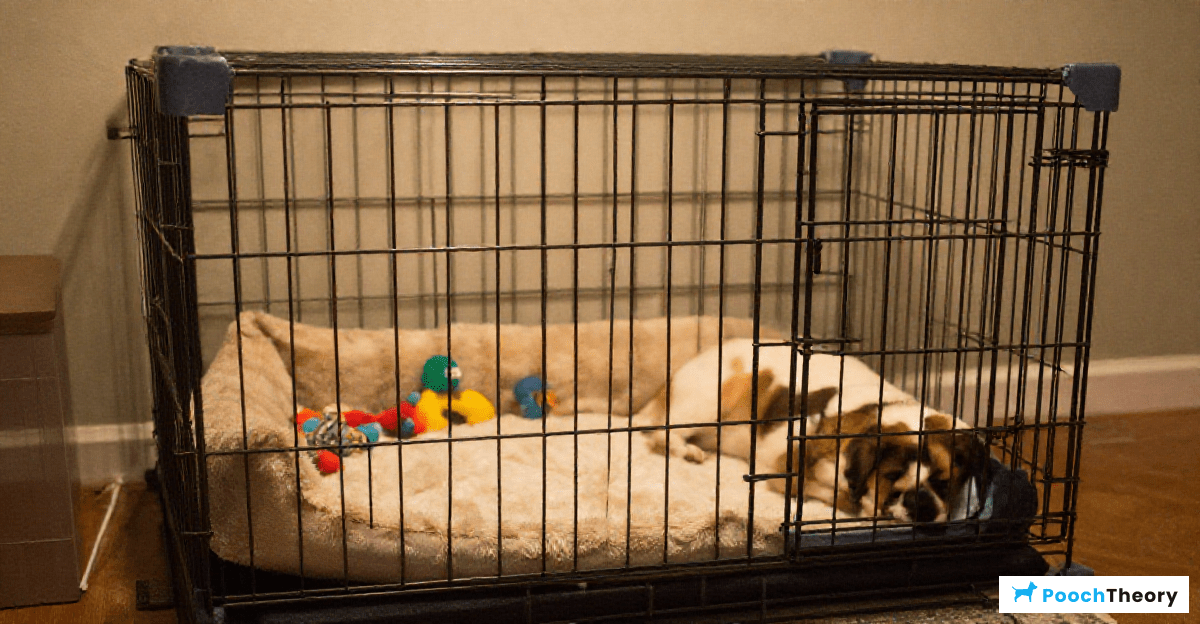
Crate training offers several benefits:
- Safety and Security: A crate provides a safe space for your puppy when you can’t supervise closely.
- House Training: Most puppies instinctively avoid soiling their sleeping area, making crates an effective tool for housebreaking.
- Stress Relief: A crate can serve as a “den” where your puppy feels secure during stressful situations like loud noises or unfamiliar settings [Source].
By carefully evaluating both the type and size of crate that fits your puppy’s needs, you can cultivate a positive crate training experience that promotes your puppy’s growth and comfort. For further guidance on integrating crate training within your puppy’s daily routine, check out our article on puppy crate schedules.
Creating a Cozy Crate Environment
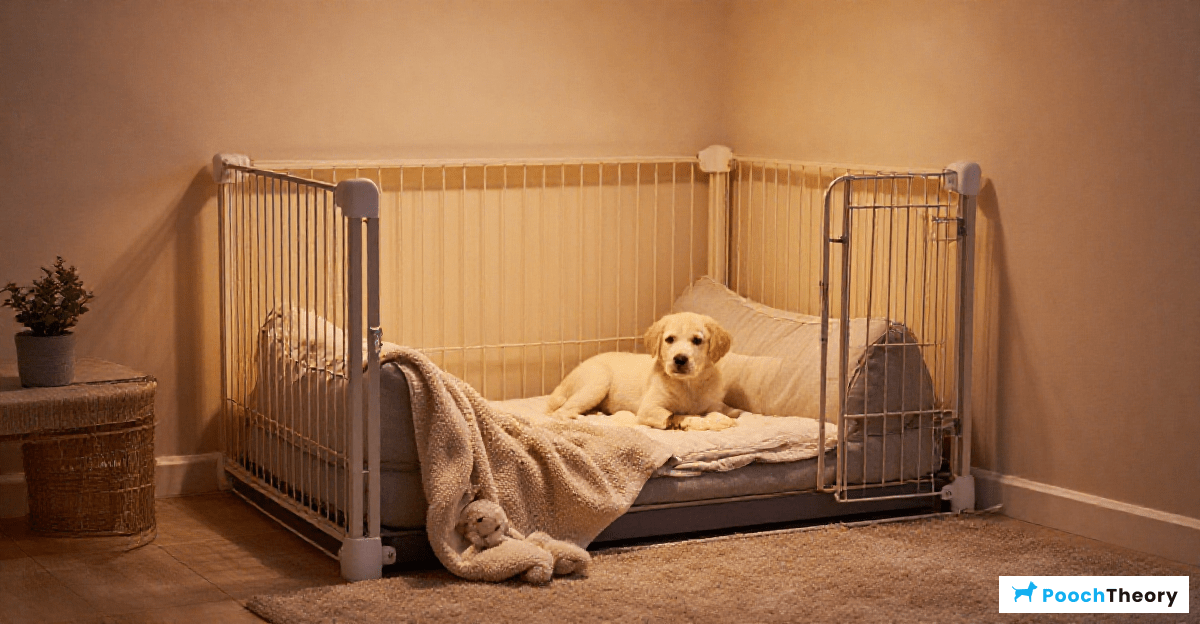
Creating a cozy and inviting crate environment for your puppy is essential for a good night’s sleep. Here are some effective tips to ensure your furry friend feels comfortable and secure:
- Choose the Right Crate Size: The crate should be spacious enough for your puppy to stand, turn around, and lie down comfortably.
- Add Soft Bedding: Use a soft, washable crate pad or blanket to provide a comfy surface for your puppy to rest on.
- Incorporate Warmth: Puppies, especially smaller breeds or those with short fur, can benefit from additional warmth at night. Consider using a self-warming pad that reflects their body heat. Products like the ones from K&H Pet Products are well-reviewed [source].
- Create a Calming Atmosphere: Ensure the crate is in a quiet area of the house, away from disruptive noises. Adding a piece of your clothing can help soothe your puppy.
- Use Crate Training Techniques: Gradually introduce your puppy to the crate by making it a positive space.
- Consider Nighttime Accessories: Some puppies may enjoy having a toy for comfort.
By preparing the crate thoughtfully, you can create a warm and inviting space that helps your puppy associate bedtime with positive experiences. For more tips on establishing a bedtime routine for dogs, check out our guide on bedtime routines.
Establishing a Nighttime Routine for Your Puppy
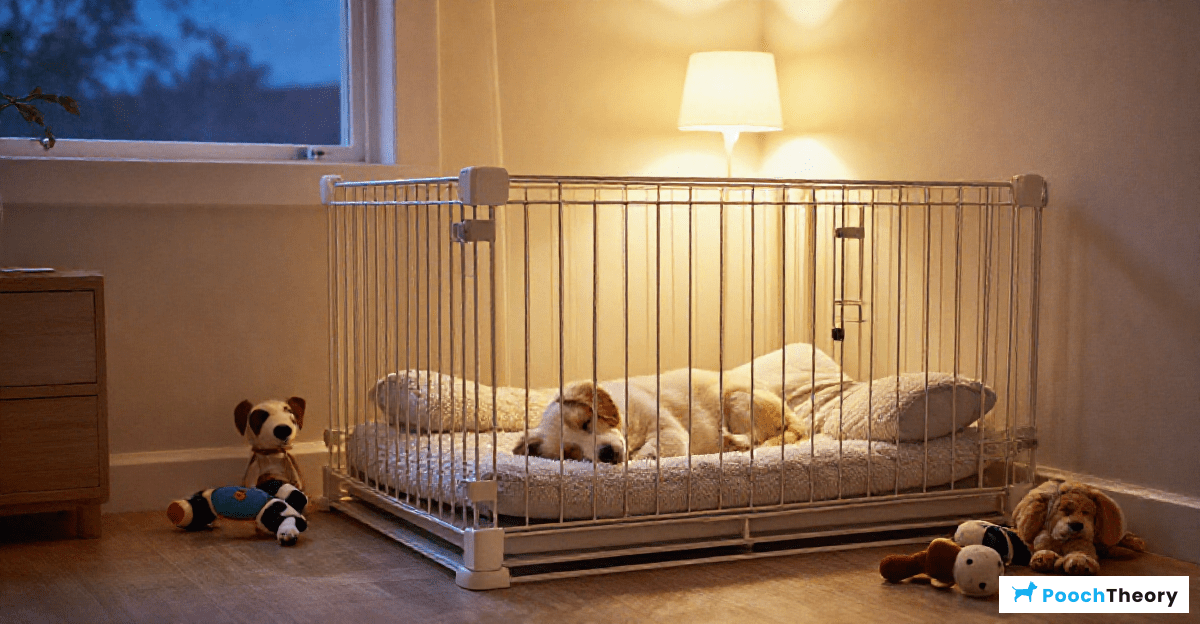
Establishing a consistent nighttime routine is essential for helping your puppy adjust to crate training. Just like humans, puppies thrive on predictability, which fosters a sense of security and reduces anxiety. A well-structured bedtime routine can significantly ease the transition to sleeping in a crate, making it a more positive experience.
- Create a Wind-Down Period: Dedicate the last hour before bedtime to calming activities.
- Set a Consistent Schedule: Try to stick to the same bedtime each night to prepare your puppy for sleep.
- Use a Familiar Crate: Make the crate a cozy and safe space by adding soft bedding and toys.
- Incorporate a Cue: Use a specific cue like a phrase or sound to signal that it’s time to settle down.
- Limit Nighttime Disruptions: Minimize noise and activity to signal to your puppy that it’s nighttime.
By following these steps, you’ll support your puppy’s adjustment to crate training while fostering good nighttime habits. For further tips on easing your puppy’s anxiety, you can check out our article on an effective bedtime routine for dogs.
Gradual Acclimation to the Crate
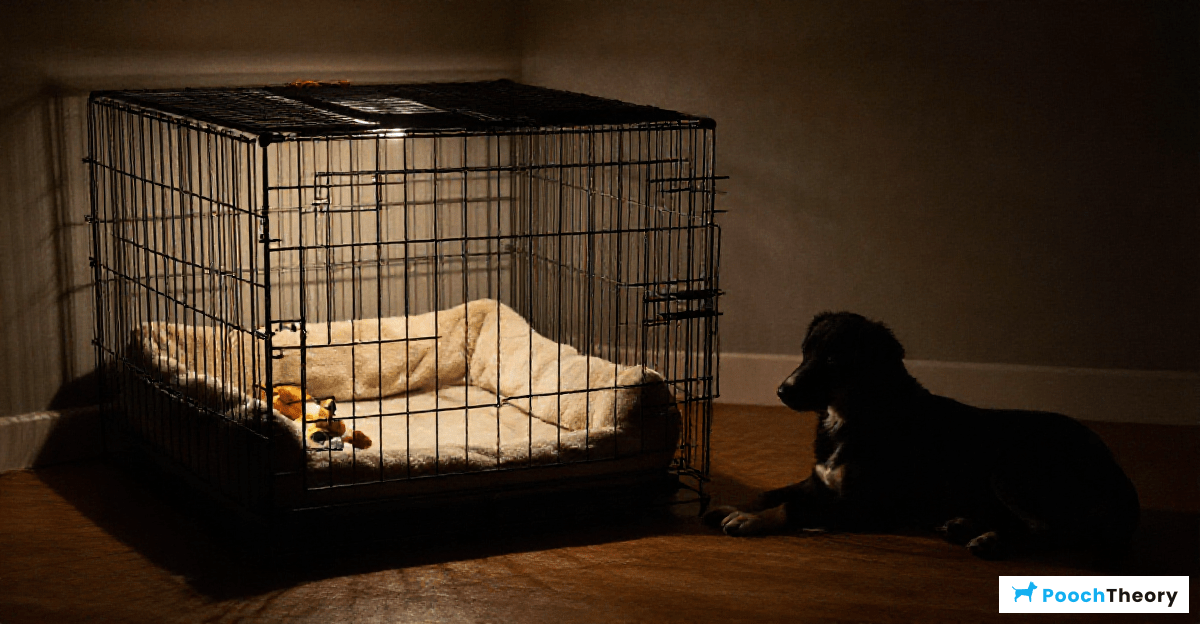
Gradual acclimation to a crate can significantly reduce crying and anxiety in your puppy. Here’s a step-by-step approach to help your puppy feel comfortable in their new space.
- Create a Positive Association: Start by placing the crate in a common area of your home. Toss some treats inside to encourage them.
- Short Stay Periods: Begin closing the door for short periods while you are nearby.
- Gradual Increments: After your puppy adjusts, start leaving the room for a few minutes.
- Mealtime in the Crate: Feed your puppy their meals inside the crate to build a positive association.
- Gradual Nighttime Crating: Start using the crate at night once they are comfortable.
- Avoiding Negative Experiences: Do not use the crate as a form of punishment.
By following these steps, your puppy can gradually learn to embrace their crate as a secure and cozy retreat, minimizing anxiety and crying. For additional tips on creating a calming environment, check out our article on bedtime routines for dogs.
Utilizing Positive Reinforcement Techniques

Using positive reinforcement techniques is essential when crate training your puppy, making it a comfortable and rewarding experience. By associating the crate with treats, praise, and encouragement, you foster positive feelings about this enclosed space. Start by introducing the crate as a relaxing spot by placing it in a quiet area.
Encourage your puppy to explore it without pressure, using treats to lure them inside. Once they enter, shower them with praise. Gradually increase the time they spend inside, continuing to reward and comfort them verbally.
Make sure to avoid forcing your puppy into the crate or using it as punishment; negative experiences can create fear. Consider incorporating their favorite toys inside the crate and creating a routine where your puppy is fed while inside the crate.
For more detailed guidance, view our article on puppy crate schedules to help structure these experiences effectively.
Managing Nighttime Crying
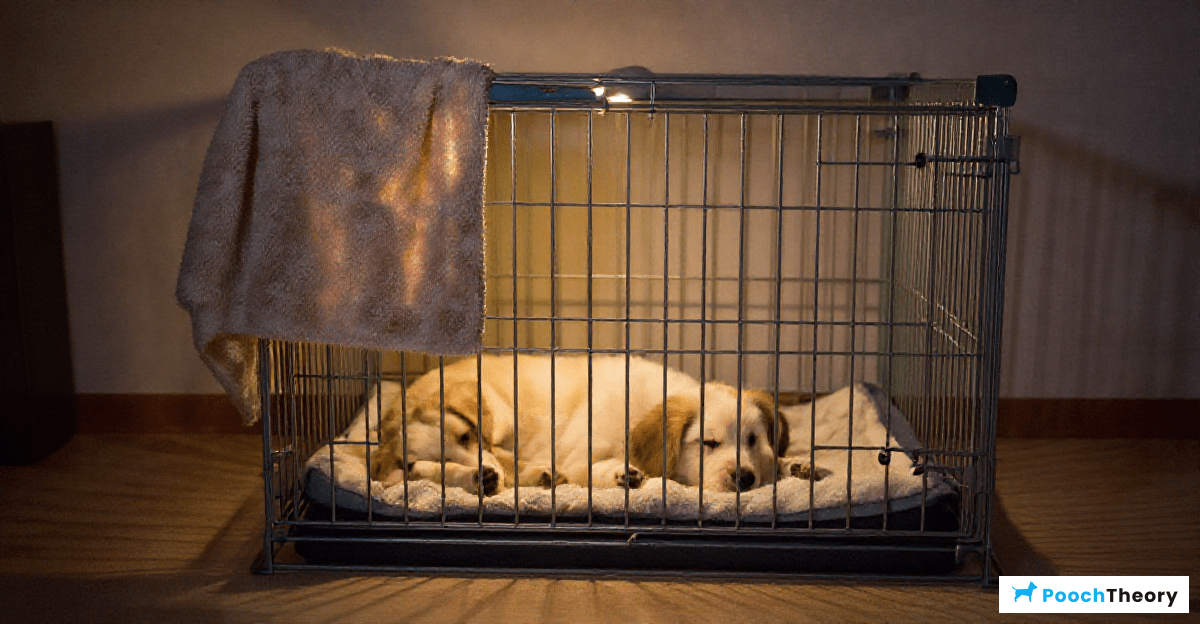
Crying in dogs at night can stem from various causes, including anxiety or a desire for companionship. Here are effective strategies to manage and reduce nighttime crying:
- Create a Comfortable Sleep Environment: Ensure your dog’s sleeping area is cozy and safe. Use a soft bed and familiar items like toys.
- Establish a Routine: Dogs thrive on predictability, so create a consistent daily routine.
- Gradual Desensitization: Practice short separations during the day to help them adjust.
- Positive Reinforcement: Reward your dog for settling in quietly at night.
- Physical and Mental Exercise: Ensure your dog gets ample exercise and stimulation throughout the day.
- Avoid Punishment: Focus on understanding the behaviors rather than punishing them.
By employing these strategies, you can help your dog feel more at ease during the night, significantly reducing crying and enhancing their overall wellbeing.
Recognizing When to Seek Help

During crate training, recognize signs that your puppy may need additional support from a trainer or veterinarian. Early recognition can prevent further behavioral issues:
- Excessive Whining or Barking: This may indicate anxiety or fear of confinement.
- Destructive Behavior: Indicating distress or boredom. Professional guidance may be necessary.
- Fearful Reactions: Signs of fear should trigger intervention from a qualified trainer.
- Inconsistent Potty Training: Accidents may signal a health issue.
- Failure to Progress: No improvement over several weeks may necessitate engaging a trainer.
Considering these signs and seeking professional help can ensure your puppy associates the crate with safety and comfort.
Conclusion: Benefits of Crate Training
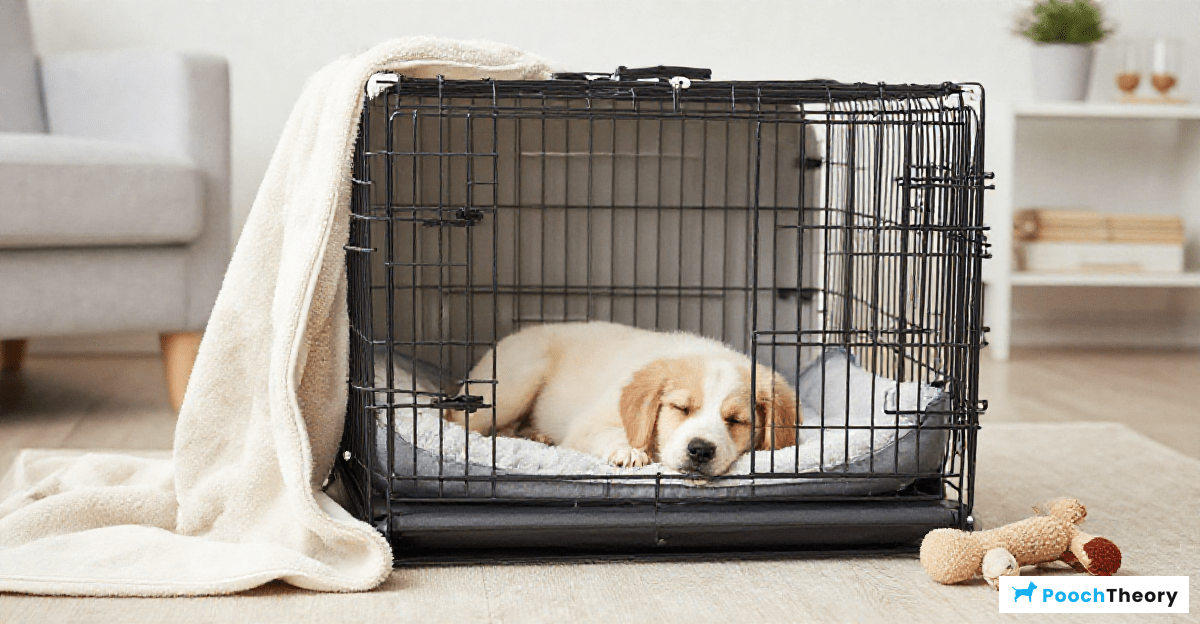
Successful crate training at night offers several advantages that can greatly enhance your puppy’s development. It provides a secure environment for your puppy, fostering safety crucial for their emotional well-being. When done correctly, crate training can minimize nighttime accidents and promote better sleep patterns. This process is essential for helping puppies develop a routine that leads to a more peaceful home.
With patience and consistency, you’ll see substantial rewards in your puppy’s behavior and comfort. If challenges arise, consider leveraging expert resources, like the comprehensive guides available on Pooch Theory and effective bedtime routines that can aid in lessening anxiety.