


Understanding Why Puppies Nip and Chew
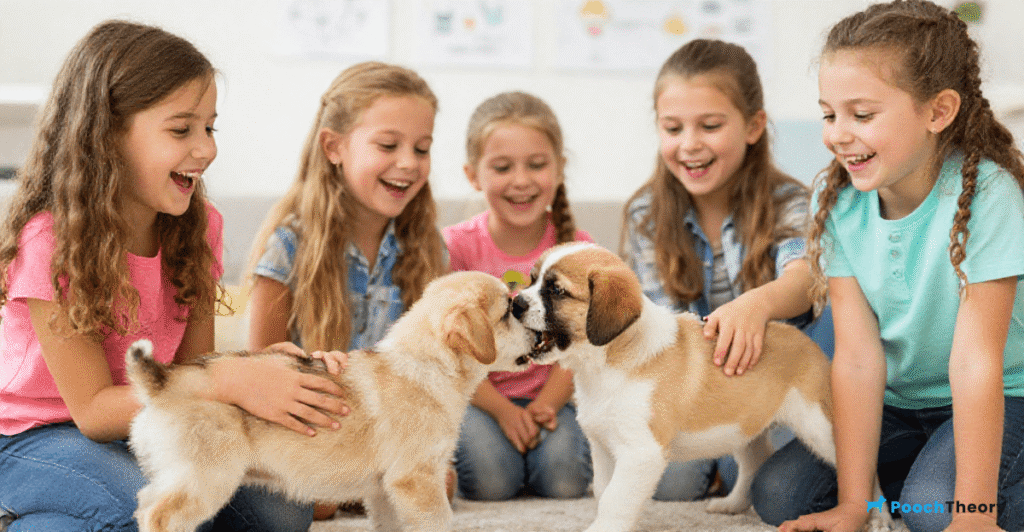
Puppies are known for their playful nature, which often includes nipping and chewing. This behavior is a normal part of their development and serves several important purposes.
One of the primary reasons puppies nip is to explore their environment. Just like human infants, puppies use their mouths to learn about the world around them. Chewing and nipping help them interact with their surroundings and understand different textures and sensations. This exploratory behavior is crucial for their cognitive and sensory development.
Additionally, nipping is a natural instinct for puppies, as it mimics the play behavior they would exhibit with their littermates. During play, puppies engage in mock fighting, which often includes biting and nipping. This not only helps build their social skills but also teaches them bite inhibition, a vital skill that controls how hard they bite during play. Puppies that engage in regular play with other dogs learn to modulate their strength to prevent causing harm.
It’s also worth noting that teething can contribute to nipping behavior. Like babies, puppies experience discomfort when their teeth come in, and chewing can provide relief. Providing appropriate chew toys can help redirect their nipping and satisfy their need to chew [Pooch Theory: Dog Training Tips].
To manage this behavior, it’s essential for puppy owners to be patient and consistent. Teaching puppies commands like “no bite” and providing alternatives such as chew toys can guide them towards appropriate behaviors. Socializing with other dogs is also beneficial, as it allows puppies to learn appropriate play methods and bite restraint from their peers [Pooch Theory: Socialization Tips].
Addressing Puppy Nipping at Children


Puppy nipping at children can pose significant risks, both emotional and physical. This behavior often stems from a puppy’s natural instinct to play or explore, yet it can quickly escalate into harmful situations if not addressed. Reports indicate that mishaps involving dogs and children are common, with recent statistics highlighting a notable increase in dog-related incidents, including bites to young children. For instance, a study by South Yorkshire Police reported multiple cases of dog bites during festive gatherings, particularly when children and dogs intersect in stressful environments, causing heightened anxiety for the pet and danger for the child [BBC].
Improper introductions and interactions can also lead to negative encounters. In instances where children are overly enthusiastic or loud, a puppy may perceive this as a threat, resulting in nipping or biting behaviors [HuffPost]. It’s critical for pet owners to educate themselves on proper socialization techniques to mitigate these risks. Incorporating strategies such as supervised interactions between children and dogs, along with training to curb nipping behaviors, can protect both parties. For more insights into dog training, check our comprehensive guide on dog training techniques.
Addressing nipping behavior early on fosters a safe environment for children and contributes to a dog’s healthy social development, preventing future behavioral issues.
Utilizing Positive Reinforcement Techniques
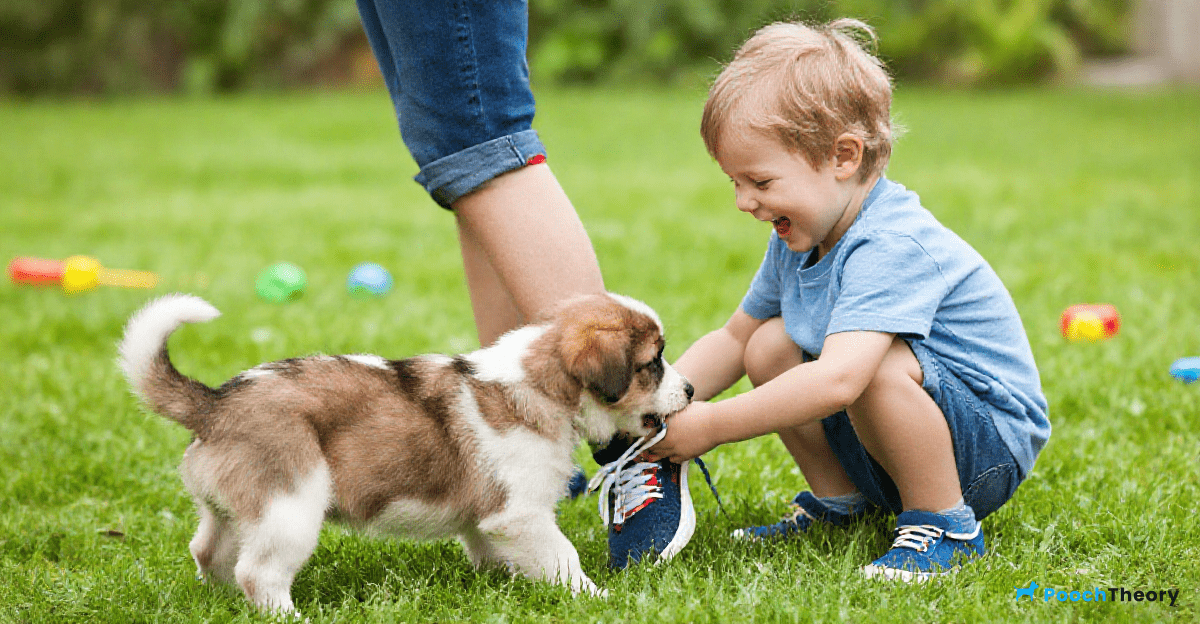
Positive reinforcement is a powerful method for teaching puppies appropriate play behaviors, using rewards and praise to encourage desirable actions while shaping their social skills. Here are several effective techniques:
- Use High-Value Treats: When a puppy engages in appropriate play activities, reward them immediately with a treat they love. This association helps puppies learn what behaviors are desirable.
- Verbal Praise and Affection: Alongside treats, vocal praise—like “good boy” or “well done”—and petting can reinforce positive behavior. This creates a bond based on trust and affection.
- Clicker Training: This technique involves using a clicker to mark desired behaviors, followed by a reward. This helps puppies connect the dots between actions and rewards.
- Gradual Increase of Challenges: Start with simple commands or tasks, gradually increasing the difficulty to keep them engaged.
- Socialization and Play Dates: Arrange playdates with other well-behaved dogs to allow puppies to learn through supervised interactions.
- Redirecting Negative Behaviors: If a puppy displays undesirable play behaviors, calmly redirect them to a toy and praise them when they chew on it instead.
- Consistent Rules: Maintain consistency in what behaviors receive rewards and which do not, helping puppies learn more effectively.
Implementing these positive reinforcement techniques teaches puppies acceptable play manners and fosters a trusting relationship between the dog and the owner. For further insights into dog training methods, check out our detailed guide on dog training tips.
Redirecting Nipping Behavior

Redirecting a puppy’s nipping behavior requires consistent strategies that encourage them to engage with appropriate toys and activities. One effective method is to substitute target items with acceptable toys. Whenever your puppy begins to nip, immediately redirect their attention to a chew toy or interactive game. This not only distracts them but teaches them which items are suitable for biting.
Incorporating play into their routine can also help. Engaging your puppy in fetch or tug-of-war can channel their energy positively. Use sturdy toys designed for nipping, such as rubber chew toys or soft stuffed animals, mimicking the textures of their preferred nipping targets. The aim is to create a positive association with these toys; when they nip them instead of your hands, reward them with praise or treats.
Consistency and patience are crucial; persistently redirecting the behavior will help establish new habits. It is also beneficial to teach commands like “leave it” to empower the puppy to learn self-control. This aligns with recommendations for puppy training found in the Ultimate Guide to Dog Training which emphasizes positive reinforcement techniques.
Lastly, ensure that your puppy gets enough physical and mental stimulation throughout the day to reduce hyperactive nipping tendencies. This can be achieved by offering brain games, puzzle toys, or training sessions.
Teaching Children to Interact Safely with Puppies
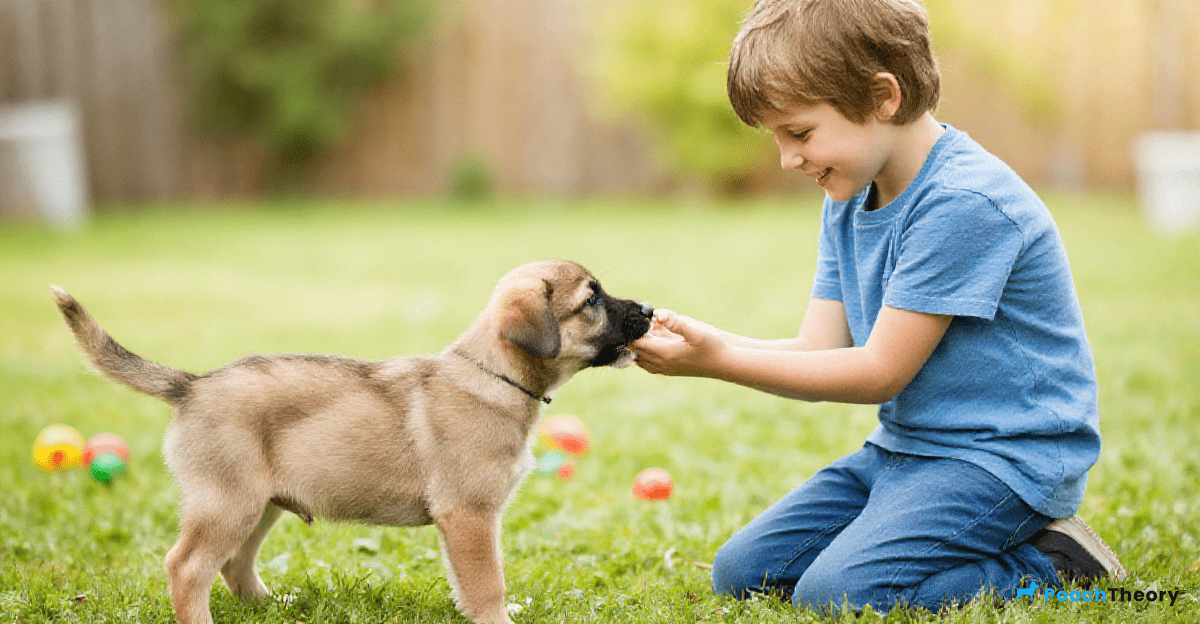
Teaching children how to interact safely with puppies is essential for fostering healthy relationships with animals. Here are some key guidelines for parents:
- Supervise Interactions: Always supervise interactions between children and puppies, especially during the initial introductions.
- Educate About Body Language: Teach children to recognize a dog’s body language to prevent misunderstandings that can lead to negative interactions.
- Gentle Touch: Instruct children to pet puppies gently and avoid pulling on ears or tails.
- Teach Safe Signals: Children should learn to approach puppies safely by allowing the dog to come to them instead of rushing in.
- Respect the Dog’s Space: Make sure children understand the importance of not bothering a puppy when it is eating, sleeping, or playing with toys.
- Positive Associations: Use treats to create positive associations between children and puppies.
- Safety Rules: Set clear rules about how to interact with puppies, such as no sudden movements or loud noises.
By following these guidelines, parents can help their children develop a nurturing bond with puppies while prioritizing safety for both parties. For more on responsible pet ownership, check out our article on Home Dog Training Tips.
When to Seek Professional Help for Your Dog
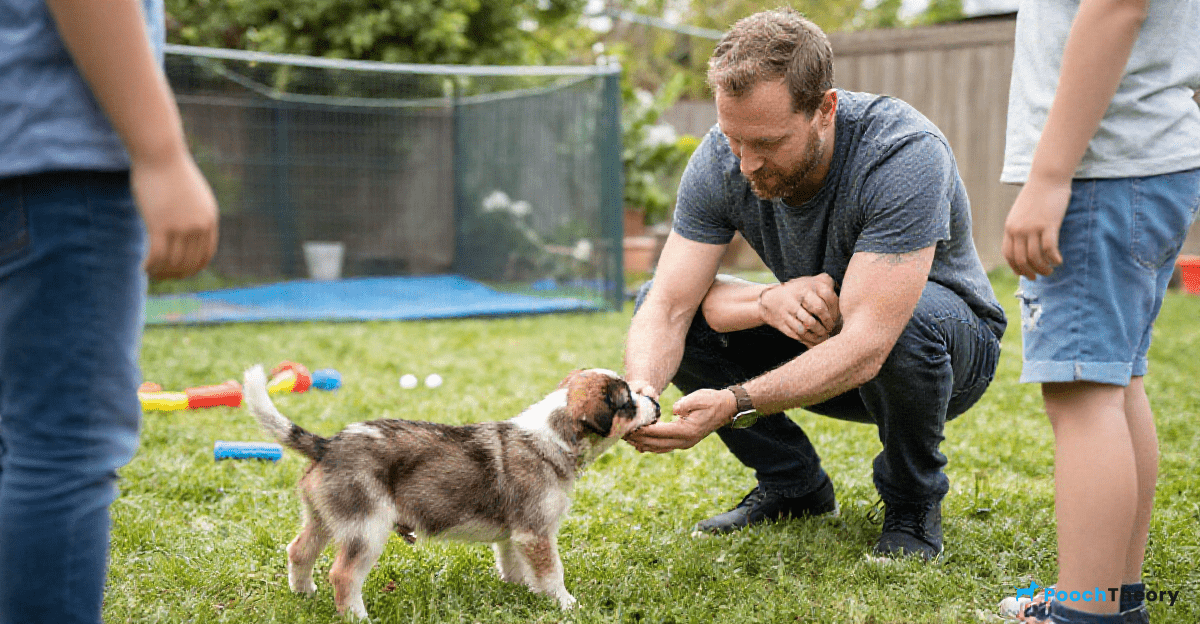
Recognizing when to seek professional help for your dog can be crucial for ensuring their well-being and the harmony of your household. Here are several signs that indicate the need for professional training or behavioral intervention:
- Aggressive Behavior: If your dog displays signs of aggression, such as growling, snapping, or biting, consult a professional.
- Destructive Behavior: Dogs who are anxious when left alone may chew furniture, dig, or exhibit other destructive behaviors.
- Severe Anxiety or Fear: Dogs that cower, bark excessively, or show fear towards people or other animals often require guidance from a professional trainer.
- Excessive Barking: If your dog barks excessively, it can be a nuisance and a sign of distress; a trainer can help diagnose the cause.
- Obsession with Specific Behaviors: Whether it’s chasing shadows or fixating on certain objects, obsessive behaviors can indicate stress or a lack of mental stimulation.
In any of these situations, the sooner you seek professional guidance, the better it is for both you and your dog. Early intervention can prevent further behavioral issues and strengthen your bond [Pooch Theory].
Sources
- BBC – Dog Bite Risks During Festive Gatherings
- HuffPost – The 1 Thing That Child Therapists Say Harms Kids’ Happiness the Most
- Newsweek – Labrador Mix Returned to Shelter Twice Looking for Home
- Newsweek – Dog Left Home Alone Horror
- Pooch Theory – Complete Guide to Socializing Dogs
- Pooch Theory – Ultimate Guide to Dog Training