

Importance of Training Street Dogs for Indoor Life
Training street dogs for indoor life is essential for their adaptation and well-being. Many stray dogs face challenges such as fear, anxiety, and aggression, often stemming from their traumatic pasts. Effective training can significantly mitigate these issues, fostering confidence and sociability in a home environment. According to a report published by the ASPCA, early socialization and positive reinforcement techniques are crucial in easing the transition from life on the streets to being a beloved indoor pet.
Additionally, properly trained street dogs can enrich their new homes by demonstrating loyalty and affection. Owners report that in-house training not only enhances the dog’s behavior but also strengthens the bond between the pet and family. Training empowers these dogs, making them more adoptable and enjoyable companions. As highlighted in recent studies, a well-trained dog contributes to a happier home, reducing stress and enhancing the overall family atmosphere [CBS News].
Understanding the Challenges of Street Dogs
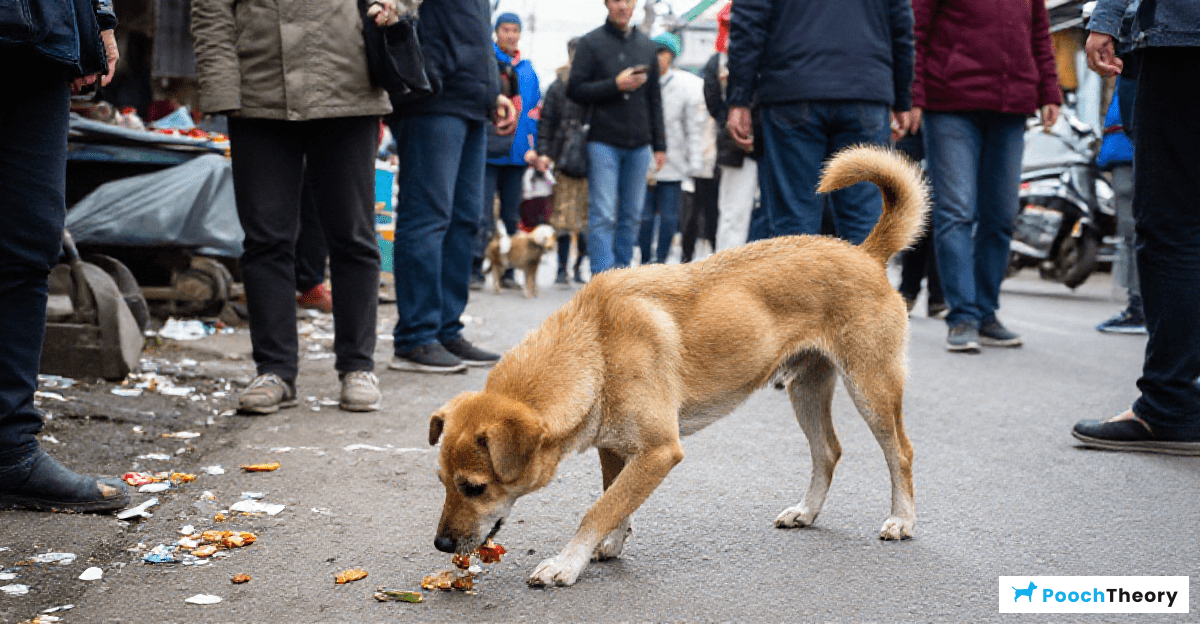
Street dogs, often referred to as community or stray dogs, are a common sight in many urban environments. These dogs typically have a tough background, resulting from a combination of abandonment, overpopulation, and insufficient community resources to care for them. Many street dogs are descendants of pets that were abandoned or born in the streets, leading to a cycle of homelessness intertwined with behavioral challenges due to lack of socialization and training. According to studies, behavioral issues can arise from these untrained or unsocialized pets, often prompting their abandonment in the first place [Source].
Behaviorally, street dogs display a wide range of adaptations. They often exhibit heightened survival instincts, showing resourcefulness in obtaining food and shelter. Some may develop fear-based behavioral problems due to their harsh living conditions, making them wary of humans and other animals. Conversely, well-socialized street dogs can be friendly and affectionate, forming bonds with community members who help them [Source].
Preparing Your Home for a Street Dog
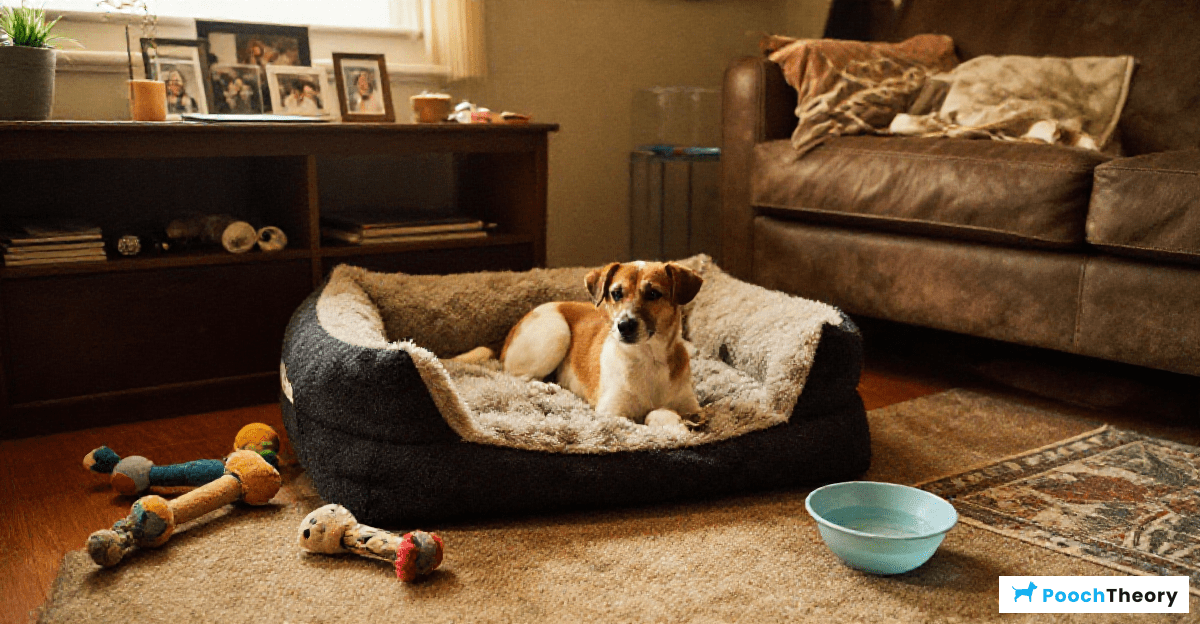
To prepare your home for a street dog, create an environment that ensures safety and comfort. Start by removing any hazards, such as sharp objects, toxic plants, and small items that could be swallowed. Consider installing baby gates to create safe zones and prevent access to stairs or precarious areas.
Designate a specific sleeping space for your new dog, as dogs thrive in environments where they have a consistent, recognizable place to rest. This could be a comfortable bed in a quiet corner of the house. This method helps them adjust to their new surroundings more quickly and reduces anxiety [Source].
Training Techniques for Indoor Life
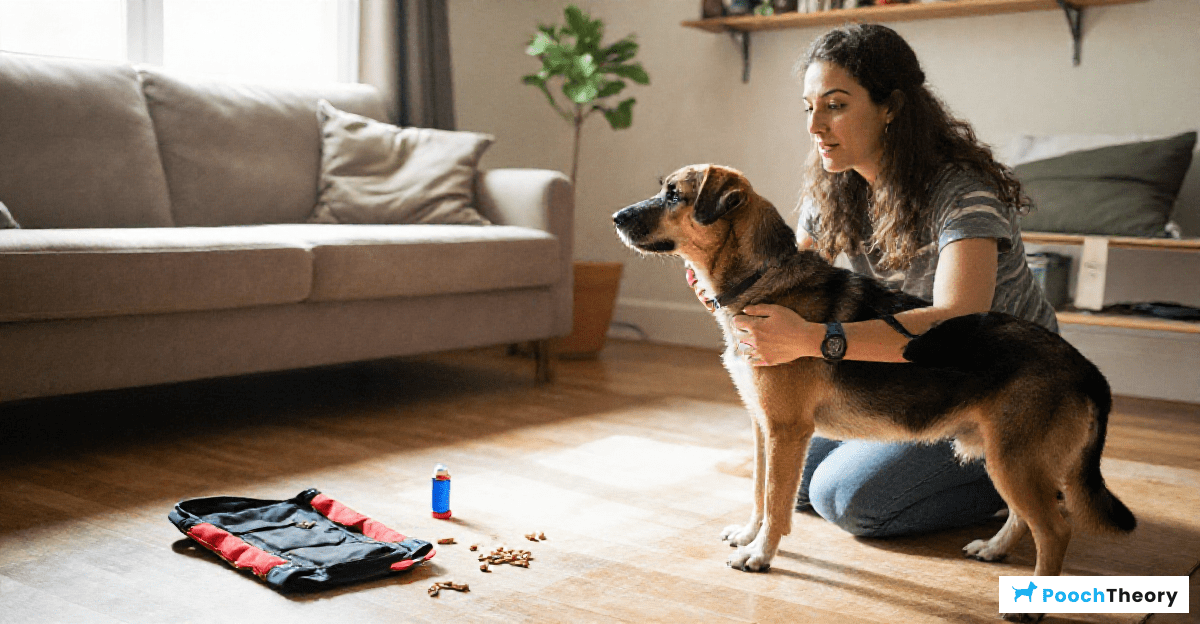
To help a street dog adapt to indoor living, consistent and effective training techniques are essential. Here are key methods to consider:
- Positive Reinforcement: This approach involves rewarding desired behaviors with treats, praise, or toys. For instance, using treats to motivate actions like “sit” or “stay” helps build trust and strengthens the bond between the dog and the owner.
- Desensitization: Gradually introducing street dogs to various indoor stimuli can reduce anxiety. Start by allowing them to explore one room at a time and rewarding them for calm behavior.
- Basic Commands: Teaching essential commands like “come,” “leave it,” and “no” will aid in controlling behavior and help them navigate their new environment effectively.
- Interactive Play: Engaging your dog with toys and games can enhance their mental stimulation and help them ease into indoor life.
- Routine Establishment: Keeping a consistent daily schedule for feeding, walks, and playtime helps create a sense of security for the dog.
By employing these training methods, your street dog can transition into a comfortable indoor companion, enhancing the shared living experience.
The Importance of Socializing Street Dogs
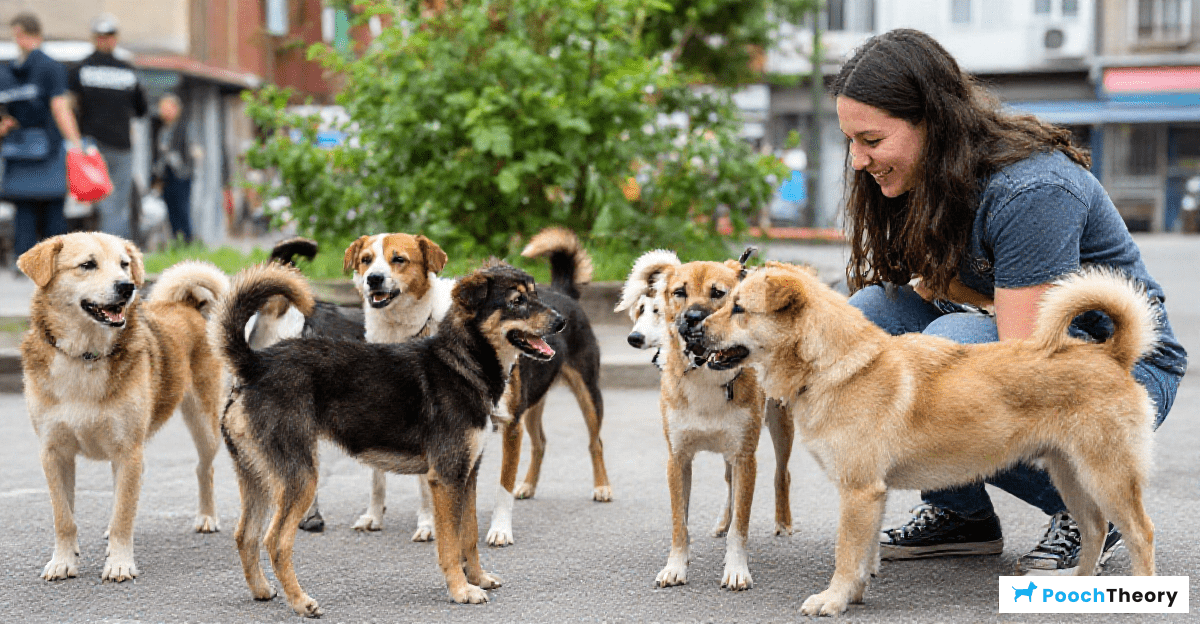
Socializing street dogs is essential for their normal development and integration into communities. Proper exposure to both people and other pets can significantly reduce anxiety and behavioral issues, which are often prevalent in unsocialized animals. Research indicates that early socialization can prevent problems such as aggression, fearfulness, and anxiety [source].
When street dogs interact with diverse environments, they become more adaptable. Regularly introducing them to different sights, sounds, and smells fosters positive associations with new experiences. This process can include gradual introductions to new people and controlled interactions with other pets to promote calm behaviors [source].
House Training Your New Pet

House training a street dog requires patience, consistency, and strategic steps. Here are effective guidelines:
- Establish a Routine: Set specific times for feeding and bathroom breaks. This helps the dog learn when and where to go.
- Choose a Designated Bathroom Spot: Take your dog to the same spot each time to help them associate it with going to the bathroom.
- Positive Reinforcement: Reward your dog immediately after they go to the bathroom outside with praise or treats.
- Supervise Indoors: Keep a close eye to catch signs that they need to go out.
- Confinement: Use a crate or small room when you cannot supervise them.
- Be Patient: Training takes time, especially for street dogs. Accidents will happen; stay calm and avoid punishment.
With consistency and love, your street dog will adapt to house training successfully.
Managing Behavioral Issues
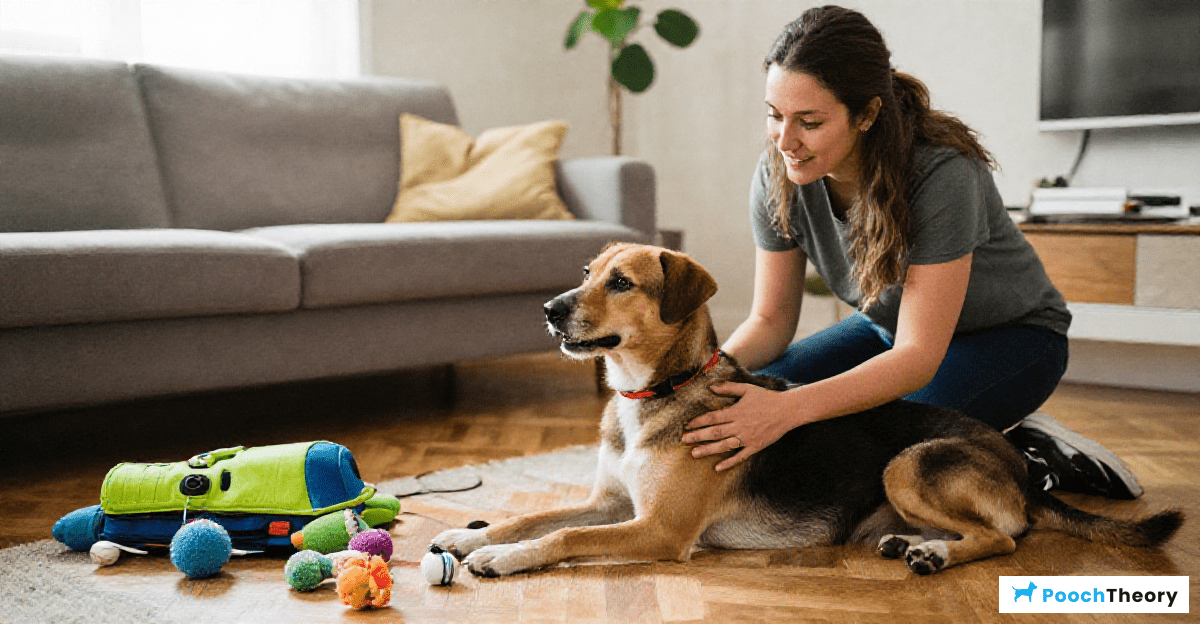
Managing behavioral issues in street dogs involves understanding their unique challenges and applying effective strategies. Here are some tips:
- Establish a Trusting Relationship: Build rapport by allowing the dog to approach you on their terms.
- Basic Training Commands: Reinforce commands to help manage behavior.
- Socialization: Gradually introduce the dog to different people and environments.
- Address Aggression: Identify triggers and use desensitization techniques.
- Manage Excessive Barking: Determine the cause and redirect the behavior.
- Seek Professional Help: Consult with a professional trainer if needed.
These strategies can lead to significant improvements in the quality of life for street dogs and their handlers.
Integrating a Street Dog into Family Life
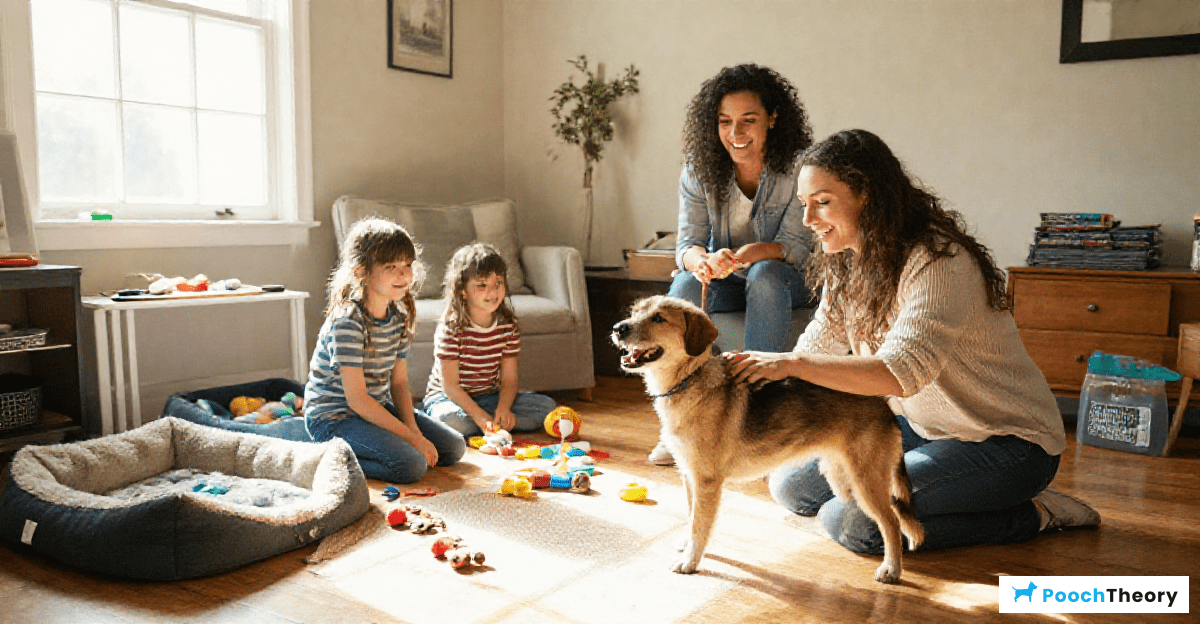
Integrating a street dog into family life requires patience and thoughtful planning. Start by creating a consistent daily routine encompassing feeding, exercise, and playtime. Providing a designated safe space is crucial, as street dogs may feel overwhelmed and need a quiet retreat.
Gradually introduce family members, allowing the dog to engage on its own terms, which fosters trust and comfort. Supervise interactions closely when children are present to maintain safety. Positive reinforcement training should be prioritized to help build a strong bond without harsh corrections. Paying attention to the dog’s body language will inform you about their comfort level and help create a harmonious home.
Conclusion

Training a street dog for indoor life is a rewarding journey that transforms the dog’s behavior and enriches the lives of both the dog and its owner. Through consistent training, patience, and positive reinforcement, these dogs can learn to adapt to indoor environments.
By investing time in training and creating a supportive environment, both dogs and owners can experience a fulfilling and harmonious relationship. For those interested in further enhancing their training techniques, resources such as our complete guide on dog training can provide invaluable insights and strategies.



