

Importance of a Bedtime Routine for Dogs
A bedtime routine is essential for dogs, particularly for alleviating night anxiety. Just as humans benefit from predictable patterns, dogs thrive on routine. Having a consistent bedtime routine helps your dog recognize when it’s time to wind down, promoting relaxation and security. This can significantly reduce anxiety levels, especially in dogs prone to stress during nighttime hours.
Dogs that are accustomed to a designated sleeping area tend to settle down more effectively, resulting in improved quality of sleep. This predictability not only boosts their comfort but also enhances their overall well-being. According to veterinary experts, consistency in daily care, including sleep routines, allows dogs to tolerate changes and challenges with less reactivity. Providing a calm environment combined with a structured wind-down time can ease anxiety, making it easier for dogs to adapt to nighttime. By effectively addressing night anxiety, you can ensure your pet enjoys a restorative sleep experience, contributing to their health and happiness. For further insights on dog behavior, check out our article on emotional support training and how it can help your dog feel more secure at home.
Recognizing Night Anxiety in Dogs
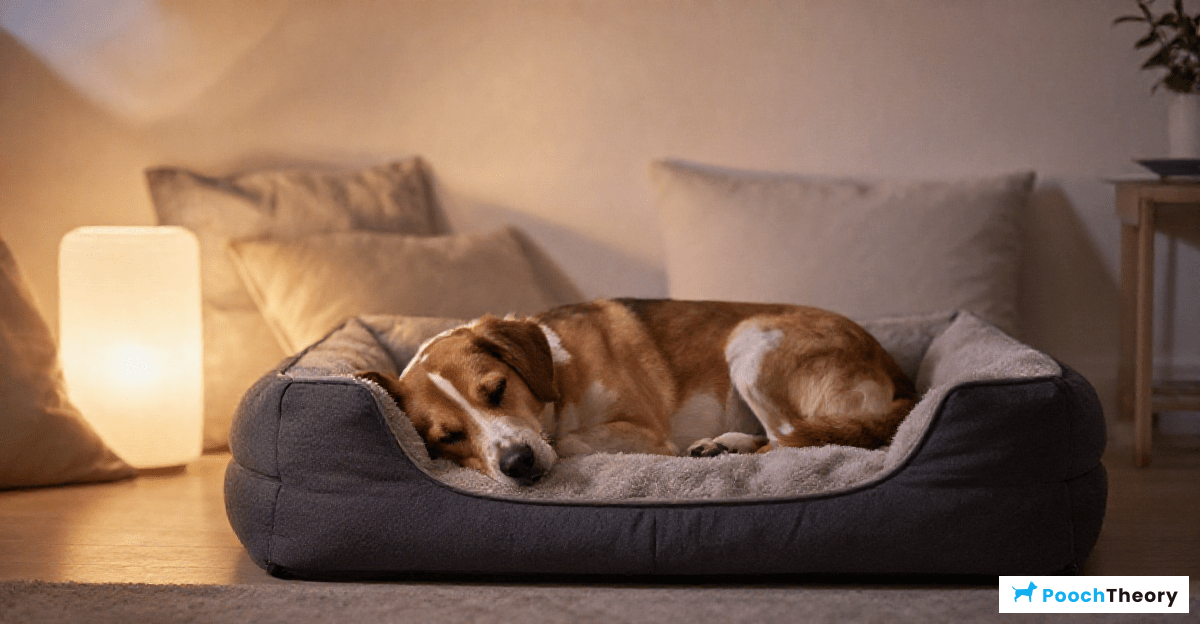
Recognizing night anxiety in dogs can be crucial for their well-being. Several signs can indicate that your dog is experiencing anxiety during nighttime.
- Vocalizations: Excessive whining, barking, or howling can indicate distress. If your dog typically quiets down at night but suddenly becomes vocal, it may be experiencing anxiety or fear.
- Restlessness: Dogs may pace, get up frequently, or appear unable to settle down. This behavior often stems from anxiety, especially if coinciding with the night.
- Physical Symptoms: Signs like shaking, trembling, or hiding can be manifestations of anxiety. Some dogs may even exhibit gastrointestinal issues, such as diarrhea, during anxious periods [Source].
- Destructive Behavior: Chewing or scratching furniture and doors can be a sign of distress. If your dog starts exhibiting this behavior only at night, it may indicate anxiety [Source].
- Changes in Eating or Drinking Habits: A stressed dog may refuse treats or water, indicating that it is too anxious to eat or drink [Source].
To ensure your dog’s comfort, monitor these signs and consider creating a calming nighttime environment. Using techniques such as providing a safe space, engaging in relaxing activities before bed, or consulting a veterinarian about anxiety treatments might help alleviate night anxiety in your dog. If you want to learn more about addressing behavioral issues, explore our article on effective training techniques.
Creating a Serene Sleeping Environment

Creating a serene sleeping environment for your dog is essential for their well-being and helps them rest better. Here are some tips to establish a calm space:
- Designated Sleep Area: Ensure your dog has a consistent and recognizable sleeping spot. This could be a cozy dog bed or a specific area in the house that allows them to feel secure (Newsweek).
- Comfortable Bedding: Invest in comfortable, washable dog beds that suit your dog’s size and sleeping habits. Soft, supportive bedding can prevent any discomfort and promote restorative sleep.
- Quiet & Dark Environment: Keep the area as quiet and dim as possible during nighttime. Consider blackout curtains to minimize light disturbances, as dogs are sensitive to their surroundings and may wake easily (Newsweek).
- Proper Temperature: Ensure the sleeping area is neither too hot nor too cold. A comfortable temperature range helps your dog relax and sleep soundly.
- Calming Aids: Consider using calming aids such as pheromone diffusers or calming music specifically designed for dogs, which can help in reducing anxiety and promoting sleep.
- Limit Distractions: Keep the sleep area free from loud noises or high-traffic areas in the house to minimize disruptions, allowing your dog to relax without stress.
By following these simple steps, you can create a peaceful sleeping environment that helps your dog feel secure and well-rested. For more tips on enhancing your dog’s comfort, check out our guide on dog training and home environments.
Establishing a Pre-Bedtime Routine
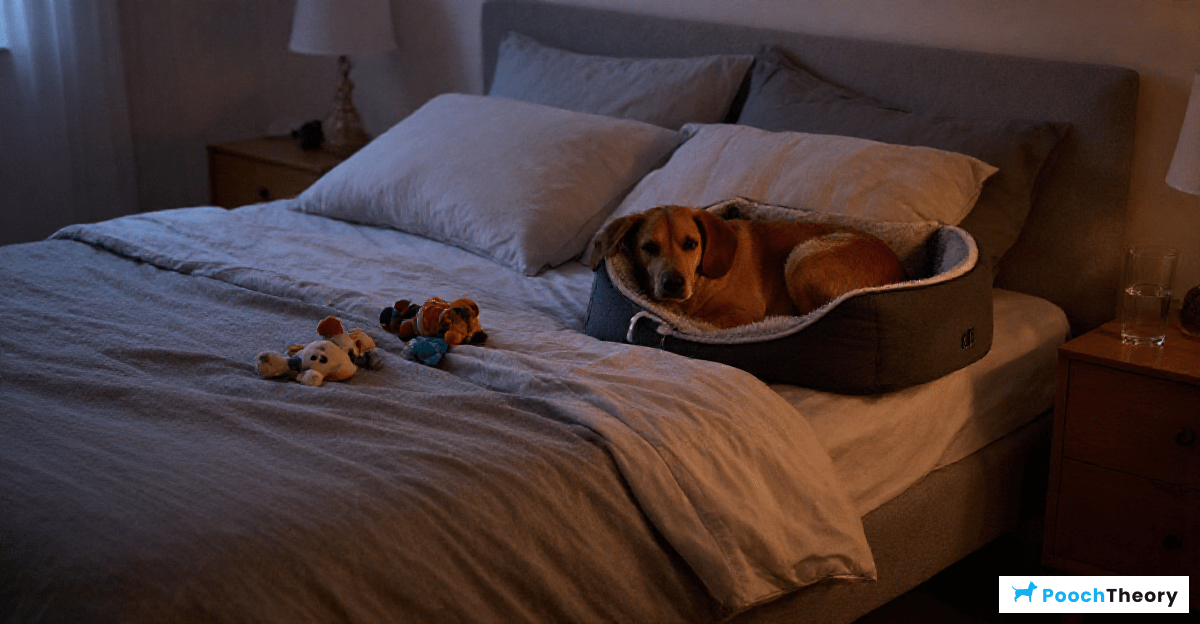
To establish a pre-bedtime routine for your dog, start by setting a fixed bedtime to signal to your pet that it’s time to relax. Consistency is key; aim to keep this time the same each night to help your dog predict when to settle down. Incorporate calming activities like a gentle evening walk or playtime with their favorite toy to help transition from an active state to a more relaxed one.
Next, introduce quiet time. Consider spending a few moments snuggling together, which not only reinforces the bond but also provides emotional comfort to your dog. Creating a designated sleeping area filled with comfortable bedding helps foster a sense of security and peace, encouraging your dog to settle in comfortably for the night.
It’s also vital to maintain a calm and quiet environment as your dog prepares for sleep. Reducing distractions and soothing background sounds can enhance relaxation. Research shows that dogs with a consistent sleeping routine are better able to manage changes in their environment without becoming overly reactive [Source].
Incorporating Relaxation Techniques

Incorporating relaxation techniques can significantly ease anxiety in dogs at night. Two popular methods include calming music and aromatherapy, both proven to create a serene environment that encourages relaxation.
- Calming Music: Playing soothing music for dogs has been shown to reduce stress and anxiety. Research indicates that classical music, particularly compositions with a slow tempo, can have a calming effect on dogs, helping them to relax and sleep better at night [Source].
- Aromatherapy: The use of essential oils can also help alleviate anxiety in dogs. Scents such as lavender and chamomile are particularly effective; they create a calming atmosphere that can help your dog feel more secure. Just a few drops on their bedding or in a diffuser can promote relaxation [Source]. However, it’s crucial to ensure that any essential oils used are safe for pets, as some oils can be harmful [Source].
Additionally, consider exploring Bach flower remedies, which offer a more holistic approach to dealing with anxiety in dogs. These natural flower extracts can help address emotional instability and promote calmness, making them an excellent option to incorporate into your pet’s nighttime routine [Source].
Physical Exercise and Mental Stimulation

Incorporating physical exercise and mental stimulation into your dog’s routine before bedtime can significantly alleviate anxiety and promote better sleep. Engaging your dog in physical activity reduces stress and enhances overall mood. Studies have shown that regular exercise can be as effective as medication or therapy for managing symptoms of anxiety and depression in both humans and dogs [Source], [Source].
In addition to physical activity, mental engagement, such as puzzle toys or training exercises, further stimulates the brain, which can be particularly beneficial before sleep. Engaging a dog’s mind through play or training not only tires them out physically but also helps in reducing anxiety levels, as their focus shifts from potential stressors to the activity at hand [Source], [Source].
Creating a consistent routine that includes physical activity and mental stimulation before bedtime not only prepares your dog for restful sleep but also strengthens your bond. As such, it is important to incorporate these elements systematically to promote better sleep hygiene for both you and your pet. Regular engagement can lead to improved behavior and emotional stability, making nighttime a more peaceful experience [Source].
Consulting a Veterinarian

When it comes to your dog’s nighttime anxiety, understanding when to consult a veterinarian is crucial for their well-being. If your dog exhibits signs of anxiety such as excessive barking, destructive behavior, or difficulty settling down at night, it’s time to seek professional advice. Recognizing these symptoms early can help in addressing underlying issues effectively. As noted by Professor Audra Jones from Texas A&M, pets can associate stressful experiences with veterinary visits, so creating a comfortable environment is essential for their mental health [Source].
Consulting a veterinarian is particularly important if the anxious behavior disrupts your dog’s daily life or your household. Research indicates that a significant number of pet parents trust their veterinarians over other sources for guidance on their pets’ well-being [Source]. This trust can extend to behavioral issues like nighttime anxiety, ensuring that your dog receives the best care possible.
In addition to veterinary advice, creating a consistent sleep environment can also help alleviate anxiety. Dogs benefit from a predictable routine, which includes a designated sleeping space. According to veterinary insights, dogs with stable sleeping routines tend to adapt better to changes and experience less anxiety [Source]. If your dog’s nighttime anxiety continues despite these initiatives, it’s crucial to return to your veterinarian for further assessment and possible treatment options.
Conclusion

Creating a bedtime routine for your dog can significantly enhance their well-being and strengthen the bond between you both. Consistency in these routines is vital; according to Vetster, dogs thrive on predictability, making a designated sleeping space essential for their comfort. This stability helps them settle more efficiently, reducing anxiety related to changes in their environment.
Engaging in calming activities before bed, such as gentle playtime, a soft brushing session, or quiet time together, can transition your dog into rest mode effectively. For instance, a cozy spot in the living room or bedroom can be established for them to unwind, much like the routine seen with many dogs in their hotel stays, where they are known to perform specific actions before settling down [Source].
Moreover, maintaining a consistent bedtime can help reinforce positive associations with sleep, aiding in your dog’s overall emotional health and response to change [Source]. Encourage other dog owners to adopt a structured bedtime routine to foster an environment that prioritizes their pets’ needs while enhancing the joy of pet ownership. By embracing these steps, you’re not just ensuring a peaceful night for your dog, but also nurturing their emotional resilience and well-being.



