

Gradual Alone Time Training for Puppies
Gradual alone time training is essential for puppies, particularly for those living in small apartments, where environmental constraints and noise can increase anxiety. Training puppies to be comfortable being alone helps prevent separation anxiety, which can manifest as destructive behavior, excessive barking, or other stress-related responses. Experts suggest that introducing solitude in short, manageable increments allows puppies to adjust to the absence of their owners without becoming overwhelmed [Source].
In apartments, the potential for loud noises—from neighbors, traffic, or other pets—can exacerbate anxiety levels. Teaching puppies to cope with these stimuli while they are alone reinforces their emotional resilience [Source]. As puppies gradually become accustomed to being alone, it allows for smoother transitions during moments when they have to be left by themselves, resulting in a more well-adjusted and confident dog.
This gradual approach fosters independence, ensuring that dogs can settle in their environment without relying solely on constant companionship. The commitment to regular training in this area not only shapes a puppy’s immediate behavior but can influence their long-term mental health and adaptability to various living situations. For more insights into training and managing small living spaces with dogs, check out our guide on dog training routines for small studio apartments.
Understanding Puppy Behavior
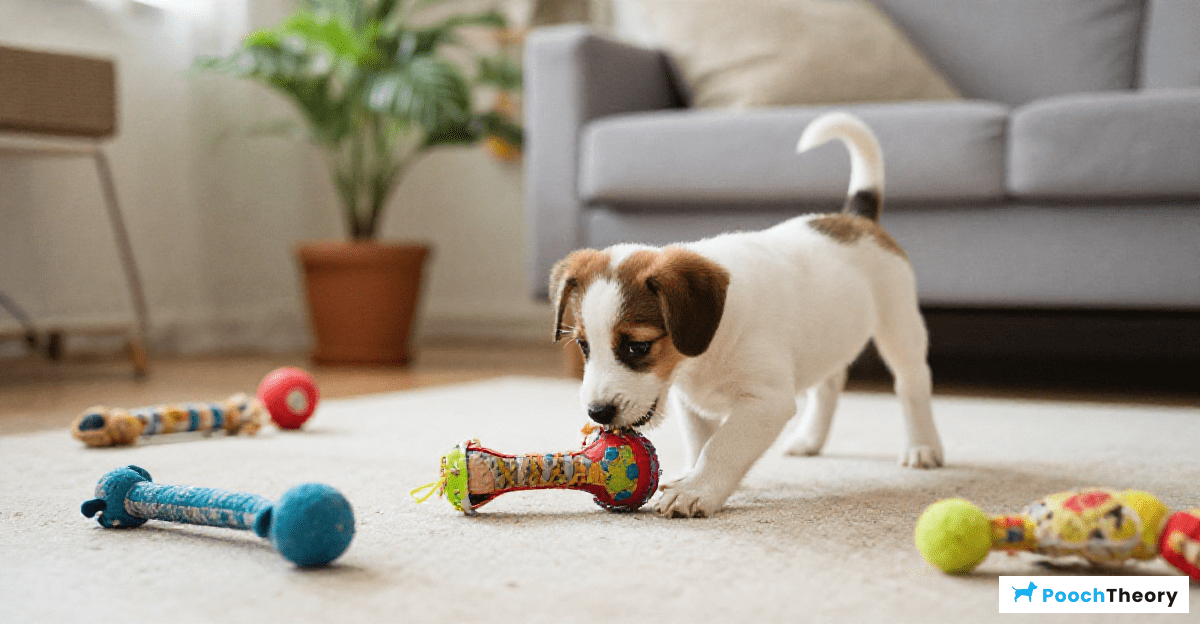
Understanding puppy behavior is essential for creating a nurturing environment that promotes healthy development. Puppies are naturally social animals, biologically wired to seek companionship, both from humans and other animals. This inclination stems from their pack mentality; just as wolves thrive in packs, so do their domesticated counterparts. According to studies, dogs often form strong attachments to their caregivers, which can lead to anxiety when they experience separation, also known as separation anxiety. This condition can manifest as destructive behavior or excessive barking when left alone [Source].
Separation anxiety is particularly prevalent in puppies during their early developmental stages. They are still learning about their surroundings and may not yet grasp that their owner will return. This lack of understanding can result in significant stress for both the puppy and the owner. Training techniques, such as gradually increasing the time spent apart and providing engaging toys, can help mitigate these feelings of anxiety. Creating a safe space and using background noise can also be effective strategies to help ease their stress [Source].
Additionally, understanding typical puppy behavior can illuminate why certain reactions occur. For example, a puppy’s nipping or chewing is often not a display of aggression but rather a natural exploration of their environment. Fostering proper outlets for these behaviors, like chew toys or regular playtime, can guide them towards healthier habits. Socialization is another critical area; exposing puppies to various people, pets, and environments can build their confidence and reduce anxiety. Take a look at our comprehensive guide on how to socialize a dog for effective tips on this front.
Preparing Your Apartment for Puppy Training
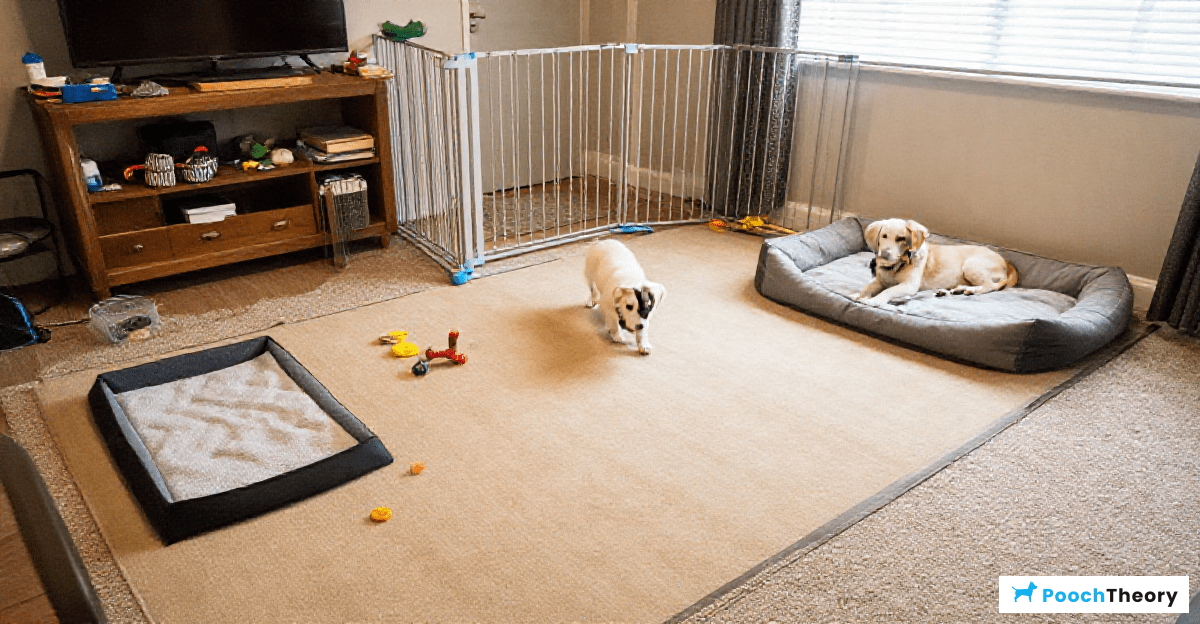
Preparing your apartment for puppy training is crucial for ensuring a smooth transition for both you and your new furry friend. Here are key tips to create a conducive environment in a small apartment, especially for alone time training.
- Designate a Safe Space: Start by designating a specific area for your puppy, like a cozy corner or a playpen. This space should include their crate, bed, and a few toys. Not only does this help your puppy feel secure, but it also establishes boundaries, which is essential when training. Crate training becomes easier in this setup, allowing your puppy to adjust to being alone gradually. For comprehensive guidance on choosing a crate, refer to our article on crate vs. playpen options.
- Puppy-Proof Your Apartment: Removing potential hazards is vital. Secure electrical cords, hide small objects that could be swallowed, and ensure that toxins like plants or cleaning supplies are out of reach. Consider using baby gates to restrict access to certain rooms. Proper puppy-proofing can prevent harmful situations while allowing your puppy to explore its environment safely. Learn more about puppy-proofing in our guide to puppy-proofing apartment.
- Create a Comfortable Environment: Small apartments can lead to distractions, so ensure your puppy has a comfortable place to rest. Soft bedding and a few familiar items can provide comfort. Keep noise levels low during training sessions, and if possible, use white noise or calming music to create a soothing atmosphere. This helps mitigate anxiety when left alone.
- Develop a Consistent Routine: Routine is critical for puppies, especially in smaller spaces. Schedule regular feeding times, potty breaks, and training sessions to establish predictability. This consistency can help reduce anxiety when your puppy is left alone. Incorporate daily exercise into your routine, as frequent walks can help alleviate pent-up energy, making it easier for your puppy to adapt to alone time.
- Gradually Increase Alone Time: Start by leaving your puppy alone for short periods. Gradually increase this time to help them become accustomed to being alone without stress. During this process, rewarding calm behavior with treats or praise can reinforce their comfort during alone times.
Following these strategies can make your apartment a suitable training environment for your puppy. The initial adjustments may take patience and consistency, but they provide your puppy with the foundation they need to thrive in a compact living space. For additional tips on dog training within smaller environments, check our comprehensive dog training routine for small studio apartments.
Step-by-Step Guide to Gradual Alone Time Training
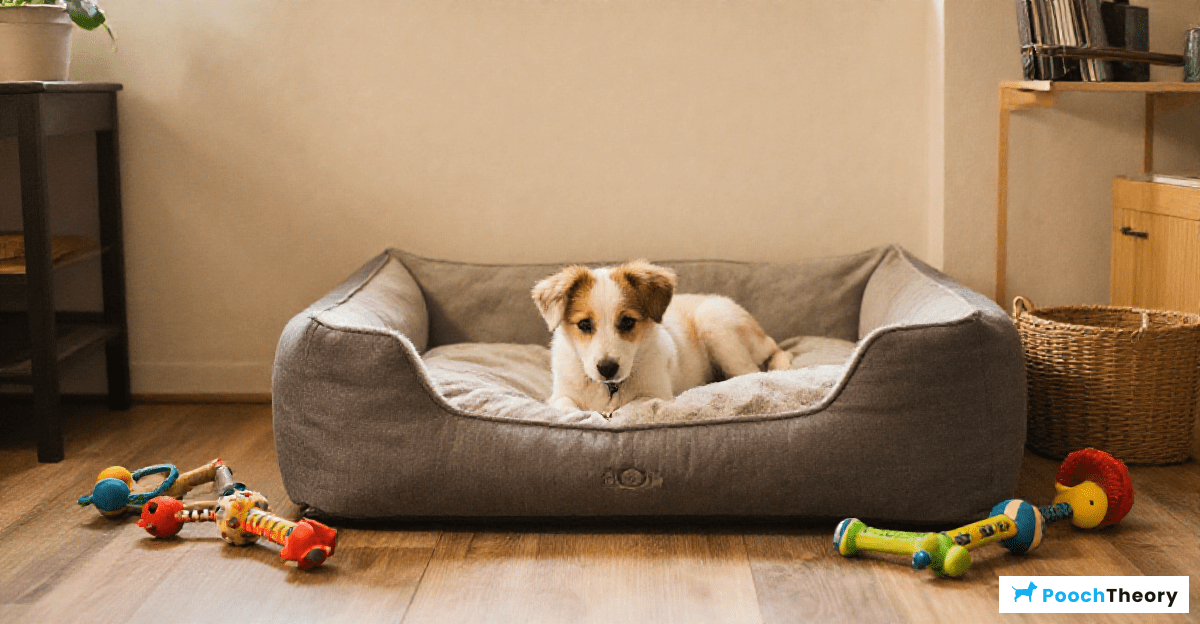
Introducing your puppy to alone time is essential for their mental wellbeing. Gradual training can help prevent anxiety and distress when left alone. Here’s a step-by-step guide to effectively implement this process:
Step 1: Create a Safe Space
Establish a designated area where your puppy feels secure. This could be a cozy crate or a pen filled with their favorite toys. Including items that smell like you, such as a t-shirt, can provide comfort. It’s crucial to make this area welcoming to encourage relaxation.
Step 2: Start with Short Absences
Begin by leaving your puppy alone for just a few minutes while you’re still close by. Gradually increase the duration as your puppy becomes more comfortable. Initially, you might step outside for a quick errand or even just disappear from their view within the home. This helps your pet learn that you will always return.
Step 3: Use Positive Reinforcement
Reward your puppy for being calm and quiet when you leave or return. This positive reinforcement can include treats, praise, and a favorite toy. If your puppy starts to show signs of distress, such as barking or whining, return immediately to comfort them without making a fuss. Consistency is key to building their confidence.
Step 4: Increase Time Gradually
Once your puppy is comfortable with short absences, slowly increase the time apart. Maintain a friendly exit and return routine, ensuring not to make a big deal about your departures or arrivals. Gradually aim for longer periods of alone time, monitoring your puppy’s reactions closely.
Step 5: Practice with Varying Distances
As your puppy adjusts, practice leaving them alone in different rooms or even outside for a short while. This variation in location will help them become resilient to various alone time scenarios.
Step 6: Incorporate Background Noise
When home alone, many dogs can become startled by unfamiliar sounds. Using background noise, such as a TV or soft music, can help mask sudden noises that might make your puppy anxious. This strategy creates a more soothing environment for them [Source].
Step 7: Gradually Increase Activity Levels
Physical exercise before leaving your puppy alone can significantly reduce anxiety. Engage in a vigorous play session or a walk just before your departure. A tired puppy is more likely to relax while alone. Regular exercise, combined with a consistent routine, builds a well-adjusted pet [Source].
Step 8: Monitor and Adjust
Every puppy is different. Monitor how they adapt through this training process and adjust your approach according to their specific needs. Provide reassurance and avoid punishment for any setbacks.
By following these structured steps, you can help your puppy gradually become accustomed to alone time, fostering independence and reducing separation anxiety. For further tips on puppy training, check out our comprehensive guide on the ultimate dog training techniques.
Monitoring Your Puppy During Training
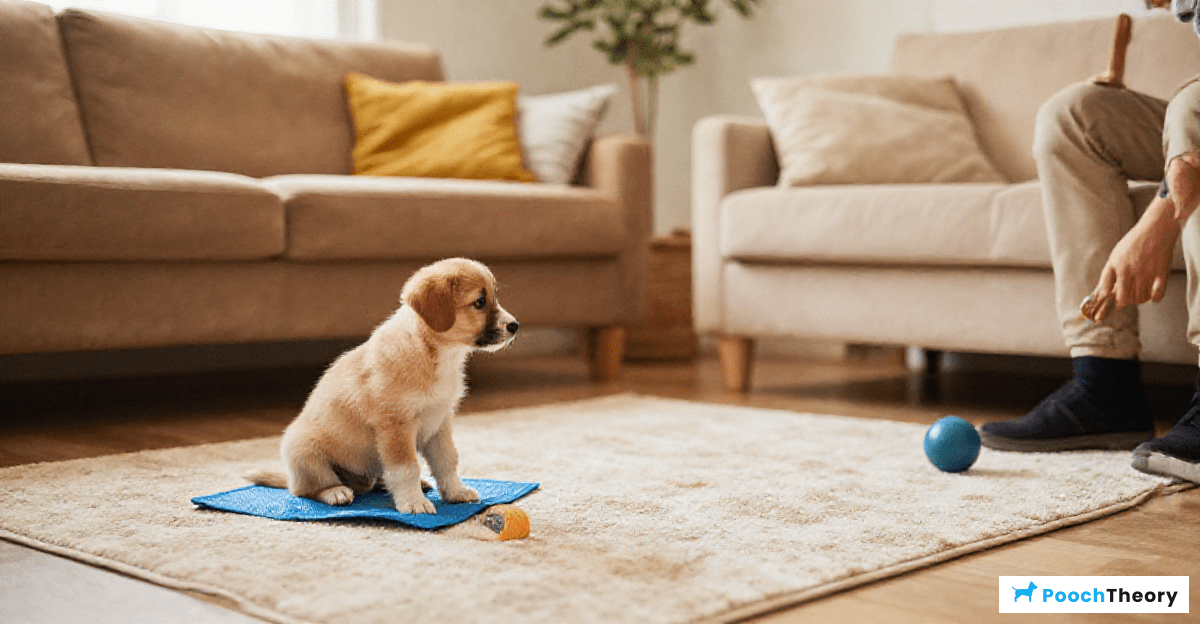
Monitoring your puppy during training is crucial for understanding their reactions, especially during alone time. Here are effective methods to ensure their well-being:
- Use a Pet Camera: Investing in a pet camera can help you observe your puppy’s behavior when they are alone. Many cameras come with features like two-way audio and treat dispensers, allowing you to engage with your puppy remotely. This way, you can monitor their emotional state and intervene if necessary [CNET].
- Create a Comfortable Space: Make sure your puppy has a cozy area where they feel safe during the alone time, filled with familiar toys or blankets. Research suggests that familiar scents can help soothe anxiety; providing comfort items, particularly their favorite toys, is instrumental in reducing stress levels [Source].
- Establish a Routine: Puppies thrive on routine, and maintaining a consistent schedule for feeding, training, and playtime can help them feel secure when left alone. Regular exercise and mental stimulation also contribute to a well-adjusted puppy, ensuring they are tired and relaxed during their alone time [Source].
- Monitor Body Language: Pay attention to your puppy’s body language to gauge their comfort level. Signs of anxiety, such as whining, barking, or pacing, indicate they may not be adjusting well to being alone. Address these behaviors through gradual desensitization techniques—start with short periods of separation and gradually increase the duration.
- Reward Calm Behavior: During training, reinforce calm and relaxed behavior with positive reinforcement. Reward your puppy when they exhibit good behavior during alone time. This approach helps them learn that being alone can be a positive experience.
Implementing these methods will not only help you keep an eye on your puppy but also foster a trusting relationship as they learn to enjoy their alone time safely. For additional insights, you might find our article on how to manage barking and anxiety helpful.
Adapting Your Puppy’s Training Plan
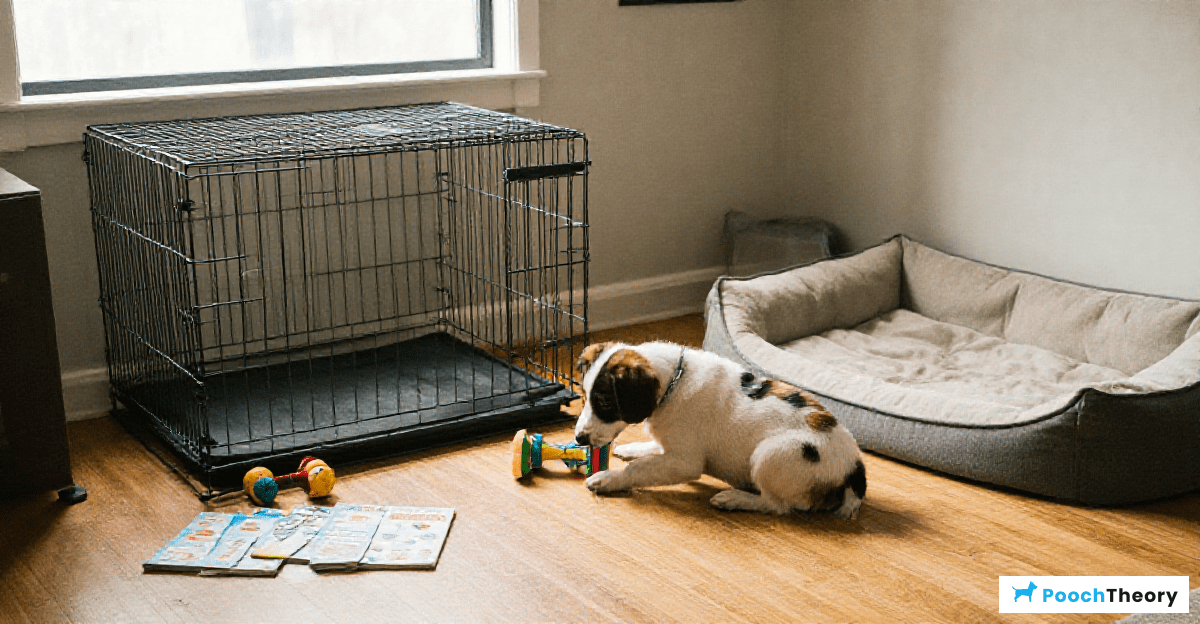
Adapting your puppy’s training plan is essential for fostering effective learning and behavior. One key aspect to monitor is your puppy’s demeanor. If your pup shows signs of stress or frustration during training, such as excessive barking, withdrawal, or lack of engagement, it’s crucial to reassess your approach. Adjustments can include shortening training sessions, switching up the training environment, or incorporating more play-based activities to enhance motivation. Puppies thrive on consistency; modifying training methods to your puppy’s individual needs helps them respond better to commands and reduces anxiety.
Additionally, consider the growth and development stages of your puppy. Younger puppies may benefit from simpler commands and shorter bursts of attention, while older pups may be ready for more complex tasks. If you notice significant improvements in your puppy’s skills, you can ramp up your training intensity by introducing new challenges or environments, such as socialization opportunities or distraction training. Regular evaluation of your puppy’s progress will ensure that the training remains beneficial. It’s also advisable to integrate positive reinforcement techniques, as these have been shown to enhance learning and build a stronger bond between you and your pet.
Moreover, keep in mind that external factors such as household dynamics or changes in environment can affect your puppy’s behavior. Ensure a stable environment by maintaining consistent schedules for feeding, exercise, and playtime. Engaging in activities that promote bonding, like play sessions or casual strolls, can significantly affect your puppy’s willingness to learn and cooperate. For optimal results in your training regimen, consider leveraging resources such as home training techniques that fit both your and your puppy’s lifestyle. Regular assessment and adaptation of your training strategy will help optimize your puppy’s growth and behavior.
Common Challenges in Dog Training
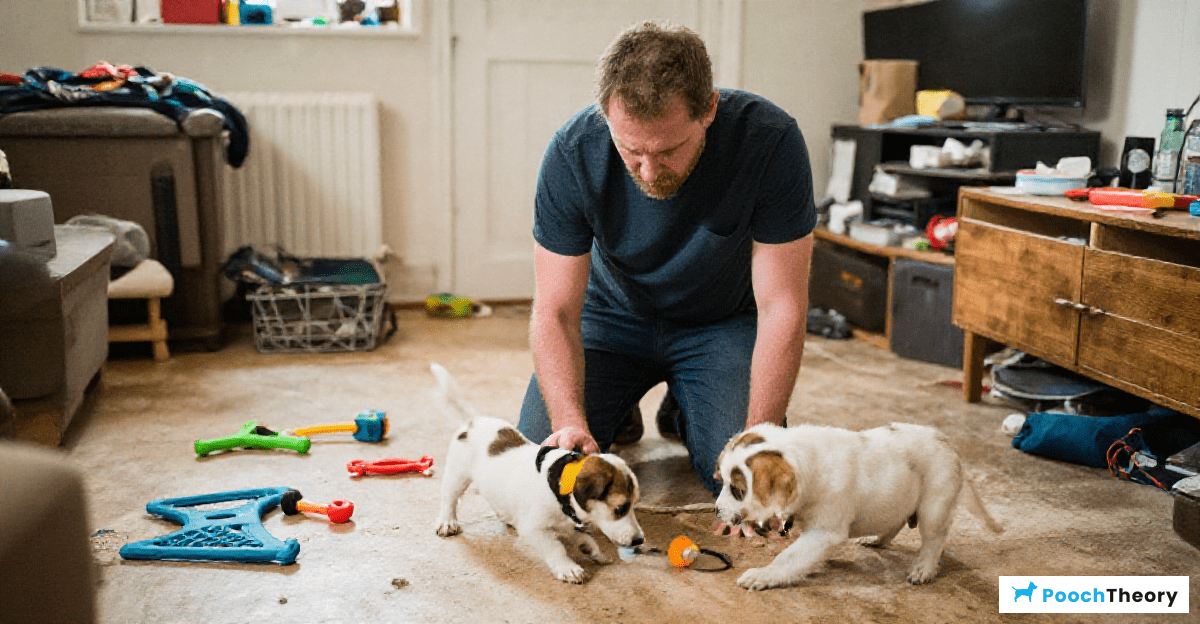
Training a dog is often a rewarding journey, yet it can come with its fair share of challenges and setbacks. Understanding these common issues and developing effective coping strategies can significantly improve the training experience for both you and your dog.
- Behavioral Issues: Many dog owners encounter problems such as barking, jumping, or aggression. These behaviors can stem from a lack of training, fear, or anxiety. A consistent training routine is crucial; employing techniques such as positive reinforcement can help mitigate these behaviors. Consistency, patience, and fair training are essential.
- Lack of Commitment: Training requires a sustained commitment from dog owners. Skipping training sessions or failing to reinforce learned behaviors can lead to regression. It’s important to create a structured schedule that includes daily practice and bonding time with your pet. As noted by experienced owners, “small, repeatable moments matter most” in achieving consistent training results [Source].
- Inconsistent Feeding and Exercise Routines: Dogs thrive on routine, and inconsistent feeding schedules can lead to behavioral issues as well. Regular exercise not only helps manage your dog’s energy levels but also improves focus during training sessions. Responsible owners find that daily exercise is crucial for a well-adjusted dog.
Strategies to Overcome Setbacks
- Involving a Professional Trainer: If challenges persist, consider consulting a professional trainer who can provide additional support and customized training strategies. Engaging an expert ensures that you’re using effective methods tailored to your dog’s unique needs, especially for behavioral challenges like resource guarding or separation anxiety. Learn more about the differences between training styles here.
- Community Resources: Explore local dog training classes and community training groups, which can offer support and encouragement. Connecting with others can provide motivation and new insights into overcoming training hurdles.
- Patience and Understanding: It’s essential to approach training with patience. Each dog learns at their own pace, and setbacks are often part of the journey. Recognizing this can help maintain a positive training atmosphere.
By acknowledging the common challenges in dog training and implementing effective strategies to address them, you can create a more successful and enjoyable training experience for both you and your dog.
Long-Term Success in Puppy Training
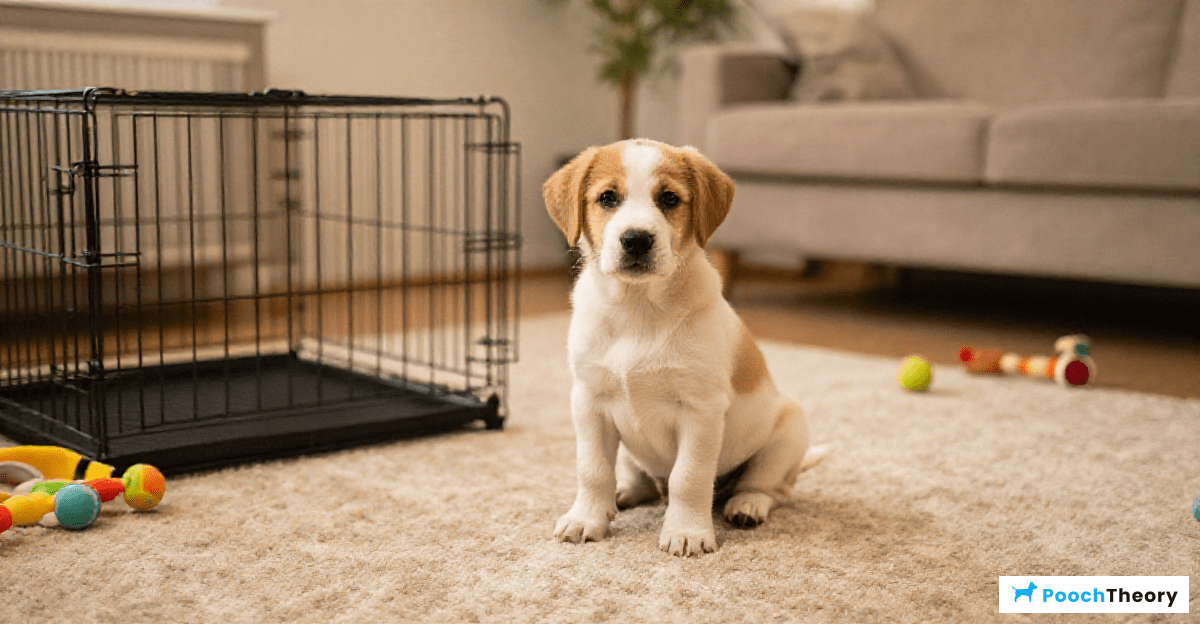
Successfully training your puppy for alone time and ensuring their long-term happiness involves a thoughtful approach to both training techniques and continuous care. An essential strategy is establishing a consistent daily routine that includes regular exercise, feeding, and socialization opportunities. Research indicates that seasoned dog owners highlight the significance of these small, repeatable moments for fostering a well-adjusted pet. For example, maintaining a consistent feeding schedule and daily bonding time can significantly influence a dog’s behavior and health long-term [Source].
Incorporating gradual exposure training can also alleviate anxiety related to being left alone. By familiarizing your dog with different household sounds, you help reduce unwanted responses and build their confidence. If a puppy is not exposed to these sounds early on, they may develop noise sensitivity that exacerbates anxiety during training sessions [Source].
Moreover, nutrition plays a vital role in your puppy’s overall well-being. Selecting high-quality dog food from the very start can contribute to a vibrant and energetic dog, ensuring they remain engaged and happy. This proactive approach to nutrition is another way to prepare for long-term success [Source].
Lastly, continuously re-evaluating your training strategies and adapting to your puppy’s needs will ensure they remain content and healthy as they grow. Engaging in activities that reinforce positive behavior, alongside regular social interactions with other dogs and people, will help maintain their happiness throughout their lives. For more in-depth strategies, consider exploring our guides on dog training fundamentals or socializing your puppy.



