

Puppy Proofing Your Apartment
Puppy proofing your apartment is essential for creating a safe environment for your new furry friend. Puppies are naturally curious and tend to explore their surroundings by chewing. This behavior can lead to significant challenges, including damage to household items and potential hazards.
One common issue is that puppies are prone to chewing on anything they can reach, including furniture, shoes, and cables. For instance, reports have shown incidents where dogs have chewed on battery-powered items, creating dangerous fire hazards, such as a recent case where a puppy started a house fire by chewing on a heated glove [Source]. Moreover, not only do they chew furniture but also can inadvertently harm themselves by ingesting items that aren’t safe [Source].
To prevent these common issues, it’s crucial to implement safety measures. Basic strategies include ensuring that hazardous items are out of reach, using protective covers for electrical cords, and providing appropriate chew toys to redirect their chewing instincts. By puppy proofing properly, you not only protect your belongings but also safeguard your puppy’s health.
Identifying Chewable Items
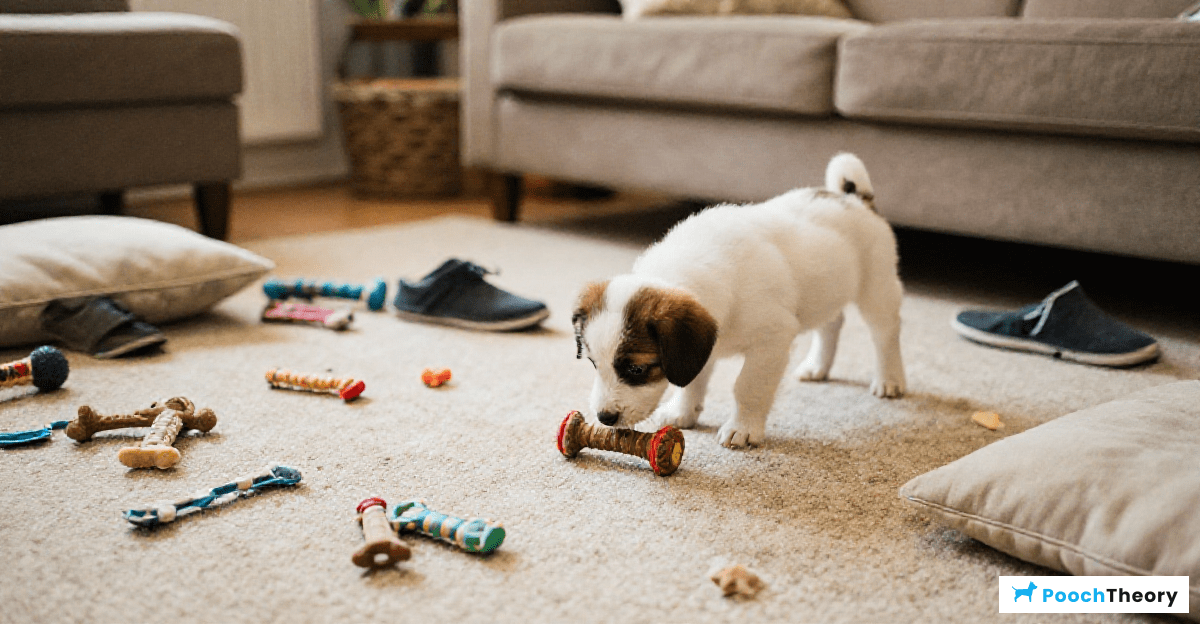
To identify chewable items in your apartment that may pose a risk to your puppy, follow these steps:
- Conduct a Walkthrough: Begin by systematically walking through your apartment while keeping your puppy leashed. Pay close attention to low-lying items, such as shoes, toys, magazines, and cables.
- Assess Material Safety: Evaluate the materials of the objects within your puppy’s reach. Items made of fabric, plastic, or rubber are often more appealing to puppies.
- Store Hazardous Items Properly: Keep items like batteries, tools, cleaning supplies, and medications in cabinets or areas that are not accessible to your puppy.
- Use Deterrents: Consider using commercial deterrent sprays on furniture or items you want to protect. These sprays are usually bitter-tasting, discouraging chewing behavior.
- Offer Appropriate Chew Toys: Provide a variety of safe chew toys to divert your puppy’s attention from inappropriate items.
- Observe and Modify: Regularly assess your puppy’s behavior and modify your storage and safety practices accordingly.
By being proactive in identifying and managing chewable items, you foster a safer environment for both your puppy and your belongings. For additional training tips that can complement these safety measures, check out our guide on dog training techniques.
Securing Your Apartment
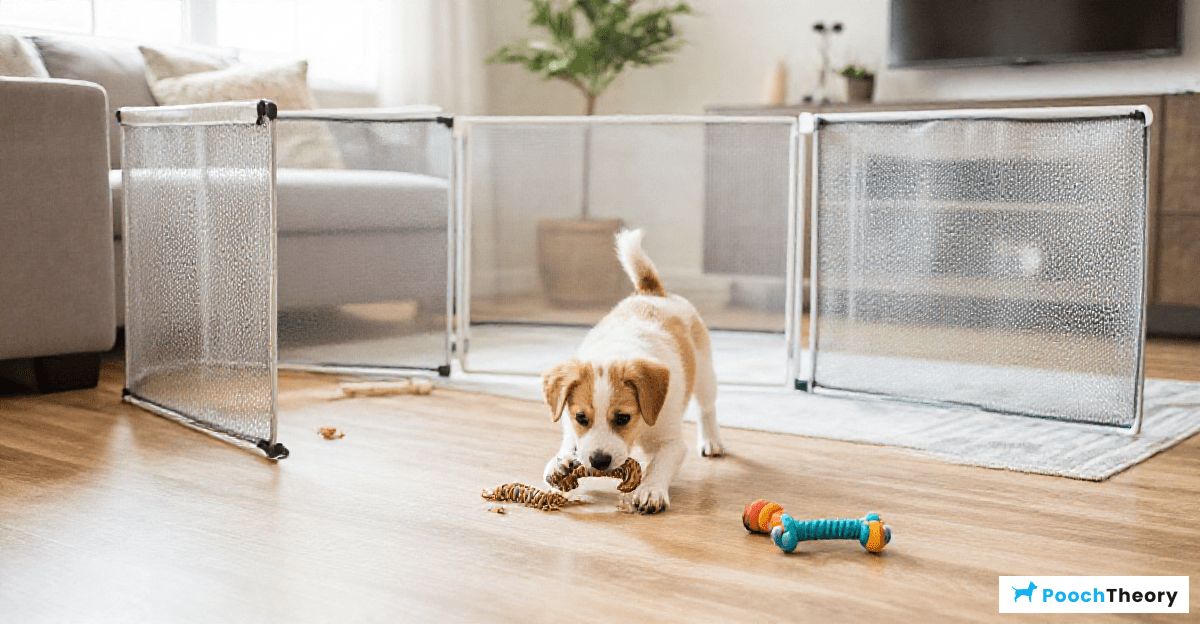
To ensure your apartment is safe for your new puppy, assess your living space for potential hazards. Here are key tips:
- Electrical Cords: Puppies may chew on electrical cords, posing a choking or electrocution risk. Use cord covers or tape to secure these cables out of reach.
- Toxic Plants: Identify any toxic plants and either remove them from your home or place them in inaccessible areas.
- Household Cleaners and Chemicals: Store cleaning supplies, medications, and chemicals in secure cabinets.
- Small Objects: Regularly check floors and surfaces for small items that could be swallowed.
- Trash Bins: Secure your trash cans with child-proof locks or keep them in cabinets.
- Furniture Stability: Ensure that furniture is stable and does not have sharp edges or unstable components.
- Gates and Barriers: Install gates to restrict access to off-limit areas.
- Secure Heavy Items: Anchor heavy furniture to prevent tipping.
By implementing these measures, you can significantly reduce the risk of accidents and help your puppy safely explore your home. For more essential training tips, check out our article on Essential Dog Training Tips.
Using Pet-Proofing Products
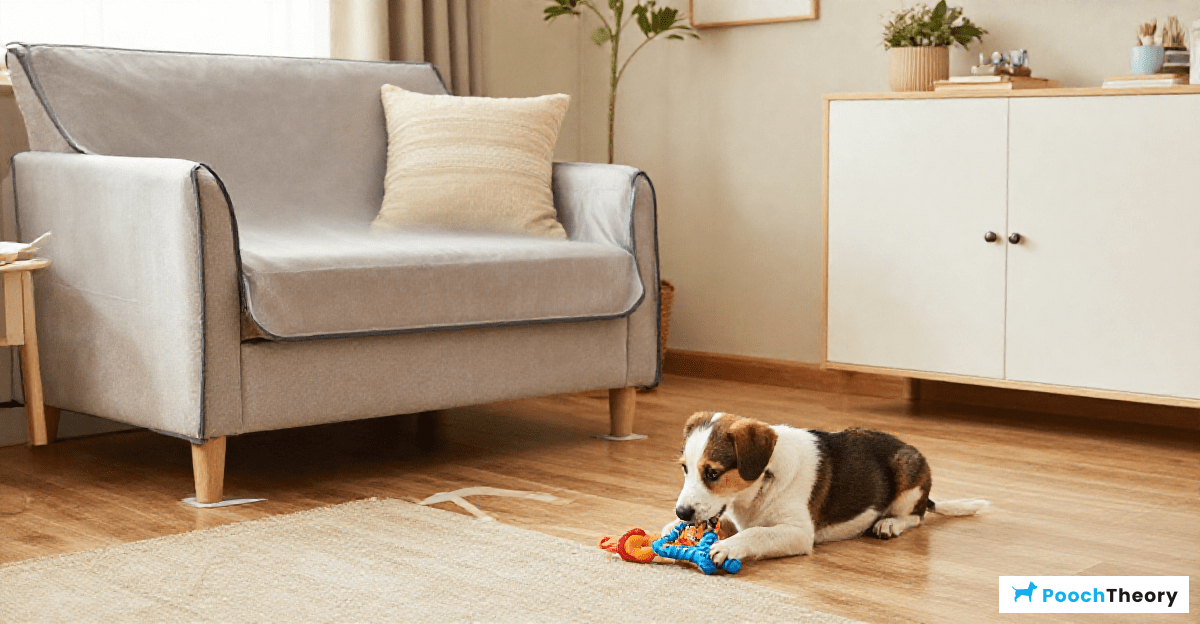
When it comes to creating a pet-friendly home, using effective pet-proofing products is essential. Here are several helpful items:
- Chew-Proof Furniture Covers: These covers resist damage from sharp teeth and claws while maintaining style and comfort.
- Cable Protectors: Encasing wires in durable materials can prevent chewing incidents.
- Dog Gates: These can restrict access to certain areas and keep your home organized.
- Furniture Arrangements: Consider how you arrange and store items to minimize risk.
By integrating these pet-proofing products into your home, you create a safe environment for your pets. For further guidance, check our article on how to stop puppy chewing furniture when home alone.
Creating a Chew-Approved Zone
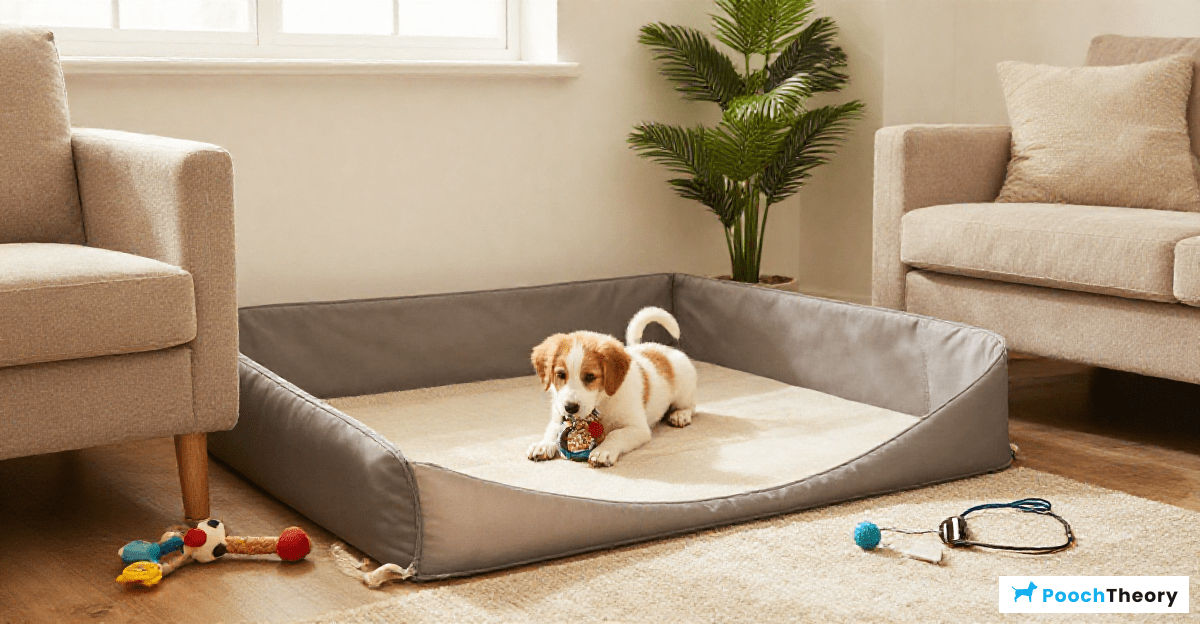
Creating a designated area for your puppy filled with safe chew toys and comfortable resting spots is essential. Here are steps to set up this Chew-Approved Zone:
- Location Selection: Dedicate a quiet spot in your home for your puppy.
- Safety Measures: Puppy-proof this area by removing hazardous items.
- Creating Comfort: Provide a soft bed or mat and blankets for comfort.
- Choosing Chew Toys: Select durable toys suitable for your puppy.
- Incorporating Interactive Toys: Include puzzle toys to stimulate your puppy’s mind.
- Training and Monitoring: Utilize this space for training sessions.
- Regular Checks and Maintenance: Keep the area clean and engaging.
Establishing a dedicated Chew-Approved Zone provides your puppy with a safe haven to chew and rest, leading to a happier, healthier dog.
Supervision During Chewing Stage
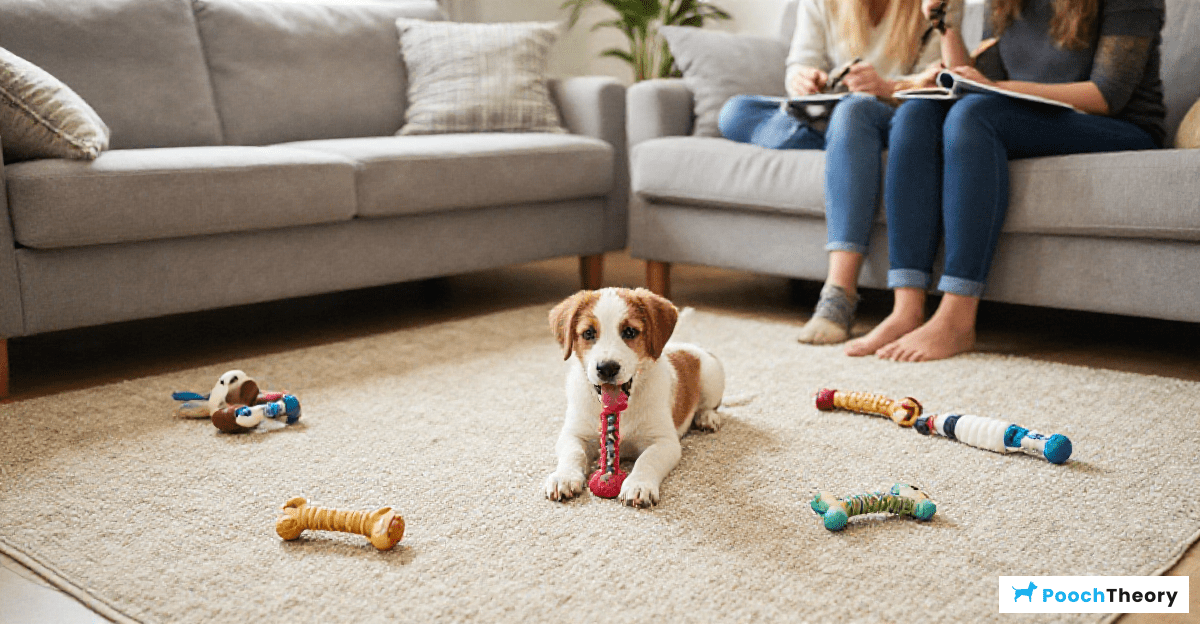
Supervising your puppy closely during their chewing stage is crucial for their safety. Continuous supervision allows you to redirect their chewing behavior towards appropriate toys and prevent destructive habits. Research shows that unsupervised puppies can engage in dangerous chewing, emphasizing the need for vigilant monitoring [Source].
Using a leash during supervision helps keep your puppy within reach and allows you to guide them away from unsafe items. This structured approach reinforces positive behavior while ensuring safety.
Establishing a Routine
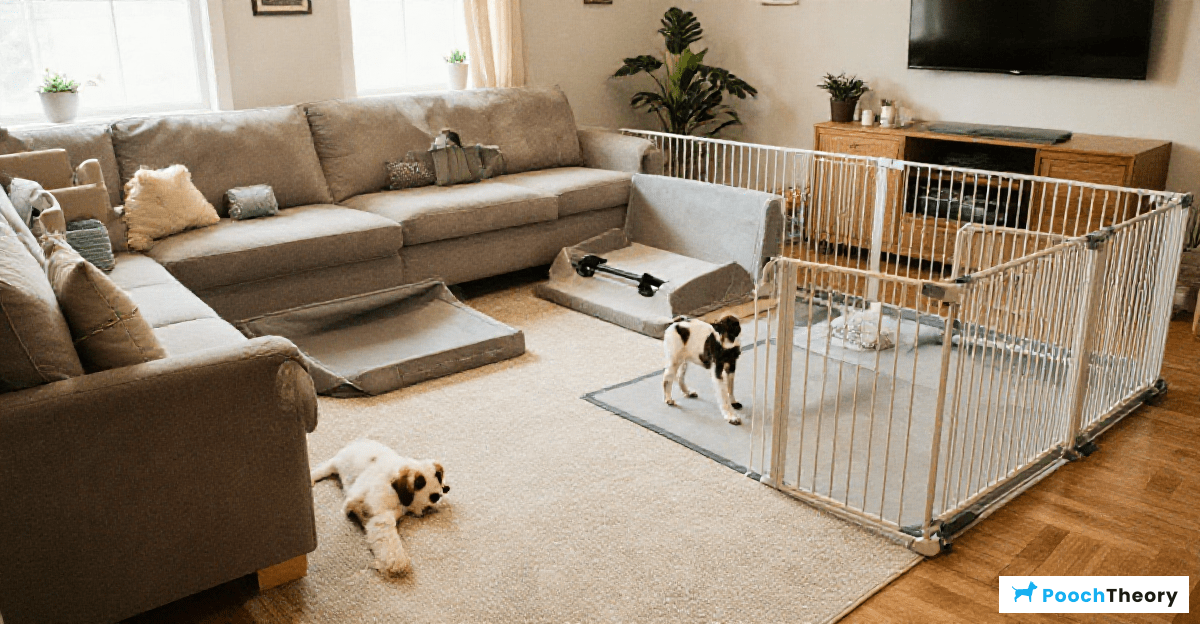
Establishing a consistent daily routine can significantly impact your dog’s behavior and happiness. Here are tips for creating a schedule that includes regular playtime, exercise, and chew toy time:
- Morning Routine: Start the day with a structured routine, including a walk to stimulate their mind and reduce anxiety.
- Scheduled Playtime: Incorporate regular play sessions to engage your dog.
- Designate Chew Time: Provide quality chew toys during specific times.
- Consistent Feeding Schedule: Feed your dog at the same times each day.
- Evening Wind-Down: Engage your dog in calming activities before bed.
- Adjustment Period: Be patient as you establish this routine.
By systematically incorporating these elements into your dog’s daily routine, you can create an engaging environment that encourages good behavior. For more strategies on managing dog behavior, check out our articles on preventing unwanted chewing and effective training techniques.
Discouraging Inappropriate Chewing
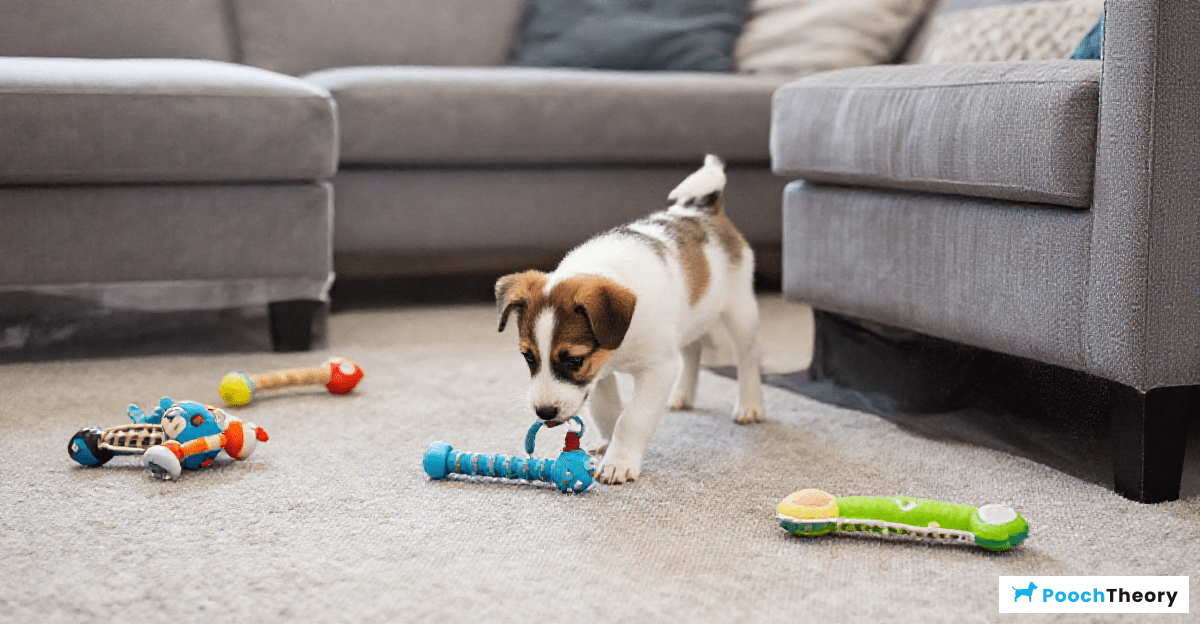
To effectively discourage your dog from chewing on inappropriate items, combine positive reinforcement and consistency. Here are some training techniques:
- Redirect Attention: Calmly redirect your dog to an appropriate chew toy when caught chewing something they shouldn’t.
- Provide Appropriate Chew Toys: Opt for durable and safe chew toys that cater to their natural urge to chew.
- Stay Consistent: Use the same commands during redirection.
- Use Deterrents: Apply bitter-tasting sprays to items you want to protect.
- Increase Exercise and Mental Stimulation: Incorporate regular walks, play sessions, and puzzle toys to keep your dog engaged.
- Establish a Routine: A stable environment can mitigate anxiety and reduce chewing.
By combining these techniques, you can effectively guide your dog toward positive chewing habits, ensuring their safety and preserving your belongings.
The Importance of Puppy Proofing
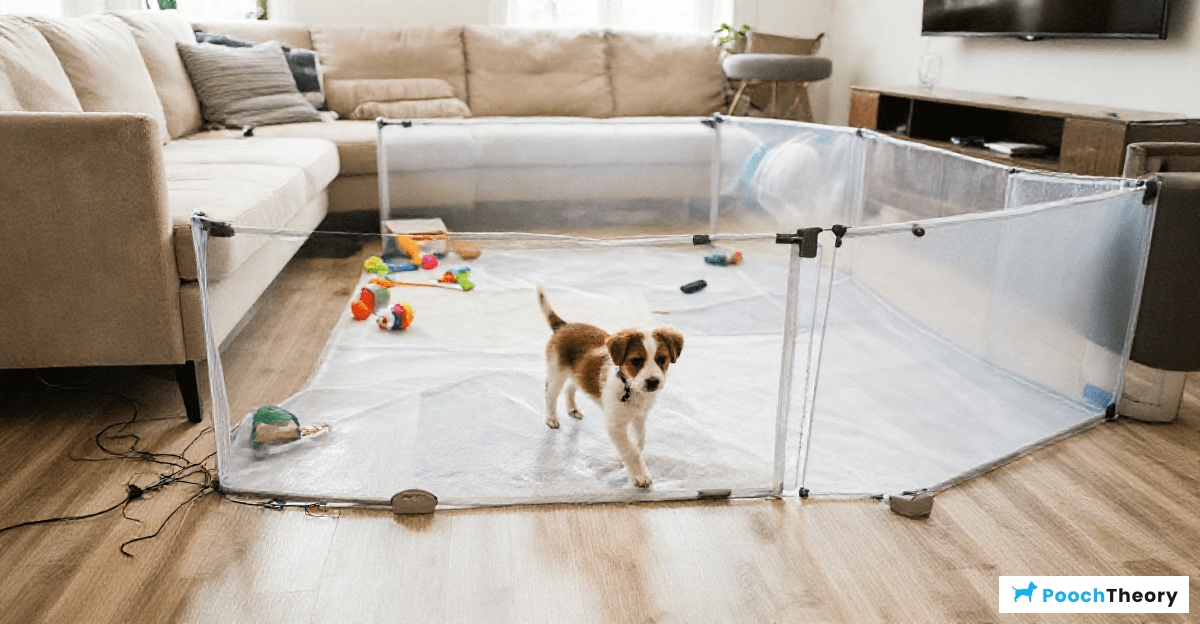
Puppy proofing is an essential practice for pet owners, as it minimizes the risk of accidents and damages. Being proactive in this endeavor is vital during a puppy’s early life when their natural curiosity leads them to explore inappropriate or hazardous items. For instance, guarding against potential fire dangers, like storing battery-powered items safely, can prevent dangerous chewing incidents [Source].
To maintain a chew-safe environment, consider implementing these final tips:
- Secure Hazardous Items: Keep electrical cords, cleaning supplies, and medications out of reach.
- Provide Appropriate Chew Toys: Invest in safe chew toys designed specifically for puppies.
- Establish Boundaries: Use baby gates to limit access to certain rooms.
- Regular Supervision: Monitor your puppy to redirect their interest from harmful objects.
- Training and Positive Reinforcement: Teach your puppy which items are theirs and reinforce good behavior with treats.
By implementing these strategies consistently, you can create a safe and chew-friendly home that ensures both your puppy’s safety and your possessions’ integrity.



