

Early Socialization for Puppies in Apartment Living
Early socialization is essential for puppies, particularly in apartment settings where space is limited and interactions with other animals and people are crucial for their development. Proper socialization helps prevent behavioral issues caused by fear or aggression, which can easily arise in confined living spaces. Puppies that are not adequately socialized may struggle with adjusting to the bustle of apartment life, leading to anxiety and disruptive behaviors like excessive barking or destructive chewing. Socialization helps foster positive behaviors as puppies learn to navigate their environment confidently. [Dog Socialization Guidance]
The Ideal Socialization Period
The ideal period for socialization is during the first three to four months of a puppy’s life. This critical timeframe allows them to be exposed to various experiences, people, sounds, and environments, enhancing their adaptability. For apartment dwellers, this might involve introducing their puppies to different surfaces, such as tiles, carpets, or elevators, while meeting neighbors and other pets in a controlled manner. Puppies learn important boundaries and social cues through interactions with older dogs that model appropriate behavior and communication skills, helping them understand respect and personal space. For example, when an older dog gently corrects puppy behavior, it builds confidence and teaches the younger dog how to behave appropriately in social settings [Source].
Safe Socialization Before Vaccination
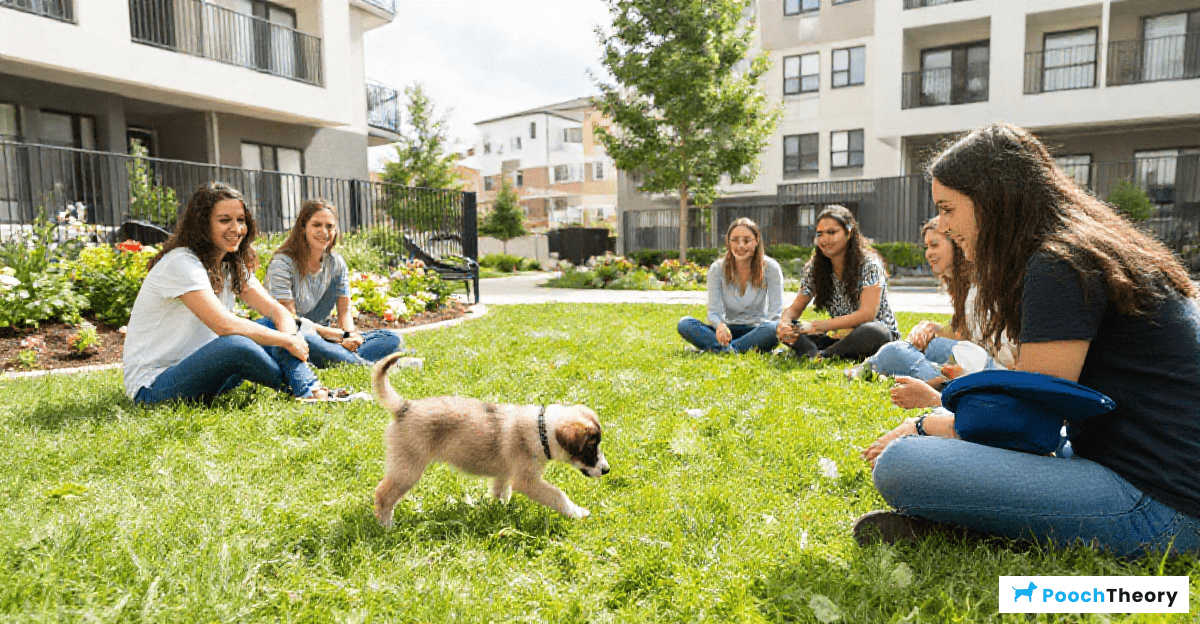
Vaccination is a critical aspect of puppy health, particularly during their early stages of development. The standard vaccination schedule typically begins at six to eight weeks of age, with a series of vaccines administered every three to four weeks until the pup is around 16 weeks old. Core vaccines include rabies, distemper, parvovirus, and adenovirus, which protect against some of the most severe canine diseases. Proper vaccination helps prevent outbreaks of these diseases, as seen in instances of measles linked to failing vaccination rates in certain areas, demonstrating the importance of immunization not just for individuals but for community health as well [Source].
In regard to socializing, it is advisable to start introducing your puppy to new environments and experiences before they complete their vaccination regimen. Many veterinarians suggest that socialization can begin around 8 to 10 weeks, as long as you control the environment to minimize exposure to unvaccinated dogs and potential diseases. This critical period allows puppies to learn important social skills and behaviors, which can reduce anxiety and fearfulness in adulthood [Source].
Effective Socialization Techniques
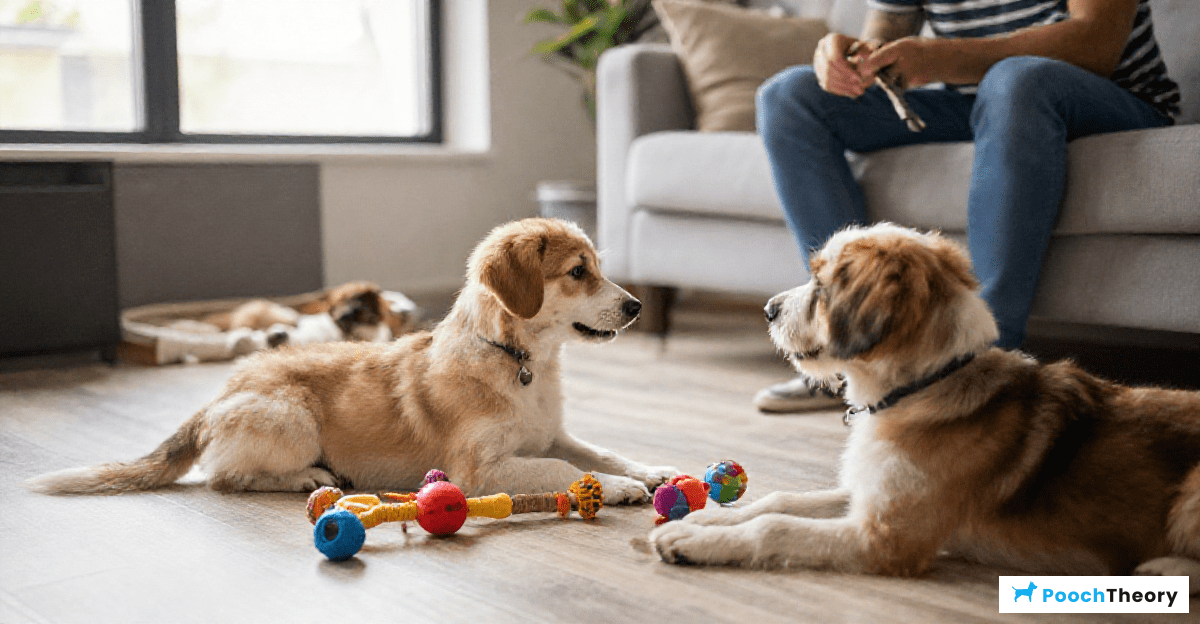
Socializing your puppy is crucial for their development, especially before they receive all their vaccinations. Here are some effective and safe techniques to ensure your young dog gains essential social skills:
- Controlled Environment: Begin socialization in a safe, controlled environment such as your home or a friend’s yard. Let them explore at their own pace, gradually introducing new stimuli like children playing or other pets.
- Positive Exposure: Use positive reinforcements when exposing your puppy to new experiences. Reward them with treats or praise when they interact positively, creating a positive association with new situations.
- Older Dog Guidance: Involve an older dog in your puppy’s socialization process, as they can teach puppies important social cues and boundaries through play and structured interactions [Source].
- Puppy Classes: Enroll your pup in socialization classes led by a professional trainer. These environments provide structured settings for safe interactions with other dogs and people.
- Gradual Introduction: Gradually introduce your puppy to various environments, such as busy streets and pet-friendly stores, ensuring experiences are short and positive.
- Observe and Adapt: Pay close attention to your puppy’s body language. If you notice signs of stress, such as tail tucking or hiding, take a step back and provide them with a safe space to decompress.
Utilizing Your Apartment for Puppy Socialization
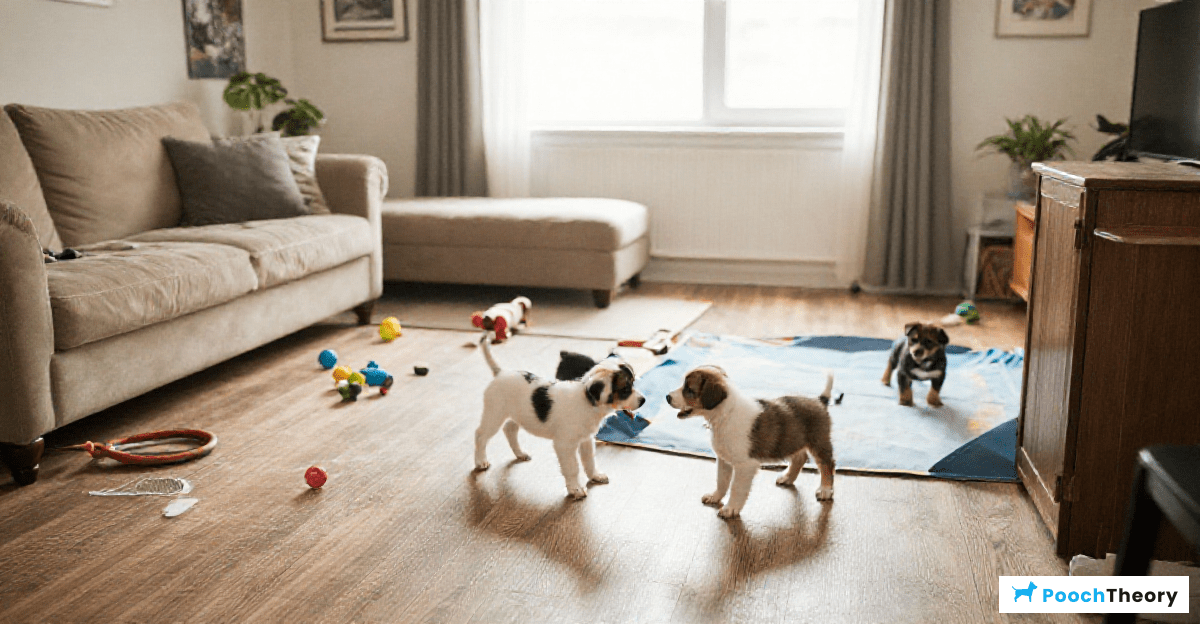
Utilizing your apartment’s amenities and nearby areas for puppy socialization is essential in promoting a well-adjusted dog. Start by taking advantage of communal spaces like dog parks, where your puppy can interact with other dogs and people. Organize playdates with neighbors who have dogs to create a safe environment for your puppy to engage socially.
If your apartment does not have a designated pet area, consider going to nearby parks where there is ample space for your puppy to explore and meet other canines. Try scheduling regular walks around your apartment complex or visiting dog-friendly cafes to enrich their social interaction. Early exposure to various settings greatly reduces the likelihood of behavioral issues later in life [Dog Socialization Guidance].
Monitoring Puppy Behavior During Socialization
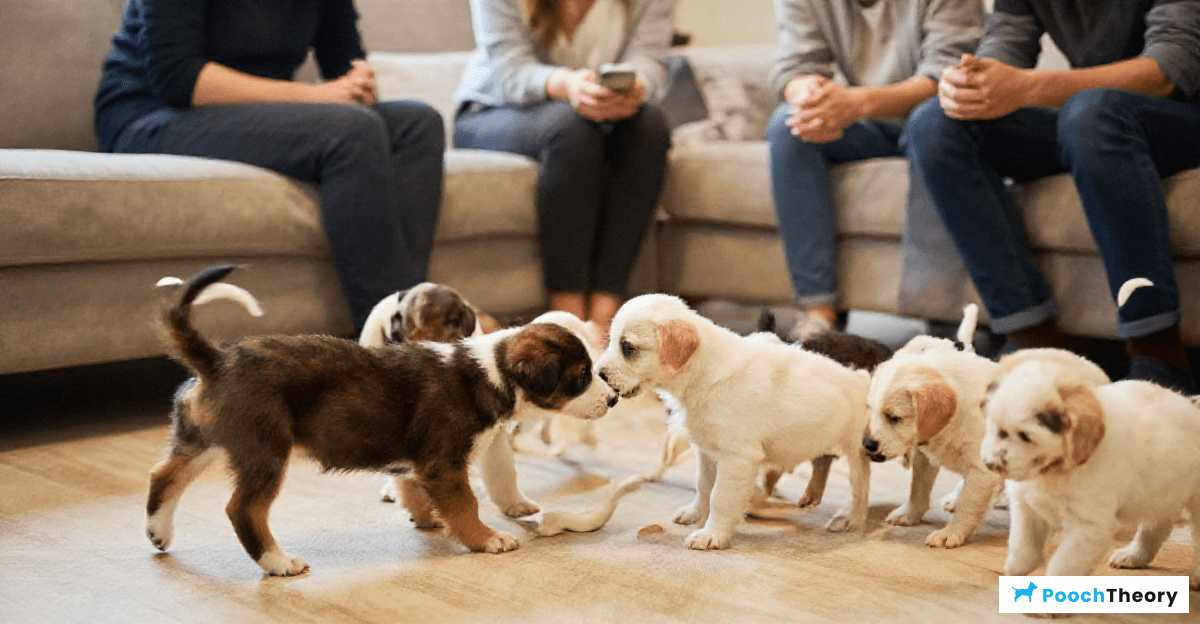
Monitoring your puppy during socialization is vital for their development and well-being. Here are some guidelines to help you observe their behavior and respond effectively:
- Observe Body Language: Look for signs of relaxation or discomfort to ensure a positive experience.
- Promote Positive Encounters: Choose well-mannered dogs for your puppy to socialize with, as adult dogs often teach essential social skills.
- Create Safe Spaces: Ensure your puppy has access to quiet areas where they can retreat if they feel overwhelmed.
- Engage with Play and Praise: Encourage your puppy to play using toys or treats, making the experience enjoyable.
- Be Patient and Responsive: Adjust the pace of socialization based on your puppy’s reactions and comfort levels.
- Regular Socialization Outings: Incorporate various settings for your puppy to meet different people and dogs over time.
Risks of Socializing Unvaccinated Puppies
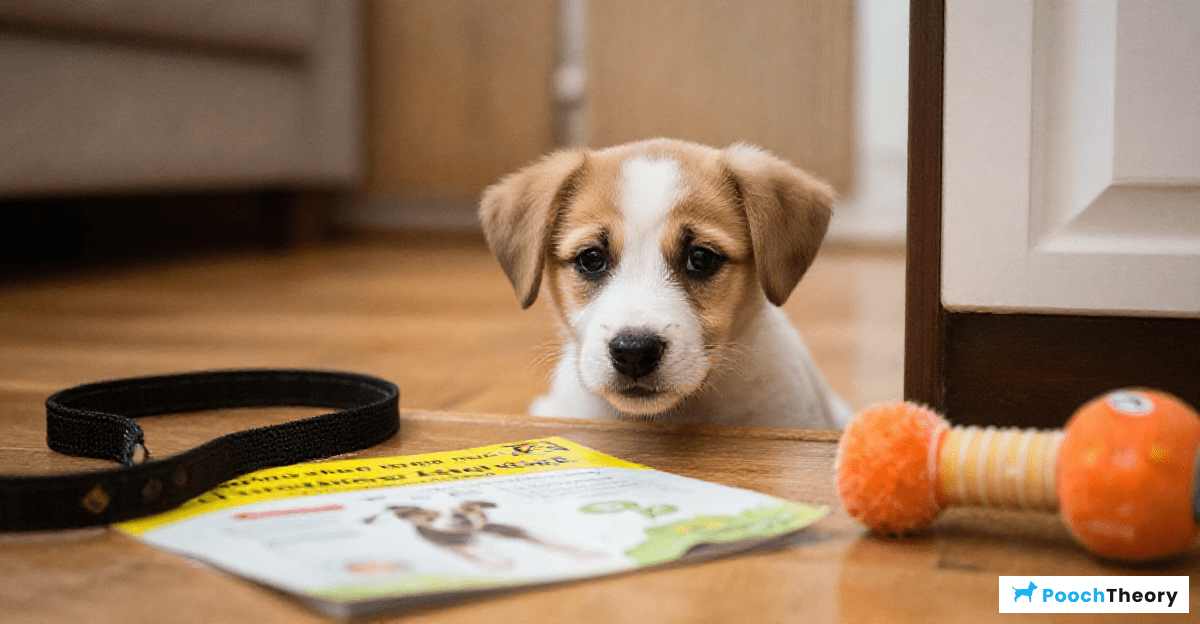
Socializing unvaccinated puppies carries significant risks that can be detrimental to their health and development. Unvaccinated puppies are particularly vulnerable to infectious diseases such as parvovirus and distemper, which can be life-threatening. The risk of exposure to these diseases is particularly high in environments where other dogs are present. Establishing a controlled socialization environment, including scheduled interactions with fully vaccinated dogs, can aid in teaching proper behaviors without disease exposure [Source].
Waiting until puppies are fully vaccinated—typically around 16 weeks old—before exposing them to public places minimizes health risks. Up to 93% of reported cases of certain diseases occur among unvaccinated pets [Source]. Following guidelines from veterinarians ensures a healthy, positive socialization experience for puppies.
The Importance of Responsible Socialization
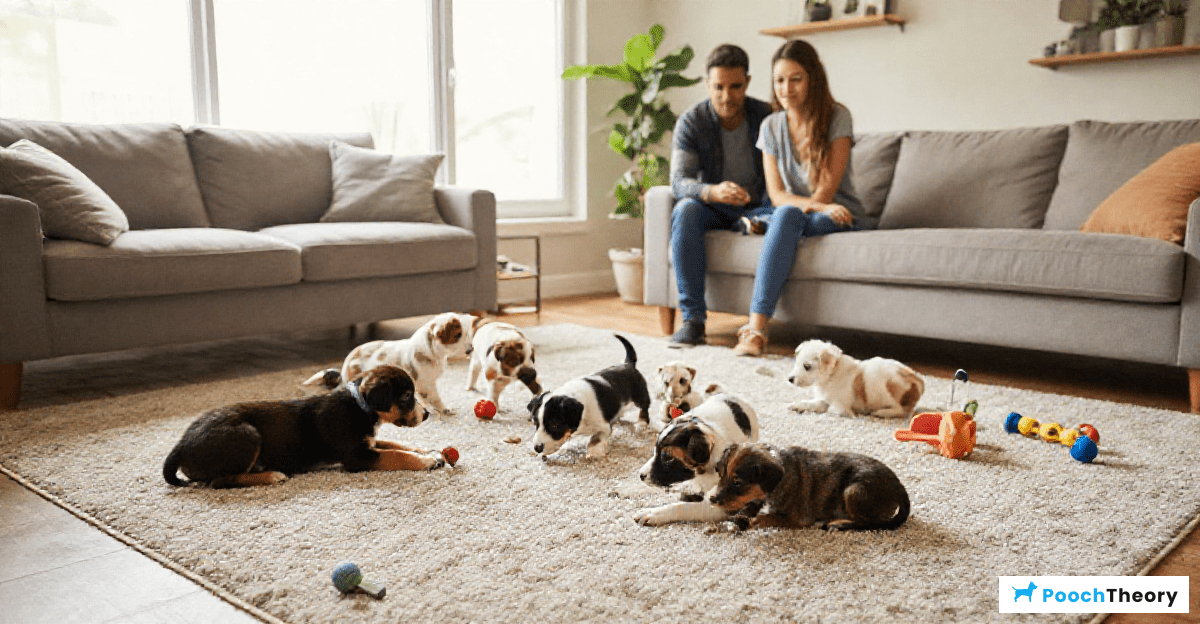
Socialization is crucial for dogs, influencing their behavior and overall well-being. Dogs are social animals, and proper socialization helps them develop confidence and reduces anxiety around unfamiliar people and environments. Engaging your dog with various stimuli prepares them for real-world interactions and minimizes the chances of behavioral issues later in life [Source].
By prioritizing socialization and training, owners enhance their dogs’ behavior and foster healthier, more fulfilling lives for both pets and their families. For more detailed strategies on training and socialization, check our comprehensive guide on loose leash walking.



