


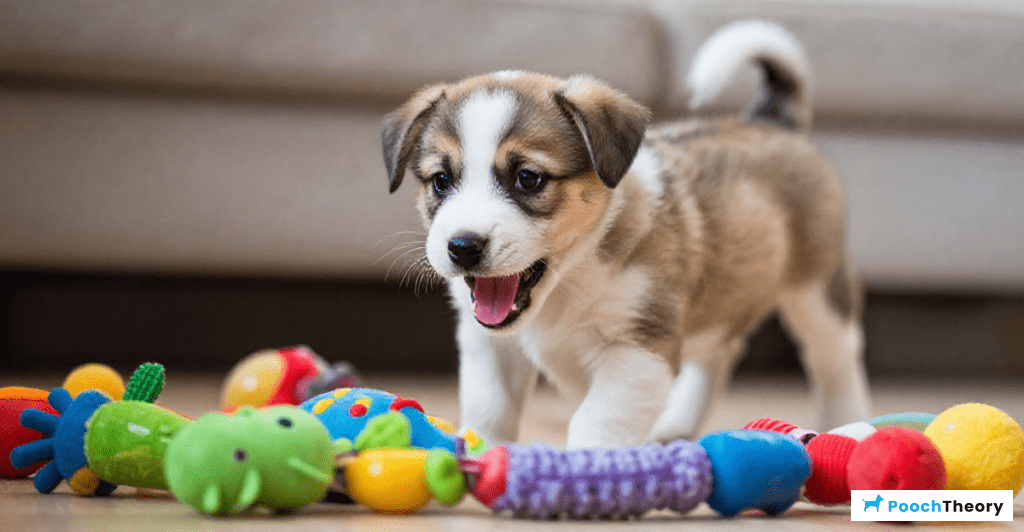
Puppy Growling Behavior During Play
Puppy growling behavior during play, especially while interacting with toys, is a common and often misunderstood aspect of canine communication. This vocalization can indicate excitement or playfulness rather than aggression. According to dog behavior experts, growling is prevalent when puppies engage in activities that simulate hunting or fighting, such as tugging on toys or wrestling with their human companions. It serves as a form of expression, inviting further interaction and showcasing their enjoyment of the game. For example, a Golden Retriever puppy was noted growling while playing tug-of-war with an older dog, illustrating that growling can indeed be a playful expression.
During these interactions, puppies learn essential boundaries; older dogs often growl to signal discomfort or establish limits, which teaches younger dogs about appropriate social behavior. It is vital for puppy owners to closely observe the context in which the growling occurs. If it is associated with playful activities and accompanied by a relaxed body posture, this behavior should be recognized as normal development. However, should the growling present alongside signs of stress, fear, or aggression, it may be necessary to review the puppy’s environment and interactions to foster healthier habits. A comprehensive understanding of puppy growling can greatly enhance bonding experiences and training efforts. For further reading on canine interactions, see our article on how to socialize a dog.
Understanding Playful vs. Aggressive Growling


It is crucial for dog owners to understand the differences between playful growling and aggressive growling. Playful Growling often manifests as a light-hearted, high-pitched sound and is typically accompanied by playful movements such as bouncing and play bows. This form of growl indicates happiness and is an invitation for more fun during playtime. An amusing example can be seen in videos featuring puppies, like a Golden Retriever battling an ice cube, showcasing determination mixed with joy, which reflects their playful nature [Source].
In contrast, Aggressive Growling usually involves a lower, rumbling sound suggesting fear, territoriality, or a warning to back off. This growl often is coupled with other tension-signifying body language such as a stiff posture and raised hackles. A dog exhibiting aggressive growling could be protecting its territory or asserting dominance, which, if not addressed, may lead to further aggressive actions [Source]. Understanding these differences allows owners to respond appropriately, either by engaging in further play or removing the puppy from stressful situations to prevent potential escalation.
Techniques for Managing Puppy Growling
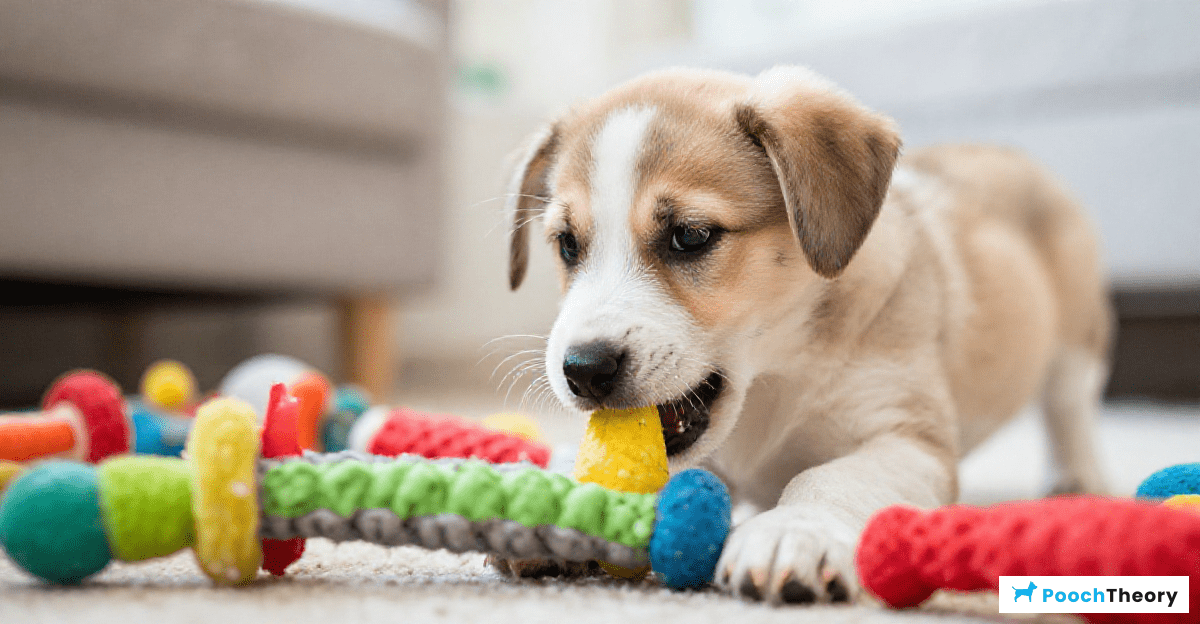
Puppy growling over toys can be concerning, yet it is essential to approach this behavior thoughtfully. Here are several techniques to manage and respond to this behavior effectively:
- Understand the Growl: Recognize that growling is a natural communication form indicating discomfort or possessiveness over a toy. Understanding this can help address the root cause of the behavior.
- Avoid Punishment: Punishing a puppy for growling can increase anxiety and fear, potentially leading to more severe behavioral issues. Instead, employ positive reinforcement strategies, rewarding calm behavior around toys with treats or praise.
- Teach “Leave It” Command: Incorporate commands such as “leave it” that can effectively redirect attention when growling occurs.
- Controlled Introductions: Introduce new toys in a controlled manner, supervise playtime, and intervene if growling happens.
- Socialization Opportunities: Facilitate socialization with both dogs and people, allowing your puppy to learn to share during playtimes.
- Focus on Individual Toys: Designate specific toys as “special” to help reduce competition and anxiety.
- Consult a Professional: If growling escalates into aggressive behaviors, consulting a professional dog trainer or behaviorist may be necessary.
By implementing these techniques, one can foster a harmonious relationship with their puppy and encourage appropriate toy-related behavior.
Conclusion
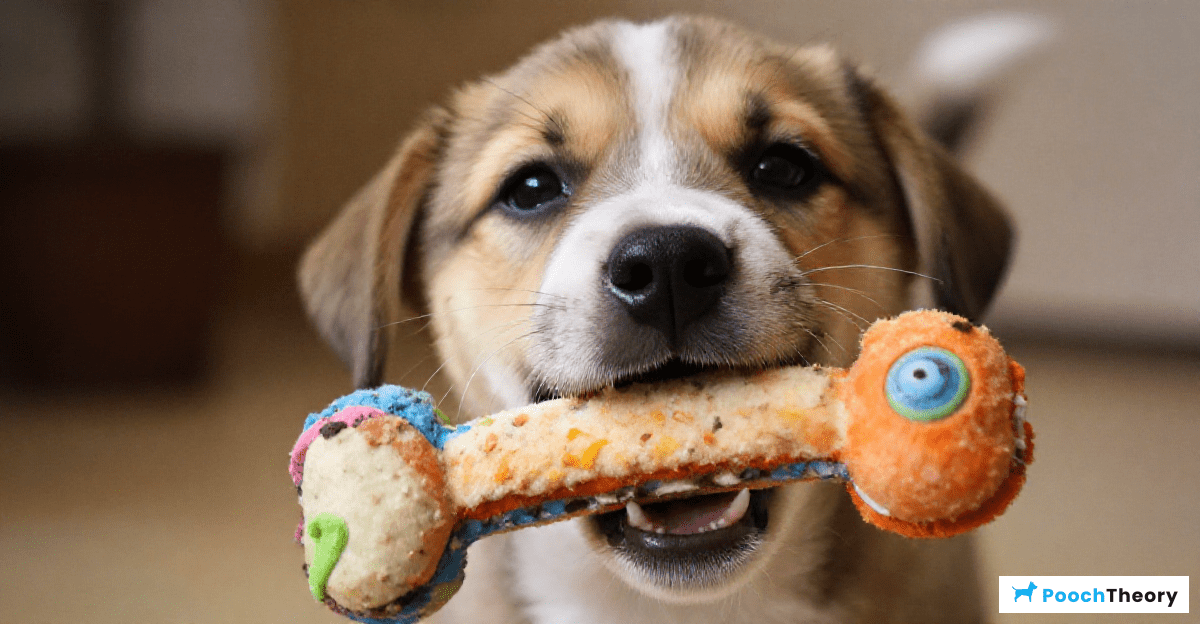
Understanding puppy growling behavior is crucial for new dog owners. Growling serves various purposes, sometimes indicatingplayfulness or a need to set boundaries. For instance, a puppy might growl if it feels threatened, which is an important lesson in ‘dog manners’ for social development. It’s essential to evaluate the context and manage their interactions appropriately to promote a strong bond and prevent negative reinforcement. For additional insights regarding dog behavior and training, check out our articles on puppy nipping and effective dog training techniques.