

Understanding Why Dogs Jump on Furniture
The common issue of dogs jumping on furniture often stems from a desire for comfort, attention, and a place to rest. However, this behavior can lead to a host of problems, including damage to furniture and the potential for a “reinforcement loop” where the dog continues to jump up to receive attention, positive or otherwise. Addressing this behavior without yelling is crucial. Research suggests that positive reinforcement approaches are far more effective than punitive measures. For example, using treats or praise when your dog remains on the floor can teach them that good behaviors lead to rewards, rather than fostering fear or confusion associated with yelling [Source].
Moreover, dogs often jump on furniture due to a combination of instinctual behaviors and learned habits. Their natural inclination to observe their environment plays a significant role in this behavior. If they notice their owners relaxing on couches or beds, they might associate these spots with comfort and security, leading them to seek similar feelings of belonging and relaxation.
Ultimately, understanding and training your dog effectively not only addresses the jumping issue but also contributes to their overall well-being and your home’s comfort. If you’re interested in additional techniques, consider exploring our article on stopping unwanted chewing behavior that can further complement your training efforts.
Implementing Boundaries for Your Dog
Creating boundaries for your dog regarding furniture is essential to maintain a comfortable and harmonious living environment. Here are some guidelines to effectively establish furniture rules in your home:
- Designate Specific Areas: Establish specific spots for your dog to relax, such as a cozy dog bed or crate. This creates clarity on where they are allowed to be, preventing them from jumping on furniture.
- Use Commands Consistently: Train your dog to understand commands like “off” when they attempt to jump on furniture. Consistent reinforcement will help them grasp the boundaries set by you [Source].
- Block Access: If necessary, consider using baby gates or pet barriers to restrict access to parts of the home.
- Redirect Behavioral Tendencies: Instead of just telling your dog “no,” redirect their attention to their designated area whenever they try to jump up.
- Set Up a Routine: Establish a regular schedule for daily activities, as consistency can reinforce their behavior.
- Socialization: Teach your dog how to behave around guests to encourage good behavior.
Positive Reinforcement Techniques
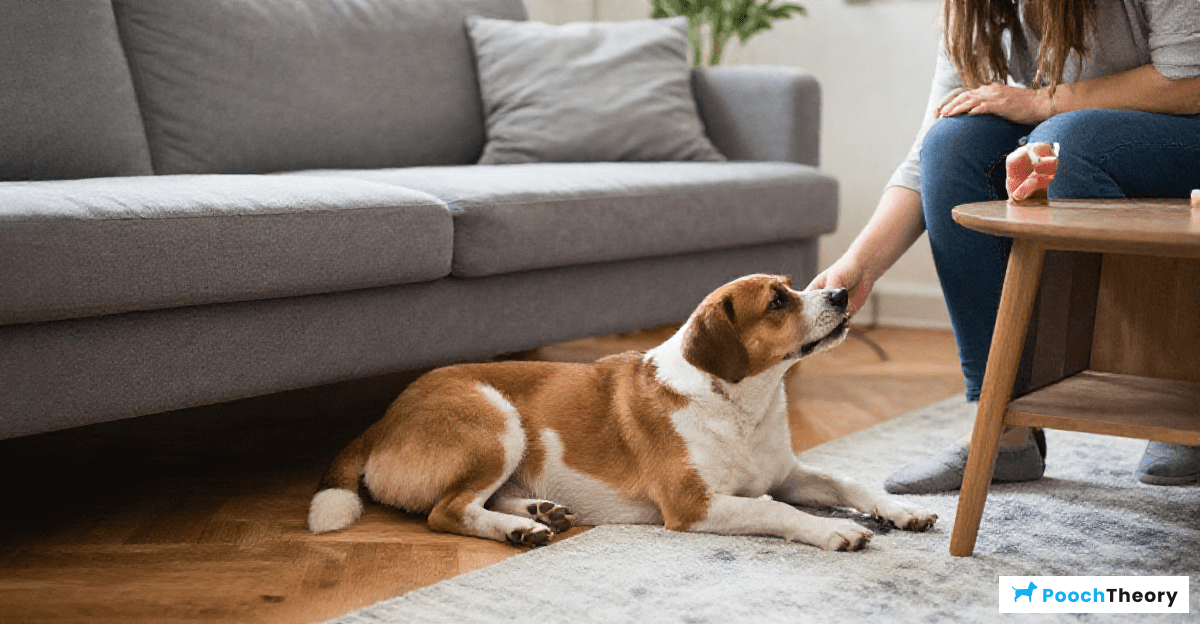
Training your dog to stay off furniture can be effectively achieved through positive reinforcement techniques. Rather than resorting to negative methods, which can breed anxiety and resistance, utilizing rewards and praise creates a more engaging and pleasant learning environment for your dog.
Start by establishing clear rules. Whenever your dog successfully stays off the furniture, reward them immediately with treats or praise. This reinforces the desired behavior and helps them associate staying off the furniture with positive outcomes.
Additionally, distraction techniques can be highly effective. Placing appealing dog beds or mats near furniture as designated spaces can encourage your pet to lie down there instead. Gradually, they will learn to associate these areas with comfort and rewards.
Training strategies that involve commands such as “off” or “leave it,” paired with rewards when they obey, can cultivate a well-trained pet overall. For more detailed strategies and insights, consider our comprehensive guide on positive reinforcement techniques.
Encouraging Alternative Spaces
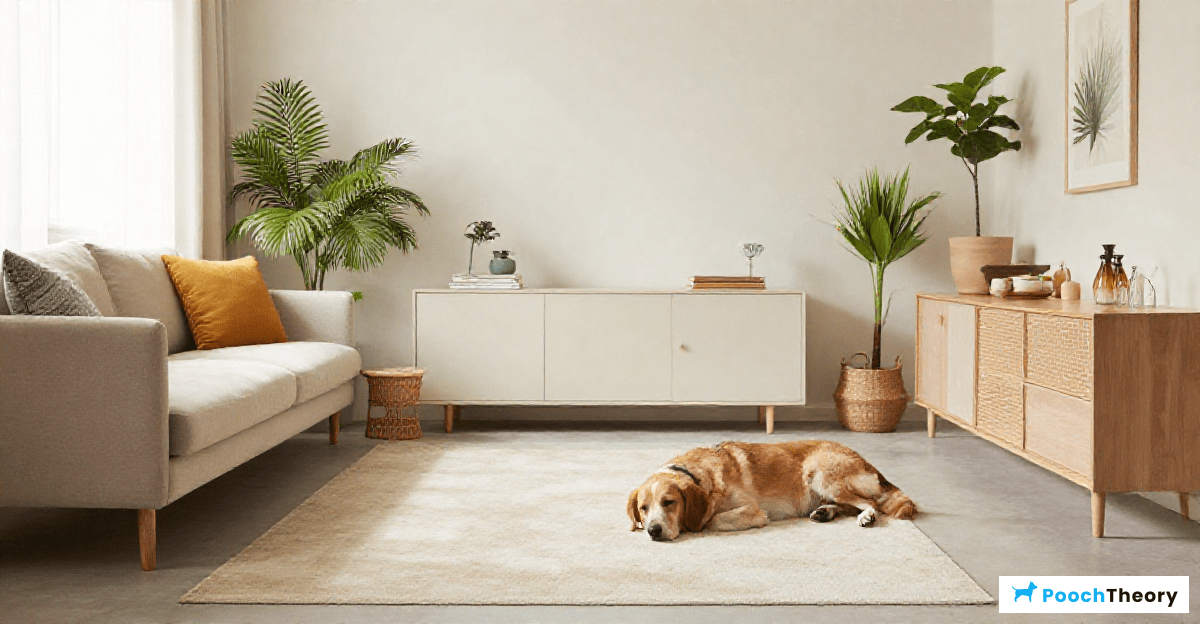
To encourage your dog to use alternative spaces or items rather than your furniture, consider several practical solutions that cater to their needs:
- Designated Dog Zone: Create a specific area in your home for your dog, equipped with comfortable bedding and their favorite toys.
- Comfortable Alternatives: Invest in dog beds or furniture designed for your dog’s size and needs.
- Engaging Toys: Offer toys that can keep your dog mentally stimulated.
- Outdoor Spaces: Utilize outdoor areas for playtime, fulfilling your dog’s need for exploration.
- Training Techniques: Implement training strategies that reinforce using their designated spaces.
The Importance of Consistency and Patience
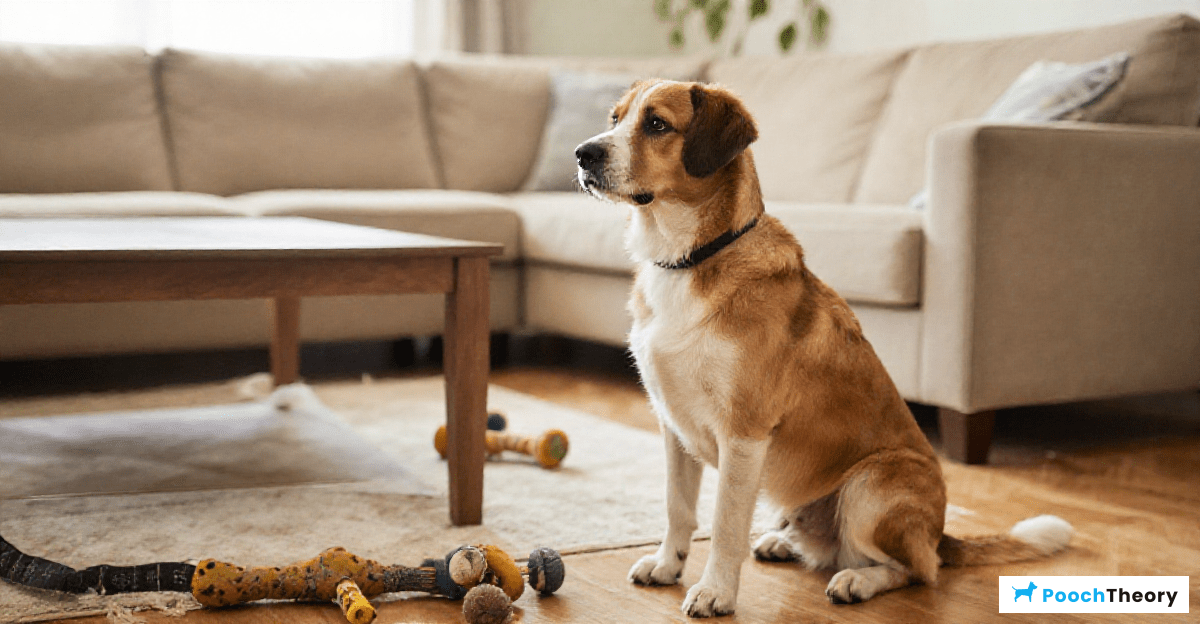
Consistency and patience are crucial elements in dog training, influencing the way your dog learns commands and rules. Daily routines, including physical exercise and mental stimulation, are essential for your dog’s emotional well-being. This consistency can also mitigate stress and reduce the risk of behavioral issues [Source].
When training, patience is just as vital. Dogs often need time to process commands, especially in distracting environments. Allowing dogs to absorb commands over time enables better learning outcomes. Being aware of their emotional states helps enhance training efficiency [Source].
Creating a Harmonious Home
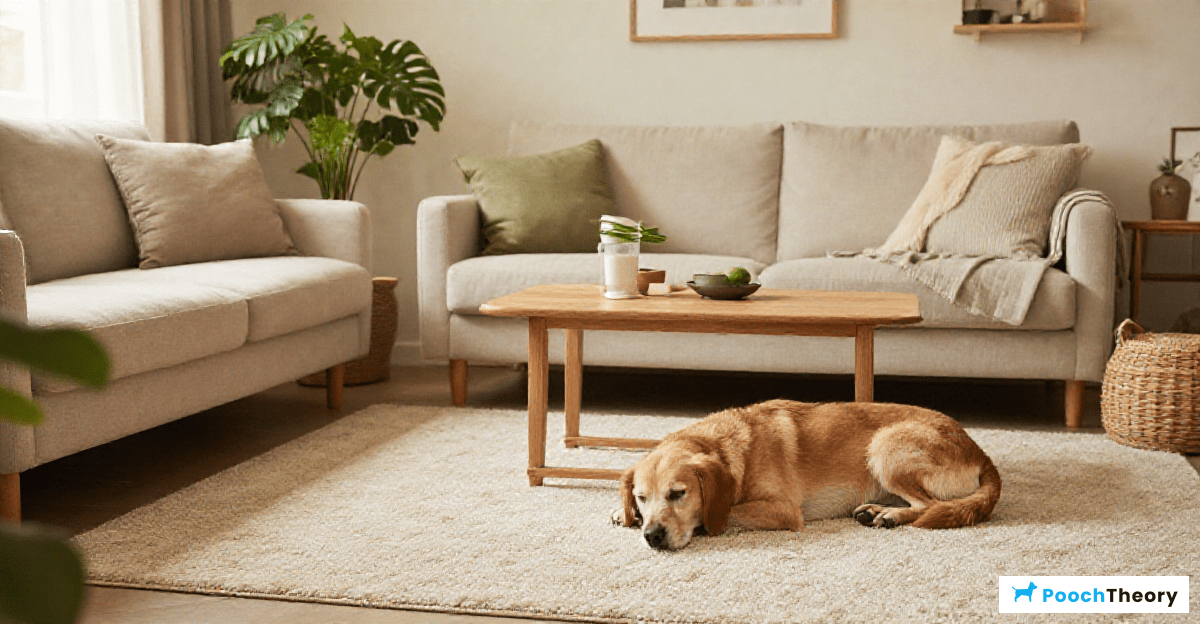
Creating a harmonious home environment for dogs involves effective training strategies, consistent routines, and socialization. Owners should prioritize positive reinforcement to help foster trust and build strong bonds with their dogs. This approach significantly reduces confusion and promotes good behavior.
By combining effective training, consistent routines, and proper socialization, a harmonious relationship can flourish, leading to a well-adjusted dog and a happy, peaceful home environment. Explore our resources for further guidance on managing unwanted behaviors and training plans for reactive dogs.
Sources
- Newsweek – Canine Behaviorist Reveals 5 Things Dogs Learn by Overhearing Owners
- Newsweek – Rescue Dog Spends 3 Years in Apartment; Reaction to Backyard is Viral
- Pooch Theory – Effective Bedtime Routine for Dogs to Reduce Night Anxiety
- Pooch Theory – How to Socialize a Dog
- Pooch Theory – How to Stop Puppy Chewing Furniture When Home Alone
- Pooch Theory – Ultimate Guide to Dog Training: Home Tips & Techniques



