


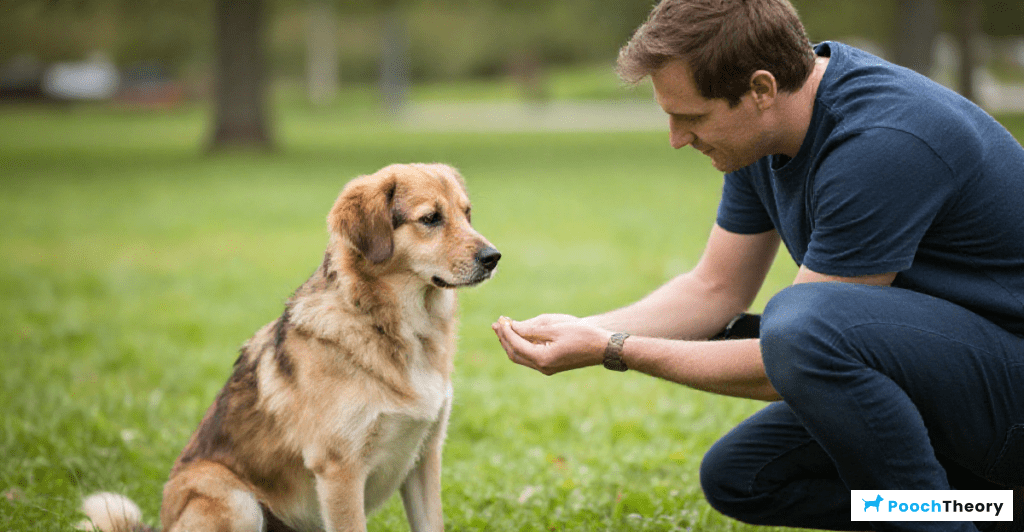
Understanding the Challenges Faced by Rescue Dogs Afraid of Men
Understanding the challenges faced by rescue dogs that are afraid of men is crucial for their rehabilitation and integration into new homes. Many rescue dogs carry the scars of past traumas, which often manifest as fear-based behaviors. For instance, a rescue dog may exhibit anxiety towards men due to previous negative experiences, making them feel threatened or unsafe. Such fear responses can lead to behaviors like resource guarding, where dogs protect objects they perceive as safety items, as seen in the case of Duke, a senior golden retriever who has developed such habits stemming from insecurity and instability in his earlier life [Source].
Importantly, understanding a dog’s behavior through the lens of their emotional state, rather than just observable actions, can significantly aid in their healing. Specialists like Rose Waldrup use a body-based approach to help stressed rescue animals feel secure. This method not only focuses on behavior modification but also on helping dogs communicate their needs through their nervous system and body language, enriching the human-canine bond [Source].
Moreover, structured training in supportive environments can help these dogs gain confidence. Many dogs, such as a timid puppy named Teddy, thrive in training settings where they learn to relate to their communities without fear, turning past anxiety into newfound bravery [Source]. It highlights the importance of patience, empathy, and tailored training techniques in overcoming the challenges rescue dogs face in adjusting to life with humans.
Behavioral Signs of Fear in Rescue Dogs
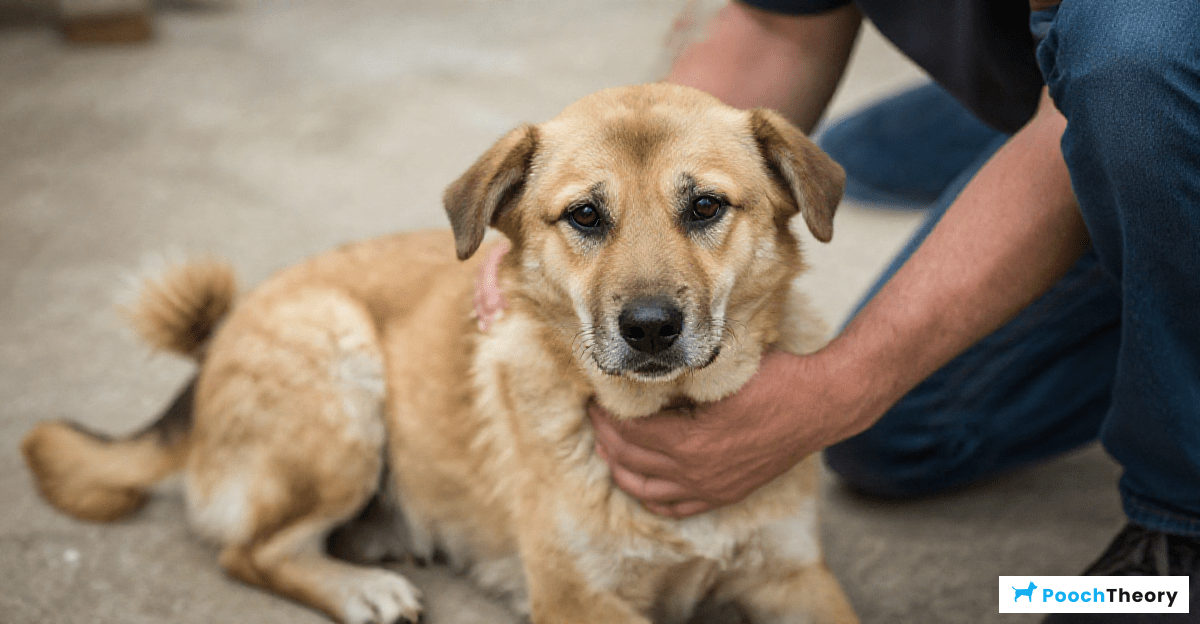

Rescue dogs often exhibit specific behavioral signs of fear that their owners should recognize to provide a supportive environment. Understanding these signs is crucial in helping these dogs feel safe and secure in their new homes.
- Cowering and Shrinking Away: A fearful dog may try to make themselves smaller, seeking to hide, tucking their tail between their legs and keeping their body low to the ground. This body language is an instinctive response to perceived threats.
- Excessive Barking or Growling: Some dogs may express their fear through vocalizations, which can include barking or growling. This behavior, while alarming, often indicates that the dog is anxious or feels threatened [Source].
- Avoidance and Escape Behaviors: Fearful dogs may avoid certain situations or flee when approached by unfamiliar people or other dogs. This can manifest through hiding, running away, or even showing reluctance to engage in social settings.
- Changes in Appetite or Playfulness: A suddenly disinterested or fearful dog may demonstrate changes in their eating habits, such as refusing food or favorite treats [Source].
- Body Language Signals: Signs like pinned ears, tense body posture, and avoiding eye contact are critical indicators of fear. Recognizing these signals early can help owners adjust their approach to reduce anxiety levels.
Recognizing these signs of fear can significantly impact a rescue dog’s well-being, helping owners respond with compassion and appropriate training methods.
Creating a Safe Space for Your Dog

Creating a safe space for your dog during their adjustment to a new environment is crucial for their well-being. Start by choosing a designated area that is quiet and free from distractions, where your dog can retreat to feel secure. Use their favorite blanket, toys, or bed to make the space cozy and familiar, as these items carry comforting scents and associations. When a dog moves to a new home, it’s beneficial to keep them in a secure room with these familiar belongings until the household is settled [Source].
Consistency is vital for instilling a sense of security. Maintain regular routines for feeding, walking, and playtime, which can greatly help dogs understand what to expect in their new surroundings [Source]. Additionally, provide areas where your dog can observe their surroundings without feeling overwhelmed while incorporating calming techniques such as soft music or aromatherapy.
Gradual Exposure Techniques for Rescue Dogs
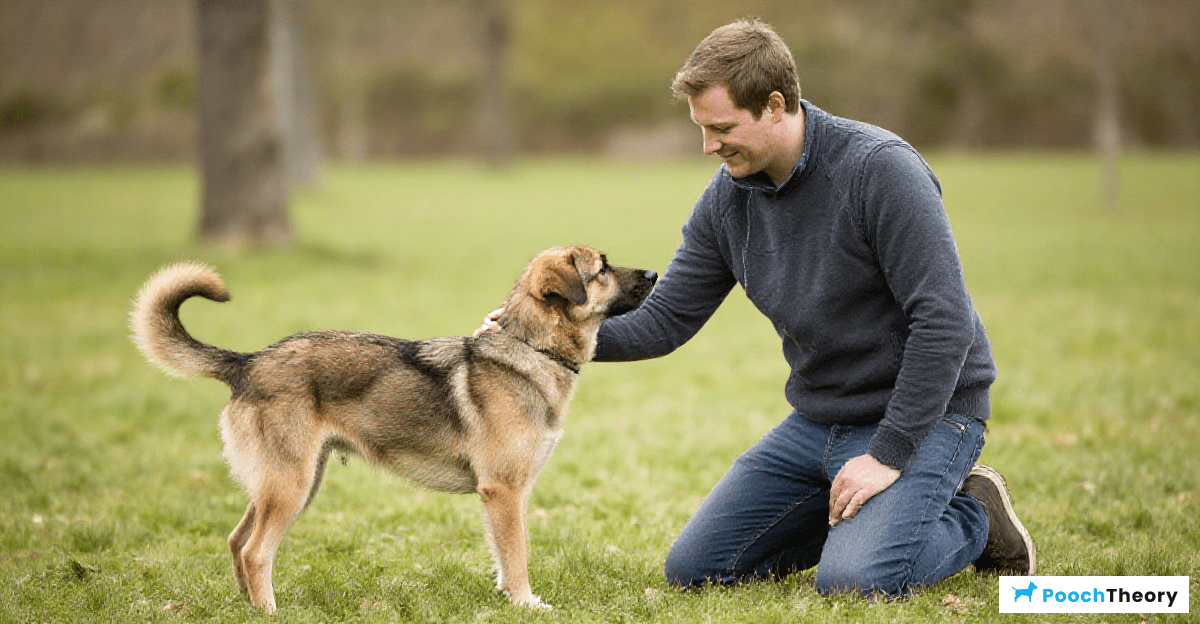
Gradual exposure techniques are essential in helping rescue dogs feel safe when meeting men, particularly if they have come from backgrounds of neglect or trauma. One effective method is to create a controlled environment where the dog can observe men from a distance, gradually decreasing that distance as the dog becomes more comfortable. This helps the dog associate the presence of men with positive experiences, such as treats and praise.
Start with brief encounters, ideally in a familiar space, where the dog can explore at their own pace. Use scent as an introduction, allowing the dog to sniff items owned by men that can help reduce anxiety. Incorporate positive reinforcement during these interactions to reinforce a sense of safety. Coaches often advise patience and consistency in this process to build trust. Dogs that learn men are not a threat can eventually flourish in their presence.
Employ calm, slow movements, as rescue dogs often read human cues well. Initiating play with soft toys can help create joyful associations with men. Additionally, enrolling the dog in structured training classes can provide the socialization needed for building confidence in unfamiliar interactions [Source].
The Role of Positive Reinforcement in Training
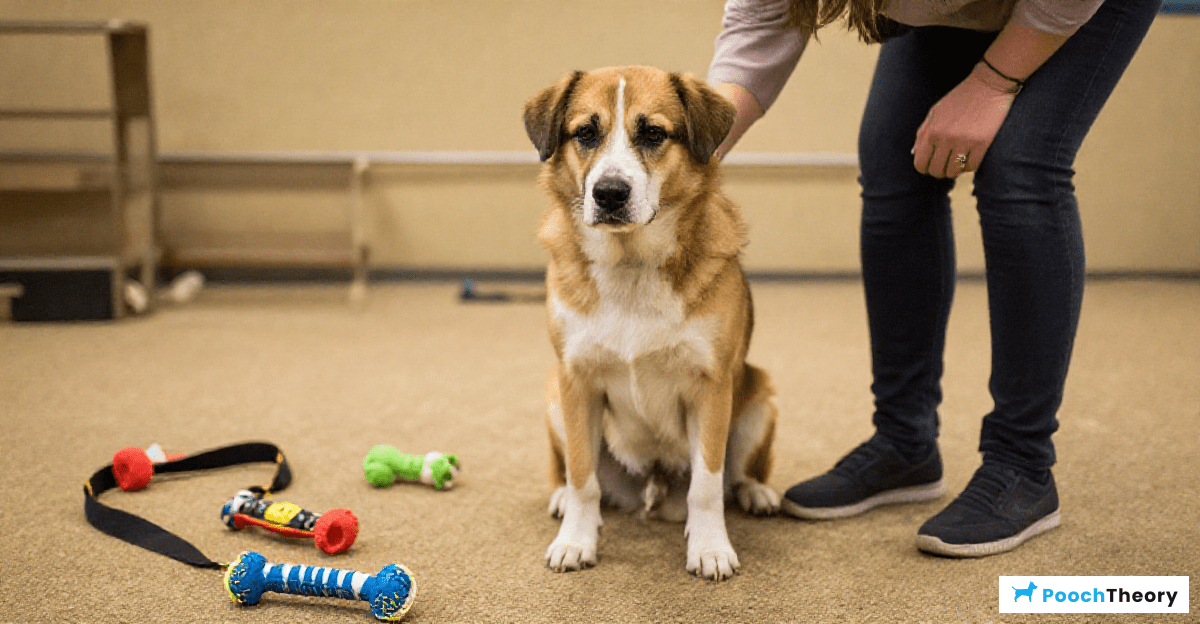
Positive reinforcement training is an effective method to create positive associations for your dog, especially when introducing them to new people, like men. This training approach involves using treats, praise, and affection to encourage desirable behaviors. When a man approaches, reward your dog with a treat or praise to reinforce calm behavior.
Choosing high-value treats can enhance the reward experience, allowing for consistent reinforcement during interactions. Timing is critical; rewards should be given immediately after the desired behavior. Incorporate structured rituals, such as “sit” or “stay,” before introducing your dog to men, preparing them to engage calmly.
Understanding dog behavior and emotional states is vital, as some dogs may be more anxious than others due to genetic traits [Source]. Regularly practicing these techniques helps reinforce your dog’s positive associations and ensures their ongoing comfort around men.
Seeking Professional Help When Needed
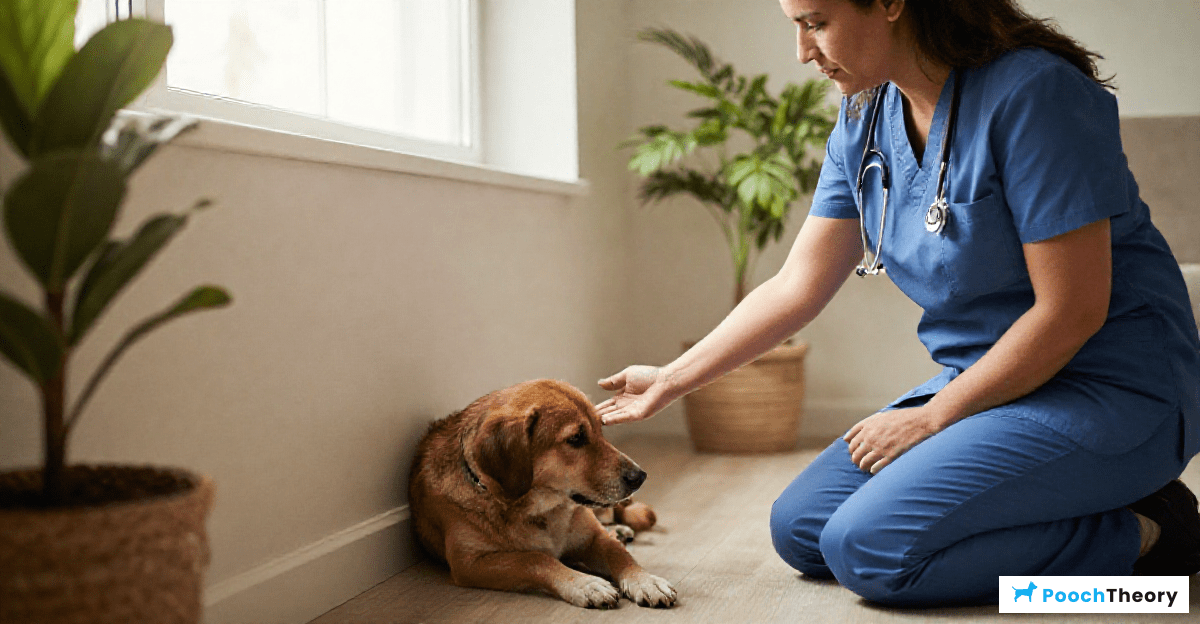
Enlisting the help of a professional dog trainer or behaviorist can be vital for addressing more severe behavioral issues in dogs. Recognizing when to seek assistance is crucial. If your dog exhibits aggressive tendencies, severe anxiety, or is unmanageable in social situations, consulting a professional is essential [Source].
When selecting a trainer or behaviorist, consider their qualifications and experience with your dog’s specific issues. Seek those who use positive reinforcement techniques, as these methods are often more effective and humane. Structured classes can benefit dogs struggling with social interactions, providing a space for learning and practice.
Conclusion: Patience and Understanding in Helping Rescue Dogs
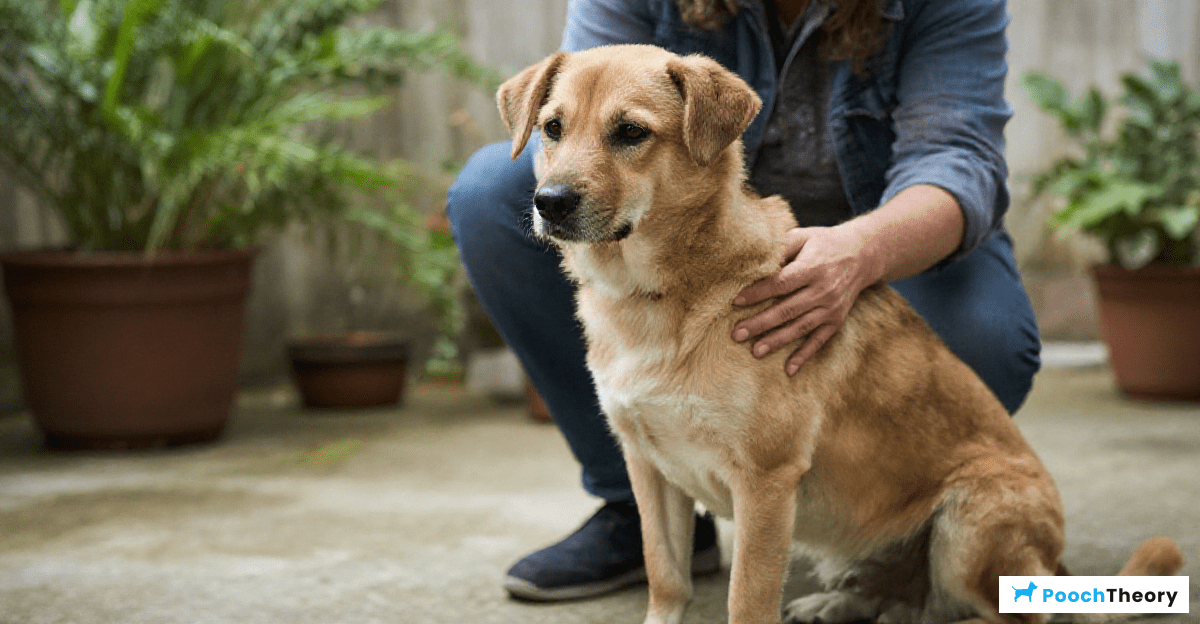
In summary, helping a rescue dog requires patience and understanding, as these animals often come with challenging pasts that influence their behavior. Families must recognize that building trust takes time, and adopting a rescue is a commitment to a journey of dedication [Source]. Approaching rescue dogs through methods that focus on their emotional and physical needs can greatly enhance their comfort and integration into family life [Source]. Ultimately, the reward of a well-adjusted rescue dog is immeasurable, showcasing the transformative power of patience and love.
Sources
- Newsweek – Apartment Cockapoo Visits New Home
- Newsweek – Heartbreak of Senior Golden Retriever
- Newsweek – How a Shelter Dog Fights Not to Shut Down
- Newsweek – Owner Not Prepared for What Rescue Dog Does
- Newsweek – Shelter Dog Twice Returned
- Newsweek – Owner Reviews Puppy’s Training Class
- Pooch Theory – Reactive Dog Breeds
- Pooch Theory – How to Socialize a Dog
- Pooch Theory – Effective Resource Guarding Management
- Pooch Theory – Positive Reinforcement Alternatives
- Pooch Theory – Ultimate Guide to Dog Training
- Science Daily – Genetic Traits Influencing Dog Behavior