

Importance of Dog Training for Senior Pet Owners
Dog training is especially important for senior pet owners, as it not only enhances the bond between the dog and owner but also ensures a safer, more harmonious living environment. Training provides a framework for communication, helping older individuals manage their dogs effectively while promoting mental stimulation and social interaction for both parties. As seniors might face challenges like reduced physical strength or agility, training empowers them with skills and commands that can result in improved control over their pets during walks and daily activities. [Source]
Engaging in training can significantly deepen the emotional connection between seniors and their dogs, as positive reinforcement techniques create trust and understanding. Studies show that mutual learning experiences enhance relationships, contributing to emotional well-being for seniors. For instance, dedicated activities like teaching tricks or practicing commands can provide joy and fulfillment, which is vital for emotional health in older adults. Additionally, a well-trained dog is less likely to display unwanted behaviors, such as excessive barking or jumping, which can lead to frustration and stress in both the owner and the pet.
Moreover, regular training sessions can encourage seniors to remain active, both physically and mentally. This interaction not only benefits the dogs, fostering better behavioral habits, but also keeps the seniors engaged and gives them a sense of purpose. Training programs can also cater to specific age-related challenges, ensuring that both the dog and its owner thrive together.
Adapting Training for Older Adults
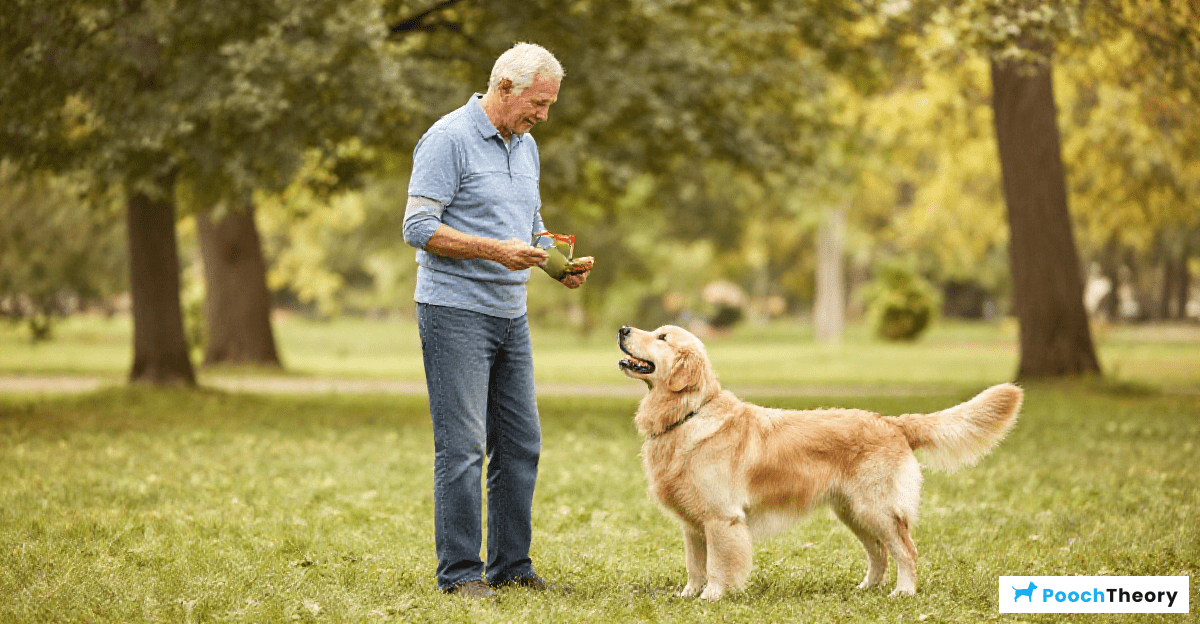
Understanding the specific needs of older adults in dog training is essential, given the unique physical and cognitive challenges they may face. As individuals age, their strength, balance, and coordination tend to decline, which can affect their ability to engage in certain training routines with their dogs. For instance, elderly dog owners might find it more difficult to perform commands that require physical exertion, such as long-distance recalls or active play. Thus, adapting training to include low-impact exercises while ensuring consistent engagement is crucial. [Source 1]
Research indicates that regular physical activity, including light resistance training, can significantly benefit cognitive function in older adults, potentially offsetting some cognitive decline associated with aging. This finding suggests that incorporating gentle, dialogue-driven training sessions might enhance both the owner’s and the dog’s learning experiences.
Cognitive capabilities often shift with age, making it important to use clear, simple commands and positive reinforcement methods that respect the owner’s pace and physical capabilities. Maintaining patience during training not only aids in effective learning for the dog but also fosters a stronger bond between the owner and their pet.
Choosing the Right Dog for Seniors
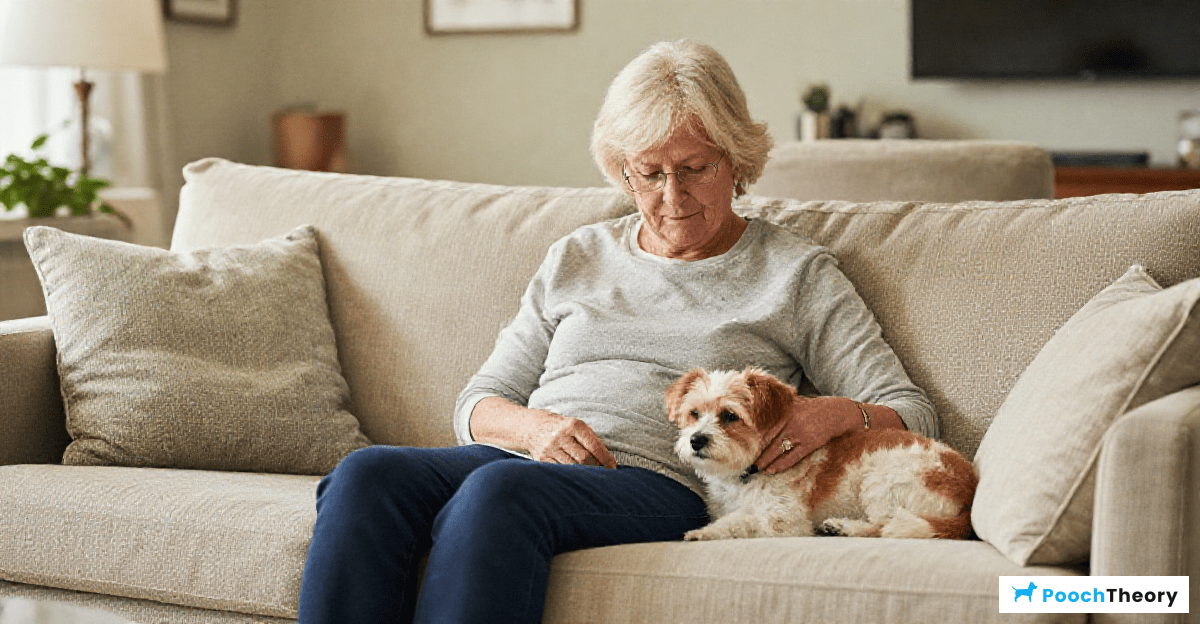
When selecting a dog for seniors, several key factors must be considered to ensure compatibility with the owner’s lifestyle and abilities:
- Energy Level: Seniors should look for breeds that match their activity levels. For instance, low-energy dogs like Bulldogs or Cavalier King Charles Spaniels require less exercise and are perfect companions for a more laid-back lifestyle.
- Size: Smaller breeds are often easier for senior owners to manage. Miniature Schnauzers, Pugs, and Shih Tzus can provide companionship without the physical demands of larger breeds.
- Trainability: Consider breeds known for their ease of training. Breeds like Golden Retrievers and Labrador Retrievers are friendly and highly trainable, which is beneficial for seniors who may require help managing their dogs’ behavior.
- Companionship Needs: Many seniors seek a bond that offers emotional support. Breeds known for their loyalty and affectionate nature can enhance joy and companionship.
- Health and Maintenance: Select breeds with lower grooming and health maintenance needs. Breeds such as Beagles or Boston Terriers can be easier for seniors to care for.
By carefully considering these factors, seniors can choose a dog that matches their needs and lifestyle, fostering a rewarding and fulfilling companionship.
Essential Training Commands for Seniors
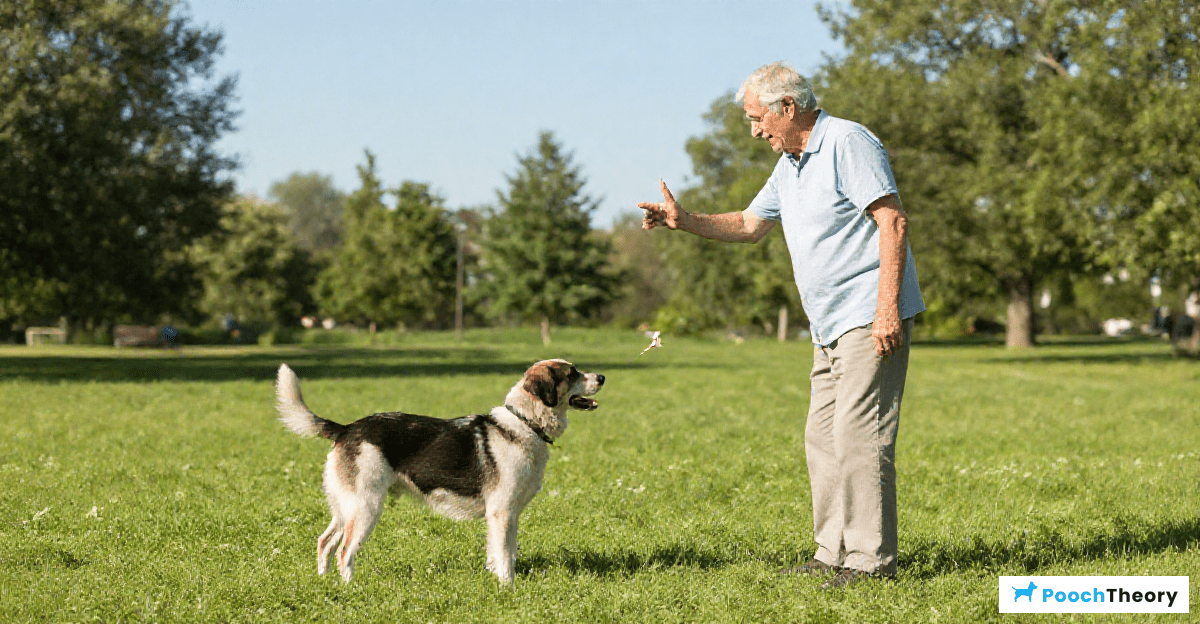
Basic training commands are essential for every dog, enhancing communication and helping to maintain safety during daily activities. Here’s a concise overview of the key commands that every dog should learn, especially tailored for senior owners:
- Sit: Teaching your dog to sit is fundamental and easy. This command establishes a basic level of obedience.
- Stay: This command helps keep your dog in one place, providing control in various situations.
- Come: A crucial command for safety, “come” can prevent your dog from running into dangerous situations.
- Down: This command encourages calm behavior, promoting relaxation in your dog.
- Leave it: Teaching your dog to ignore distractions is vital, especially during walks.
For senior owners, it’s beneficial to keep training sessions short and enjoyable, using positive reinforcement to encourage learning. If you seek a structured training plan, consider exploring our guide on home dog training techniques.
Practical Tips for Senior Dog Owners

Training your dog as a senior owner can be rewarding, but it’s essential to consider your physical limitations to ensure both your and your dog’s safety and well-being. Here are some practical tips to help you:
- Set Realistic Goals: Focus on achievable training objectives that consider your energy levels and physical capabilities.
- Short Training Sessions: Keep training sessions brief, ideally around five to ten minutes.
- Use Positive Reinforcement: Engage in techniques that reward your dog when they accomplish tasks correctly.
- Incorporate Physical Activity: Activities like light walking or gentle fetch can be beneficial for both you and your dog.
- Adapt Environment: Utilize accessible training aids that make exercises easier on your joints.
- Consult with Experts: Consider enlisting a professional dog trainer familiar with the needs of older adults.
- Listen to Your Body: Pay attention to how your body feels, and take breaks when necessary.
By employing these strategies, you can enjoy fulfilling training experiences with your dog, fostering a joyous bond while keeping your physical needs in check.
The Role of Patience and Consistency in Dog Training
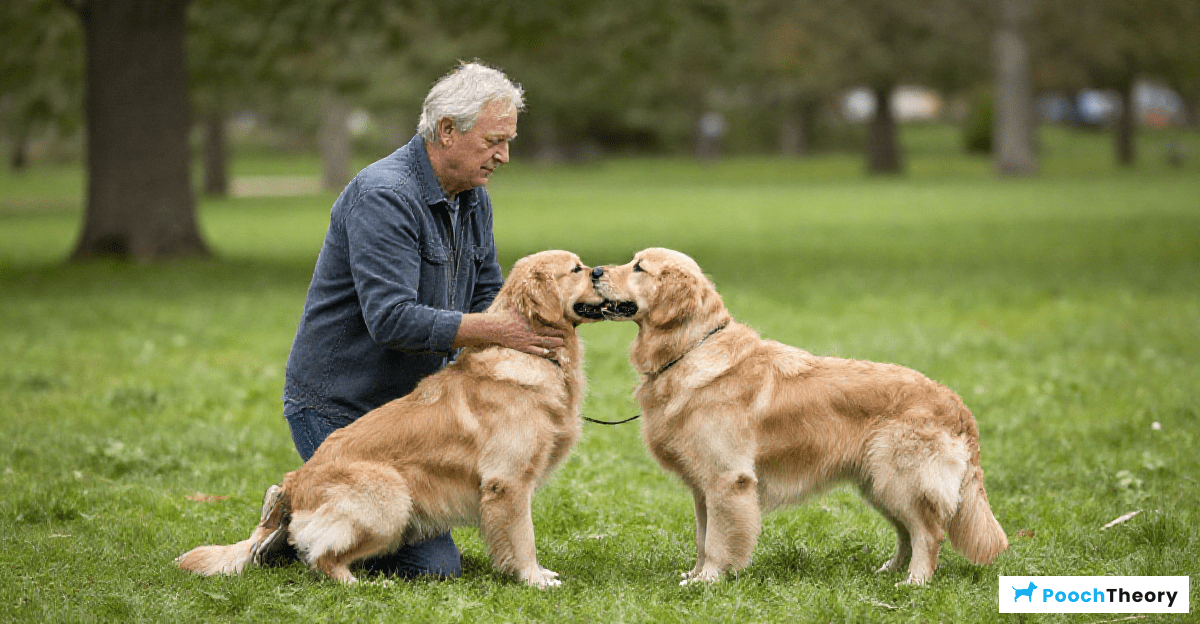
Patience and consistency are foundational qualities in successful dog training, shaping the way dogs learn and respond to commands over time. Effective training requires trainers to understand that behavioral changes don’t occur overnight. For example, it can take weeks for a dog to master basic commands or behaviors, and it is essential for trainers to remain patient.
Consistency in training is equally critical. Repetitive actions and commands help dogs associate cues with behaviors. If a dog receives a treat for sitting only during certain instances, they may become confused. Therefore, maintaining consistent cues and rewards is key to successful dog training.
Moreover, incorporating patience and consistency not only improves the dog’s behavior but also helps mitigate common issues such as anxiety. Discover more about effective strategies in our article on the Ultimate Guide to Dog Training.
Benefits of Dog Training for Seniors
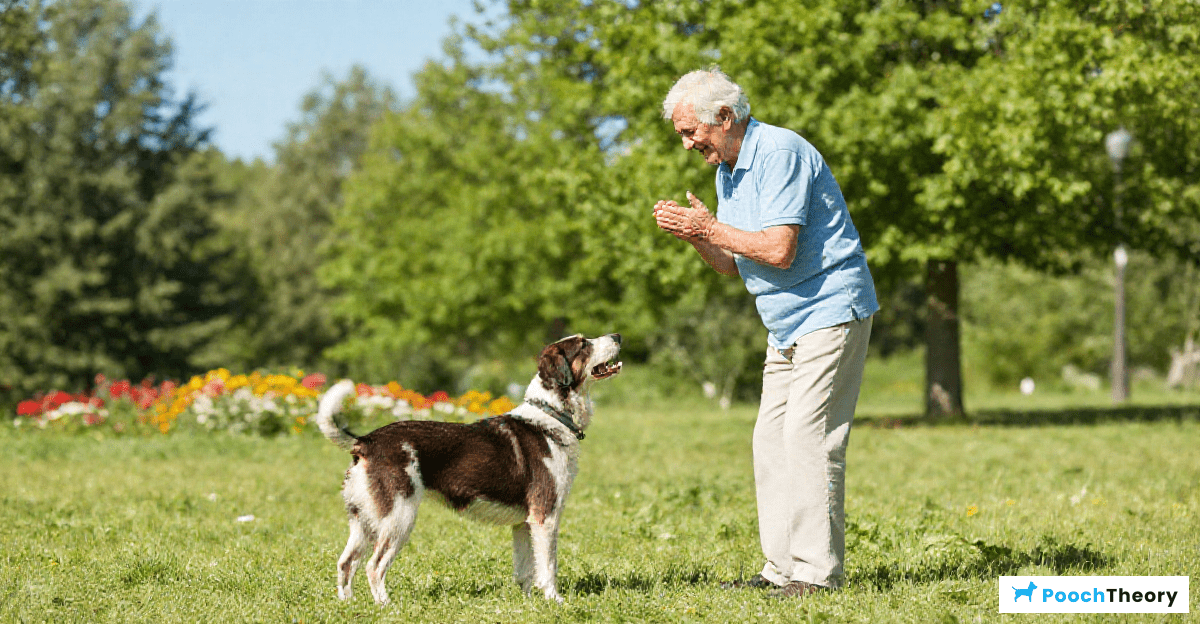
Engaging in dog training offers substantial mental and physical benefits for seniors, enhancing their quality of life through various avenues. One primary advantage of dog training for seniors is the emotional bond it fosters between them and their dogs. This companionship can alleviate feelings of loneliness and depression commonly experienced in older adults.
Training a dog requires physical activity, motivating seniors to improve their fitness. Regular exercise through engaging activities contributes to better physical health, including improved mobility and strength.
Furthermore, the process of training stimulates cognitive function, which can help seniors maintain mental sharpness. Training provides a structured activity challenging their memory and problem-solving skills, combatting cognitive decline.
By incorporating dog training into their routines, seniors can experience profound improvements in both their physical and mental health, making it a highly beneficial activity. Explore our guide on effective dog training techniques to get started!
Conclusion
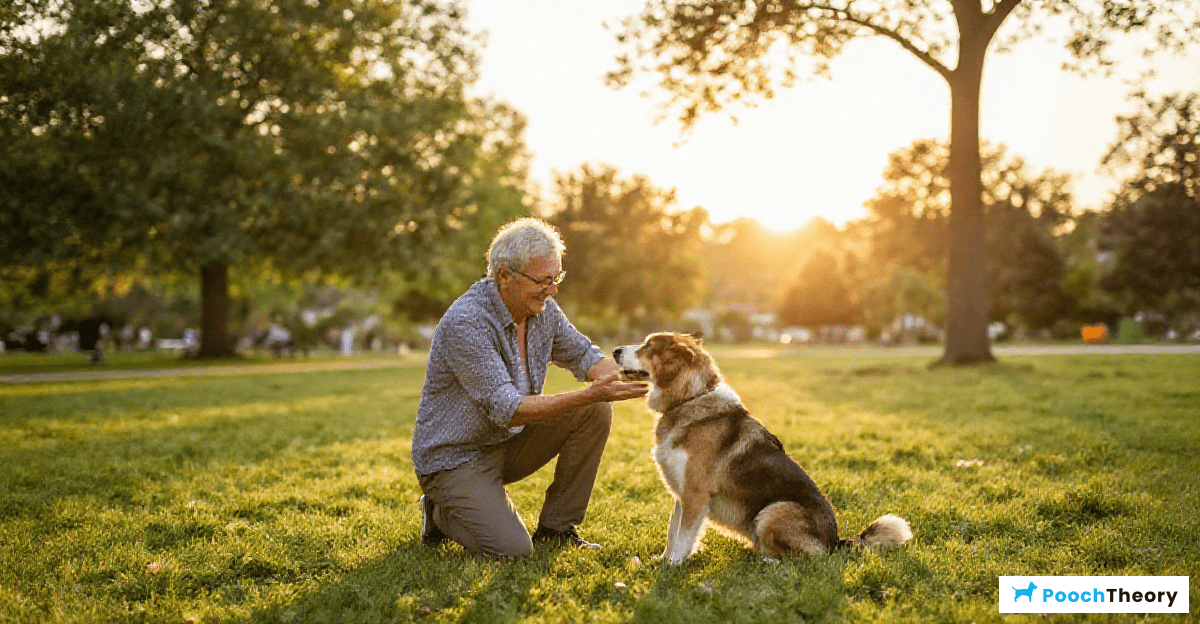
Training a dog can be an incredibly fulfilling experience for seniors, strengthening the bond between pet and owner while contributing to emotional well-being and physical health. Consistent training fosters companionship vital for combating loneliness often faced by seniors.
Adopting a positive reinforcement approach can empower seniors, ensuring that the training experience is enjoyable for both the owner and dog. The rewarding experience of training not only strengthens their special bond but also enriches the lives of seniors in profound ways. For more information on effective training strategies, consider exploring our guide on dog training techniques.
Sources
- AOL – We’re Starting to Strength Train in Midlife
- Independent – Health and Fitness Tips
- New York Post – These Robots Are Helping Boost Seniors’ Health and Happiness
- Pooch Theory – Apartment Dog Training Tips: High Energy Breeds
- Pooch Theory – Essential Dog Training Tips for People with Disabilities at Home
- Pooch Theory – Mastering Dog Training: Essential Commands for Beginners
- Pooch Theory – Ultimate Guide to Dog Training: Home Tips and Techniques
- Pooch Theory – Positive Reinforcement Alternatives to Shock Collars for Barking
- PsyPost – Lifting Weights Can Slow Down Biological Brain Aging in Older Adults



