

High Energy Dog Breeds: Thriving in Apartments
Understanding High Energy Dog Breeds
High energy dog breeds are characterized by their exuberance, intelligence, and need for physical activity and mental stimulation. Some common examples include the Border Collie, Australian Shepherd, and Jack Russell Terrier. These breeds thrive in environments that allow for vigorous exercise, which can pose challenges for owners living in apartments. According to the AKC, breeds with high energy levels often require more than just the occasional stroll; they benefit significantly from structured activities.
Apartment dwellers need to be particularly mindful of their dogs’ exercise requirements. Regular walks, playtime, and mental challenges are crucial to keeping these dogs happy and healthy. To satisfy their needs within the confines of an apartment setting, engaging activities such as agility training, scent work, or using interactive toys can be very helpful.
Creating a Stimulating Environment
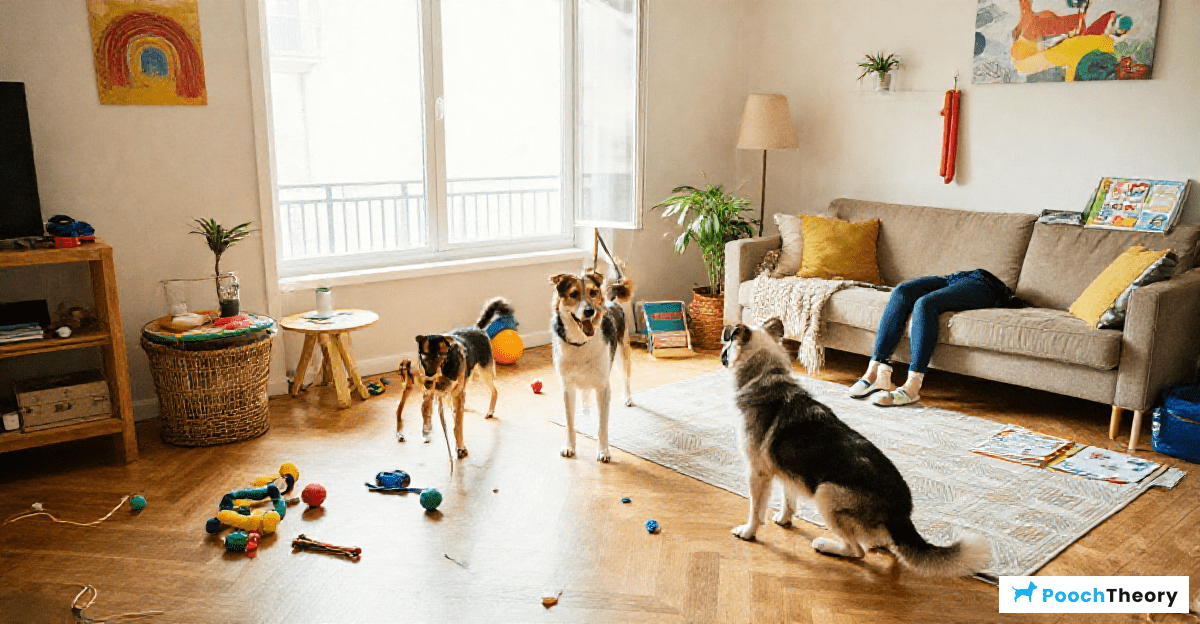
Creating a stimulating environment for high-energy dogs in an apartment setting is essential for their mental and physical well-being. Here are some effective strategies to engage your canine companion:
- Interactive Toys: Incorporating interactive toys, such as puzzle feeders or treat-dispensing balls, challenges their minds and encourages problem-solving skills.
- Designated Play Areas: Establish specific areas in your apartment for play, using soft flooring to ensure comfort and safety.
- Regular Breaks and Exercise: High-energy dogs require ample exercise for balance. Plan regular breaks for walks and playtime outdoors.
- Mental Stimulation Activities: Activities like hide and seek or training sessions with new commands keep their brains engaged.
- Safe Chewing Alternatives: Provide safe chew toys to redirect chewing habits away from furniture.
- Social Engagement: Arrange playdates with other dogs to keep boredom at bay.
By establishing an engaging environment, you can ensure your high-energy dog remains happy and well-adjusted in your apartment. For detailed tips, visit our resources on effective dog training techniques and fun indoor activities for rainy days.
Establishing a Daily Routine
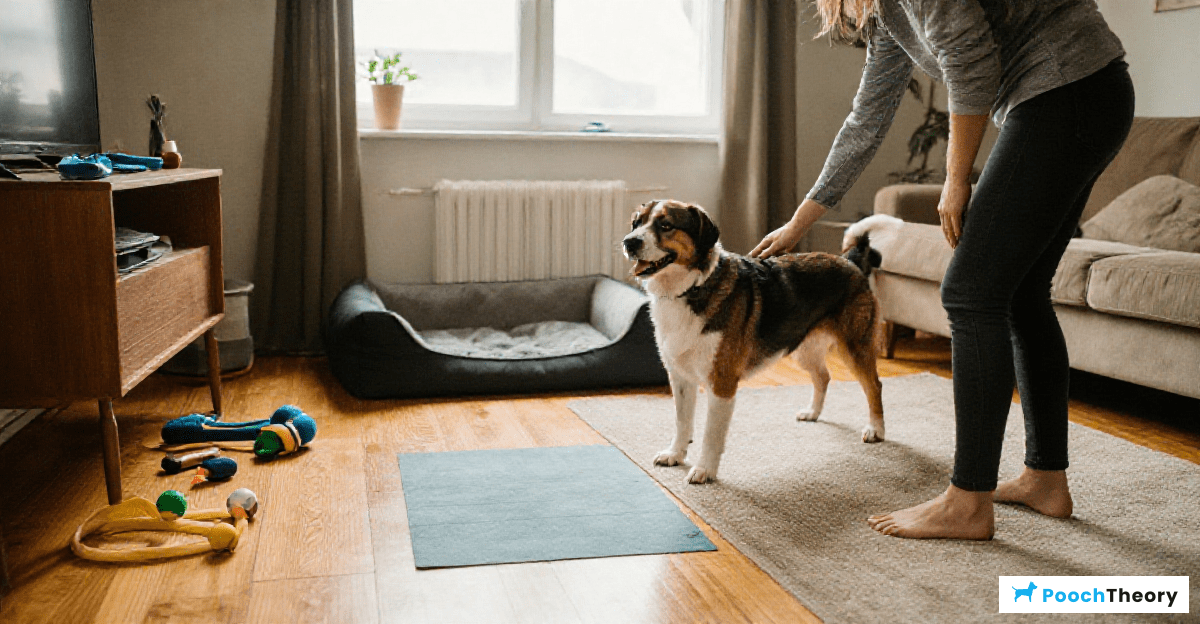
Maintaining a consistent daily routine for high-energy dogs is crucial for their well-being and behavior management. Here are some guidelines:
- Daily Exercise: Aim for at least 30 minutes to an hour of vigorous exercise each day through activities like running or fetch.
- Scheduled Walks: Establish consistent times for walks, ideally during cooler parts of the day.
- Feeding Routine: Feed your dog at the same times every day to regulate their metabolism.
- Training Sessions: Incorporate short, frequent training sessions focusing on basic commands and positive reinforcement.
- Rest Periods: Allow downtime for recovery and relaxation to prevent overstimulation.
- Socialization Opportunities: Regularly expose your dog to new environments and individuals to reduce anxiety and promote healthy behavior.
Maintaining a structured routine not only caters to your dog’s physical and mental needs, but also promotes a happy and well-adjusted pet.
Training Techniques for High Energy Dogs
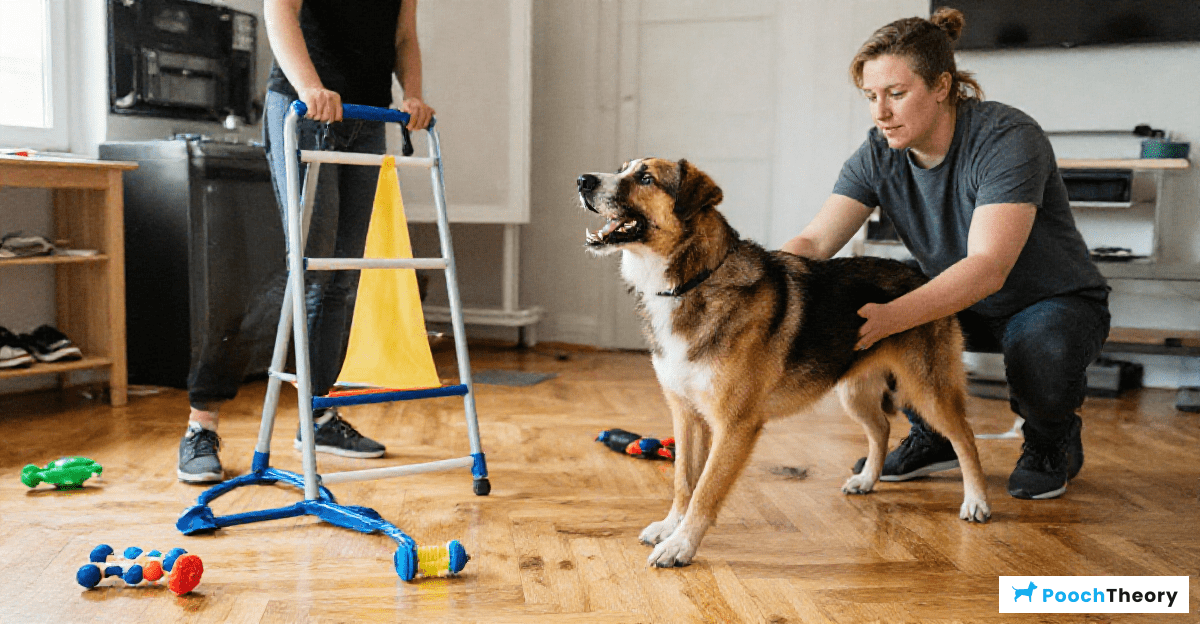
Training high-energy dog breeds requires a special approach, emphasizing positive reinforcement and mental stimulation. Employing techniques that reward desirable behaviors strengthens the bond between dog and trainer. Engaging activities such as puzzle toys or agility tasks not only channel energy productively but also help improve focus and impulse control. For further insights, explore our guide on positive reinforcement training.
Incorporating play into training can enhance learning experiences. Activities like fetch reinforce commands while allowing energy expenditure. Consistent practice in a fun environment encourages motivation during training sessions. Understanding the principles of mental enrichment can provide invaluable support in developing a balanced routine.
Incorporating Physical Activity in Small Spaces
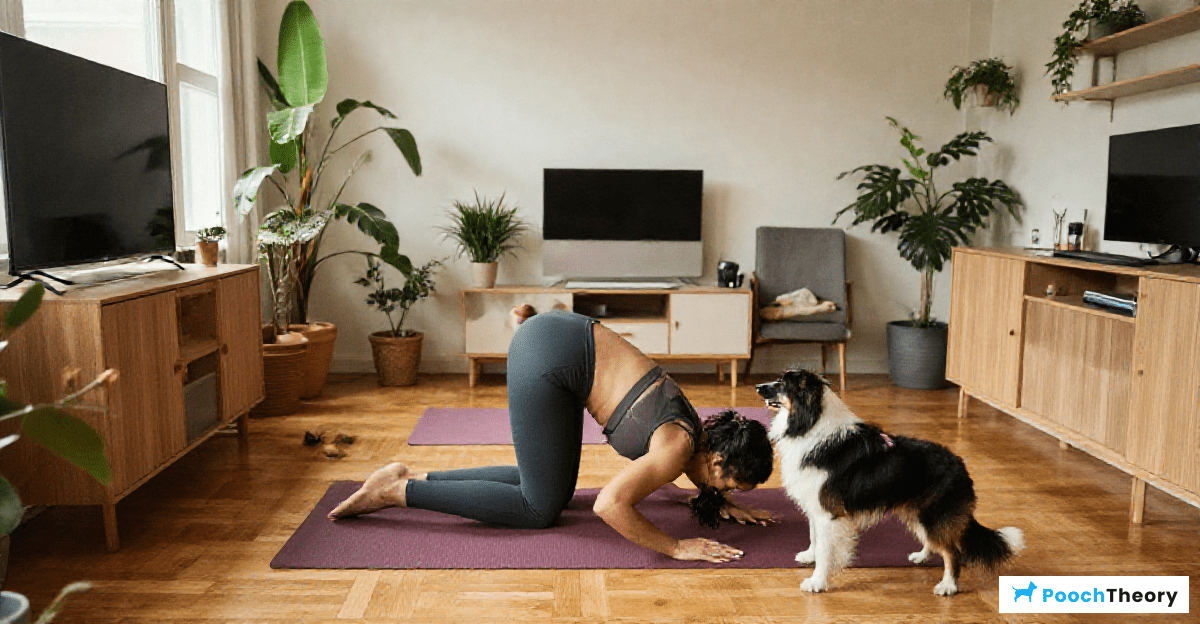
Incorporating physical activity into your daily routine, especially in a limited apartment setting, can be both practical and enjoyable. Here are some strategies:
- Utilize Small Spaces: Set up a small workout area for exercises like squats and push-ups.
- Incorporate Activity throughout the Day: Break up long periods of inactivity with brief sessions of physical activity.
- Try Online Workouts: Use digital platforms that offer workouts designed for small spaces.
- Group Classes & Virtual Sessions: Join a virtual fitness class to stay motivated.
- Active Commuting: Opt for walking or cycling for short trips to integrate exercise into your routine.
By implementing these techniques, you can successfully weave physical activity into your daily life, improving health and well-being, all from the comfort of your apartment.
The Importance of Socialization
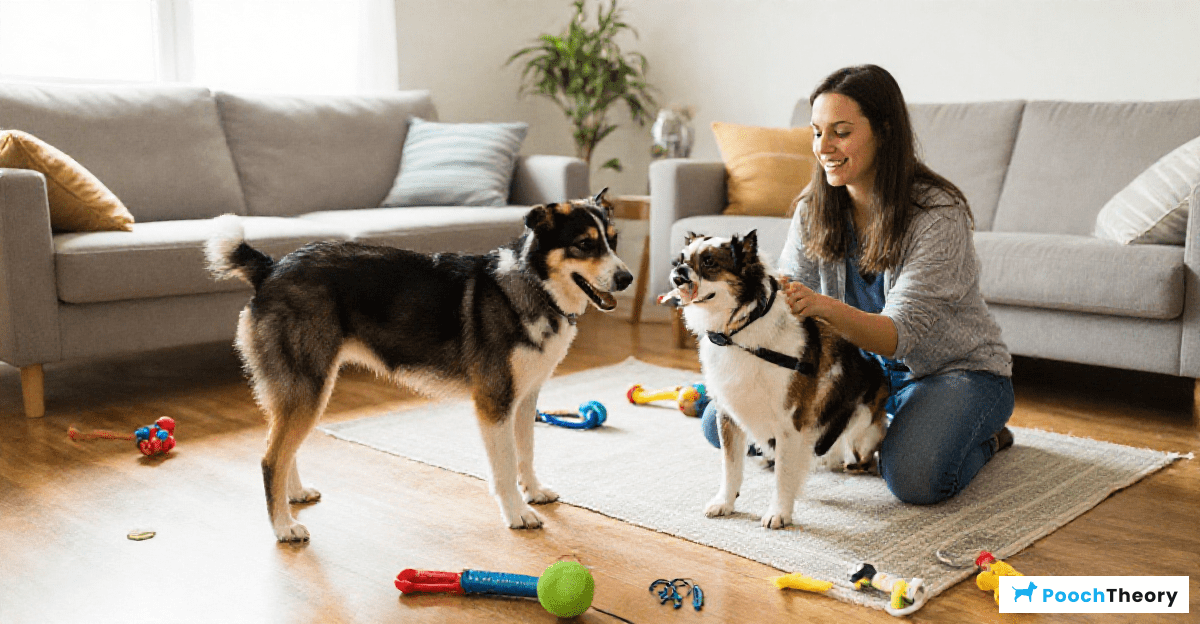
Socialization is crucial for high-energy dogs, as it influences their behavioral development. Starting social interactions early can lead to positive outcomes, allowing dogs to feel comfortable and confident in their environment. Controlled environments, such as playdates with familiar dogs, help facilitate safe socialization. Ensure positive reinforcement techniques are applied during these encounters to enhance desirable behaviors. For further techniques, check out our article on How to Socialize a Dog.
Adapting to Apartment Living
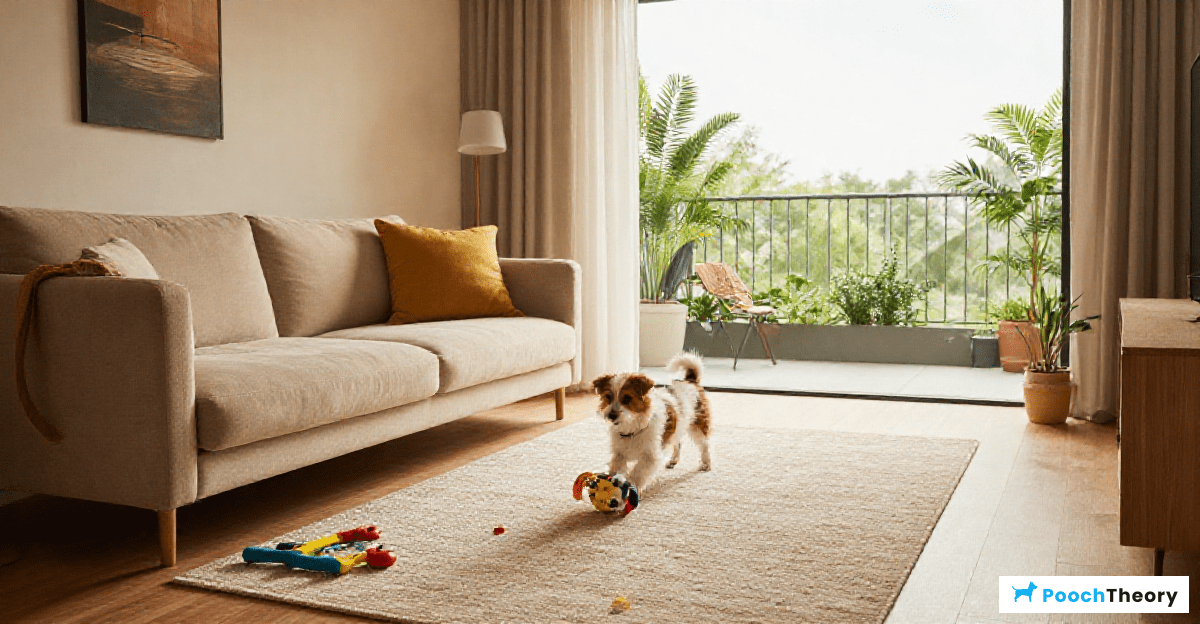
Adapting high-energy dogs to apartment life can be challenging. Key strategies include:
- Exercise and Bonding Time: Regular exercise, ideally twice a day, is necessary for reducing anxiety and restlessness.
- Managing Noise: Implement soundproofing measures and positive reinforcement to minimize reactions to noise.
- Behavioral Management: Establish commands that promote calm behavior and schedule time for gradual alone training.
Creating a designated space for your dog can help them feel secure and adjust more successfully to apartment living. Over time, with consistent efforts, your high-energy dog can thrive in smaller spaces.



