

Involving Children in Puppy Training: Building Bonds
Involving children in puppy training is pivotal for fostering a positive relationship between them and their furry companions. Engaging kids in this process not only teaches them valuable skills such as responsibility and empathy but also enhances the puppy’s socialization skills. Through training, children learn to communicate effectively with their pets, which can establish a lifelong bond based on trust and understanding. According to a vet-reviewed article from the American Kennel Club, starting puppy training early gives dogs a sense of security and helps in their development as well-adjusted adults.
Moreover, teaching children about dog behavior, such as understanding when a dog seeks comfort versus affection, can further deepen this bond. Amanda Farah, the national training and behavior coordinator for Best Friends Animal Society, emphasizes the importance of recognizing signs of canine anxiety and responding to them appropriately [source]. This collaborative training approach can create a harmonious household where both children and puppies thrive, contributing to a nurturing environment that supports their mutual growth. For more insights on effective training, check out our Ultimate Guide to Dog Training.
Understanding Puppy Behavior: A Guide for Kids
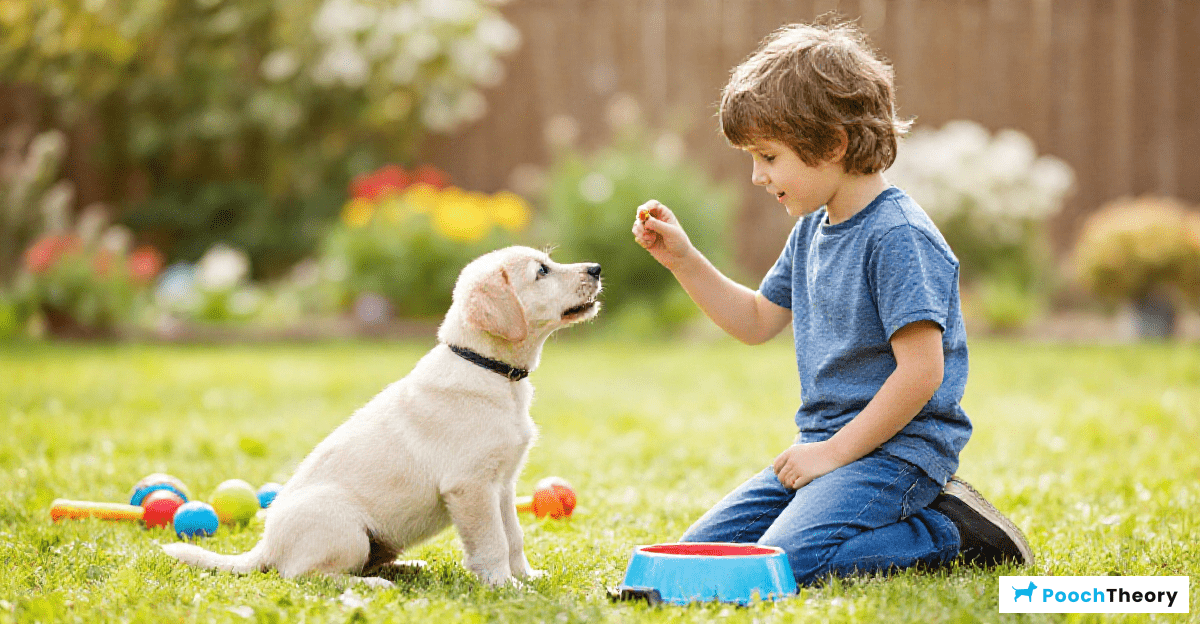
Understanding puppy behavior is essential for children to form a healthy bond with their new pets. Puppies communicate primarily through body language, vocalizations, and their interactions with people. Here’s a breakdown of common behaviors you can help children interpret, enhancing their experience with a puppy:
- Playful Nipping: Puppies often nibble and nip during play. This behavior is normal, as they explore the world with their mouths. Encourage children to calmly redirect this behavior towards appropriate toys to prevent accidental bites. Learn more about handling puppy nipping.
- Wagging Tails: A wagging tail is usually a happy sign, but its position can indicate different emotions. Teach children to observe the dog’s entire body language for better understanding.
- Barking and Whining: These vocalizations serve various purposes. Explain to kids that observing the puppy’s surroundings can help decipher meanings behind these sounds.
- Body Posture and Ears: Relaxed body posture and upright ears typically show safety, while a stiff body or pinned-back ears can indicate fear or anxiety. Children must learn to recognize these signs.
- Socialization Signs: When puppies play with other dogs, they display specific signals like bowing. Teach children to look for these cues in social settings.
By observing and understanding these behaviors, children can learn how to interact positively with their puppies while strengthening their bond. For further tips on teaching children about dog behavior, consider reading our guide on training games that incorporate understanding canine cues.
Set Safety Guidelines for Training
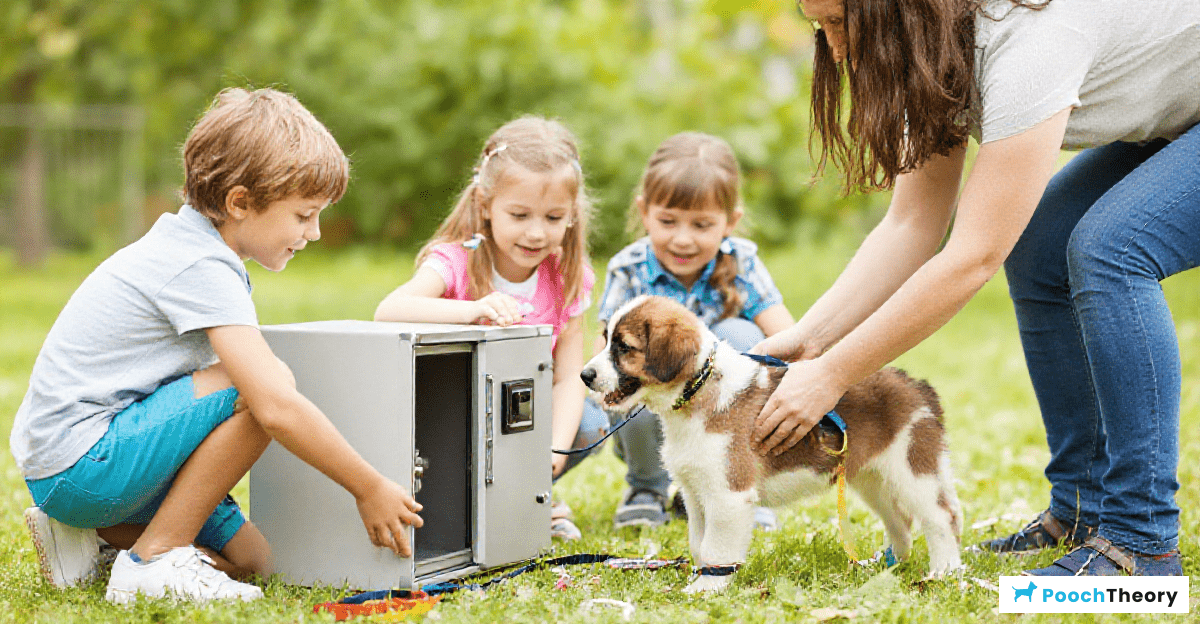
Establishing a safe environment for children and puppies during training sessions is crucial for preventing accidents and fostering positive interactions. Here are essential guidelines to consider:
- Supervise at All Times: Never leave children and puppies alone together, even for a moment. Active supervision helps prevent unwanted incidents.
- Choose Safe Spaces: Conduct training sessions in enclosed areas where both children and puppies can explore safely.
- Set Clear Boundaries: Teach children how to interact with puppies respectfully, reinforcing good behavior in both parties.
- Use Positive Reinforcement: Reward your puppy for calm behavior around children to encourage a relaxed environment.
- Introduce Gradually: If the puppy is new to the household, introduce them to children slowly, allowing for immediate intervention if necessary.
- Teach Safety Commands: Incorporate basic training commands that both the puppy and children can learn for better management of excitement.
- Encourage Calm Behavior: Teach children to use calm body language and soft voices when interacting with puppies.
By implementing these safety guidelines, you’ll create a supportive atmosphere that strengthens the bond during training. For more detailed training tips, check our articles on dog socialization and training games for kids.
Age-Appropriate Training Techniques for Children
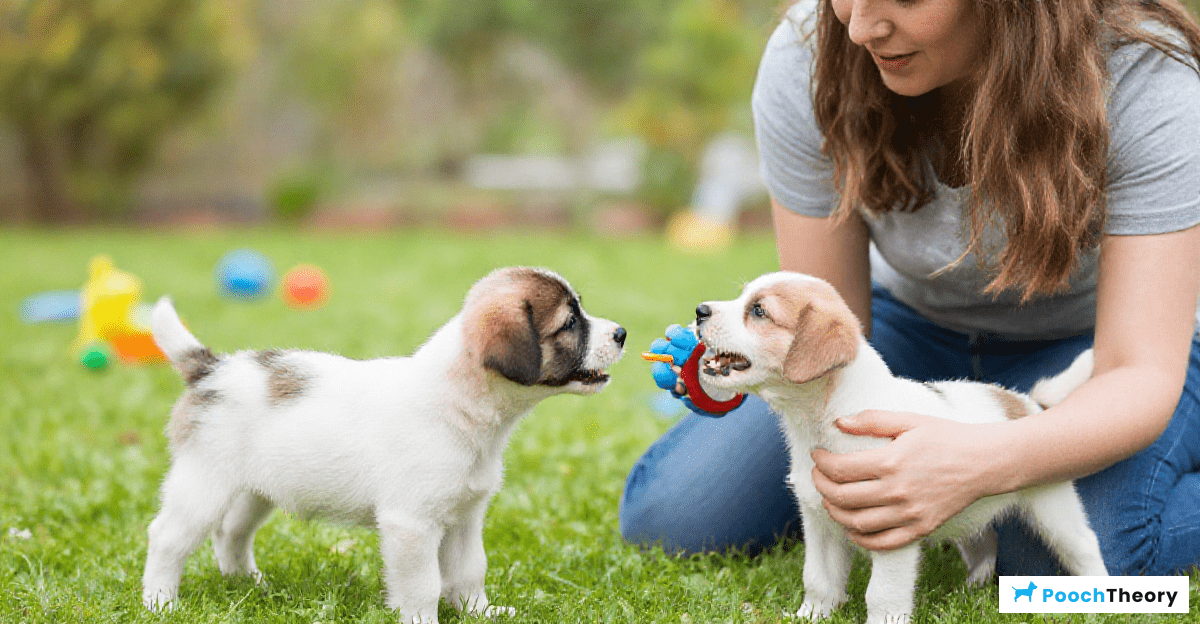
When teaching children to train puppies, selecting age-appropriate techniques promotes effective learning. Here are several methods that children can successfully implement:
- Positive Reinforcement: Emphasizing rewards over punishment helps build a strong bond. Children can use treats, praise, or play as rewards.
- Short Training Sessions: Keeping sessions around 5-10 minutes helps maintain engagement, focusing on one command at a time.
- Fun and Games: Integrating games into training can make the process enjoyable and enhance engagement.
- Modeling Behavior: Children can learn effectively by observing adults as they train the puppy.
Incorporating these age-appropriate training techniques empowers children and fosters a positive relationship with their puppies.
Practical Tips for Engaging Children in Dog Training
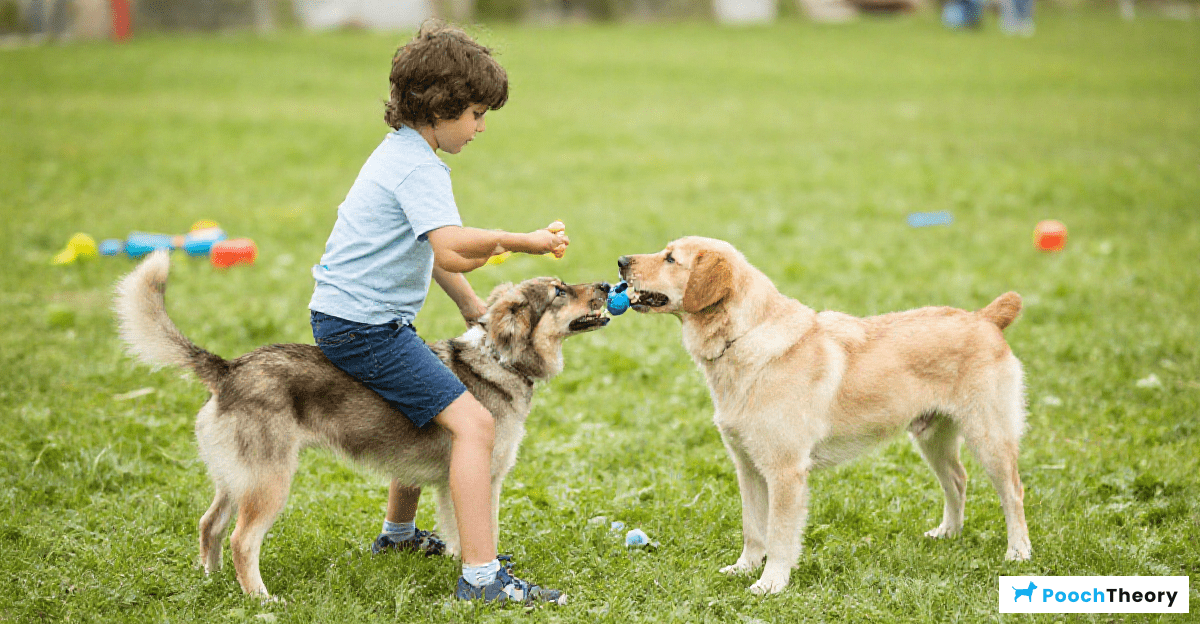
Engaging children in dog training can be a rewarding experience that fosters responsibility and strengthens the bond between them and their canine companions. Here are some practical tips:
- Keep It Short and Interactive: Limiting training sessions to about 10-15 minutes and using interactive methods can enhance engagement.
- Use Positive Reinforcement: Praise and treats motivate both dogs and children.
- Make It a Team Effort: Encourage children to train in groups or pairs for cooperative learning.
- Incorporate Learning Moments: Train children about dog behavior, enhancing empathy and pet care understanding.
- Utilize Training Games: Activities like treasure hunts or Simon Says can make learning playful and enjoyable.
- Establish Regular Training Routines: Consistency helps both the dog and child feel secure.
By combining fun, education, and practical responsibility, children can be effectively involved in dog training, resulting in a deeper bond with their furry friends.
The Role of Positive Reinforcement
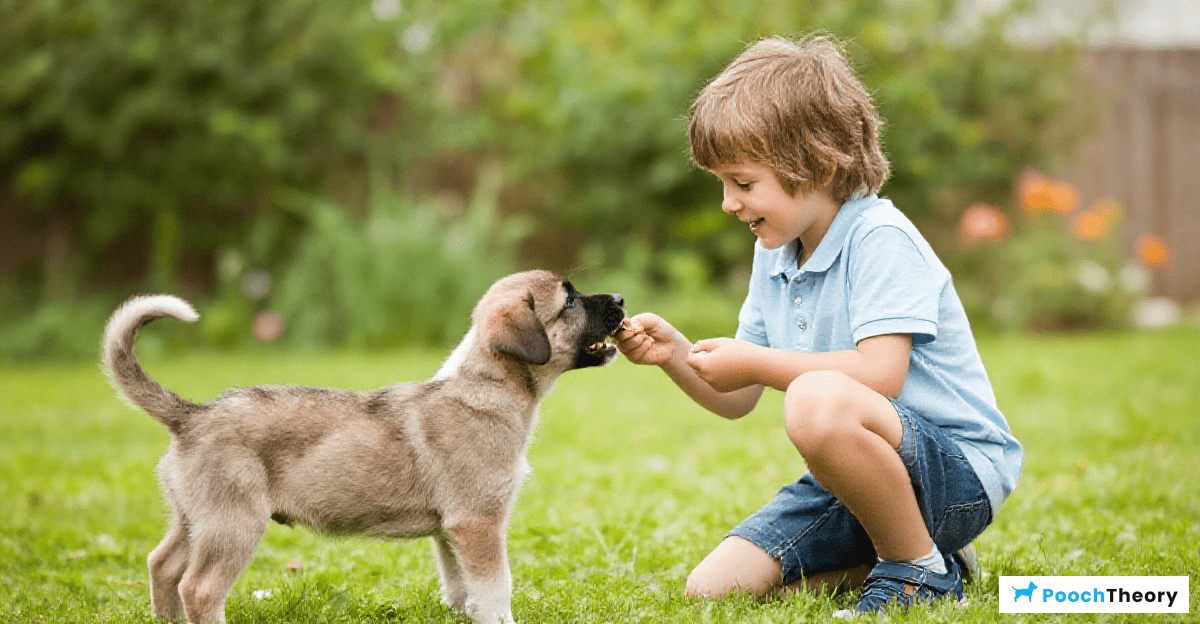
Positive reinforcement plays a crucial role in training both children and puppies, serving as a powerful motivator. For children, using praise and treats as incentives can help reinforce good behavior. Research suggests that positive environments lead to better engagement and social skill development in kids [source].
Similarly, puppies thrive with positive reinforcement. By rewarding good behavior, such as sitting on command, owners can effectively shape their actions. The American Kennel Club indicates that certain breeds are particularly responsive to these methods of training [source].
Implementing effective positive reinforcement requires consistency, ensuring that specific commands and rewards are uniformly applied. This creates a reliable environment where both children and puppies can thrive.
Tracking Progress and Celebrating Achievements
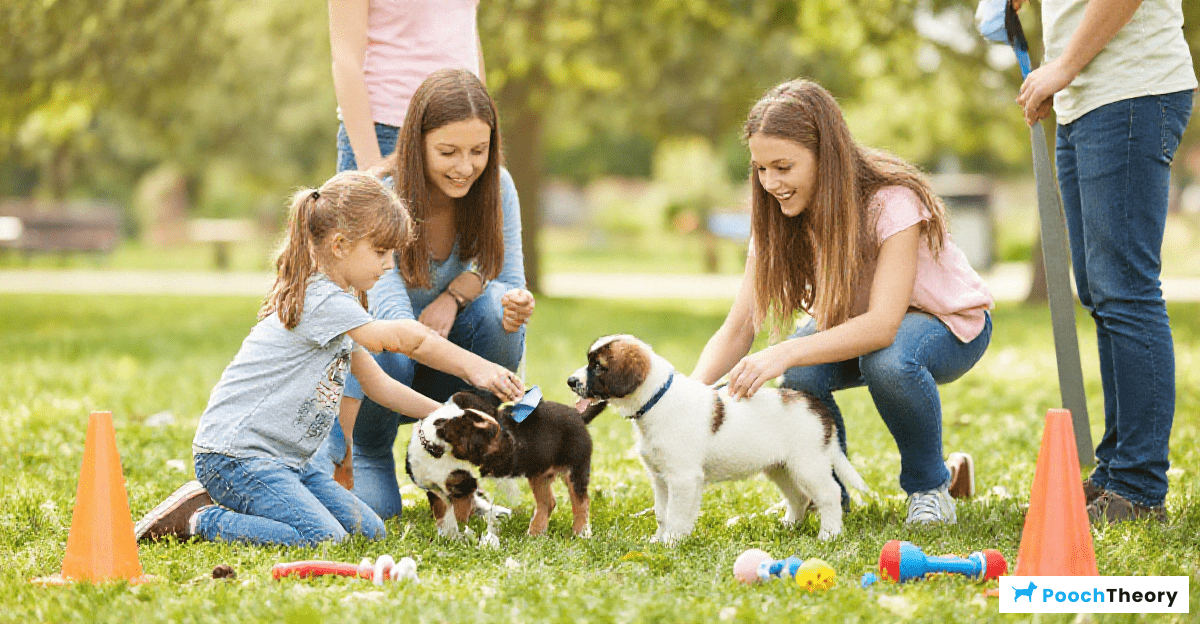
Involving children in tracking a puppy’s training journey can be rewarding. Parents may create charts or journals where children can record the puppy’s progress and celebrate milestones. This not only helps children develop responsibility but also allows for self-expression through drawings or notes.
Furthermore, parents can include children in planning training sessions, empowering them to partake in teaching various skills. Celebrating achievements together with simple treats or mini-celebrations can enhance joy, forming a strong partnership in the training process.
Nurturing the Bond Through Training
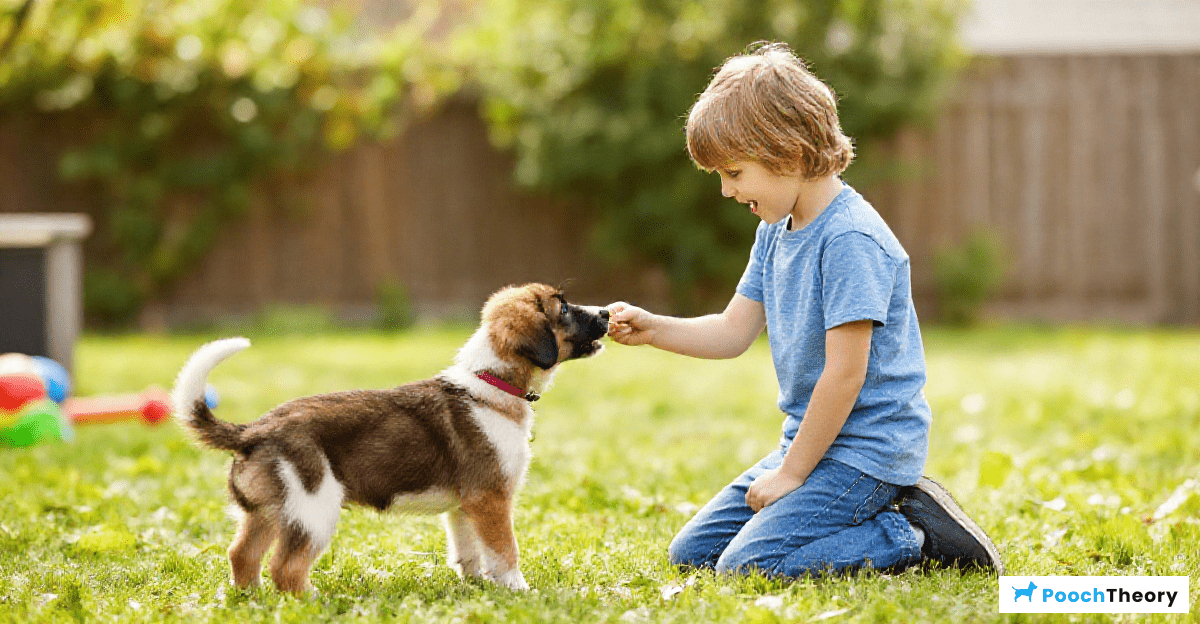
Nurturing the bond between children and puppies through training yields significant benefits, fostering emotional and social development. Training establishes trust and respect, laying the groundwork for lifelong friendship. Children engaged in dog training exhibit enhanced empathy and responsibility, and the partnership between them and their pets is a shared journey that significantly impacts their emotional growth.
By nurturing this bond through training, families can ensure a beneficial, lasting impact on their children’s upbringing while also improving the well-being and behavior of their furry companions.
Sources
- American Kennel Club – Puppy Training Tips
- Newsweek – Dog Trainer Shares Signs Your Dog’s Cuddles Are a Request, Not Affection
- Pooch Theory – How to Socialize a Dog
- Pooch Theory – Puppy Nipping at Kids: How to Handle Safely
- Pooch Theory – Step-by-Step Dog Training Games for Kids
- Pooch Theory – Positive Reinforcement: Alternatives to Shock Collars for Barking
- Wall Street Journal – Hope for Self-Reliance Drives Families to Autism Therapy



