

Importance of Teaching Commands to Dogs
Teaching commands to dogs is fundamental for establishing good behavior and fostering a harmonious relationship between pets and their owners. Command training not only helps ensure a dog’s safety—such as responding to cues like “come” or “stay”—but also enhances communication and builds trust. It sets the groundwork for future learning and behavioral adaptation, promoting socialization and reducing anxiety in various situations. According to a study by animal behaviorist Andrea Sommese, effective communication with dogs is crucial for their engagement and willingness to learn commands, highlighting the importance of a strong human-animal bond in training success [Source].
Moreover, commands serve as essential tools for behavior management, helping dogs navigate the world around them. For instance, commands like “leave it” can prevent dogs from consuming harmful objects or engaging in unwanted behaviors. Furthermore, consistent training fosters impulse control and manners, leading to a well-behaved pet that can accompany owners in various environments. Exploring methods such as positive reinforcement can also significantly enhance the training experience, creating a joyful learning atmosphere that benefits both the dog and owner [Source].
Incorporating command training into daily routines not only aids in obedience but also enriches the dog’s life by providing mental stimulation through new challenges. It is an investment in their well-being that pays dividends in the form of a loving, compliant companion [Source].
Essential Commands Every Dog Should Learn
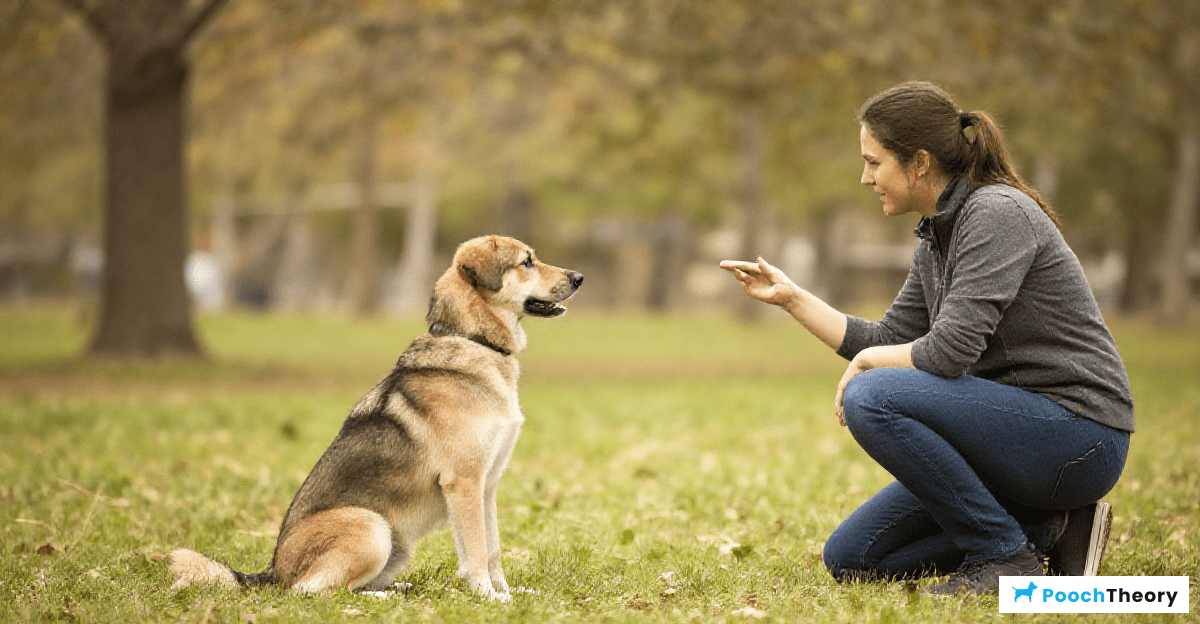
Training your dog with basic commands is essential for fostering good behavior and ensuring communication between you and your furry friend. Here are three fundamental commands that every dog should learn:
- Sit: The “Sit” command is often the first command taught to a dog. It establishes a basic understanding of obedience and can help manage a dog’s energy. To teach this command, hold a treat close to your dog’s nose. Move your hand up, allowing the dog’s head to follow the treat. As their head moves up, their rear will naturally lower to the ground. Once they are sitting, say “Sit,” reward them immediately, and praise them for their good behavior. For more detailed tips, check out our guide on basic dog training techniques.
- Stay: The “Stay” command is vital for a dog’s safety and can prevent them from running into dangerous situations. Start by asking your dog to sit. Once they are seated, open your palm in front of you and firmly say “Stay.” Take a few steps back; if they remain in position, reward them with a treat. Gradually increase the distance and duration over time. Patience and consistency are crucial, and this command can be reinforced during daily activities for maximum effect.
- Come: The “Come” command is crucial for recall and safety, ensuring your dog returns to you when called. Begin by using a leash in a secure area. Call your dog’s name followed by “Come” while gently pulling the leash. When they approach, reward them with treats and praise. As your dog becomes more reliable, practice this command in various environments. Creating positive associations with this command is essential for successful training especially off-leash.
Implementing these commands not only helps with training but builds a strong bond of trust and communication between you and your dog. For more training insights, explore our resource on engaging training games.
The Power of Positive Reinforcement
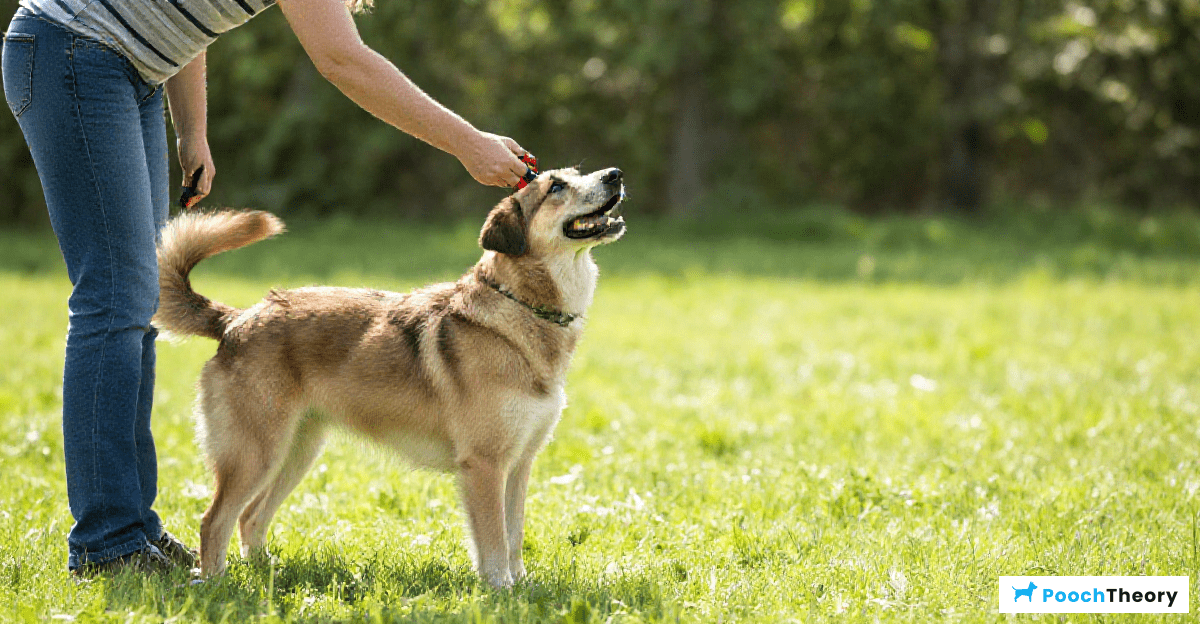
Positive reinforcement is a powerful and humane method for encouraging dogs to learn commands effectively. This approach involves rewarding desirable behaviors to increase the likelihood of their repetition. Research shows that techniques such as using treats, praise, or playtime significantly enhance a dog’s willingness to learn. Studies have demonstrated that dogs trained with positive reinforcement methods not only respond better but also retain commands longer compared to those exposed to aversive training methods [Source].
When applying positive reinforcement, it’s essential to find what motivates your dog, whether it’s high-value treats, toys, or affection. Consistency is crucial; rewards should be given immediately after the desired behavior to help your dog make the connection between the action and the reward [Source]. Additionally, training sessions should be kept short and fun to maintain the dog’s interest, ideally interspersing commands with play to make learning enjoyable.
Utilizing clicker training—a form of positive reinforcement—can also be particularly effective. The distinct sound of a clicker serves as an immediate marker for correct behavior, allowing you to deliver a reward promptly. Resources on clicker training techniques can provide better insights on how to implement this method successfully.
Moreover, positive reinforcement helps build trust and a stronger bond between dogs and their owners. It nurtures a positive learning environment where dogs feel secure and confident, ultimately leading to more effective obedience [Source]. This technique not only improves behavior but also enhances the overall relationship between you and your furry friend.
Tips for Effective Training Sessions
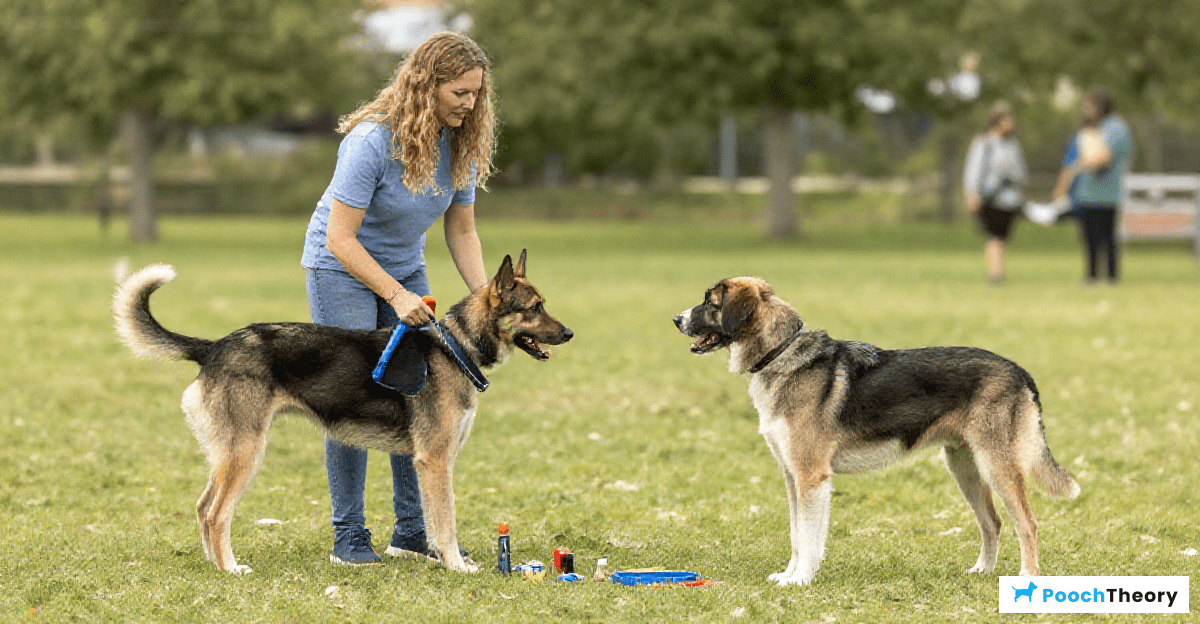
To achieve successful training sessions with your dog, consider implementing the following tips focused on consistency, patience, and practice:
- Consistency is Key: Dogs thrive on routine and clear expectations. Use the same commands and cues consistently to help your dog understand what is expected. This consistency should extend to all family members to avoid confusing the dog. As noted in our ultimate guide to dog training, a consistent approach reinforces learning.
- Be Patient: Training takes time, and each dog learns at its own pace. Patience is crucial as dogs may not understand what you want immediately. Celebrate small victories and progress rather than getting frustrated.
- Regular Practice: Short, frequent sessions are often more effective than lengthy training marathons. Aim for 5-10 minute training exercises multiple times a day, focusing on one behavior or command at a time.
- Incorporate Play: Learning through play can make training enjoyable and less stressful for your dog. Integrate games that involve commands, like fetch.
Emphasizing these principles in your training sessions will set the stage for a positive and successful learning experience for your dog.
Common Mistakes in Dog Training
One of the most common mistakes beginners make in dog training is failing to establish consistent commands and cues. It’s crucial for trainers to use the same word or gesture every time for specific behaviors to avoid confusing their dog. For instance, using “sit” one day and “sit down” the next will lead to misunderstandings. Consistency helps dogs learn effectively and respond better to commands; some effective tips on setting clear cues can be found in our Ultimate Guide to Dog Training.
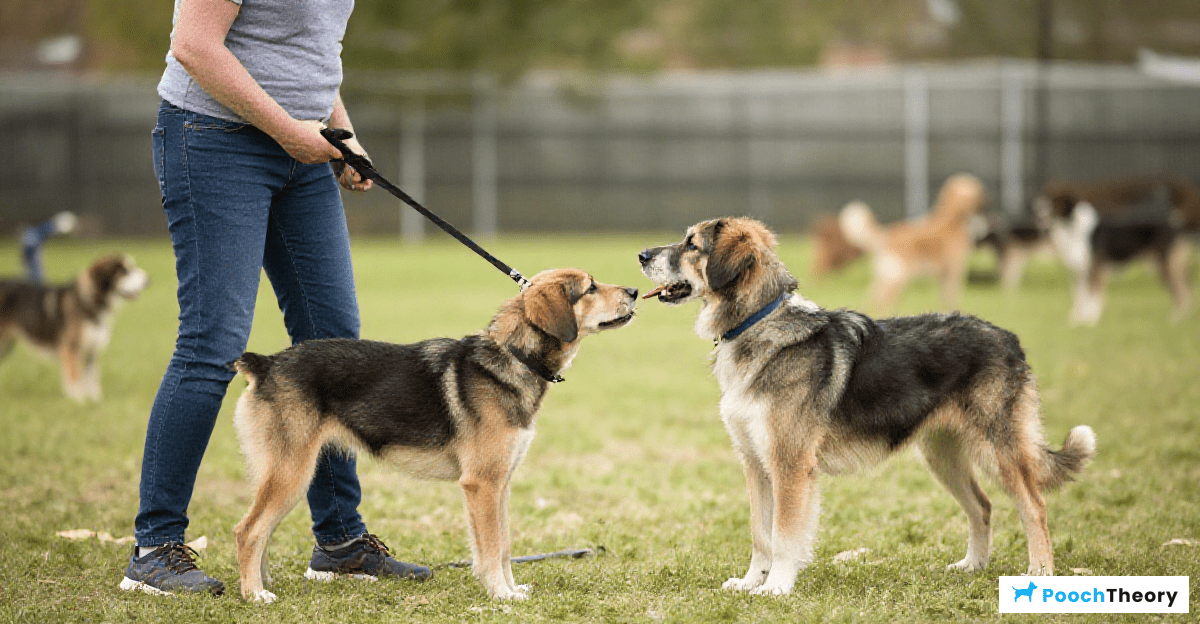
Another frequent pitfall is neglecting socialization opportunities. Many beginners hesitate to expose their dogs to different environments, sounds, and people, which can result in fearfulness or aggression later on. Socializing a dog early on is essential for developing a well-adjusted pet. The socialization process should start from puppyhood and can include experiences in various settings.
Additionally, many trainers underestimate the importance of patience. Training is often a slow process, and rushing through it can create anxiety for both the trainer and the dog. Beginners should celebrate small achievements, as positive reinforcement helps solidify learned behaviors. For insights on maintaining patience during training, consult our article on effective training strategies.
Finally, another common error is relying too heavily on punitive measures. It’s been shown that using punishment can lead to fear and anxiety, which can hinder a dog’s ability to learn. Positive reinforcement techniques, such as treats and praise, are more effective and create better relationships between dogs and their owners. Exploring alternative training methods can enhance your training experience.
Avoiding these key mistakes can significantly improve your training outcomes and build a rewarding relationship with your dog.
Advancing Dog Training Skills
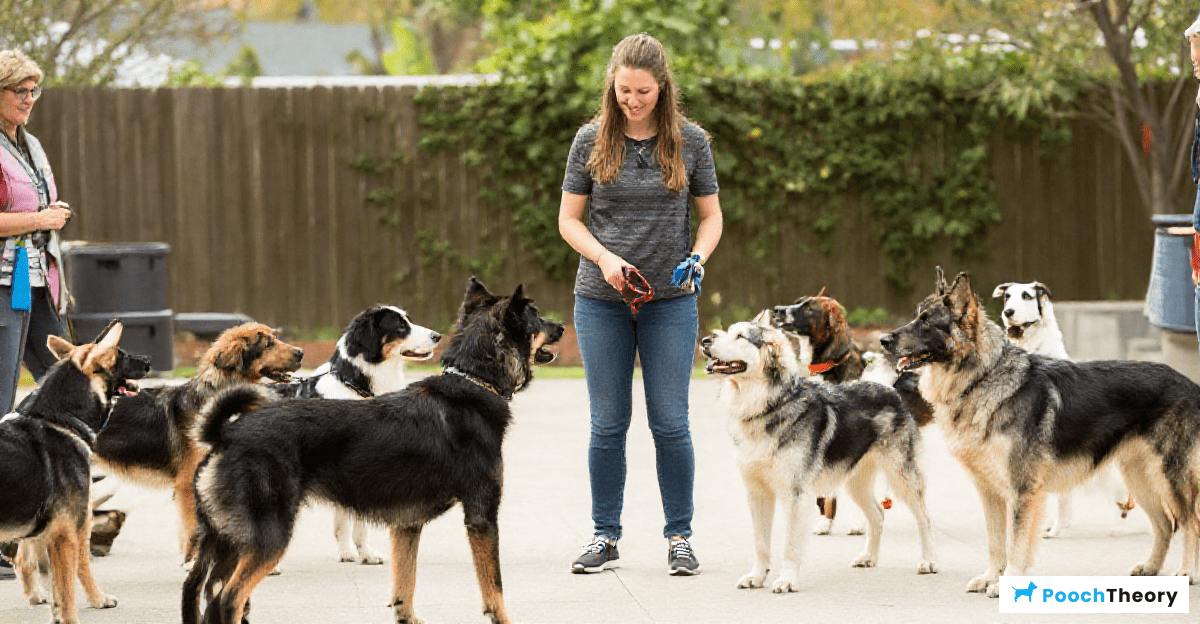
To successfully progress from basic commands to advanced skills in dog training, it’s imperative to build upon the foundation your dog has already mastered. Here are key strategies to elevate your dog’s training:
- Solidify Basic Commands: Ensure your dog has a strong grasp of basic commands like sit, stay, and come before introducing complex skills.
- Gradual Introduction of Advanced Commands: Once basic commands are well-established, begin introducing advanced commands such as heel, roll over, or play dead.
- Using Positive Reinforcement: Leveraging positive reinforcement techniques can motivate your dog to learn and respond better.
- Incorporate Training Games: Engaging your dog through training games can make learning advanced skills enjoyable.
- Practice in Varied Environments: To ensure your dog can perform commands reliably, practice in different settings and with various distractions.
- Use of Long Lines: When transitioning to off-leash commands, consider utilizing a long line to provide safety.
- Engage with Professional Training: If you encounter challenges in teaching advanced commands, seeking professional help may be beneficial.
By following these steps and continuously refining your approach, you can effectively guide your dog from mastering basic commands to confidently performing advanced behaviors. Engage with our resources for further insights on dog training techniques and strategies, such as Ultimate Guide to Dog Training.
Building a Bond Through Training
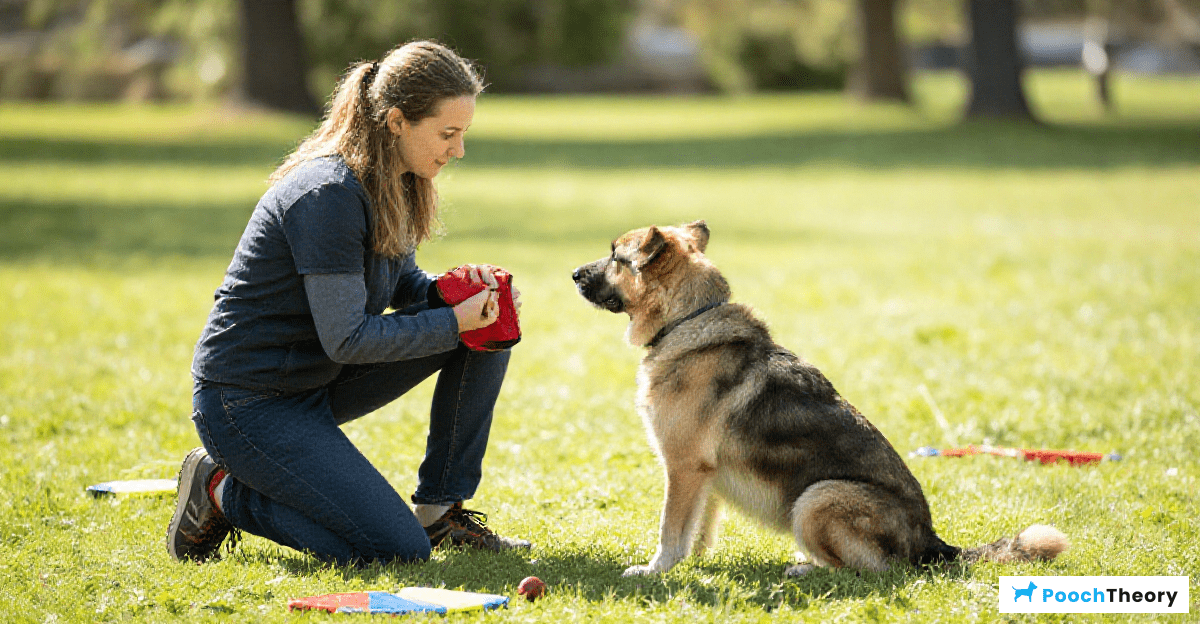
Training your dog is not only about teaching commands; it’s fundamentally about building a strong bond through mutual trust and understanding. As you’ve learned, positive reinforcement techniques foster a cooperative relationship between you and your furry friend, encouraging both learning and enjoyment. Key aspects include consistency in training, encouraging good behavior, and always celebrating small victories, as these actions contribute significantly to your dog’s confidence and overall well-being.
Consider making training sessions a regular part of your daily routine. Short, engaging sessions filled with games and rewards keep your dog interested and are proven to be more effective. Incorporating activities from our Fun Dog Tricks guide can enhance your dog’s learning experience and deepen your connection.
Moreover, remember that bonding goes beyond commands and tricks. Spend quality time with your dog exploring new environments, engaging in fun activities, or simply going for long walks. This not only enhances their socialization skills but also strengthens the emotional ties between you.
As you move forward, actively seek resources to enrich your training approach. Our comprehensive guide on dog training tips can provide additional insights that cater to your dog’s unique needs. Whether it’s a focus on more complex behaviors, or handling specific challenges, ongoing learning ensures a rewarding journey for both of you.
Ultimately, nurturing the bond with your dog is about shared experiences and endless love. Continue to explore, train, and grow together, as this commitment is the foundation for a happy and well-adjusted pet. Take the next steps towards creating positive experiences, and cherish every moment spent with your furry companion.



