

Teaching Dogs to Wait at the Door
Teaching dogs to wait at the door before exiting is a fundamental aspect of responsible pet ownership and training. This skill helps establish boundaries and enhances impulse control, which are critical for managing a dog’s behavior in various situations. It also fosters a safer environment, preventing dogs from darting into traffic or getting lost when the door opens unexpectedly.
A well-trained dog understands the command to wait, allowing for a smoother transition as owners prepare to leave or enter their homes. Such training reduces anxiety for both the pet and the owner and cultivates a reliable routine. Routines are essential for dogs as they thrive on predictability, which can help alleviate stress associated with separation or changes in the household environment [Source].
Moreover, this practice can be integral to overall obedience training and enhances the dog’s ability to focus in distracting environments. By reinforcing calm behavior rather than allowing chaos at the door, owners create a harmonious atmosphere conducive to learning. As emphasized by experts, consistent training can significantly improve a dog’s impulse control, thus making outings more enjoyable [Source].
For more on establishing essential training methods, check out our article on the ultimate guide to dog training.
Importance of the “Wait” Command

Teaching your dog the “wait” command is crucial for their safety and the development of self-control. This command instills discipline, helping dogs learn to pause before acting in potentially dangerous situations, such as approaching traffic or encountering aggressive animals. According to the VCA Animal Hospitals, consistent training reinforces calm behaviors, which is essential in managing a dog’s impulses and reducing anxiety-driven actions, like excessive barking or jumping [Source].
The benefits of waiting extend to everyday situations, encouraging a dog to resist impulses, enhancing their social skills, and fostering a sense of patience. For instance, when a dog learns to wait for food or to be let outside, they develop an understanding of delayed gratification, improving their ability to manage excitement and anxiety [Source].
Moreover, a well-structured waiting period can translate to better interactions with other pets and humans, minimizing chances of confrontations or misbehavior. Overall, incorporating the “wait” command into your dog training regime prioritizes safety and nurtures a well-balanced and obedient companion, pivotal for a harmonious household. For more insights on training techniques, check out our guide on home training tips or positive reinforcement methods.
Preparing for Successful Dog Training
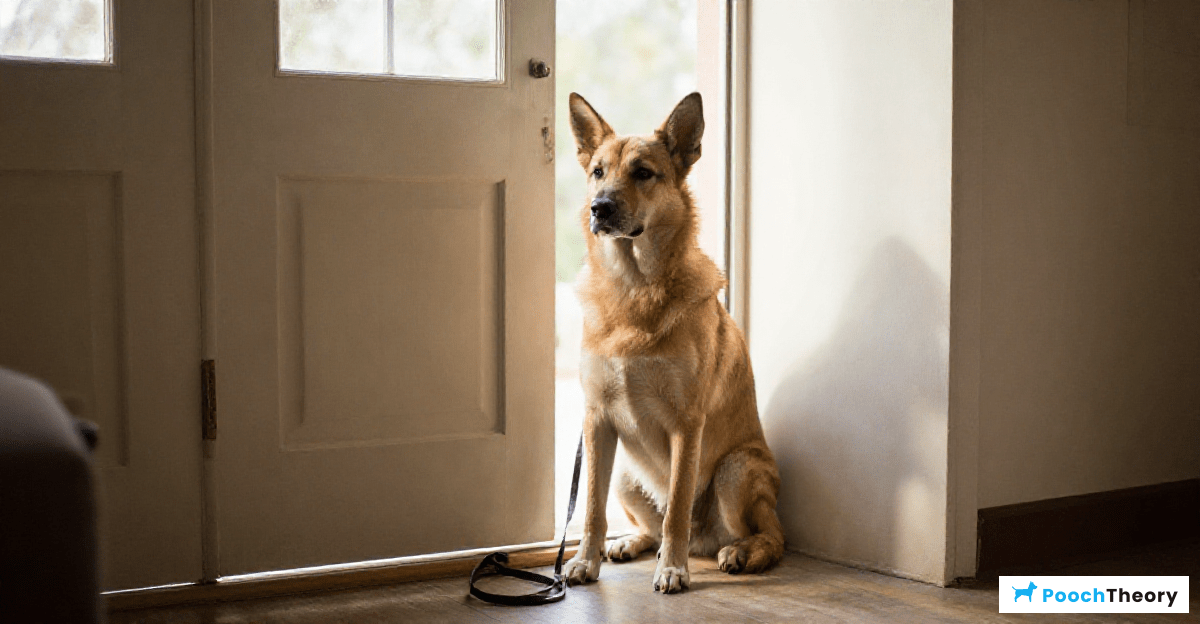
Preparing for a successful dog training process involves several critical steps to ensure both you and your dog are ready. Here are some essential tips to get started:
- Establish a Training Space: Create a distraction-free area where you can train your dog efficiently. This helps your pet focus better. Use this space consistently to build familiarity with the training environment.
- Gather Essential Tools: Before starting training, collect necessary equipment—like a collar, leash, training treats, and a clicker. A properly fitted collar is crucial for safety and control during training. Consider reading about home training tips to make the most of your setup.
- Research and Understand Your Dog’s Breed: Different breeds have varying temperaments and learning speeds. Familiarizing yourself with your dog’s breed traits can tailor your training approach effectively.
- Set Realistic Goals: Define clear, achievable objectives for each training session, from basic commands like “sit” and “stay” to complex behavior modifications. This structured approach can keep both you and your dog motivated.
- Schedule Regular Training Sessions: Consistency is key. Incorporate training into your daily routine, even if it’s just for a few minutes at a time.
- Use Positive Reinforcement: Reward-based training fosters a positive relationship between you and your dog. For effective techniques, you might find positive reinforcement alternatives helpful.
- Be Patient and Observant: Every dog learns at their own pace. Recognize and adapt to your pet’s responses during training.
- Practice Socialization: Introduce your dog to a variety of environments and people. Socialization helps develop a well-rounded dog. For more tips, refer to our guide on how to socialize a dog.
By following these steps, you set a strong foundation for a successful training journey with your dog.
How to Teach Your Dog to Wait at the Door

To teach your dog to wait at the door, follow these step-by-step instructions for effective training:
- Choose a Command: Select a distinct command like “wait” or “stay.”
- Prepare for Training: Begin in a low-distraction environment and have treats ready.
- Position Your Dog: Stand with your dog next to you at an open door.
- Introduce the Command: Open the door slightly and say the command. If your dog tries to rush out, gently close the door.
- Reward Calm Behavior: As soon as your dog remains still, praise them and give a treat.
- Increase Difficulty: Gradually open the door wider as your dog understands the command.
- Introduce Distractions: Bring in distractions to test their impulse control.
- Practice Regularly: Short, frequent training sessions are more effective than long ones.
- Be Consistent: Use the same command, rewards, and boundaries every time.
- Transfer to Real Scenarios: Practice during your normal routine, like before walks.
Teaching your dog this command not only promotes good behavior but also enhances their safety while waiting at a door. For more training tips, check out our guide on dog training techniques and essential commands for beginners.
Reinforcing the “Wait” Command
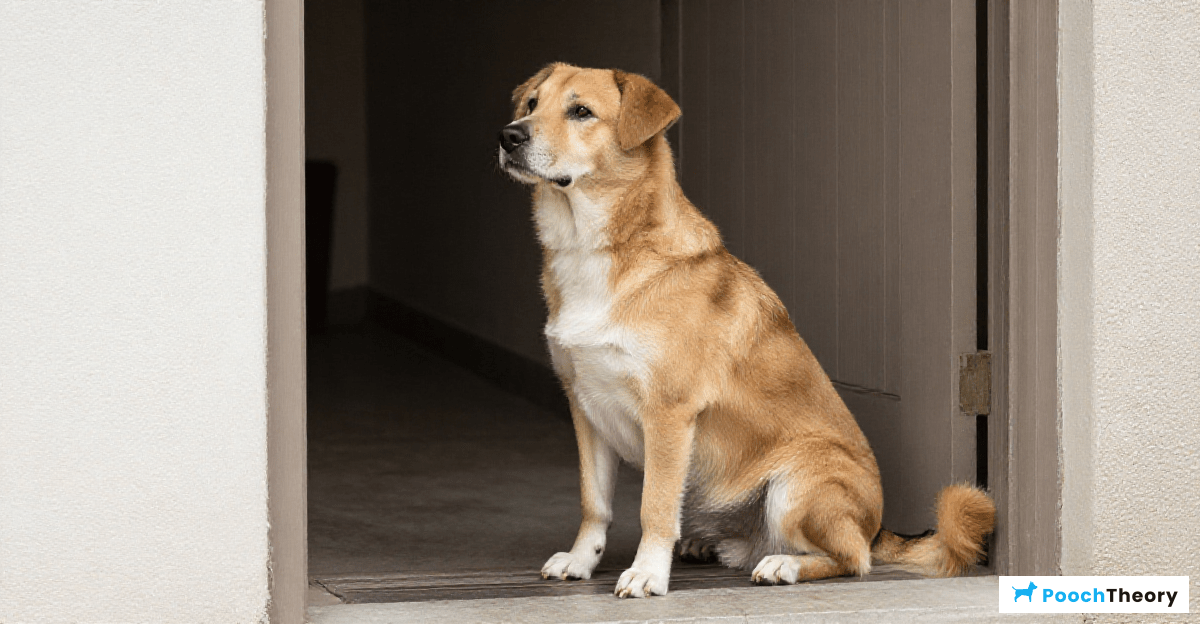
To effectively reinforce the “wait” command with your dog, consistency and positive reinforcement are key. Begin by using treats to reward your dog for calmly holding the wait position in a distraction-free environment, gradually introducing distractions as your dog becomes more reliable. Incorporating a release cue, such as “okay,” helps your dog understand when they can break their wait.
Practicing wait at various locations, like the front door or while waiting to eat, can help generalize the command across different situations. On walks, apply the command before crossing the street to reinforce their impulse control. Emphasize patience and repeat your training sessions regularly, calmly redirecting your dog back to the position if they get up before being released.
With time, they will learn that waiting leads to positive outcomes, making this command integral to their training. For more on impulse control in training, consider looking at impulse control games that can aid in developing this skill.
Common Challenges in Dog Training
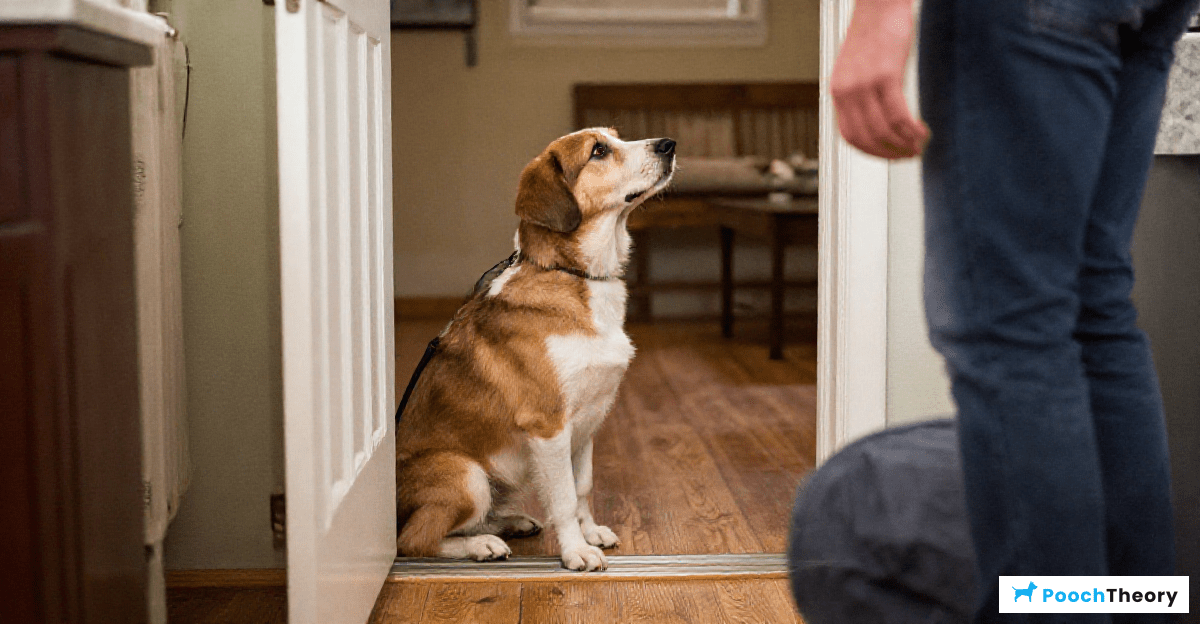
Training a dog can be rewarding but also comes with challenges. One common difficulty is managing barking, which can stem from various reasons including territorial instincts or anxiety. Effective training should focus on rewarding calm behavior. Consistent routines reinforce structure for the dog, which helps manage barking [Source].
Another challenge involves helping newly adopted dogs adjust, often referred to as the “3-3-3 Rule.” It generally takes about three days for dogs to settle in, three weeks to learn their routine, and up to three months to acclimate. Patience and gradual exposure can facilitate this transition [Source].
Addressing behavioral issues from fear or redirected aggression requires a tailored approach. Consistent positive reinforcement strategies can help dogs overcome anxieties [Source]. Engaging trainers can provide specialized techniques to overcome these challenges.
For more tips on specific challenges, check out our articles on preventing excessive barking and socializing your dog.
Conclusion
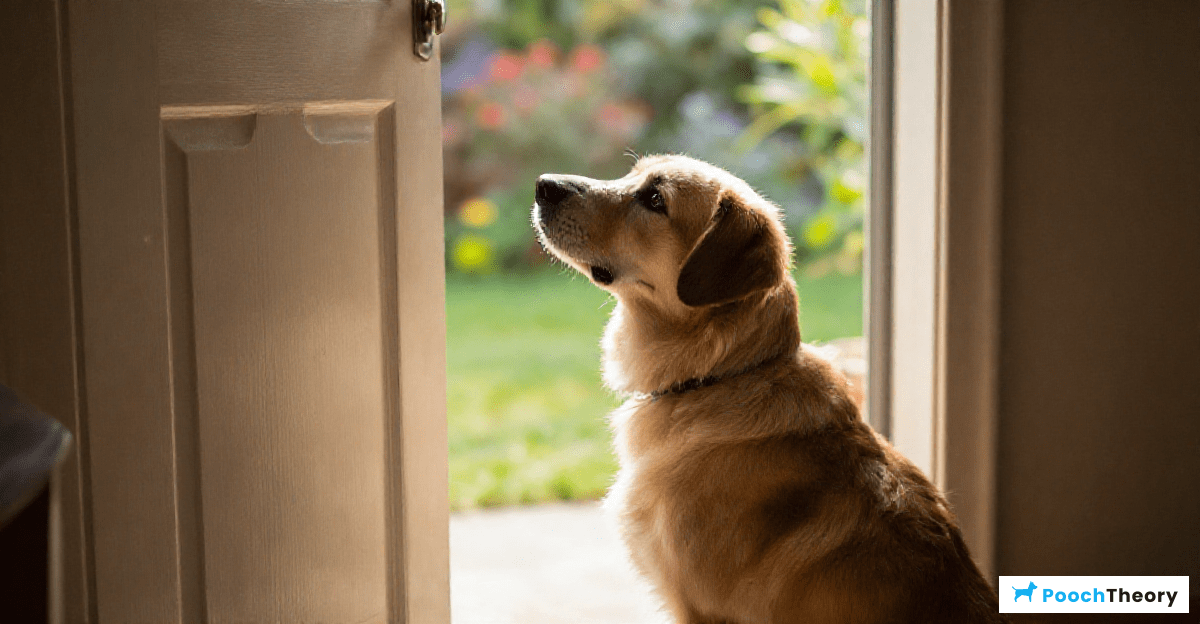
Effective dog training is crucial for fostering a well-behaved and happy canine companion. Consistency in training reinforces desired behaviors while ongoing practice allows these behaviors to become second nature. Dogs respond best to positive reinforcement and clear communication rather than punitive measures. For best results, engage in regular training and consider integrating various methods, such as those outlined in our guide on dog training techniques.
Stay committed to your dog’s training regimen, allowing for gradual progression based on your dog’s responses. Understanding your dog’s personality will help tailor training techniques for effectiveness. Remember, patience and persistence are key—training a dog is about building trust and mutual understanding. For further insights, check out our resources on dog socialization and positive reinforcement methods. With dedication and the right strategies, you can enjoy a fulfilling partnership with your furry friend.
Sources
- DogTime – Golden Retriever Puppy Vaccinated Video
- Hollywood Reporter – Puppy Bowl Trainer Interview: How to Potty Train 125 Puppies
- Newsweek – Dog Returned to Shelter After Being Aggressive; Now Adopter Realizes Mistake
- Newsweek – Hearts Break Over Dog at Barber Who Thought He Was Left Behind
- Newsweek – Woman Teaches Dachshund Lesson for Barking in Hysterics in Response
- Pooch Theory – How to Socialize a Dog
- Pooch Theory – How to Stop Your Dog from Barking at Every Noise in the Hallway
- Pooch Theory – Impulse Control Games for Dogs: Jumping on Guests
- Pooch Theory – Mastering Dog Training: Essential Commands for Beginners
- Pooch Theory – Positive Reinforcement Alternatives to Shock Collars for Barking
- Pooch Theory – Ultimate Guide to Dog Training: Home Tips & Techniques



