

Understanding Clicker Training
Clicker training is a popular method of dog training based on positive reinforcement, where a distinctive sound—a click—marks the desired behavior performed by the dog. This method not only facilitates instant communication but also helps create a strong bond between the pet and owner. By signaling precisely which action is being rewarded, clicker training enhances learning speed and efficiency, making it an ideal choice for first-time dog owners. The technique has gained recognition for its effectiveness; studies show that dogs trained using clickers often learn faster compared to those trained through traditional methods that may include corrections or aversive techniques [source].
Additionally, incorporating clicker training fosters a positive training environment, contributing to improved behavior in dogs. It relies heavily on rewarding good behavior rather than punishing bad behavior, making the training experience more enjoyable and less stressful for both the pet and the owner. As outlined in our guide on marker training versus clicker training, this method allows for structured and effective communication, allowing dogs to learn commands and tricks more effortlessly. For those seeking to understand the principles behind effective dog behavior modification, clicker training is a highly recommended approach that ensures clarity and fosters trust between humans and their canine companions.
Essential Supplies for Clicker Training

To effectively embark on your clicker training journey with your dog, gathering the right supplies is essential. Here’s a concise list of the fundamental items you’ll need:
- Clicker: The cornerstone of clicker training, the clicker is a small device that makes a distinct sound to mark desired behaviors. Look for a clicker that is comfortable to hold and produces a clear, audible click. A simple plastic clicker will suffice, but ensure it’s easy to use, such as the i-Click Clicker which offers a soft button for easy operation.
- High-Value Treats: Treats serve as the primary reward in clicker training. Choose a variety of small, tasty treats that your dog loves—these should be something special that they do not get regularly. For more guidance on healthy treats, please see our guide on can dogs eat guava.
- Training Area: Designate a quiet, distraction-free area for training sessions, ideally free of clutter and other pets. Establish a relaxed atmosphere; sometimes, playing soft music can help settle your dog in this environment [source].
- Notepad or App: Keeping track of your dog’s progress is vital. Use a notepad or a dog training app to record behaviors that your dog is successfully learning.
- Patience and Consistency: While not a physical item, having a mindset of patience and the commitment to consistent training sessions are crucial for effective clicker training.
Choosing the Right Training Location
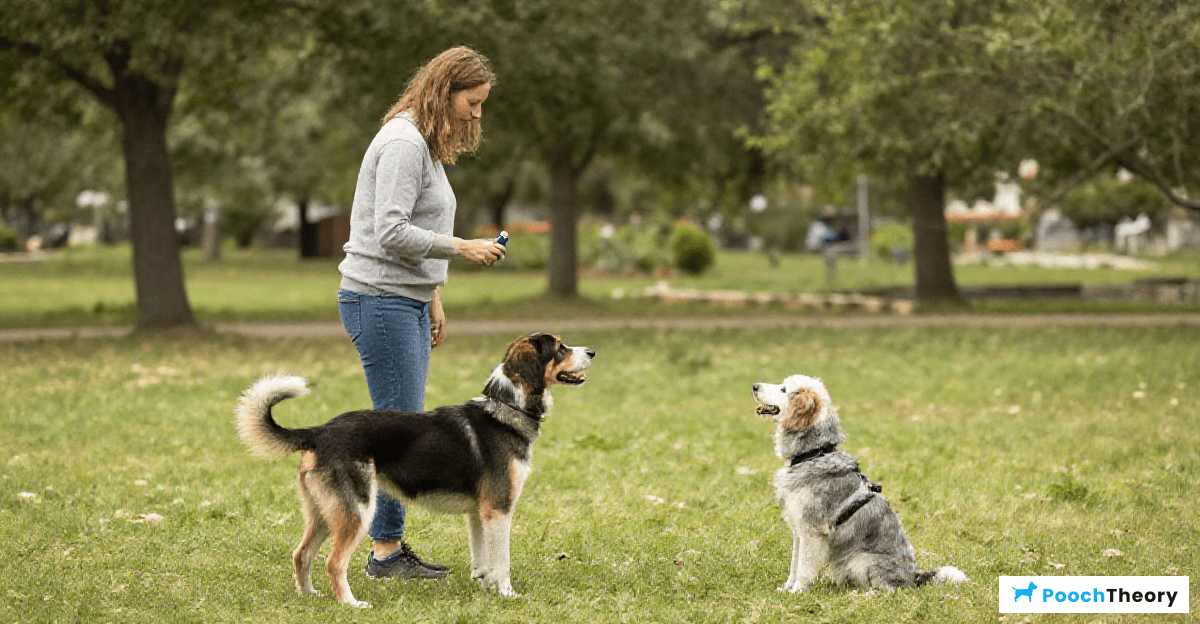
Selecting the right training location for your dog can significantly influence the effectiveness of your sessions. Here are some key considerations:
- Distraction-Free Environment: Look for a space where distractions are minimal. Areas with fewer people, other animals, or enticing scents are ideal. For instance, avoiding parks during peak hours can help create a calmer atmosphere.
- Familiar and Safe Spaces: Choose locations familiar to your dog to enhance their focus during training.
- Size and Space: Ensure the training area is spacious enough for your dog to move around comfortably, allowing for practicing commands and engaging in activities.
- Reducing Anxiety with Music: Research shows that playing calming music can help reduce stress and create a positive training environment [source].
- Assessing the Environment: Before starting a training session, assess the area for any potential disturbances. If your dog appears restless, it may be necessary to try a different location.
Basic Commands for Dogs

Starting with basic commands is essential for effective dog training. Here are crucial commands every beginner should teach:
- Sit: This foundational command helps manage a dog’s energy. Hold a treat above your dog’s head and move it back over their head to prompt sitting.
- Stay: Teaches your dog to remain in place. Ask for a sit, then raise your hand to signal “stay.”
- Come: A crucial recall command. Start by saying “come” in a cheerful tone, using a leash if necessary.
- Down: Helps to calm an energetic dog. Use treats to guide your dog into a lying position.
- Heel: This command helps dogs walk at your side on a loose leash.
For detailed guidance on training techniques, check out our Ultimate Guide to Dog Training.
Effectively Using a Clicker
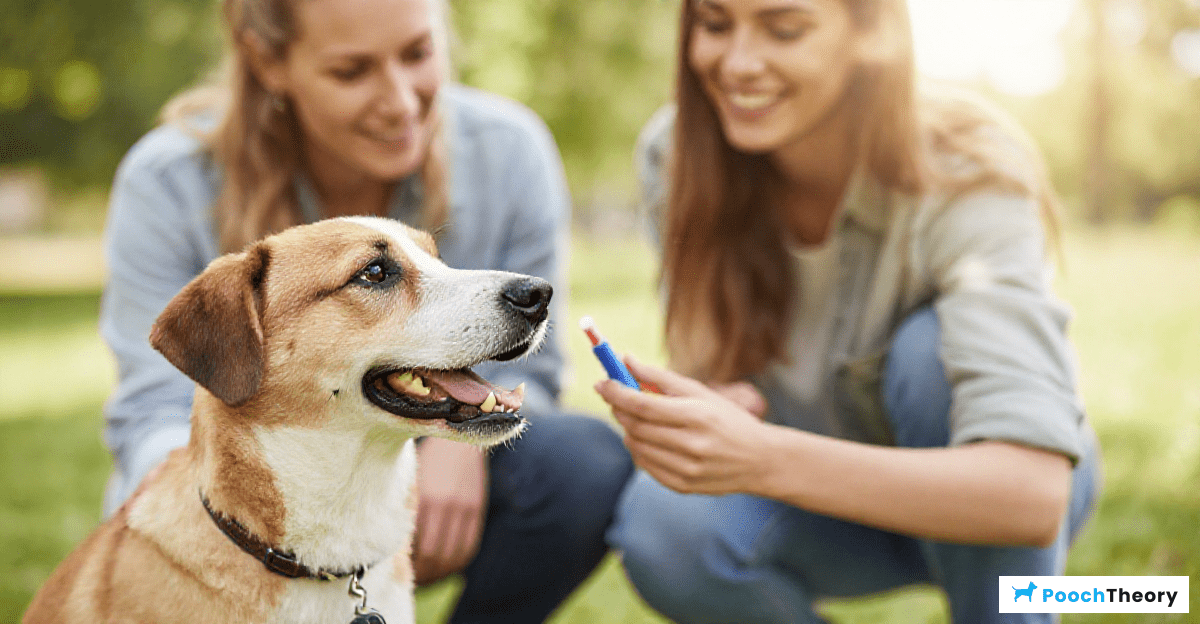
To effectively use a clicker for reinforcing good behavior in dogs, follow these essential steps:
- Understand the Clicker: Associate the sound with positive reinforcement.
- Choose High-Value Treats: Use treats that motivate your dog.
- Timing Is Key: Click the moment your dog exhibits the desired behavior.
- Reward: Immediately give your dog a treat after clicking.
- Gradually Increase Difficulty: Mix rewards as your dog learns.
- Generalize the Behavior: Practice in different environments.
- Combine with Verbal Cues: Introduce verbal commands with actions.
- Be Patient and Consistent: Maintain a positive attitude during training.
The Importance of Consistency
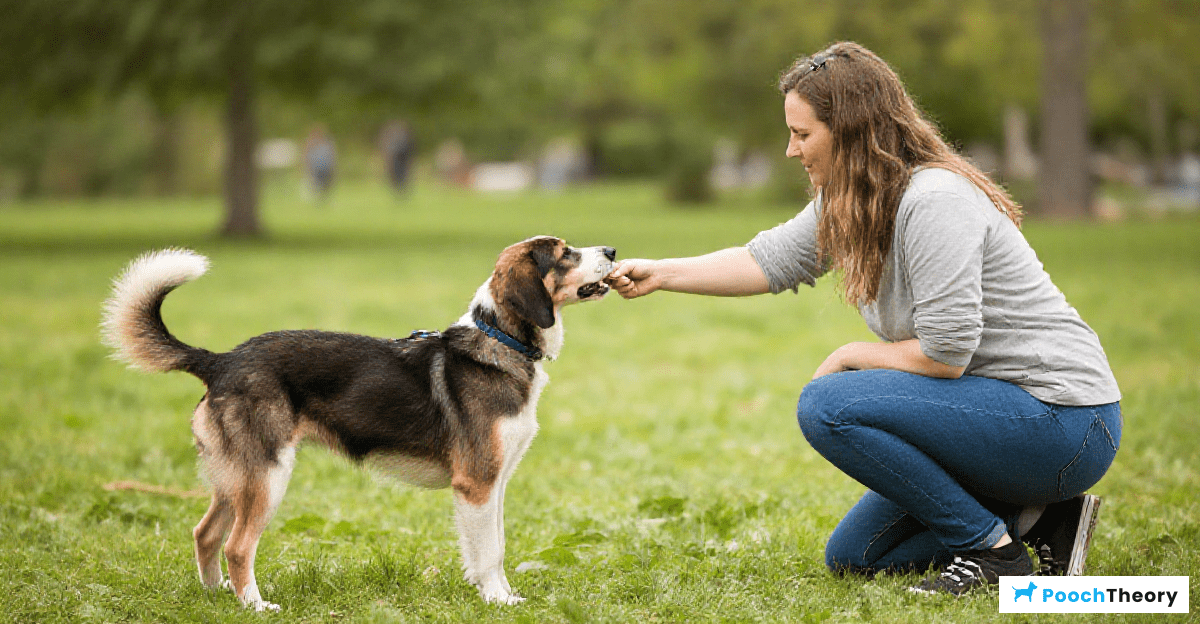
Consistency is crucial in dog training, as it helps reinforce desired behaviors and builds a strong bond between the dog and the owner. Experts recommend engaging in training sessions several times a week, typically ranging from 10 to 15 minutes at a time, especially for younger or more energetic dogs [source].
Training sessions should ideally occur at least three to five times weekly to solidify learning. Incorporating short practice intervals during daily activities can help reinforce commands in real-world scenarios [source].
Troubleshooting Common Challenges
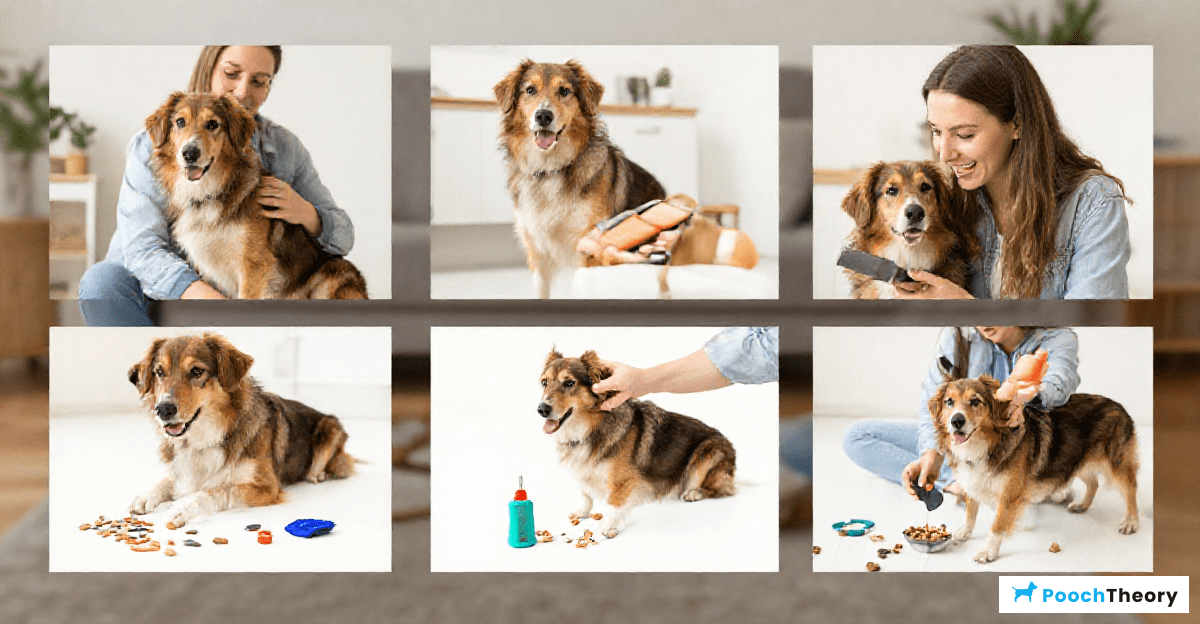
When starting clicker training, beginners often encounter various challenges. Here are some common issues and troubleshooting suggestions:
- Dog Doesn’t Respond to the Clicker: Ensure your dog associates the click with treats.
- Inconsistent Behavior: Check your timing and reduce distractions if necessary.
- Dog Becomes Overexcited or Distracted: Manage excitement levels and gradually introduce distractions.
- Training Sessions Are Too Long: Keep sessions short and positive.
- Clicker Training Not Progressing: Revisit the basics and vary your training.
Exploring Advanced Techniques

Once you’ve mastered the basics, consider exploring more advanced training techniques that can enhance your dog’s skills:
- Agility Training: This sport sharpens a dog’s focus and obedience through obstacle courses [source].
- Canine Good Citizen (CGC): This certification program trains dogs in manners and etiquette [source].
- Advanced Recall Training: Techniques for ensuring reliable recall, even with distractions [source].
- Impulse Control Exercises: Teaching your dog to manage its impulses can lead to better behavior [source].
- Scent Work: Engaging your dog’s natural instincts through scent detection training [source].
Continuous Training and Growth
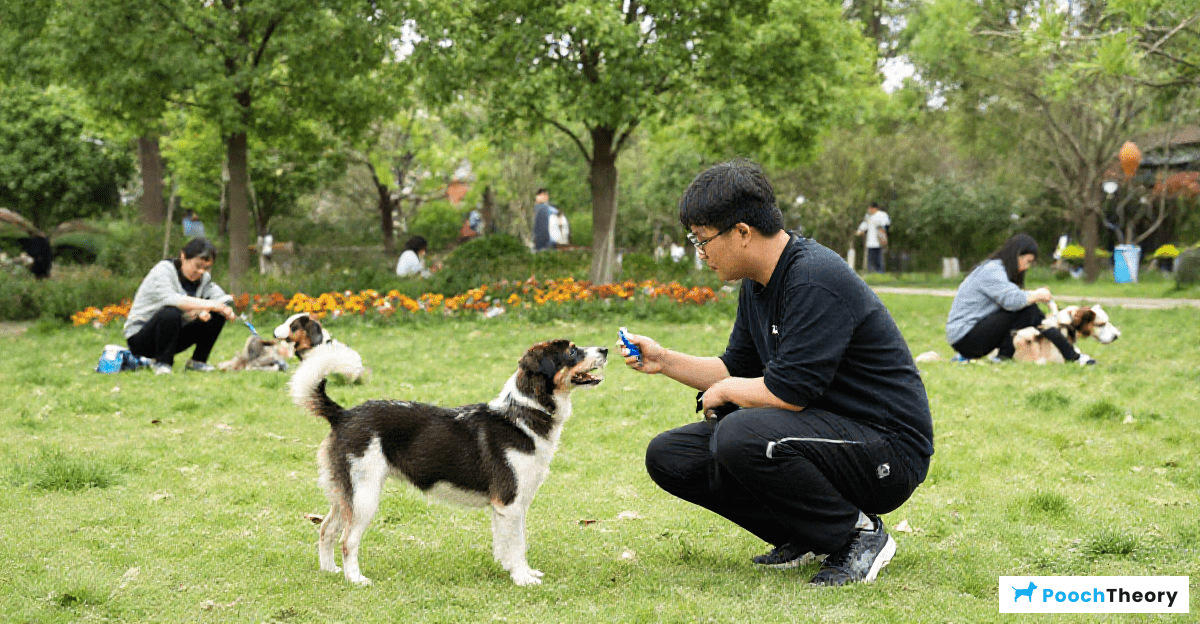
As you conclude the initial stages of your dog training journey, it’s essential to recognize the progress made and the bond developed with your furry companion. To ensure continued success, regular practice of learned commands should be integrated into your daily routine. Engaging in activities like agility courses, scent work, or fun tricks keeps your dog’s mind active and improves their physical fitness.
Exploring new challenges fosters a deeper relationship and can make training exciting for both you and your dog. The benefits of socialization cannot be overstated. It plays a crucial role in preventing fears and anxieties, providing your dog with a more balanced temperament. Learn more about effective socialization techniques.



