

Understanding Marker Training
Marker training is a method in dog training that utilizes a distinct sound or visual cue, known as a marker, to indicate that a desired behavior has been successfully performed. This technique is rooted in the principles of operant conditioning, where behaviors are modified through rewards. The marker is typically a clicker or a verbal cue like “yes!” that signals to the dog that they will receive a reward, such as a treat or praise, for their action.
The process begins by pairing the marker with a reward until the dog associates the sound or cue with a positive outcome. Over time, the marker becomes a powerful signal that reinforces good behaviors, effectively communicating to the dog when they are on the right track. This positive reinforcement encourages the dog to repeat these desired actions, making training more efficient and enjoyable for both the dog and the trainer.
A critical aspect of marker training is its emphasis on timing; the marker must be delivered immediately following the behavior to ensure the dog makes the connection. For effective marker training, consistency and clarity in cues are essential, as they help the dog learn faster and reduce confusion. Many trainers have reported significant success using this method, as it fosters a strong bond between the dog and handler through positive experiences and feedback [1].
Clicker Training: Techniques and Advantages
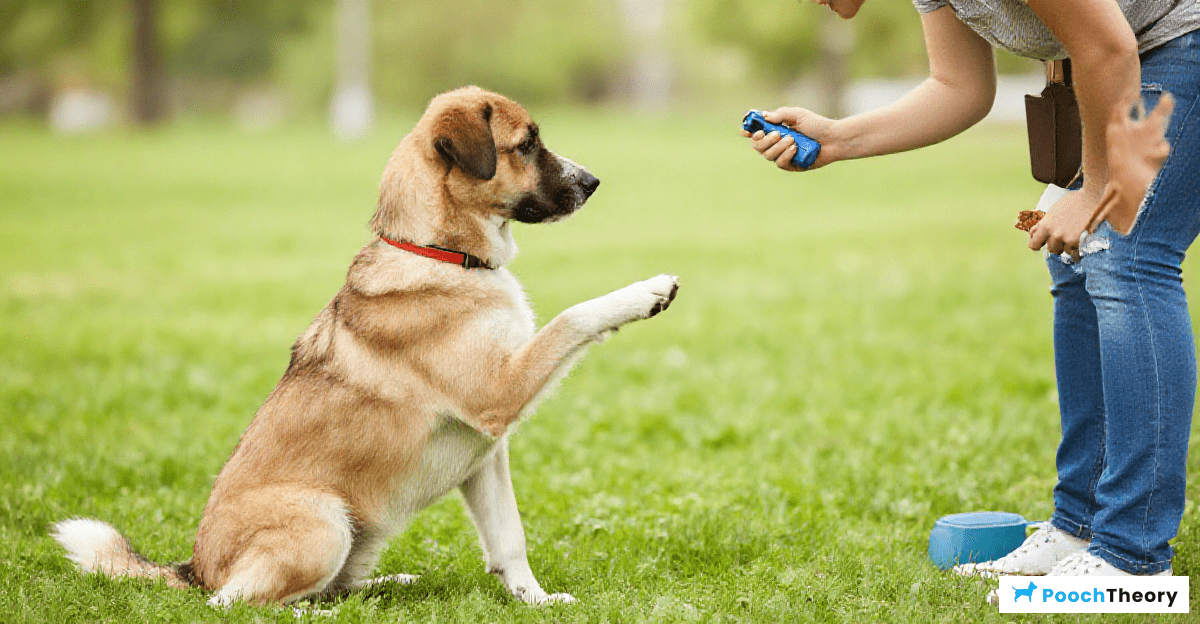
Clicker training is a popular tool in dog training that uses a sound, typically produced by a small handheld device, to mark desired behaviors. The fundamental principle behind this method is positive reinforcement, where the click sound signals to the dog that they performed a good action and they will receive a reward, usually a treat or praise, shortly after the click. This combination creates a clear communication method between the trainer and the dog, enhancing learning efficacy.
Here are some specific techniques used in clicker training:
- Association: Initially, the dog must learn to associate the click sound with positive reinforcement. This is usually done by clicking and immediately giving a treat. The dog begins to understand that the click signals a reward.
- Shaping Behavior: Once the dog understands the association, the trainer can use the clicker to reinforce successive approximations of the desired behavior.
- Timing: The effectiveness of clicker training largely depends on timing; the click should happen immediately when the dog performs the desired behavior.
- Gradual Decrease of Rewards: As the dog learns, treats can be given less frequently while still using the click sound.
Clicker training offers several advantages, including clear communication, a focus on positive reinforcement, versatility, and the ability to effectively modify behavior, making training enjoyable for both the handler and the dog [2].
Comparing Marker and Clicker Training

Marker training and clicker training are popular methods in dog training, each with distinct features and effectiveness. Marker Training utilizes a verbal or physical cue to indicate the desired behavior. The key here is that the marker serves to bridge the gap between the behavior and the reward, creating a clear signal that helps dogs connect their actions to the consequences that follow. In contrast, Clicker Training employs a small device that makes a clicking sound to mark desirable behaviors, providing a consistent and immediate form of feedback [3].
In effectiveness, both methods rely on the principles of positive reinforcement. While some trainers may find clickers more precise for intricate tasks, others might prefer the simplicity of marker training. Ultimately, the choice often depends on the dog’s response and the trainer’s preferences. Exploring both methods can be invaluable for reaching training goals.
Choosing the Right Training Method for Your Dog

The discussion surrounding dog training techniques underscores the importance of methodology in shaping canine behavior. Two predominant approaches are positive reinforcement and compulsion-based training, each presenting unique advantages. Positive reinforcement, which rewards desired behaviors with treats or praise, fosters a trust-based relationship between the dog and owner [4]. In contrast, compulsion training, which relies on corrective measures to discourage undesirable behaviors, can yield immediate results but may lead to increased stress in dogs.
Ultimately, the choice of training method can significantly impact a dog’s learning experience and relationship with their owner. For those interested in exploring effective strategies and understanding the nuances of training methods, resources such as the Ultimate Guide on Dog Training and the Bubble Theory Dog Training Guide offer valuable insights. Balancing effective training with compassion is essential for nurturing a well-adjusted canine companion.
Conclusion
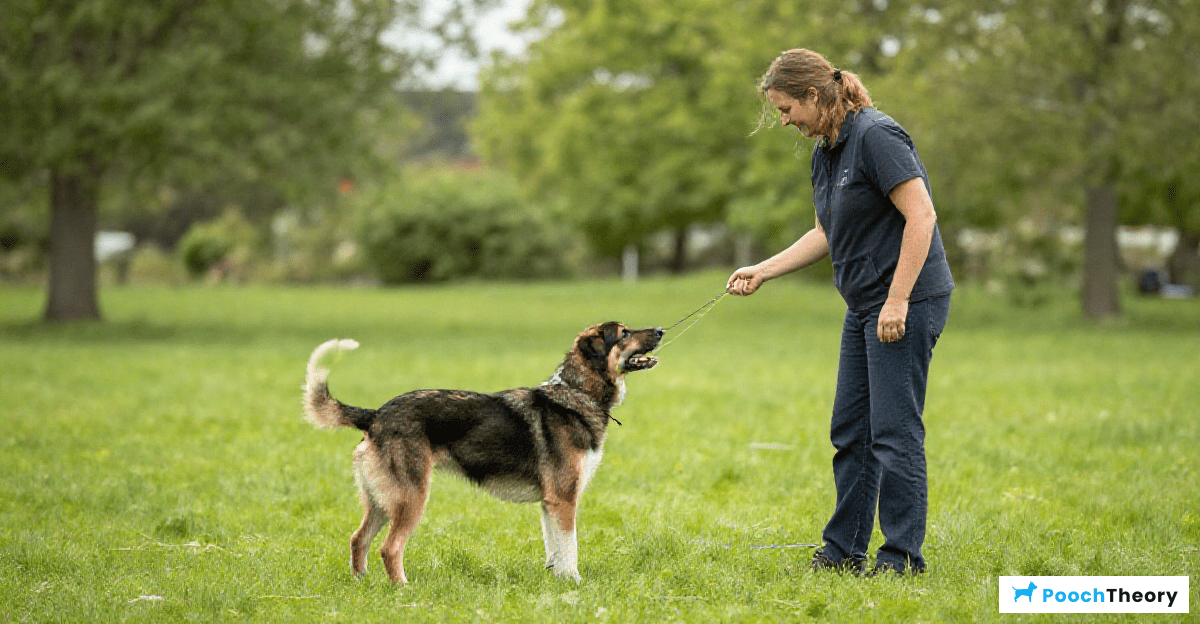
Whether you’re opting for marker training or clicker training, understanding the strengths and applications of each method will provide a more rewarding experience for both you and your dog. Emphasizing positive reinforcement in training ensures a supportive environment for your canine friend while enhancing your bond.



