

Why Do Puppies Chew?
Puppies chew for various natural reasons, influenced by their instincts and developmental needs. Chewing is primarily associated with teething, a phase that typically starts around two weeks of age and can last until approximately six months. During this time, puppies experience discomfort as their baby teeth give way to adult teeth, prompting them to seek relief through chewing. Providing suitable chew toys can alleviate this discomfort while directing their chewing behavior away from furniture and other household items.
Additionally, the chewing instinct is rooted deeply in a dog’s ancestry. Wild canines chewed on bones not only to relieve discomfort but also to access nutrients found in marrow. This instinct persists in domestic puppies today, manifesting as a need to chew on various objects. According to the American Kennel Club, puppies often lick or chew to explore their environment and relieve anxiety, similar to how young animals interact with their mothers for comfort and sustenance. Chewing also serves as an important tool for mental stimulation, helping puppies develop their jaw strength and coordination.
To support a puppy’s chewing behavior positively, it is essential to provide designated chew items that are safe and appropriate for their developmental stage. This engagement not only satisfies their instinctual urges but also fosters better behavior and aids in their transition into adulthood.
Redirecting Your Puppy’s Chewing Behavior
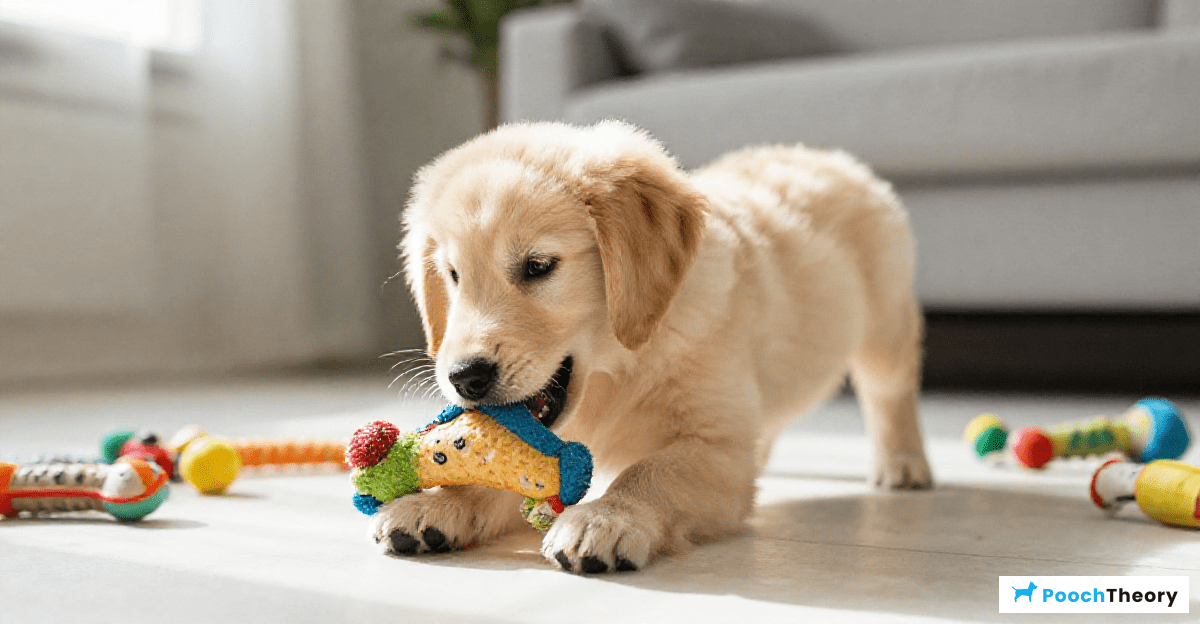
Redirecting your puppy’s chewing behavior from furniture and household items to appropriate toys is crucial for maintaining a harmonious home. Here are some effective strategies to achieve this:
- Provide a Variety of Chew Toys: Offer different types of chew toys to cater to your puppy’s preferences. From rubber toys to plush ones and even chew sticks, variety can keep your puppy engaged. For example, toys that squeak may capture their interest more than silent options. Research suggests that dogs can learn to associate the names of their toys with positive experiences, which can further encourage play (NBC News).
- Redirecting Attention: When you catch your puppy chewing on something inappropriate, gently redirect their attention to a toy. Use a lively tone and encourage engagement with the toy instead. This method teaches them that chewing is acceptable on their toys but not on furniture or shoes.
- Positive Reinforcement: Reward your puppy whenever they choose their toys over furniture. Reinforcement can be in the form of treats, praise, or affection. This approach leverages their natural instincts to continue the behavior that earns them rewards.
- Incorporate Interactive Play: Engage your puppy in games that involve toys. Activities like fetch or tug-of-war not only provide physical exercise but also strengthen their bond with their toys. Consistent playtime helps establish a preference for toys over household items.
- Deterring Products: Consider using pet-safe deterrent sprays on furniture items that are regularly chewed. The unpleasant taste will discourage your puppy from chewing these items while promoting the use of their toys instead.
- Establish a Chewing Zone: If your puppy tends to chew on specific items, create a designated area with their toys. This space can act as a safe haven where they can chew freely without the temptation of unwanted items.
- Monitor Playtime: Supervise your puppy during play to ensure they engage with their toys and not your belongings. This helps in correcting any bad habits early on and reinforces the appropriate choices they make.
Implementing these strategies consistently can help transform your puppy’s chewing habits and ensure a happier, less destructive environment.
Incorporating Playtime into Your Puppy’s Routine
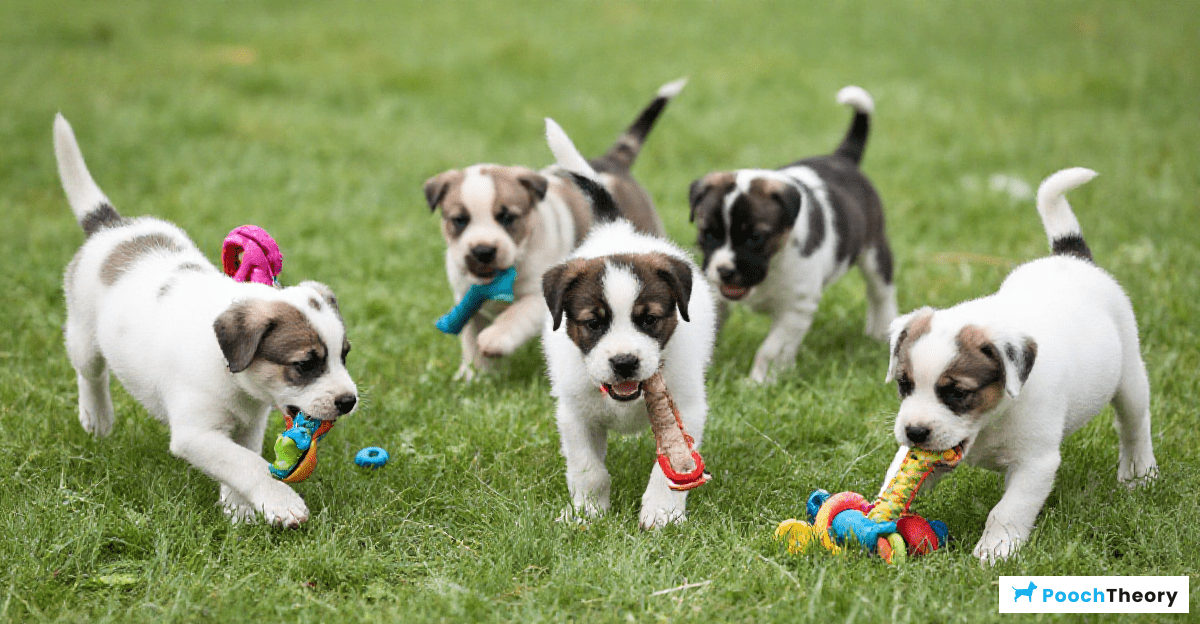
Incorporating toy play into your puppy’s daily routine is critical in nurturing their physical and mental wellbeing. Here are strategies to effectively weave playtime into their schedule:
- Set a Play Schedule: Puppies thrive on routine. Designate specific times during the day for play sessions, ideally several short bursts lasting 5 to 10 minutes each. This mimics their natural energy levels and reinforces the habit of play as part of their daily life.
- Select Engaging Toys: Choose toys that pique your puppy’s interest and match their chewing habits. Toys that squeak, crinkle, or dispense treats can captivate their attention and promote longer playtime, fostering an environment of exploration and learning [Source 1].
- Combine Training with Play: Use playtime as an opportunity to reinforce training commands. Encourage your puppy to fetch or participate in interactive games, which can serve as positive reinforcement.
- Introduce Variety: To keep your puppy engaged, rotate their toys frequently. This can help prevent boredom and encourage curiosity, channeling their energy more productively.
- Conclude with Positivity: Finish each play session positively. Ending playtime on a joyful note helps your puppy associate these moments with happiness, making them more eager for future play sessions.
Integrating these elements into your puppy’s daily routine will ensure they receive the mental and physical stimulation necessary for healthy development while deepening the bond between you both.
Using Positive Reinforcement

Positive reinforcement is a powerful tool for training a puppy to choose appropriate toys over inappropriate items. Start by creating a positive association with toys when your puppy plays with them. Offer verbal praise, treats, or engage in playtime whenever your puppy interacts with their toys.
For example, if your puppy picks up a toy instead of an inappropriate item like a shoe, promptly reward this behavior with a treat and enthusiastic praise. This reinforces the idea that choosing toys leads to positive outcomes. Consistency is key; make sure that every time your puppy opts for the correct item, they are rewarded, encouraging them to repeat this desired behavior.
Additionally, utilize a technique called “redirect and reinforce.” If you catch your puppy chewing on something inappropriate, calmly redirect them to an acceptable toy. Once they begin playing with the toy, reinforce this decision with treats or affection. Engaging toys, such as interactive or smart dog toys, can heighten your puppy’s attention towards appropriate items [Source].
Ultimately, consistency, patience, and using varied rewards will help your puppy understand the difference between appropriate toys and other items.
Monitoring Your Puppy’s Progress
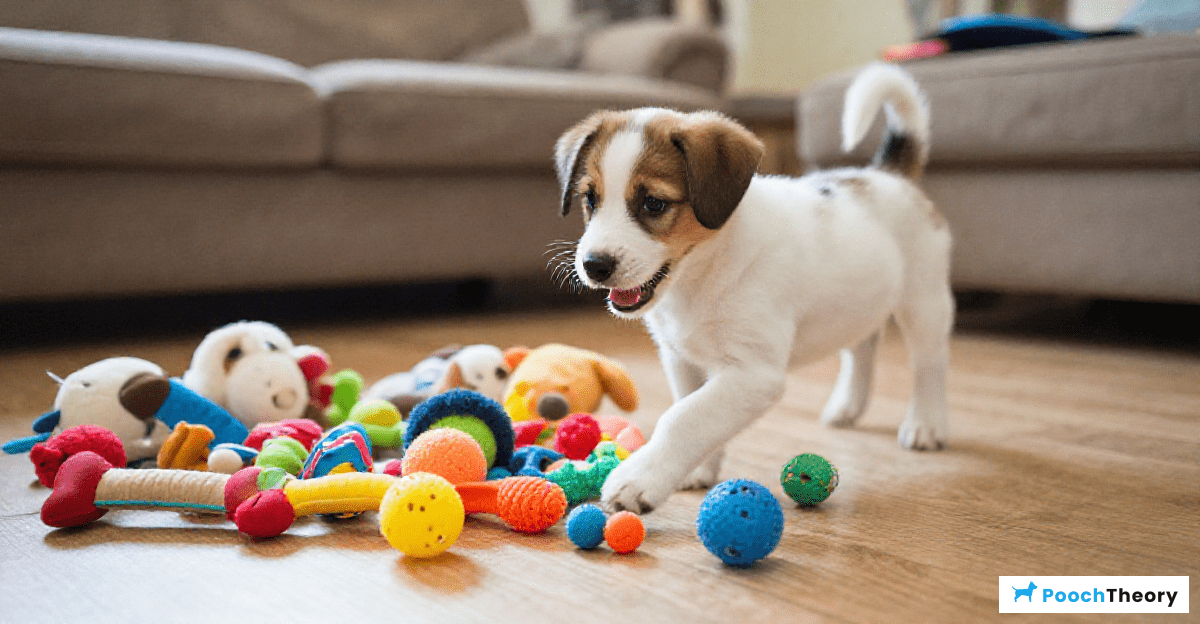
Monitoring your puppy’s progress involves carefully tracking behavioral changes and making necessary adjustments to training strategies. Here are some effective techniques to help you monitor and respond to your puppy’s development:
- Maintain a Behavior Journal: Document your puppy’s daily behaviors, including responses to commands, social interactions, and any notable changes in temperament. This journal can help identify patterns over time.
- Set Specific Goals: Clearly define what behaviors you want to encourage or discourage. For example, if you’re potty training, track when and where your puppy tends to have accidents. This allows you to adjust your schedule for bathroom breaks and reward successes appropriately.
- Observation Techniques: Spend time observing your puppy in various settings. Look for changes like increased reactivity or anxiety in certain environments. The information gathered can inform modifications in your training approach.
- Use Positive Reinforcement: When a behavior improves, reinforce it with treats, praise, or playtime. Likewise, when behavior regresses, consider adjusting your training methods.
- Review with Professional Guidance: Consult a professional trainer for periodic assessments. They can offer insights on your puppy’s growth and behavior, helping you tweak your training strategies as necessary.
By tracking these changes and making informed adjustments, you can ensure your training efforts are effective and responsive to your puppy’s needs.
Recognizing Behavioral Issues
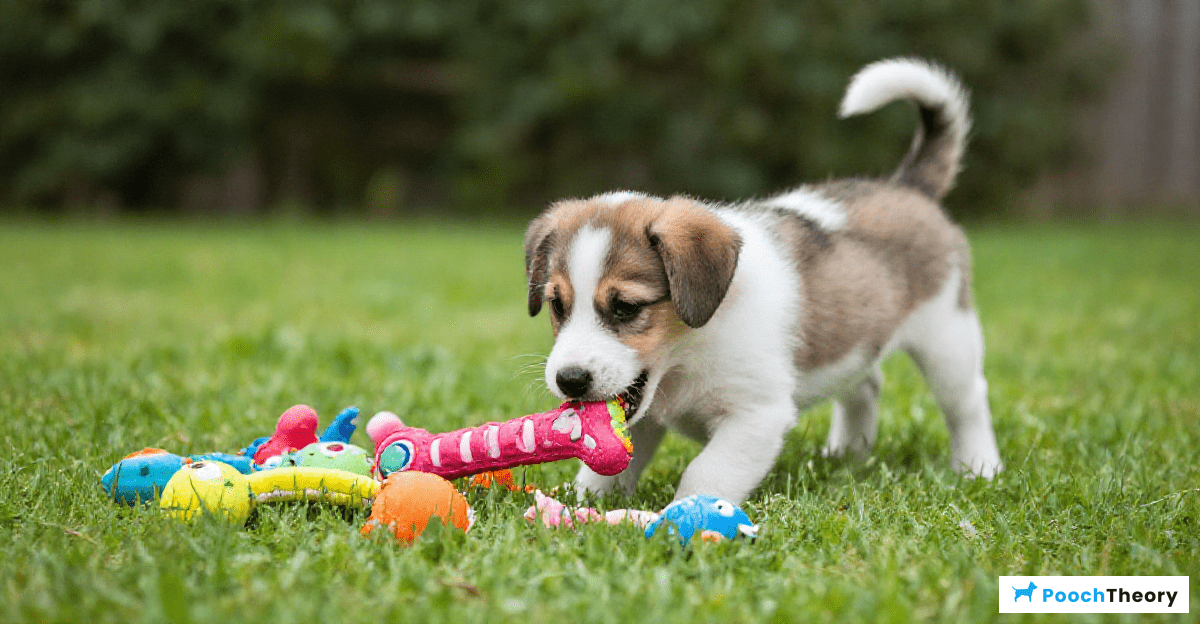
Recognizing when your dog’s chewing habits may signal a deeper behavioral issue is essential for their well-being and your peace of mind. Here are key indicators that professional help may be necessary:
- Excessive Chewing: If your dog chews destructively and excessively, it might be a sign of anxiety or boredom. Dogs with separation anxiety often engage in destructive behaviors when left alone, including excessive chewing.
- Changes in Behavior: A sudden increase in chewing can indicate stress or discomfort. Changes such as introducing new pets can cause anxiety-driven chewing.
- Inability to Control Behavior: If your dog continues to chew despite positive reinforcement and training efforts, professional assistance may be warranted.
- Health Issues: Sometimes, chewing can be linked to underlying health problems. Regular veterinary check-ups can rule out medical causes for excessive chewing.
If you recognize these signs, consider seeking help from a qualified dog trainer or a veterinary behaviorist. Professionals can provide comprehensive assessments tailored to effectively address your dog’s chewing behavior.



