


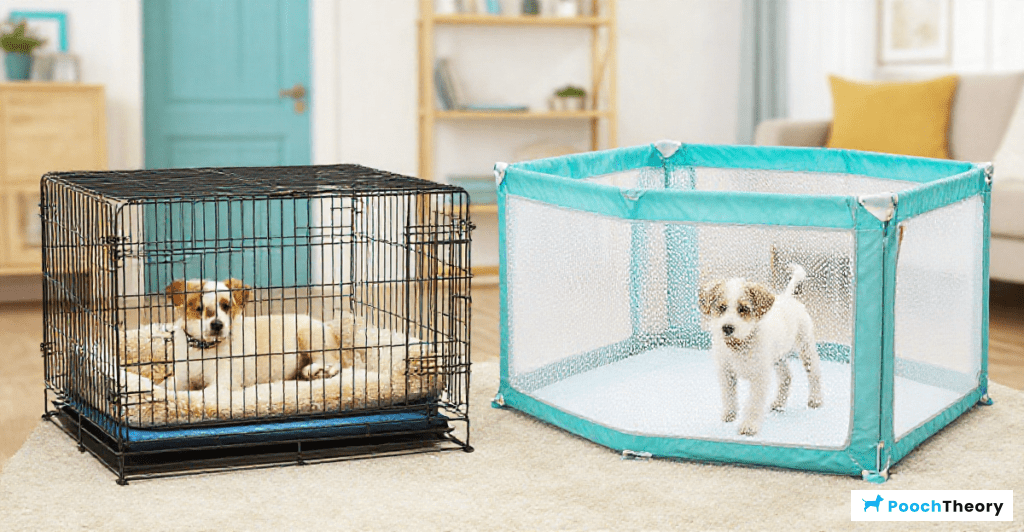
Choosing Between Crates and Playpens for Apartment Living
Understanding Crates
In apartment living, the selection between crates and playpens for your puppy is crucial. Crates provide a den-like space that ensures your puppy feels safe and secure, serving also to manage behavior while you are not available to supervise. This makes them ideal for crate training, which can be essential in teaching your puppy proper boundaries and reducing anxiety when left alone. According to experts, using a crate helps puppies develop a sense of structure, which is beneficial in an apartment setting where space may be limited [source].
A crate is a secure enclosure designed to provide a safe space for puppies and dogs, often used for training and transport. These enclosures are made from various materials such as plastic, metal, or fabric, and come in different sizes to accommodate varying dog breeds. Crates are crucial for house training as they leverage a dog’s natural instinct to keep their living space clean. They help puppies learn bladder control and reduce accidents indoors.
Using a crate can ease transitions for puppies, especially during travel or when they need to be temporarily confined. Additionally, crates can prevent destructive behavior caused by boredom or anxiety when left alone. Proper introduction to a crate is essential; it should include positive reinforcement, such as treats and toys, to ensure puppies associate the crate with safety and comfort, as described in this guide on puppy crate scheduling. If done correctly, crate training can be a valuable tool in a puppy owner’s toolkit, fostering a well-adjusted and happy pet.
Exploring Playpens
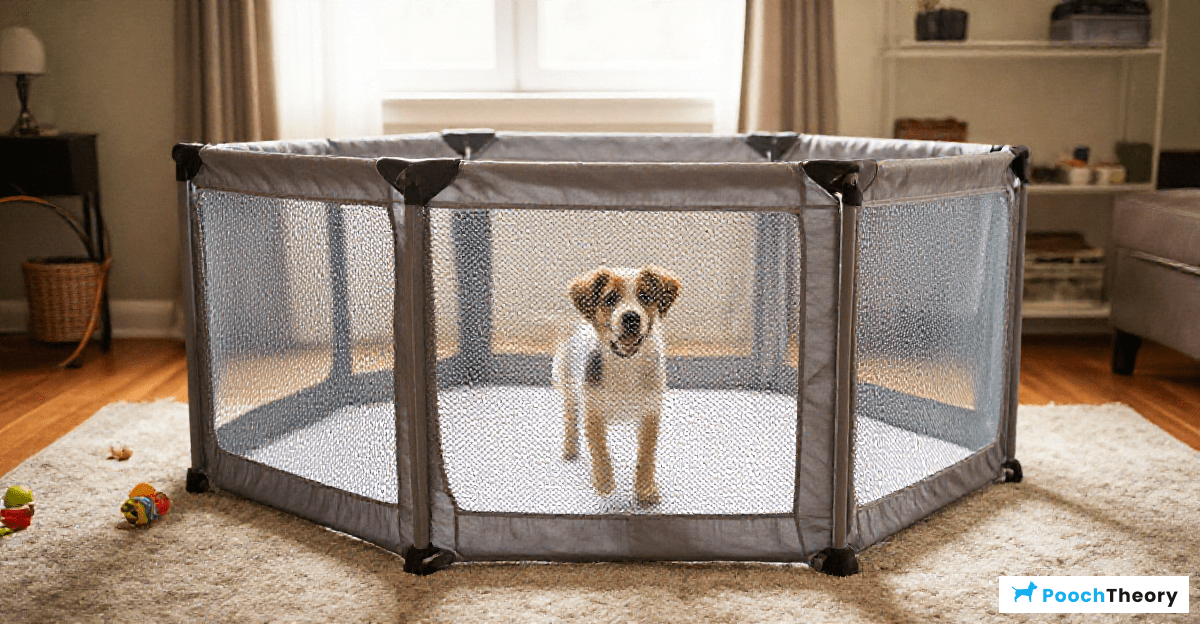

On the other hand, playpens offer more versatility, allowing puppies to move freely and socialize while remaining contained. This can be particularly advantageous in an apartment, as it occupies a designated area where your puppy can play without causing damage or getting into trouble. Playpens can also be expanded or moved as needed, providing a flexible solution for small homes [source].
Playpens are typically constructed from materials such as plastic or metal and can be set up indoors or outdoors. They come in various shapes and sizes, allowing pet owners to select a configuration that fits their living space and the needs of their dog. One major benefit of using a playpen is the socialization and stimulation it provides. Unlike crates—where the dog may feel isolated—playpens allow for interaction with family members while maintaining a safe environment.
Furthermore, playpens encourage healthy play by allowing puppies to engage with their surroundings at their own pace. This autonomy can lead to a more balanced emotional state, reducing the likelihood of aggression or anxiety when they are later exposed to larger spaces or other pets. As puppies learn to control their impulses and develop social skills, the playpen serves as a tool for building confidence. For additional information on dog training and maintaining a positive environment for your pet, consider exploring our articles on effective dog training and how to socialize a dog.
Comparing Crates and Playpens
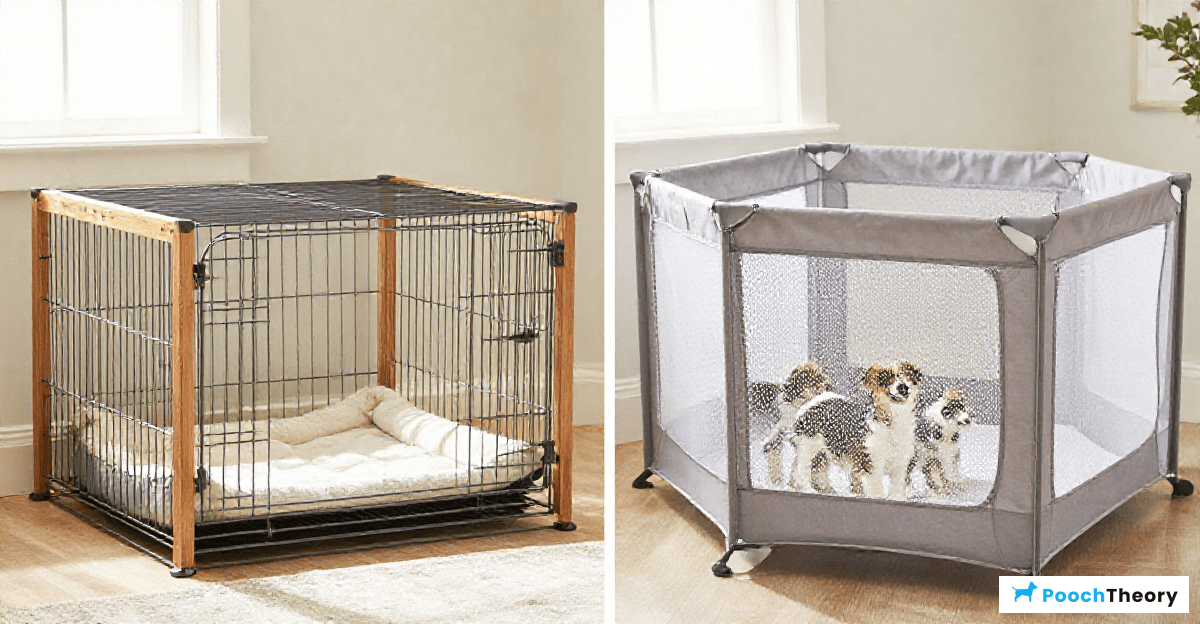
When choosing between a crate and a playpen for apartment living, several key factors should be considered to ensure the well-being of your dog.
- Space Limitations: Crates take up less floor area, which can be advantageous for smaller living spaces, while playpens offer more room for a dog to move around.
- Safety: Keeping your dog safe is paramount. A crate can prevent dogs from chewing furniture or getting into hazardous items while unsupervised.
- Comfort and Relaxation: Crates often become a sanctuary for dogs, offering them a place to escape the hustle of apartment life.
- Training Needs: Crates can assist in housebreaking and teaching your dog to feel comfortable being alone.
- Lifestyle Compatibility: Consider your lifestyle and how each option aligns with your daily routine.
In selecting between a crate and a playpen, weigh these considerations to find the best fit for your and your dog’s lifestyle in an apartment setting.
Conclusion
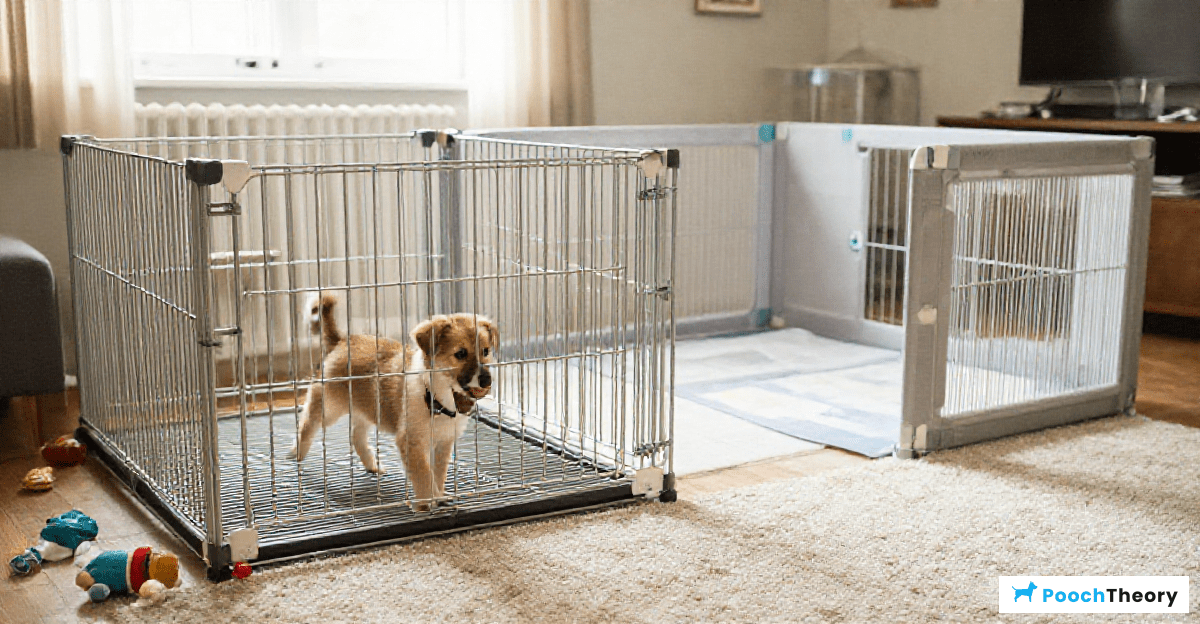
In conclusion, the choice of dog training methods can significantly impact the well-being of dogs and their owners, especially in apartment settings. A balanced approach that combines physical exercise, mental stimulation, and consistent training will ensure that both dog and owner thrive in their apartment lifestyle. For those looking for more specific guidance, exploring resources like our article on potty training in apartments can offer further insights.
Sources
- Los Angeles Times – Preschool Playground Game Changer
- Newsweek – Apartment Dog Realizes First Backyard Response
- AP News – Westminster Dog Show Agility
“`