

Understanding Your Puppy’s Natural Instincts
Understanding your puppy’s natural instincts is essential for meeting their needs effectively. Puppies, much like their wild ancestors, have innate behaviors that prompt them to seek relief at certain times. They typically feel the instinct to relieve themselves after waking up, during or after eating, and after play sessions. This instinct stems from their time spent with their mother, who often nudges them to eliminate in a designated area to keep the den clean.
Training your puppy to understand where it is appropriate to relieve themselves is crucial—a journey that can involve repetition and positive reinforcement. A consistent schedule for outside breaks can help align your puppy’s natural needs with your household routine. As stated by the American Kennel Club, understanding these instincts allows for more effective potty training, reducing accidents inside the home and fostering a strong bond between you and your puppy.
Additionally, behavioral socialization is ongoing; as puppies are small and full of curiosity, they often lick and explore, which can be a way of communicating with their environment and their caregivers. Puppies may also exhibit behaviors such as following their owners or other dogs when they relieve themselves, which indicates a need for social reassurance. Recognizing these natural impulses can lead to enhanced training experiences and a more compassionate understanding of your puppy’s behavior. For further insights on puppy behavior and effective training tips, check out our articles on the Ultimate Guide to Dog Training and how to socialize a dog.
Establishing a Consistent Bathroom Routine
Establishing a consistent bathroom routine is critical for successful puppy potty training. Here are effective strategies to develop this routine:
- Set Regular Times: Take your puppy out first thing in the morning, after meals, and before bedtime. Usually, puppies need to relieve themselves shortly after eating or drinking. Aim to take them out at least every two hours during the day to prevent accidents and encourage them to understand the correct times for bathroom breaks.
- Choose a Designated Spot: Always take your puppy to the same spot outside for bathroom breaks. The familiar scent will signal to them that this is the place to go.
- Use Commands: As you take your puppy outside, use a consistent verbal cue like “go potty” or “take a break.”
- Positive Reinforcement: Praise your puppy immediately after they go potty in the designated area. A quick treat or enthusiastic praise can significantly help in establishing this positive association.
- Watch for Signs: Be observant of signals that your puppy needs to go out, such as sniffing, circling, or whining. When you notice these cues, take them out promptly.
- Limit Space Indoors: If you’re not able to supervise, consider using a crate or confining your puppy to a small area.
- Keep a Schedule: Maintain a consistent feeding schedule as it contributes to regular bathroom habits.
Implementing these strategies consistently will help your puppy understand when and where to go, leading to fewer accidents and an overall smoother potty training experience. For further insights on puppy training techniques, you might find our article on the ultimate guide to dog training very helpful.
Choosing a Designated Bathroom Spot
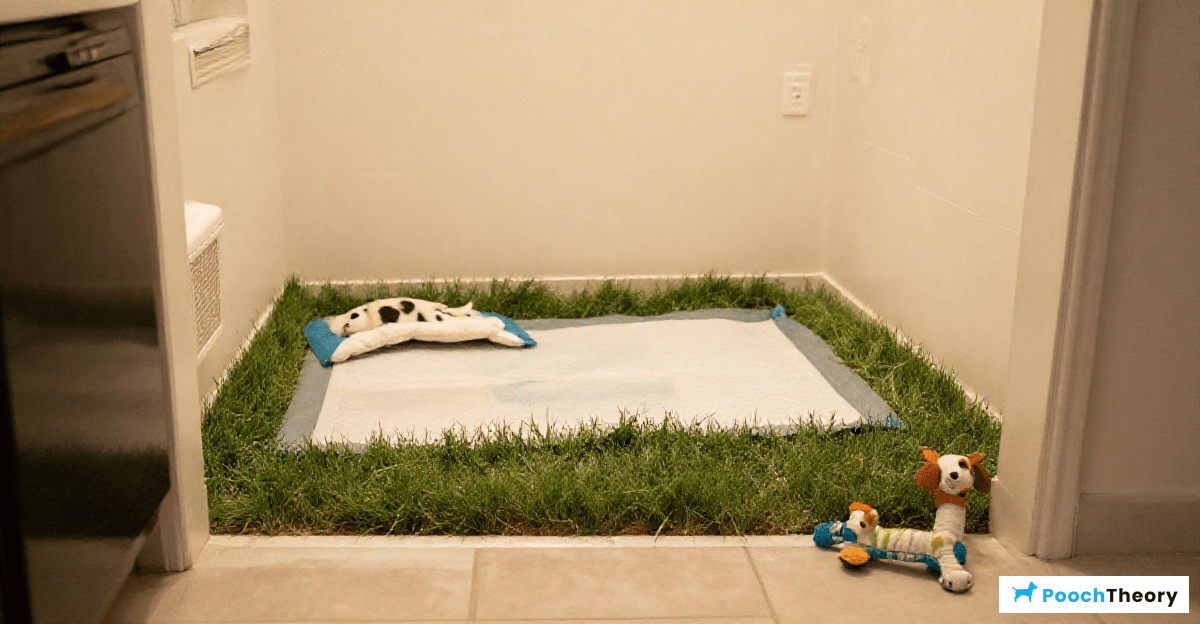
To effectively choose a designated bathroom spot for your puppy, consider the following tips:
- Location: Select an outdoor area that is easy to access and quiet, away from high-traffic or loud environments.
- Consistency is Key: Take your puppy to the same spot each time you want them to go potty.
- Minimize Distractions: Choose a place that doesn’t have excessive stimulation, such as nearby dogs or people.
- Encourage with Commands: Use specific verbal cues like “go potty” each time you bring your puppy to their designated spot.
- Positive Reinforcement: Once your puppy goes potty in the chosen spot, immediately reward them with praise or a treat.
- Weather Considerations: Ensure the bathroom location is weather-friendly to help your puppy feel comfortable.
- Clean Up: Regularly clean the area to maintain hygiene and encourage your puppy to use the spot consistently.
By following these tips, you can create an effective and positive bathroom experience for your puppy outside. For more detailed training insights, you might find this ultimate guide to dog training helpful.
Teaching Commands for Bathroom Breaks
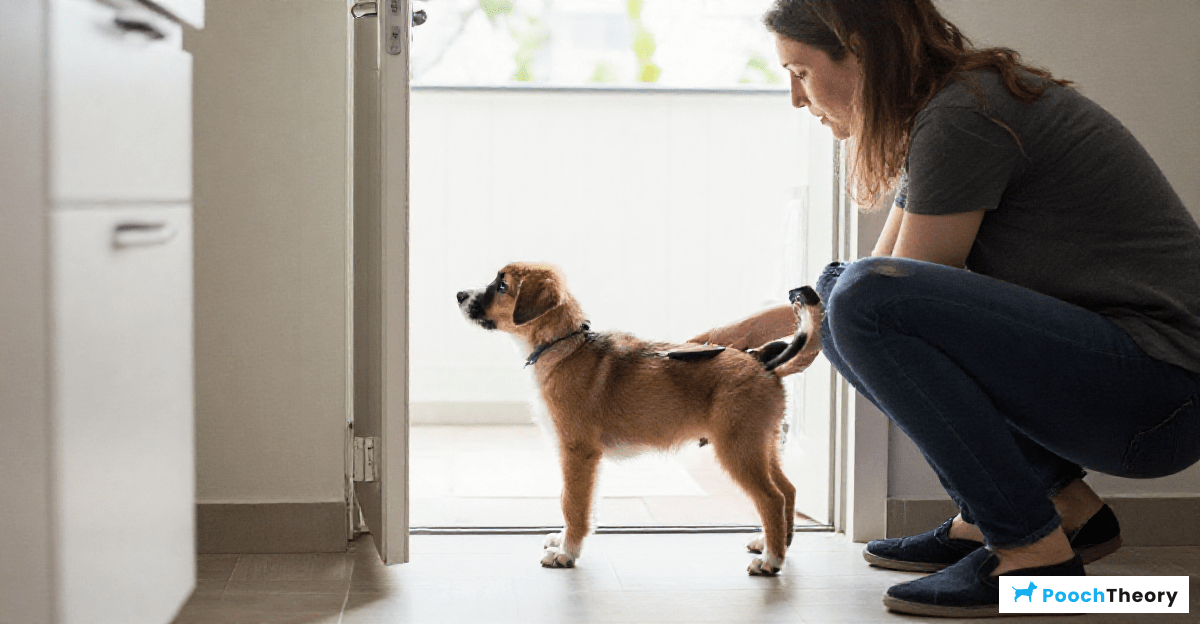
Teaching commands for bathroom breaks and reinforcing good behavior with praise are essential components of effective puppy training. To successfully train your puppy, start by establishing clear commands such as “go potty.” Use these commands consistently every time you take your puppy outside. Regularly repeating the command can build their understanding.
In addition to commands, the role of praise cannot be overstated. Every time your puppy successfully goes to the bathroom outside, offer enthusiastic praise and possibly a small treat to reinforce the behavior. This positive reinforcement makes your puppy more likely to repeat the action in the future. Studies indicate that dogs thrive on rewards, and the more excitement you show, the more motivated they will feel to comply with your commands.
As your puppy becomes more adept at going outside for bathroom breaks, you can introduce other commands like “wait” or “to the door” to guide them to the appropriate area without confusion. Patience and consistency, along with positive reinforcement, will significantly contribute to easier potty training and a stronger bond with your puppy. For more tips on successful dog training techniques, consider reading our ultimate guide to dog training.
Recognizing Signs Your Puppy Needs to Go Outside
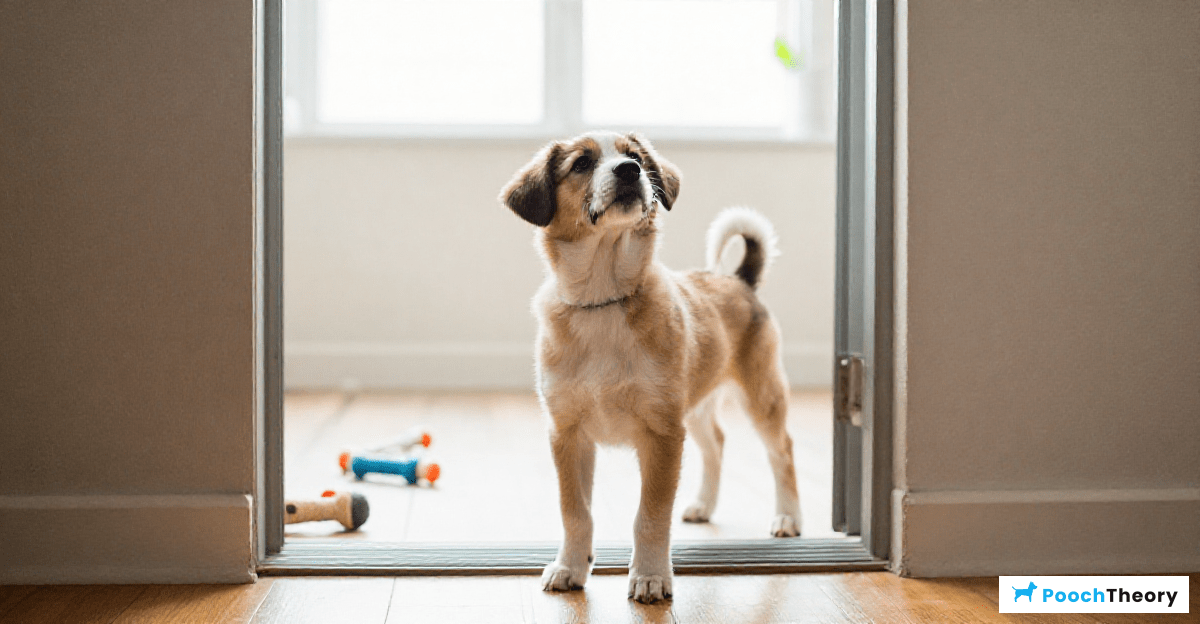
Recognizing signs that your puppy needs to go outside is crucial for maintaining a clean home and ensuring your pet’s well-being. Here are key indicators to watch for:
- Restlessness: Puppies often show discomfort when they need to relieve themselves. If your puppy begins pacing, whining, or trying to get your attention, this is a clear sign that it’s time to head outside.
- Sudden Interest in Doors or Windows: A puppy that jumps at the door or stares longingly out the window may be signaling their need to go out.
- Barking or Whining: If your puppy barks or whines persistently, especially at the door, they likely need a bathroom break.
- Squatting or Marking Behavior: If you catch your puppy squatting or attempting to mark territory inside, this indicates they need to go outside immediately.
Tips to Prevent Accidents
- Establish a Routine: Taking your puppy out at regular intervals helps establish a predictable routine.
- Positive Reinforcement: Reward your puppy when they go outside at the right time.
- Watch for Early Signs: Stay vigilant for these signs, especially during the early months of potty training.
By being proactive and attentive to these signals, you’ll help your puppy develop good habits and maintain a clean living space. For additional training resources, consider our article on preventing unwanted behaviors.
Managing Indoor Accidents During Training
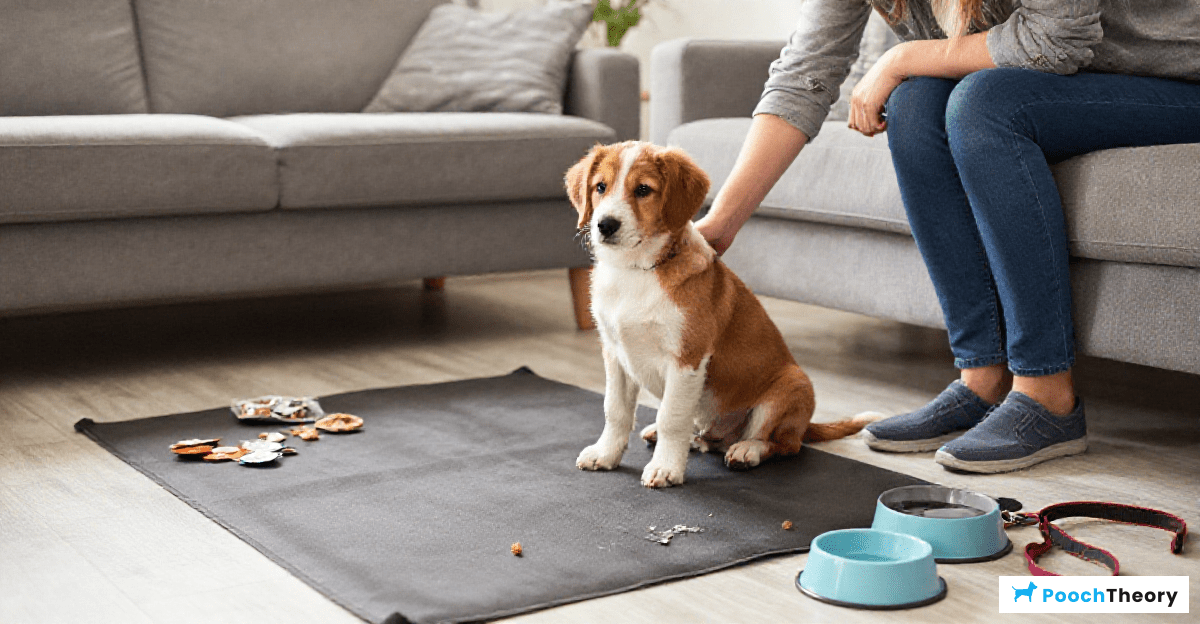
Indoor accidents during dog training can be stressful for both you and your pet, but how you handle these situations plays a crucial role in maintaining a positive training environment. Here are some effective strategies:
- Stay Calm and Collected: When accidents happen, it’s essential to remain calm. Dogs can sense your emotions, and if you react negatively, it may increase their anxiety.
- Immediate Cleanup: Swiftly clean up the mess using an enzyme-based cleaner to neutralize odors that may encourage your dog to return to the same spot.
- Understand the Triggers: Assess the circumstances surrounding the accident to identify patterns that lead to future incidents.
- Reinforce Positive Behavior: Focus on rewarding desirable behaviors rather than punishing your dog for accidents.
- Designate a Safe Space: Create a comfortable area for your dog where they can retreat and feel secure.
- Regular Bathroom Breaks: Establish a consistent bathroom schedule to help your dog learn when it’s appropriate to relieve themselves.
By managing indoor accidents effectively, you foster a healthier and more supportive training environment for your dog. For further insights on creating an effective training strategy, consider exploring our guide on home training tips and techniques.
Transitioning to Outdoor Bathroom Breaks
Transitioning your dog from using indoor potty options to solely relying on outdoor bathroom breaks can be a seamless process with the right strategies. Here are key steps to facilitate this transition:
- Establish a Routine: Create a consistent schedule for outdoor bathroom breaks.
- Use Positive Reinforcement: Reward your dog every time they successfully go outside.
- Gradual Reduction of Indoor Options: Begin by gradually removing indoor potty options.
- Create a Designated Outdoor Area: Designate a specific spot as their bathroom area.
- Monitor and Manage Accidents: Expect some accidents during the transition, and manage them without punishment.
- Be Patient: Understand that some dogs may take longer to adjust than others.
By following these strategies diligently, you can help your dog adapt to outdoor bathroom breaks successfully. For further insights into dog training techniques and tips, consider visiting resources on training techniques tailored for different environments.
References
- AP News – Dogs Learning Toy Names
- Forbes – 5 Ways to Make Your Dog Happier This Year
- Newsweek – Dachshund Puppy Drinks Water
- American Kennel Club – Potty Training Your Puppy
“`



