

Why Dog Training is Crucial for Children
Dog training is crucial for children as it fosters a deeper bond between them and their pets, enhancing mutual understanding and respect. Engaging in training together allows kids to learn essential life skills, such as responsibility, empathy, and patience. Studies show that dog training can significantly improve children’s communication skills and emotional intelligence as they learn to interpret their pet’s body language and signals. Moreover, training sessions can provide structure and consistency in a child’s life, helping them feel a sense of accomplishment when their pet successfully learns a command or trick [BBC News].
Additionally, training can serve as a bonding activity, promoting positive interactions that strengthen the child-pet relationship. This interaction not only cultivates trust but also encourages children to take part in each other’s learning processes, setting the stage for a lifetime of companionship. Training can be as simple as practicing basic commands or engaging in fun activities like agility courses, which can both stimulate the dog’s mental faculties and provide a rewarding challenge for kids.
Involving children in pet training can lead to a more harmonious household where both pets and young handlers understand expectations and develop a stronger connection, facilitating empathetic relationships that can last a lifetime [Canine Chronicle]. For more tips on enhancing your child’s relationship with dogs, check out our extensive guide on dog training techniques.
Understanding Essential Training Concepts
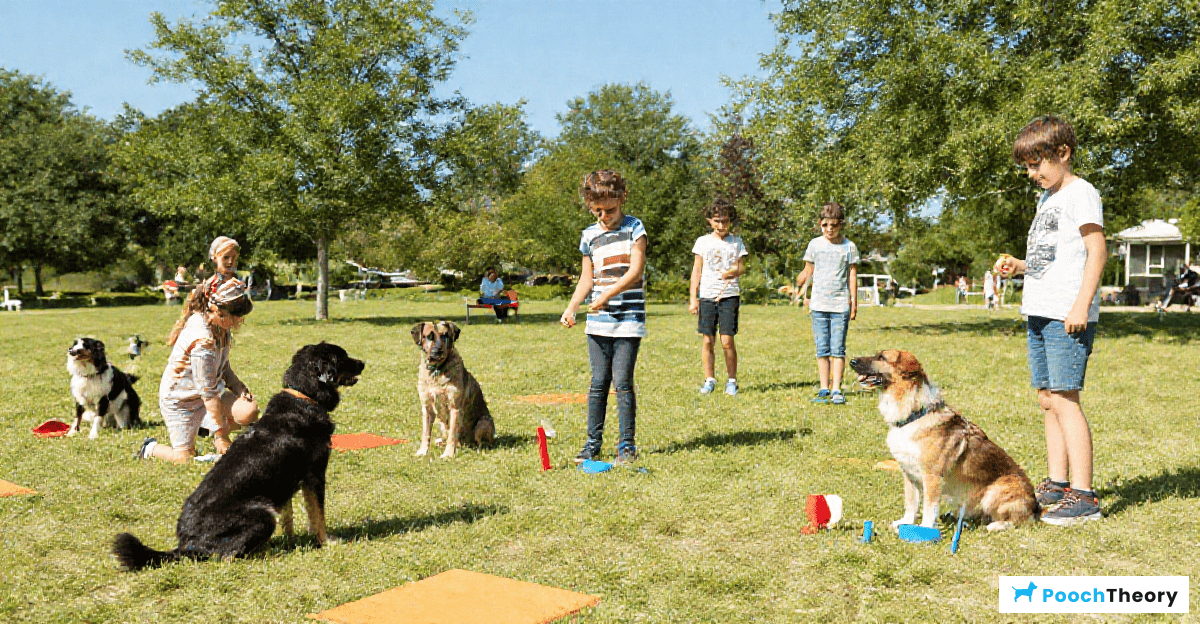
Understanding essential training concepts is crucial for kids aiming to train their dogs effectively. The foundation of successful dog training lies in a few key commands and the use of positive rewards, which help reinforce desirable behaviors.
Key Commands
Kids should learn common commands to communicate clearly with their dogs, such as “sit,” “stay,” “come,” and “leave it.” These commands serve as the building blocks of good behavior. For instance, when training a dog to “sit,” it is important to consistently reward them with treats or praise when they comply. This builds a positive association with the command, making the dog more likely to repeat the behavior. More detailed guidance on using commands can be found in our Ultimate Guide to Dog Training.
The Role of Rewards
Rewards play a pivotal role in dog training, especially for children involved in the training process. Positive reinforcement—such as treats, praise, or playtime—helps dogs understand what behaviors are desirable. For example, rewarding a dog for gently taking a treat rather than snatching it can promote good manners. Studies suggest that dogs trained with positive reinforcement are not only more obedient but also build stronger bonds with their trainers. This is especially effective for kids, as it can foster patience and empathy in the training experience (more on this can be explored in Why Positive Reinforcement is Important).
Practical Training Tips
It’s important for kids to practice patience during training sessions. Short, frequent training sessions are often more effective than longer ones, which may lead to both the dog and the child losing interest. Encouragingly, kids can also involve family members, making training a fun group activity. The practice of socializing the dog with other pets and people is vital. This can be enhanced through training techniques found in articles such as How to Socialize a Dog.
By grasping these fundamental concepts of dog training—utilizing clear commands and positive rewards—kids can not only train effectively but also develop a compassionate and joyful relationship with their four-legged friends.
Engaging Games for Dog Training

Game 1: Fetch with a Twist
To enhance your dog’s fetching skills while creating an engaging experience, try this variation of the classic game of fetch, known as “Fetch with a Twist.” This game not only encourages your dog to retrieve and return objects but also adds an additional challenge that keeps them mentally stimulated.
Materials Needed:
- A favorite toy or fetch ball
- Treats or a clicker for positive reinforcement
- A safe area for play, ideally a backyard or park
Instructions:
- Introduce the Toy: Start by showing your dog the toy. Allow them to sniff and explore it to create a positive association. Reward them with treats when they show interest in the toy.
- Establish the Fetch Command: Use a consistent command like “Fetch!” when you throw the toy. If your dog does not retrieve it immediately, you can gently encourage them by pointing or moving towards the toy.
- Create an Obstacle Course: Instead of a straightforward throw, create an exciting obstacle course using items like cones or pillows. Throw the toy over or around these obstacles to add excitement.
- Encourage Return: As your dog picks up the toy, call them back with a command like “Come!” or “Bring it here!” Utilize treats to entice them back if they hesitate.
- The Twist: Before throwing the toy again, ask your dog to perform a simple command (like “sit” or “stay”). Once they follow the command, throw the toy again.
- Repeat and Reward: Keep the sessions short but fun. After a few rounds, reward your dog with plenty of praise, affection, and treats.
- Use Incremental Challenges: Gradually increase the complexity of the course or add more commands to follow before the next throw.
Playing “Fetch with a Twist” not only strengthens your bond with your dog but also instills important training opportunities. For additional training techniques, check out our article on effective dog training methods.
Game 2: Hide and Seek
Hide and Seek is a delightful game that engages your dog’s natural instincts and enhances their olfactory skills. To play, start by showing your dog a treat or their favorite toy and then ask them to stay while you hide the item somewhere. Once hidden, release your dog and encourage them to use their nose to find the treasure.
Not only is this game entertaining, it also provides several benefits. The act of seeking treats or toys helps to exercise your dog’s brain, offering a nice outlet for their natural curiosity and hunting instincts. Engaging in such scent games can reduce anxiety and improve overall well-being in dogs, particularly for those prone to boredom or destructive behaviors due to lack of stimulation [Dogtime].
While playing, be sure to vary the difficulty level by hiding treats in more challenging spots as your dog becomes proficient. For a more structured approach to training canines, consider incorporating it into your broader training regimen using techniques covered in the Ultimate Guide to Dog Training.
Game 3: Create an Obstacle Course
Creating an obstacle course for dogs is an engaging way to boost agility and listening skills, particularly enjoyable for kids participating in the activity. To set up a simple and effective course, you can utilize common household items and outdoor spaces.
Materials Needed:
- Cones or plastic bottles to mark turns
- Hurdles using broomsticks balanced on boxes
- Pop-up tunnels or cardboard boxes for a fun passage
- Weave poles made from cones or PVC pipes
Course Design:
- Start by establishing a clear starting point for the dog.
- Place hurdles spaced apart for the dog to jump over.
- Follow the hurdles with a tunnel, encouraging the dog to run through.
- End the course with weave poles to develop agility and focus.
Guidance: Kids should guide their dogs through the course using verbal commands and hand signals. This structure not only strengthens the bond between dog and child but also aids in reinforcing obedience behaviors such as “come,” “jump,” and “through.”
Training in this interactive manner improves a dog’s physical fitness and mental stimulation, which is essential for a balanced temperament. Participating in these activities also fosters teamwork and communication skills among children, making it a fun and rewarding experience. For more detailed strategies on dog training, check out our complete guide or explore the benefits of socializing dogs through agility training in our resource on socialization.
Game 4: Simon Says for Dogs
Simon Says for Dogs is a fun way to promote obedience and improve your dog’s focus. This game tailors a classic childhood favorite for canine companions, helping them learn basic commands while having fun.
To play Simon Says, issue various commands—like “sit,” “stay,” or “come”—but only if preceded by “Simon says.” If you tell the dog to perform a command without that cue, and they follow through, it’s a missed chance for them to focus on your instructions.
As you play, progressively increase the difficulty by adding more complicated commands or introducing distractions, which helps keep your dog engaged. The more fun and rewarding the game, the more they will want to participate. This aligns with positive reinforcement techniques where dogs respond well to praise and treats for good behavior, enhancing their overall learning experience. Games like Simon Says can also be beneficial when socializing your dog, teaching them to respond to commands in different environments, making them well-rounded pets.
For more insights into effective dog training methods, check out our ultimate guide on dog training. Additionally, if you’re interested in understanding the benefits of environmental interactions during training, refer to our article on how to socialize a dog.
Safety Tips for Dog Training Around Children
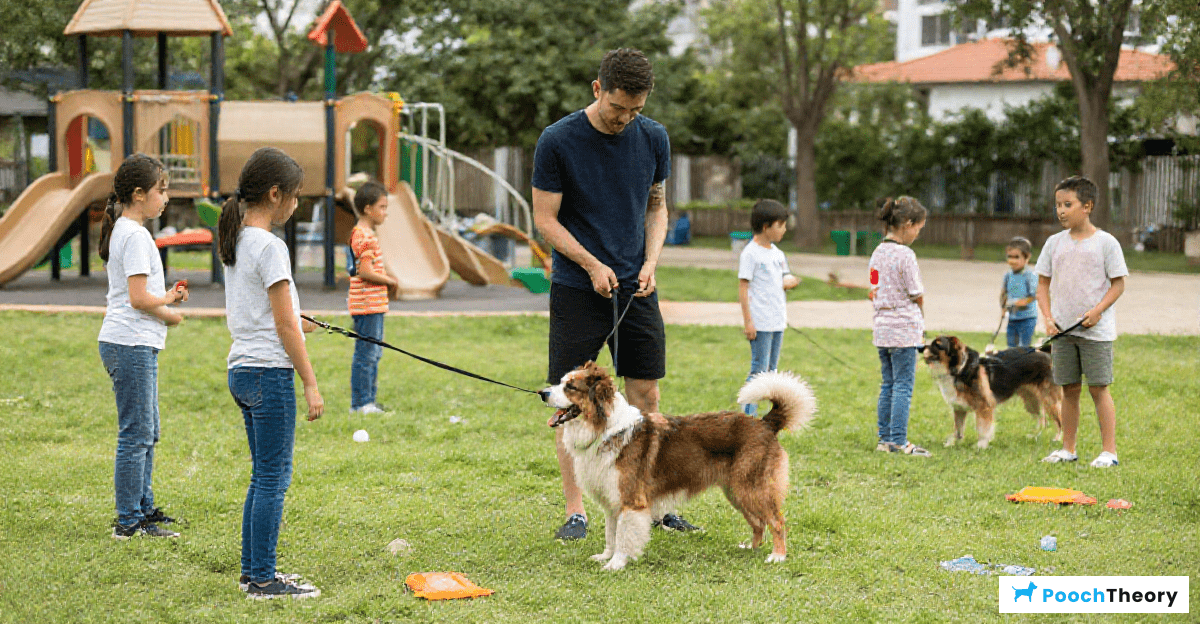
When setting out to train dogs, especially around children, safety must be paramount. Here are essential safety tips to ensure a secure training environment for both kids and dogs:
- Supervised Interaction: Always supervise interactions between children and dogs. Children may not understand a dog’s body language and can inadvertently provoke a dog, potentially leading to issues.
- Choose the Right Environment: Select a quiet, familiar environment for training sessions. This minimizes distractions and helps dogs focus.
- Use Positive Reinforcement: Training should involve positive reinforcement techniques rather than punitive measures, enhancing the learning experience.
- Set Boundaries: Teach children to respect a dog’s personal space, guiding them on appropriate interactions.
- Prepare for Emergencies: Know how to handle emergencies, such as dog bites, by understanding basic first aid.
- Incorporate Safety Commands: Teaching dogs commands like “leave it” and “stay” can be life-saving.
- Avoid Distracting Items: Remove items that could distract the dog during training sessions.
- Health Check: Ensure your dog is healthy and up to date with vaccinations, especially if training in group settings.
By adhering to these tips, you can create a safe and enjoyable training environment that promotes positive experiences for both children and dogs. For further techniques, explore the ultimate guide to dog training.
Benefits of Dog Training Games

Dog training games offer a multitude of benefits that enhance both the physical and mental well-being of your canine companion. Engaging in these interactive activities strengthens the bond between you and your dog, fosters better communication, and helps improve their behavior. Research shows that incorporating games into training can boost your dog’s cognitive development, making learning a more enjoyable experience. Moreover, activities like agility training or fetch not only serve as effective methods for reinforcing commands but also provide essential exercise, contributing to your dog’s overall health and happiness.
Furthermore, the consistent practice of training games is crucial for maintaining acquired skills, ensuring your dog remains attentive and responsive. Regular engagement helps solidify commands and prevents behavioral issues that can arise from boredom or lack of stimulation. As you continue to play and train with your dog, you’re cultivating an environment of trust and reliability, which is a foundation for a well-rounded pet. For more tips on incorporating games into your training routine, visit our extensive guide to dog training techniques.
In conclusion, making dog training a playful and regular part of your routine not only yields immediate benefits but also promotes long-term well-being and a harmonious relationship with your furry friend. Keep exploring new games, and remember, practice makes perfect—both for you and your dog.



