

Introduction of Turkish Boz Shepherd
The Boz Köpei, another name for the Turkish Boz Shepherd, is a magnificent breed famous for its power, devotion, and protective nature. This majestic guardian dog, which comes from Turkey’s rough terrain, has a long history and a unique mix of traits that make it an excellent working partner. To provide you with a thorough understanding of this majestic dog breed, we will examine its history, physical characteristics, temperament, working prowess, care needs, and more in the following article.
Origins and History of the Turkish Boz Shepherd
The ancient dogs of the region of Central Asia, which were raised and refined over thousands of years, are the ancestors of the Turkish Boz Shepherd. These dogs traveled with the nomad shepherds, guarding the sheep against predators and various other dangers and acting as their faithful protectors. The name of the breed, “Boz,” means “fawn” in Turkish, which defines the color of its unique coat.
The Turkish Boz Shepherd breed traces its origins back to ancient Anatolia, where people highly valued them for their ability to protect livestock from predators.
Physical Characteristics
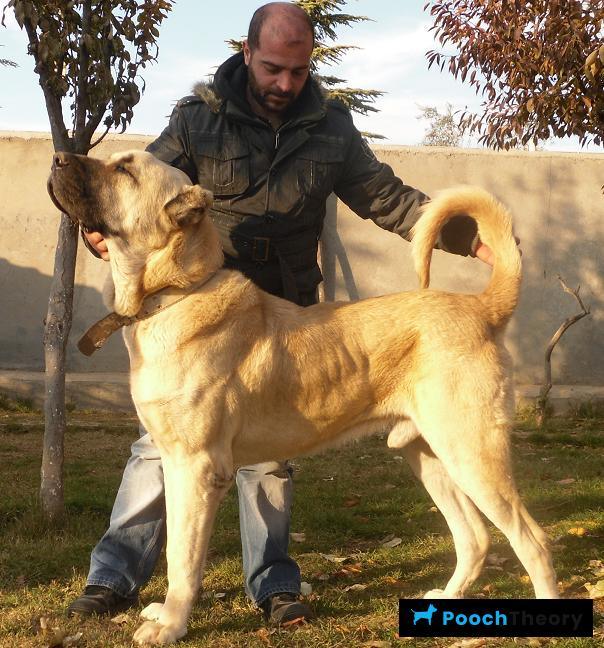
Size and Build of Turkish Boz Shepherd
The Turkish Boz Shepherd is a big, strong dog with a striking build that showcases its working origins. Males typically weigh between 100 and 150 pounds (45 to 68 kg) and stand between 27 and 30 inches (68 to 76 cm) tall at the shoulder. Although significantly smaller than males, females nonetheless have a strong presence.
Coat and Coloration
The thick double coat of the Turkish Boz Shepherd, which offers insulation in a variety of climatic conditions, is one of the breed’s unique characteristics. While the undercoat is soft and dense, the outside coat is straight and coarse. The breed typically has a variety of stunning coat colors, the most prevalent of which are varied fawn shades in cream, golden, and reddish tones.
However, if you notice your dog’s fur turning a rust color, it may be a cause for concern. There can be various reasons behind this change, including diet, environmental factors, or underlying health issues.
Temperament and Personality Traits
To properly teach and socialize a Turkish Boz Shepherd, the owner must understand their temperament and personality features. Prior to selecting the ideal breed as your companion, it’s crucial to be aware of the Reactive Dog Breeds, even if the majority of well-known dog breeds are loyal and intelligent.
Loyalty and Protective Instincts
This dog breed is noted for its fierce protective instincts and unbreakable loyalty. These dogs build close relationships with their families and are strongly devoted to them. They make excellent watchdogs, keeping out intruders and threats thanks to their vigilant attitude and territorial instincts.
Versatility in Farm Duties
Turkish Boz Shepherds are adaptable animals who excel in a variety of farm tasks outside their primary function as livestock guardians. They may help with herding, driving, and handling animals, demonstrating their intelligence, problem-solving abilities, and capacity for flexibility in various circumstances.
Adaptability to Different Environments
This dog breed is excellent for a variety of conditions due to its toughness and adaptability. This breed can thrive anywhere as long as it gets the right attention, activity, and mental stimulation, whether it’s the harsh Anatolian plains or a cutting-edge farm.
Health and Care of Turkish Boz Shepherd
Common Health Issues
Turkish Boz Shepherds could be vulnerable to various health problems, like many large dog breeds. These can include bloat, certain hereditary disorders, elbow dysplasia, and hip dysplasia. Their general health can be maintained with the help of regular veterinary check-ups, balanced food, and the right exercise.
Exercise and Grooming Requirements
This dog breed requires an appropriate amount of exercise. To keep them physically and psychologically active, they must engage in daily walks, playtime, and mentally challenging activities. Their thick double coat needs to be brushed frequently to avoid matting and occasionally bathed to keep them clean.
Nutritional Needs of Turkish Boz Shepherd
This breed must have a high-quality, balanced diet to maintain their general health. Based on the dog’s age, activity level, and individual demands, consulting a veterinarian can assist identify the right portion sizes and dietary needs.
Finding and Training a Turkish Boz Shepherd
Responsible Breeding and Adoption
It’s crucial to look for trustworthy breeders who put their dogs’ health, temperament, and well-being first when you want to bring a Turkish Boz Shepherd into your household. The possibility to provide a dog in need with a loving home also exists through adoption from rescue groups or breed-specific rescues.
Early Socialization and Obedience Training
To ensure a well-rounded and well-behaved companion, early socialization and obedience training are crucial for Turkish Boz Shepherds. Exposing them to various people, environments, and situations at a young age helps them develop into confident and adaptable adults. Positive reinforcement training methods, such as reward-based techniques, yield the best results.
There are several techniques you can try while teaching Turkish Boz Shepherds. Although standard methods like obedience training are successful, some dog owners might be interested in alternative methods like the Bubble Theory Dog Training method.
This approach places a focus on interactive play and positive reinforcement, which makes training enjoyable for both the dog and the human. Also, some dog owners may prefer the use of compulsion training techniques.
Conclusion
The Turkish Boz Shepherd embodies the ideal combination of strength, loyalty, and intelligence, making it a remarkable breed with a rich history. Whether as a devoted family companion or a reliable working dog, this majestic guardian of the Anatolian plains excels in fulfilling its roles. However, it’s important to remember that owning a Turkish Boz Shepherd requires commitment, responsible care, and proper training to ensure a harmonious relationship.


