


Introducing a New Puppy to an Older Dog
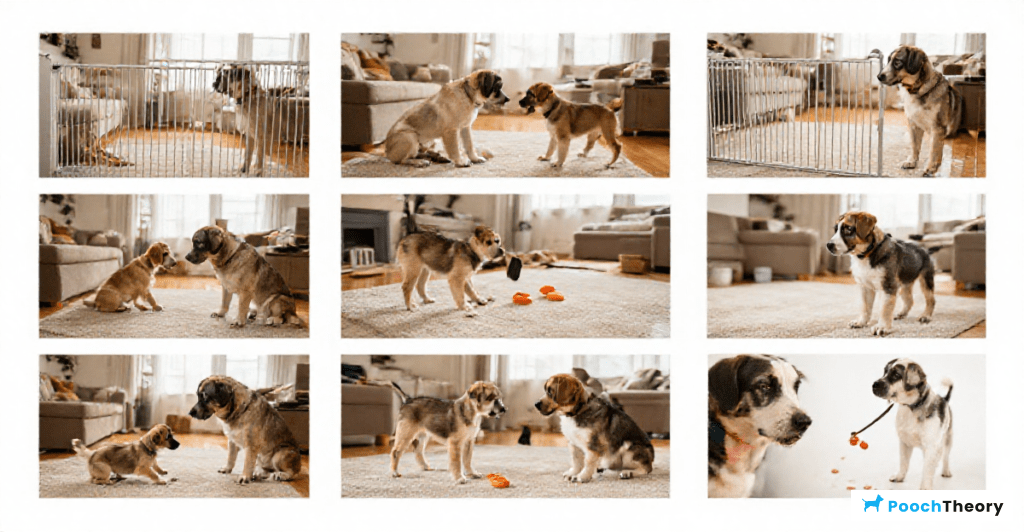
Introducing a new puppy to an older dog is a crucial process that can impact the harmony of your household. A stress-free introduction fosters positive socialization and helps build a healthy relationship between the two dogs. According to experts, the initial meeting should occur in a neutral territory where neither dog feels territorial or threatened. This can prevent anxiety in both animals and allows for a more relaxed interaction (Source 1).
During the introduction, keep the older dog on a leash, and allow the puppy to explore at its own pace. The older dog should have the opportunity to retreat if it feels overwhelmed, as this can significantly reduce stress levels. Monitoring their body language and responses is essential; look for signs of friendliness such as relaxed ears and wagging tails. It’s vital to offer positive reinforcement to both dogs with treats and praise, which encourages good behavior and reduces anxiety associated with the new relation.
Additionally, consider the age and temperament differences between your older dog and the new puppy. Older dogs may not appreciate the exuberant energy of a young pup, so gradual introductions and opportunities to bond through play can help bridge this gap. If the older dog displays signs of stress or aggression, such as growling or stiffening, it may be a sign to take a step back and allow more time before reintroducing them (Source 2).
Preparing Your Home for Both an Older Dog and a New Puppy
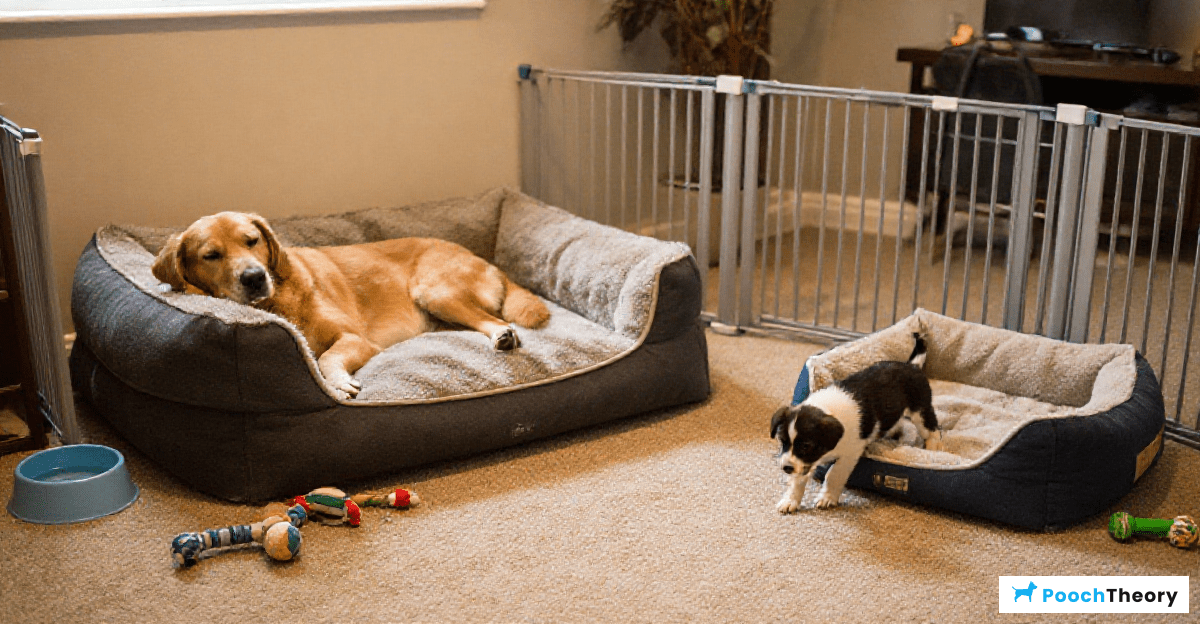

To prepare your home for both an older dog and a new puppy, it’s essential to create a safe and welcoming environment. Here are several strategies to ensure a smooth transition for both pets:
- Designate Separate Spaces: Provide distinct areas for the older dog and the puppy. This can help reduce stress for the older dog, who may feel overwhelmed by a rambunctious puppy. Consider using baby gates to separate areas, allowing each dog to have their own space to retreat when needed.
- Establish Safe Zones: Create a safe zone for the puppy, equipped with their bed, toys, and access to food and water. Likewise, ensure the older dog has a comfortable area that caters to their needs, especially if they have mobility issues.
- Remove Hazards: Puppies are naturally curious and tend to chew on anything they find. Before bringing the puppy home, ensure your home is free of any hazards, such as electrical cords, toxic plants, and harmful chemicals. This is also important for the older dog, who may no longer be as agile and might require a careful environment to navigate.
- Introduce Gradually: The introduction process should be gradual. Start by allowing them to sniff each other through a gate or a barrier. This helps both dogs become accustomed to each other’s scents without direct contact. Once they seem comfortable, allow short, supervised meetings.
- Monitor Interactions: Keep a close eye on their interactions, especially initially. Watch for signs of stress in your older dog, such as growling or hiding, and provide plenty of positive reinforcement when they interact calmly. Training sessions can reinforce good behavior; techniques can be found in our article on dog training at home.
- Adjust Everyone’s Routine: Adjust feeding times, walking schedules, and playtime to accommodate the new puppy while still respecting the older dog’s needs. Gradually involve the older dog in the puppy’s training to further strengthen their bond.
Following these tips can help ensure a harmonious household as your older dog adjusts to the new puppy. For additional strategies on handling puppy behaviors, refer to our guide on puppy chewing and maintaining peace with your pets.
Fostering a Positive First Encounter
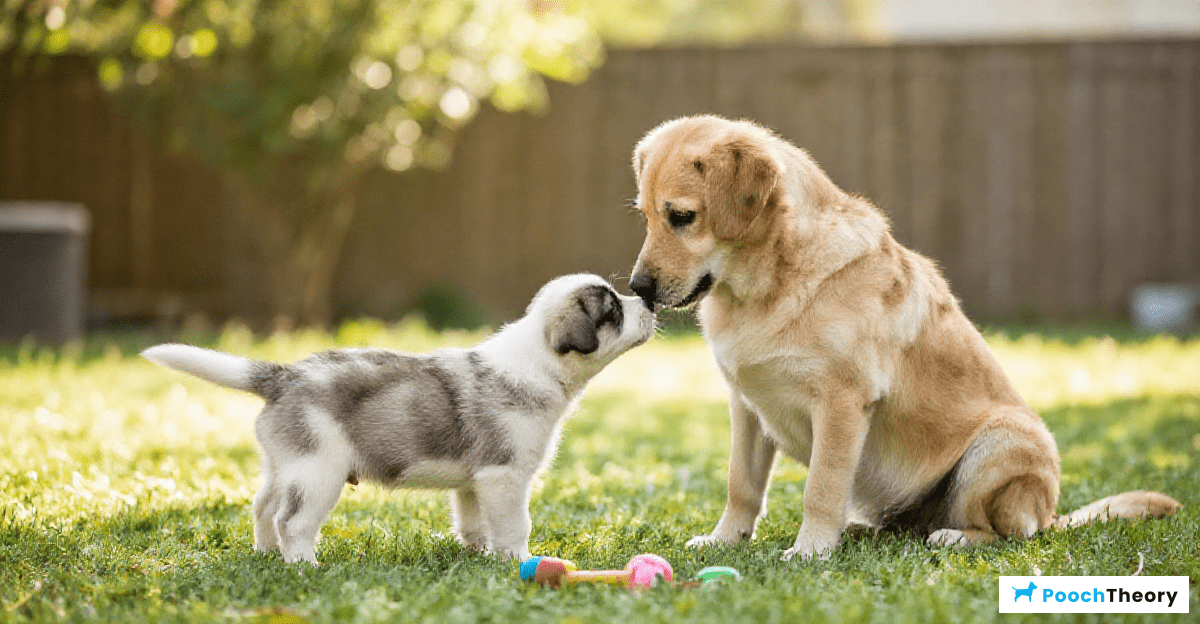
To foster a positive first encounter between your older dog and a new puppy, follow these step-by-step instructions:
- Choose a Neutral Location: Begin the introduction in a neutral area, such as a park. This prevents the older dog from feeling territorial.
- Leashed Introduction: Keep both dogs on leashes during the initial meeting. This allows you to maintain control and prevent any sudden aggressive behavior. Ensure that the older dog is calm before introducing the puppy.
- Observe Body Language: Watch for relaxed body language, such as wagging tails or a loose stance. If either dog shows signs of stress or aggression, consider creating more distance between them.
- Gradual Sniffing: Allow the older dog to approach the puppy slowly. Initially, let them sniff each other from a distance before closing in. If discomfort is shown, give them space and try again later.
- Positive Reinforcement: Use treats to reward both dogs for calm behavior during the introduction; this helps both dogs associate each other with good experiences.
- Short Interaction Sessions: Keep the first meeting brief to prevent overwhelming either dog. Gradually increase the duration of their time together as they become more comfortable.
- Supervised Playtime: After a successful initial meeting, allow them to play under supervision, looking for signs of playfulness.
- Gradual Home Introduction: Once they’ve had positive interactions outside, start introducing the puppy into your home, keeping the older dog’s space in mind.
- Routine and Structure: Establish a consistent routine that includes time for both dogs.
These steps will help ensure a smooth transition and a lasting bond between your older dog and the new puppy. For more tips on integrating a new family member, consult our guide on how to socialize a dog.
Establishing Boundaries
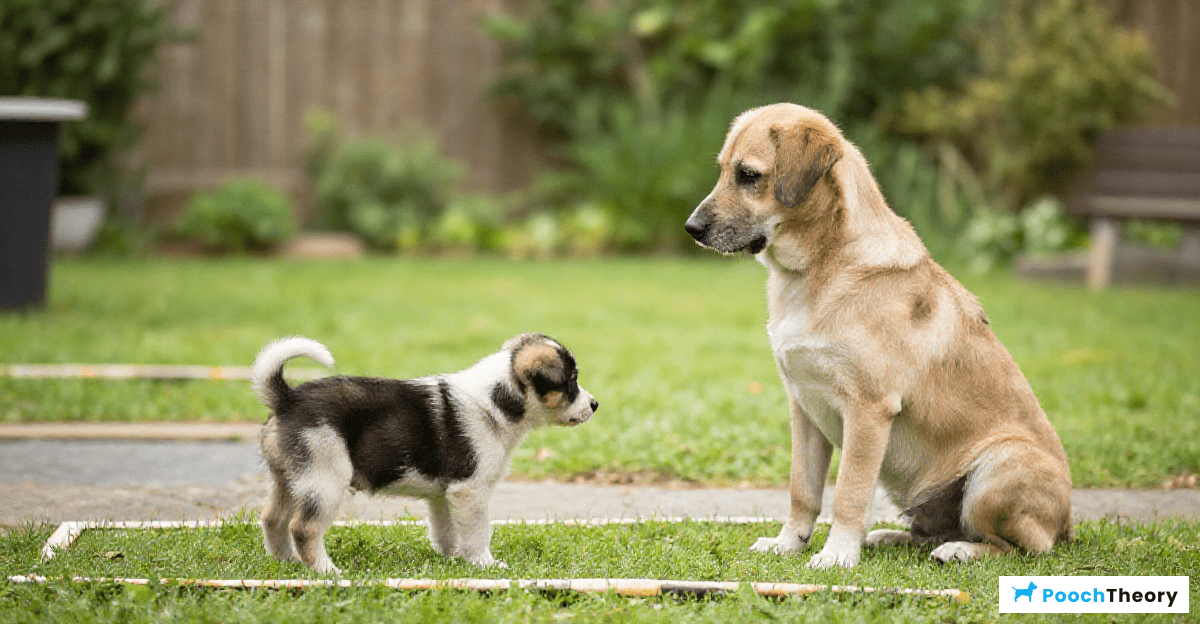
Establishing boundaries between an older dog and a puppy is crucial for maintaining harmony in your household. Understanding and reinforcing their roles can significantly minimize conflicts.
Teach Clear Boundaries
Start by clearly defining areas in your home where each dog is allowed or restricted. For example, create designated spaces for the puppy to play and for the older dog to retreat when feeling overwhelmed. Use baby gates or playpens to manage their interactions and give them safe zones. This ensures that both dogs know where they can go, reducing tension.
Reinforce Desired Behaviors
Utilize positive reinforcement techniques to encourage the older dog to be patient and gentle with the puppy. Reward calm behavior when they are together; offer treats or praise when the older dog allows the puppy to explore their space.
Supervise Interactions
Always supervise their interactions, especially in the early days of their relationship. Puppies can be overly exuberant, which might annoy the older dog. If play gets too rough, ensure you intervene and redirect the puppy to more appropriate behaviors.
Training and Socialization
Incorporate joint training sessions where both dogs can learn basic commands together. This strengthens their bond and establishes the older dog as a role model. Socializing your puppy with other dogs in controlled environments teaches them essential social skills and boundaries, as outlined in our article on how to socialize a dog.
Ongoing Training and Socialization

Ongoing training and socialization are crucial in ensuring that dogs exhibit good behavior throughout their lives. Consistent training reinforces desired behaviors and helps mitigate problematic ones. As noted in an article, teaching new tricks can significantly improve a dog’s well-being, helping to alleviate fears and anxiety that might develop over time (source).
Socialization is equally important, exposing dogs to varied environments, people, and other animals. A well-socialized dog adapts more easily to changes and is less prone to aggression. Studies have shown that dogs thrive in environments with clear routines and boundaries, helping them understand social cues better (source).
Adjusting socialization strategies for different stages of a dog’s life can significantly impact their adaptability. For puppies, early exposure to different stimuli is fundamental, while older dogs also benefit from continued interactions to counteract any anxiety or behavioral issues that may arise from being less socialized.
Patience is Key
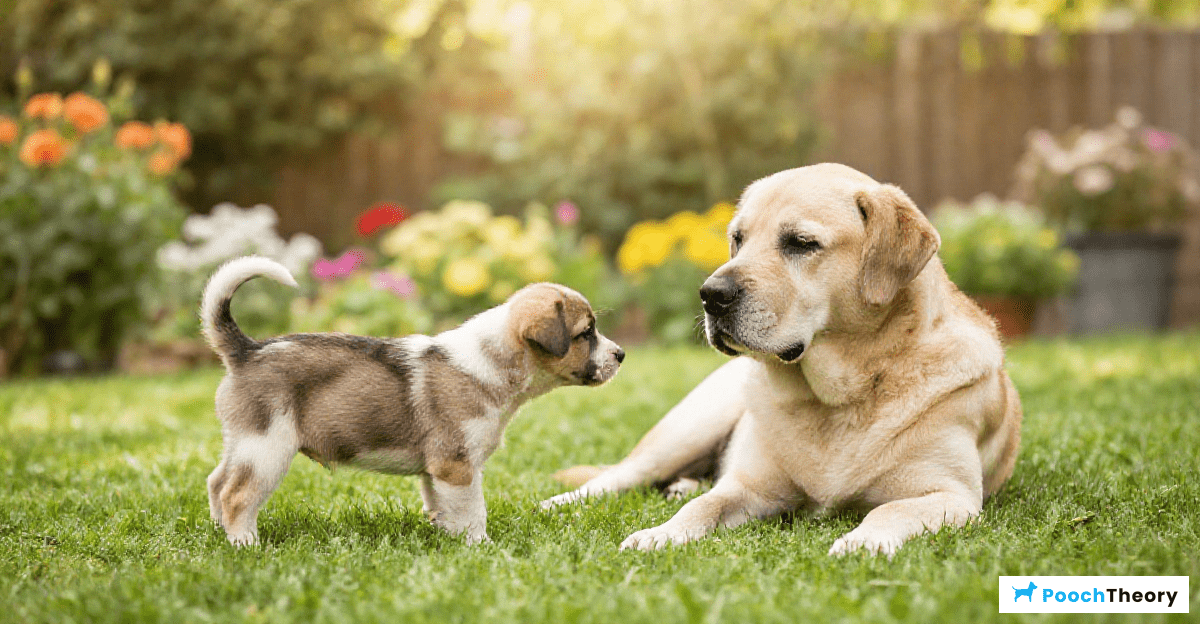
As you navigate the process of introducing your dogs to each other, remember that patience is key. The adjustment phase can vary significantly between the dogs, depending on their personalities and past experiences. It’s essential to allow them time to acclimate to one another’s presence without forcing interaction.
During their initial encounters, monitor their body language closely; signs of stress or discomfort need to be addressed promptly. Keep in mind that positive interactions can gradually shift their perceptions. As they become more comfortable, encourage their curiosity and playfulness with praise and rewards.
If challenges arise, don’t hesitate to seek guidance on how to socialize a dog effectively. Remember that just like people, dogs each have their timeline for adjustment. With consistent support and understanding, the bond they form will grow stronger over time, leading to a fulfilling companionship.