

Reliable Recall Training Essentials
Reliable recall training is essential for dogs, especially in distracting environments like parks where squirrels can easily sidetrack their attention. Dogs are naturally curious and prone to chase distractions, which makes having a dependable recall crucial for their safety and your peace of mind. When dogs fail to respond to a recall command, the risks increase; they may wander off, expose themselves to dangers, or get lost.
To foster effective recall, training should begin in controlled environments, gradually introducing distractions like toys or noise before moving to more triggering settings. The method of positive reinforcement, such as treats or praise when the dog responds correctly, significantly enhances their willingness to return. The ultimate guide to dog training suggests using a consistent command and providing rewards immediately to strengthen the association in your dog’s mind.
Another aspect of recall training includes practicing in environments similar to where you expect your dog to respond, such as dog parks or busy streets. This practice helps your dog learn to focus on you despite the tempting distractions. The importance of fostering a bond of trust through repeated exercises builds a reliable line of communication between you and your dog in high-stress situations [Source].
In the case of energetic distractions like squirrels, consider employing a socialization strategy that allows dogs to observe the distractions at a distance while practicing stay and recall commands. This incremental exposure helps reduce their impulse to chase when encountering these distractions in real-life situations. Overall, a well-trained recall can significantly enhance a dog’s safety and the owner’s confidence during outdoor activities.
Understanding Squirrel Behavior
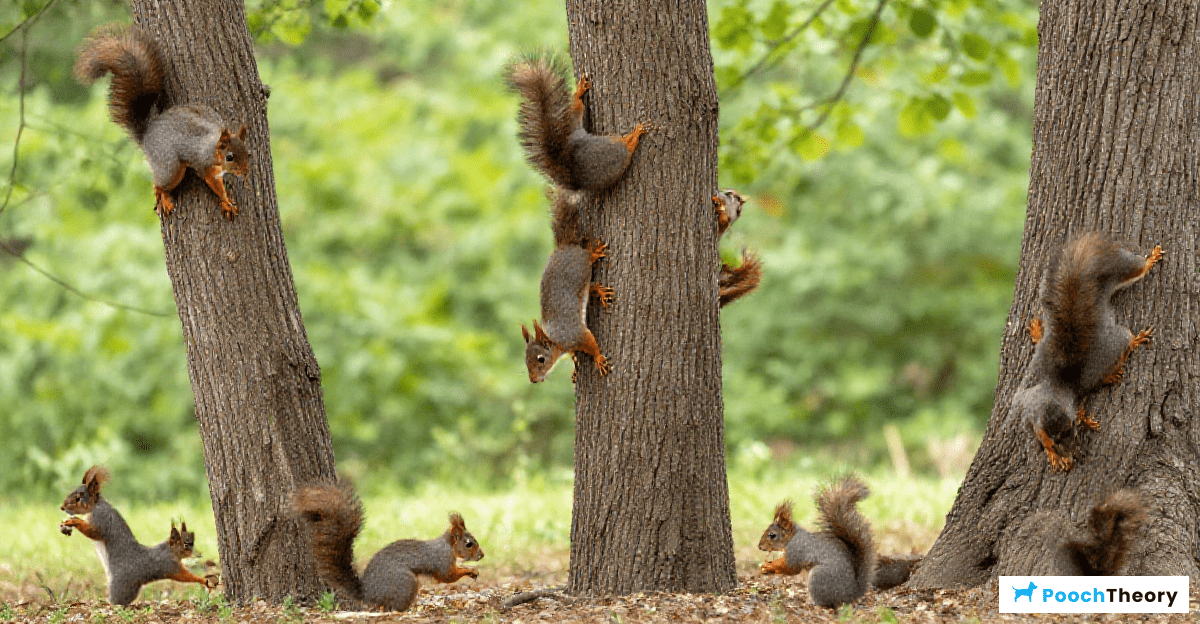
Understanding squirrel behavior is crucial for dog owners, especially during training sessions. Squirrels are naturally curious and agile, traits that captivate not only human observers but also dogs. This can lead to significant distractions, making it difficult for dogs to concentrate on commands. The phenomenon of dogs being distracted by squirrels stems from their instinctual prey drive, which propels them to chase small, fast-moving animals. The sight of a squirrel darting up a tree or across the ground triggers these instincts, resulting in a strong urge to pursue.
Squirrels engage in behaviors such as foraging and playing that can allure dogs, pulling their attention away from training. They scurry along the ground or jump between branches, each movement quick and unpredictable, amplifying a dog’s excitement and desire to chase. Training a dog in environments where squirrels are prevalent can thus be a challenging experience, as dogs may become more fixated on the squirrels than on their handler.
To manage these distractions effectively, dog owners can implement specific strategies. Utilizing positive reinforcement techniques, such as treat rewards for focusing on cues instead of the squirrels, can help redirect a dog’s attention. Training in less squirrel-dense areas initially and gradually introducing them to places with more distractions can also aid dogs in learning to maintain focus despite the presence of these agile creatures. For more tips on training dogs amidst distractions, check out our ultimate guide on dog training techniques.
Creating a Positive Training Environment
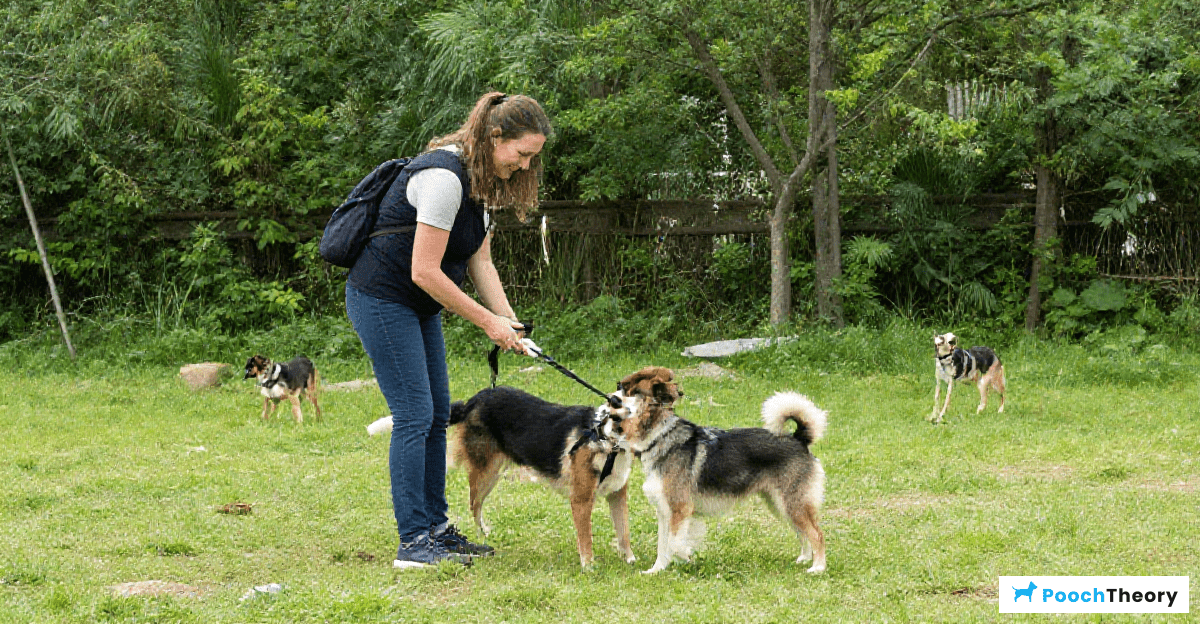
Creating a positive training environment for your dog is essential for effective recall training. Here are some tips to help set your furry friend up for success while minimizing distractions:
- Choose the Right Location: Select a quiet space for training sessions. Parks during off-peak hours or your own backyard are excellent choices. Avoid busy places with high foot traffic or loud noises that could divert your dog’s attention.
- Limit Distractions: Ensure the training area is free from visual and auditory distractions. This might mean keeping other pets indoors or turning off loud appliances.
- Use High-Value Rewards: Incorporate treats that your dog loves, making them more motivated to return when called. High-value rewards reinforce the behavior you’re aiming to establish—recall in this case.
- Be Consistent: Regular, short training sessions tend to yield better results. Limit training to about 5-10 minutes but repeat these several times throughout the day.
- Stay Positive: Maintain a cheerful tone and positive body language during training. Dogs respond to our emotional cues, and enthusiastic praise encourages them to replicate the behavior.
- Gradually Introduce Distractions: Once your dog reliably recalls in a distraction-free environment, gradually introduce minor distractions.
- Practice Real-Life Scenarios: Incorporate recall training into daily walks or playtime.
By minimizing distractions and incorporating positive reinforcement, you’ll foster effective training and a stronger bond with your pet. For further guidance on effective training methodologies, check out our detailed article on dog training techniques.
Basic Recall Training Techniques
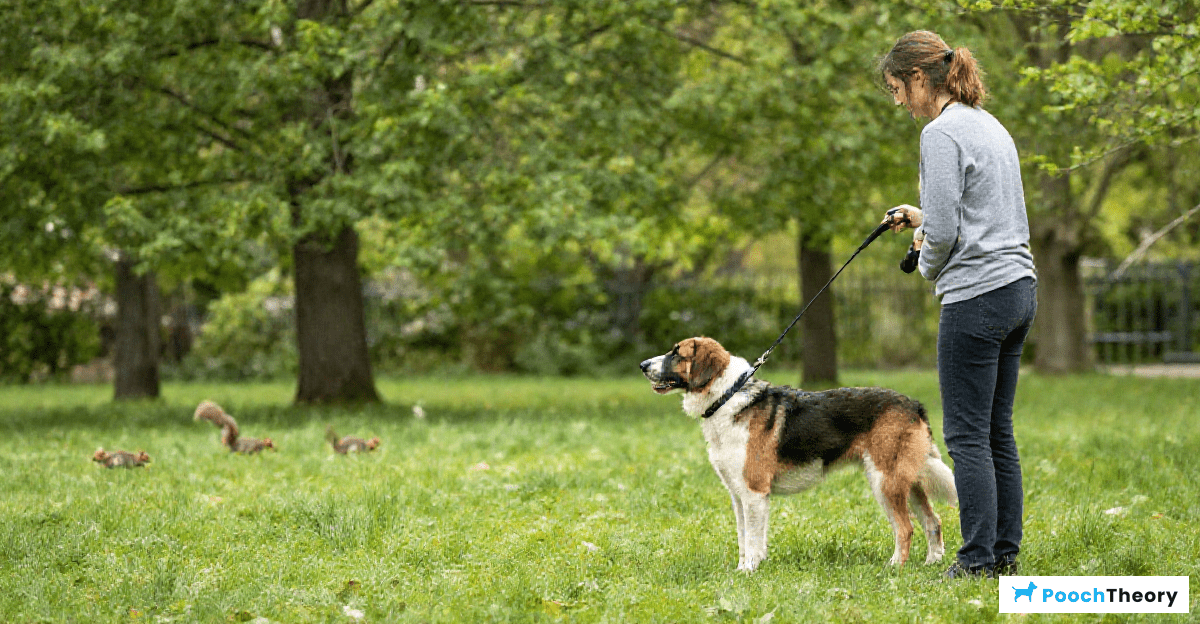
Teaching your dog to reliably come when called is essential for their safety and your peace of mind. Here’s a step-by-step guide to establishing strong recall:
- Start Indoors: Begin training in a quiet, distraction-free environment.
- Use Positive Reinforcement: Reward your dog with treats and praise when they successfully come to you.
- Short Distances First: Initially, keep your distance short and gradually increase it.
- Add Distractions Gradually: Introduce distractions, rewarding them for coming back.
- Practice Outside: Once your dog reliably responds indoors, take the training outside in a secure area.
- Incorporate Play: Make recalls fun by integrating them into games.
- Avoid Negative Associations: Never scold your dog for not responding immediately.
- Be Patient and Consistent: Practice regularly in different scenarios to reinforce the command.
For additional guidance, consider checking out our complete guide on dog training techniques.
Introducing Squirrel Distractions
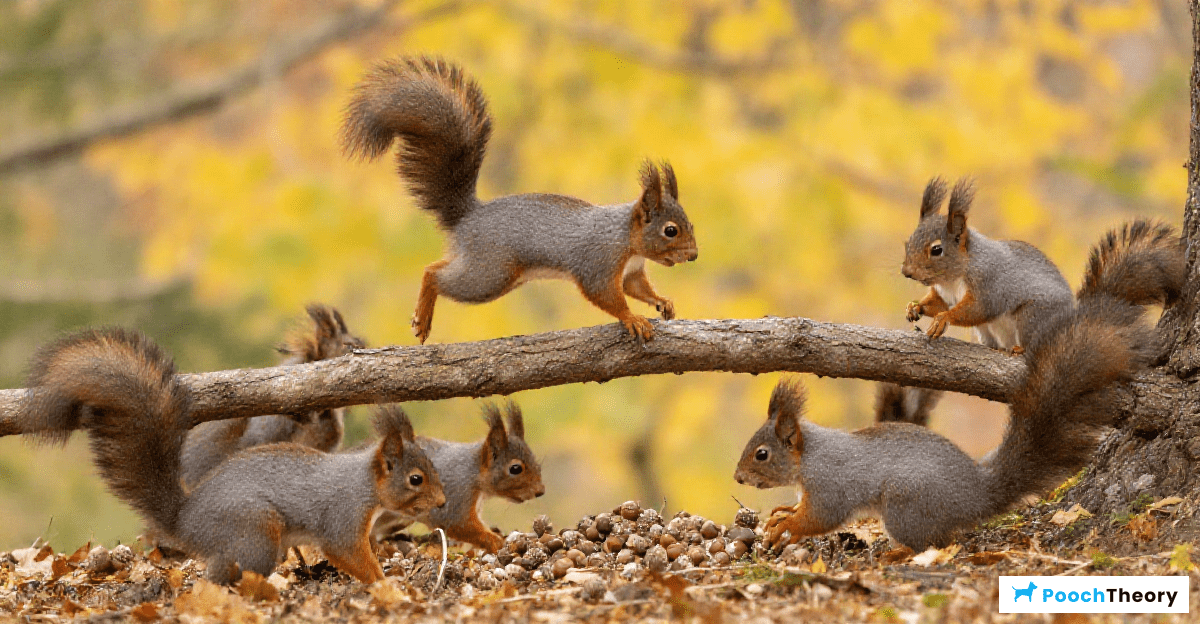
Incorporating squirrel distractions into your dog training sessions can help your dog become more responsive in challenging environments. Here’s how to gradually introduce this element:
- Start with Controlled Distance: Begin by observing squirrels from a distance.
- Use Positive Reinforcement: Reward your dog for staying calm when they notice squirrels.
- Gradual Exposure: Once comfortable, slowly decrease the space between your dog and the distractions.
- Incorporate Training Games: Turn the training session into a game by hiding treats.
- Monitor Success: Track your dog’s reactions during these sessions.
By implementing these strategies, you can help your dog learn to coexist with the distractions presented by squirrels in a controlled and positive manner.
Rewarding Successful Recalls
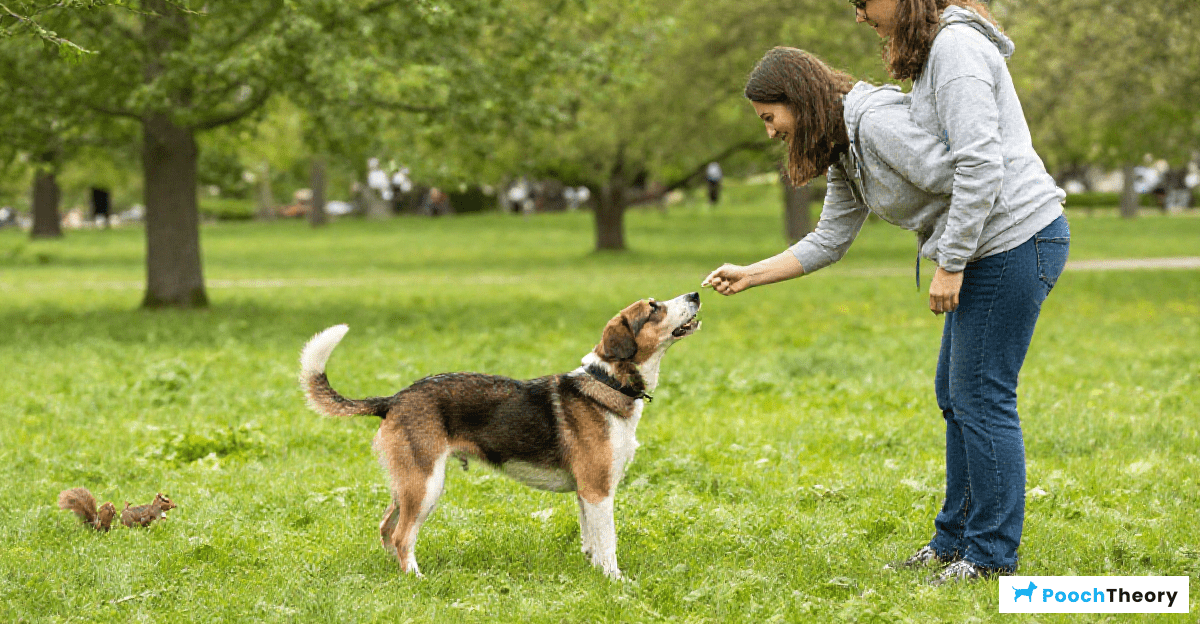
Rewarding successful recalls in dogs is essential for reinforcing their training. Here are some effective strategies:
- Immediate Praise and Affection: Offer immediate verbal praise when your dog successfully recalls.
- Food Rewards: Use high-value treats—items that your dog doesn’t frequently get.
- Play as a Reward: Engage them in a short play session with their favorite toy after recalling.
- Distraction Management: Train in environments with distractions to improve focus.
By employing these strategies, you enhance your dog’s recall abilities while strengthening the bond through positive experiences.
Troubleshooting Common Issues
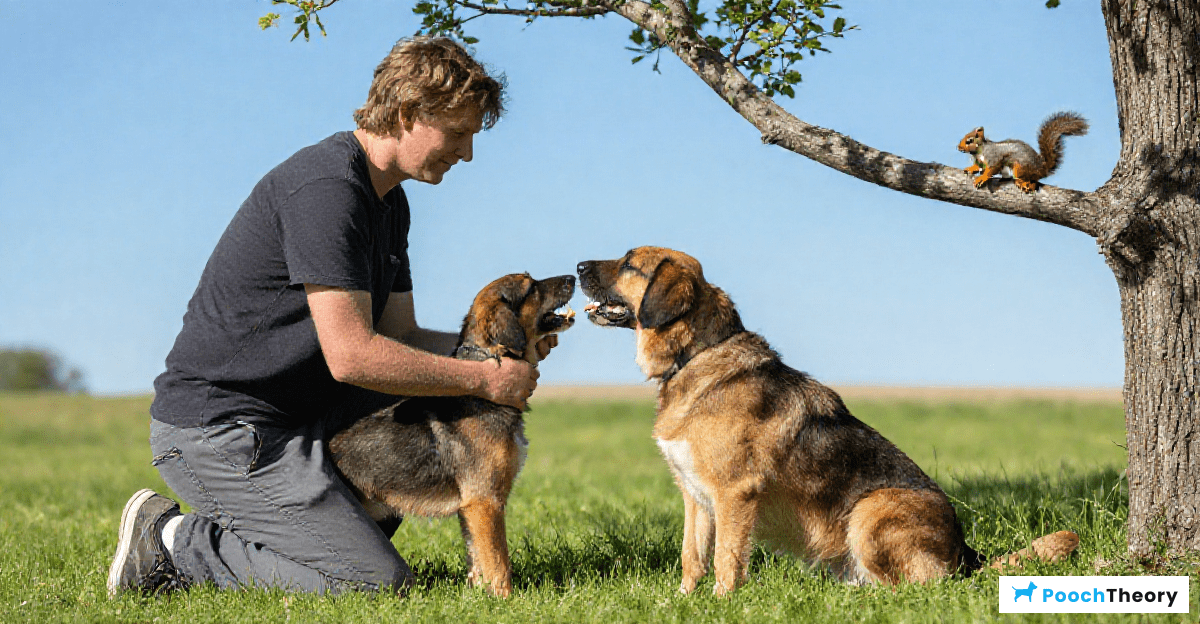
Training your dog to come when called in high-distraction environments can be challenging. Here are some effective strategies:
- Increase Motivation: Use high-value treats or toys that your dog loves.
- Start Slow: Begin training in a controlled environment.
- Use High-Distraction Training Aids: Incorporate leashes to maintain control.
- Practice Recall with Interruptions: Simulate distractions safely.
- Remain Calm and Encourage Focus: Use cheerful voice and body language to refocus their attention.
- Be Patient and Consistent: Repeat recall exercises regularly.
- Training Games: Engage in fun activities that promote recall.
By implementing these strategies and maintaining a positive attitude, you can successfully enhance your dog’s recall capabilities in challenging situations.
Conclusion: The Importance of Patience and Consistency
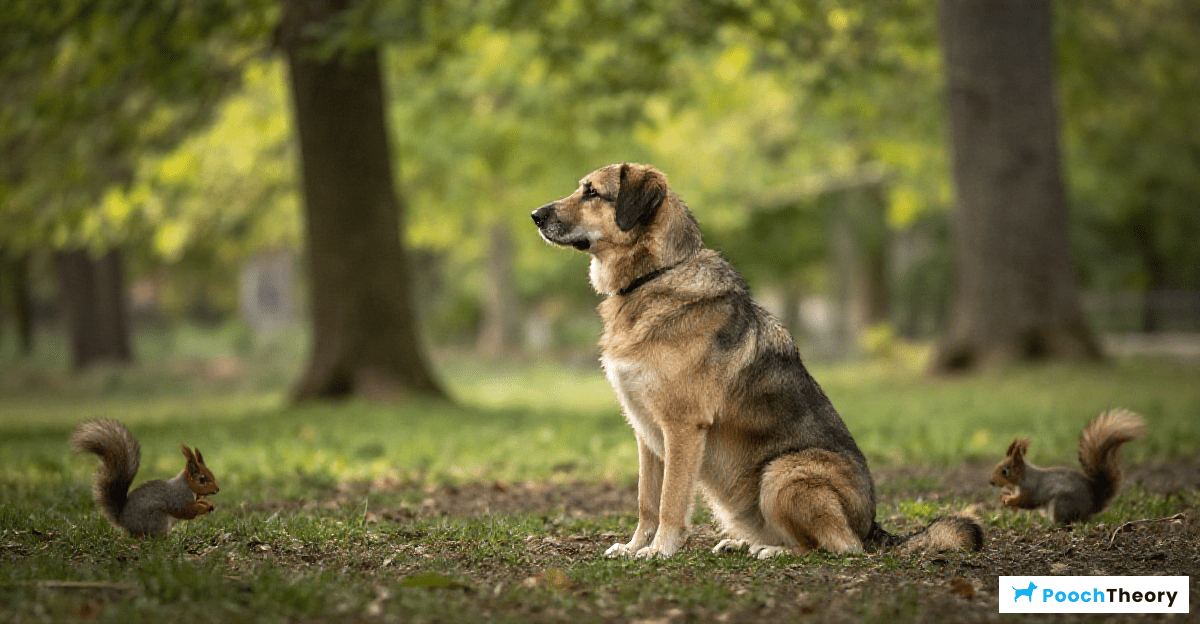
Training your dog amidst distractions like squirrels can be a challenging experience. It’s crucial to maintain patience and consistency in your training approach. These elements work hand in hand to foster a reliable and well-behaved companion. When teaching commands, it’s essential to repeat training sessions regularly.
Dr. Karen Becker emphasizes that consistency in methods and commands helps your dog understand expectations clearly, ensuring they remain reassured amid distractions [Source]. Additionally, pairing commands with positive reinforcement rewards builds their confidence and reinforces their focus.
Over time, maintaining a calm demeanor amidst distractions is key. If you show frustration, your dog may respond negatively. Model patience and let them learn that waiting for your cue is rewarding. Research suggests that patience in dog training is linked to overall learning success [Source].
Incorporating distraction training—practicing commands in environments with distractions—is beneficial. Start with low distractions and gradually increase. By exercising patience and consistency, you’ll significantly enhance your dog’s training success while deepening your relationship.



