

Understanding Why Dogs Pull on Leashes
Dogs often exhibit pulling behaviors towards other dogs, driven by a mix of instinctual and social tendencies. This characteristic can be traced back to their genetic makeup as pack animals. In their natural state, dogs are inclined to work within a social structure, often feeling the urge to connect with other canines when they encounter them during walks. This social instinct is inherent; research suggests that dogs communicate and establish social hierarchies similar to the way their wolf ancestors would have done in a pack setting [Source].
Additionally, dogs possess a natural curiosity, which can amplify their desire to engage with other dogs. This is particularly true when they observe behaviors from their peers, which they either want to join or check out. For many dogs, pulling on a leash while seeing another dog is a form of expressing excitement or urgency to socialize.
Furthermore, unmet socialization needs can lead to reactive behaviors, such as pulling, during encounters with other dogs. This phenomenon highlights the importance of proper socialization and training, allowing dogs to navigate these encounters more calmly [Source].
In training contexts, it’s crucial to address pulling behaviors not just as an inconvenience but as a reflection of the dog’s natural tendencies to engage and connect. Owners can cultivate better leash manners by rewarding their dogs for remaining calm and attentive, reinforcing a more positive walking experience. This approach can transform pulling from a frustrating challenge into an opportunity for effective communication and bonding between dog and owner [Source]. Understanding these behaviors enables owners to provide their dogs with the necessary social outlets and training to thrive.
The Impact of Pulling on Walks
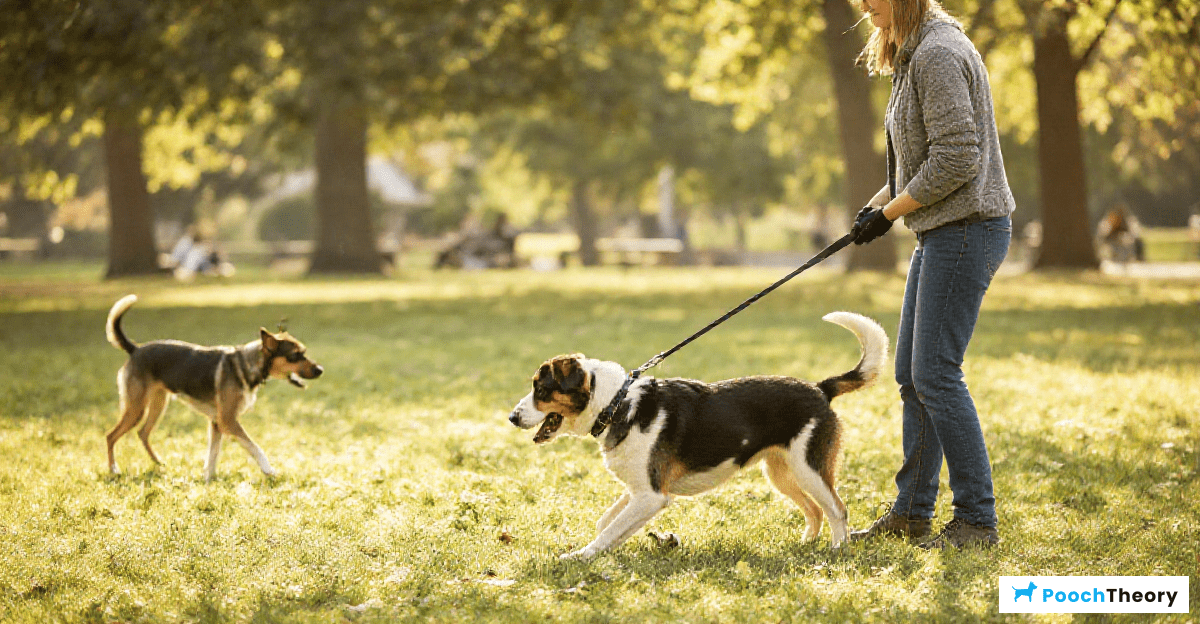
Pulling on a leash during walks significantly impacts both the dog’s experience and the owner’s control. When a dog exhibits pulling behavior, it can turn a simple outing into a frustrating ordeal. For starters, pulling can cause physical strain on the dog, as they are often forced to move in a direction counter to their natural gait, leading to discomfort or injuries over time. Moreover, if the leash becomes taut and jerks the collar, it may result in choking or damage to the trachea, particularly in smaller breeds [Source].
For owners, managing a pulling dog disrupts the flow of the walk and diminishes the owner’s authority. Constantly having to redirect a pulling dog can lead to stress and frustration for the handler, potentially affecting their overall enjoyment of the walk. Teaching a dog not to pull is vital for creating a more pleasant experience. Positive reinforcement strategies, such as rewarding attention and calm walking, can effectively curb this behavior. For instance, stopping whenever the dog pulls and rewarding them when they return to your side can promote better leash manners [Source].
Additionally, walks serve as vital mental and physical stimulation for dogs. When pulling hinders the flow of movement, it limits the dog’s ability to explore their environment fully. This can lead to frustrated energy and unwanted behaviors, as dogs thrive on the freedom and engagement of a balanced walk. Implementing structured training, such as those discussed in our effective loose leash walking training plan for reactive dogs, can significantly improve both the dog’s walking experience and the owner’s control, making walks enjoyable for both parties involved.
Effective Training Methods to Curb Pulling
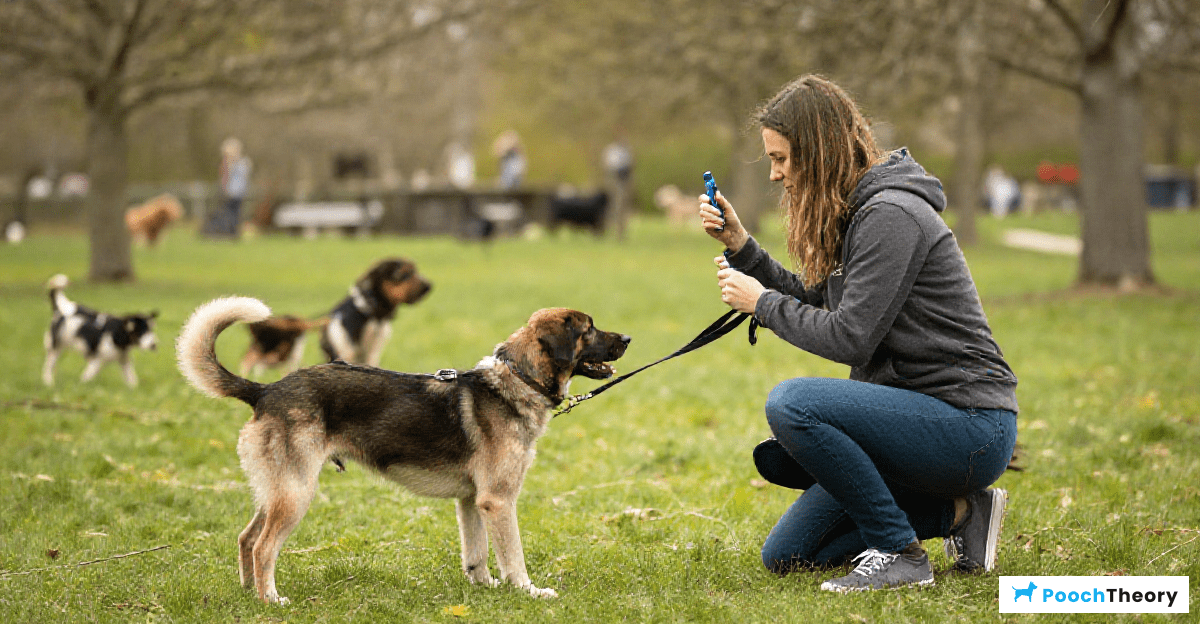
Training your dog to walk calmly without pulling requires a variety of positive reinforcement techniques that reinforce good behavior while discouraging undesirable pulling. Here are some effective methods:
- Focus Training: Begin by teaching your dog to focus on you instead of distractions. Use treats to reward your dog for looking at you when you say their name or use a specific cue like “watch me.” This lays the groundwork for calm behavior during walks.
- Loose Leash Walking: When your dog starts to pull on the leash, stop walking immediately. Stand still and wait for your dog to return to your side or release tension on the leash. Once they do, reward them with a treat or resume walking. This teaches them that pulling does not lead to forward motion, while staying by your side does.
- Change of Direction: When your dog pulls, change direction suddenly and encourage them to follow you. This method helps teach your dog to pay attention to your movements, promoting a more engaged walking experience.
- Reward Calmness: Reward your dog for walking calmly beside you, using treats or praise. You can practice “walking nice” by only offering rewards when the leash is loose. This will create an association between calm walking and positive outcomes.
- Practice in Low-Distraction Environments: Start your training in quiet areas where distractions are minimal. Gradually introduce more challenging environments as your dog becomes more proficient.
- Use of Tools: Investing in a front-clip harness can also help reduce pulling. These harnesses work by redirecting your dog’s attention back to you when they attempt to pull forward, making it easier to maintain control without the need for harsh corrections.
- Persistence and Patience: Consistency is key. Regular practice enforces learned behaviors, allowing your dog to understand expectations. Always keep training sessions short and fun to maintain your dog’s interest and motivation.
For a comprehensive training plan, check out our article on effective loose leash walking training techniques. Remember, training takes time, and positive reinforcement can lead to lasting behavioral change.
Specialized Equipment for Managing Pulling
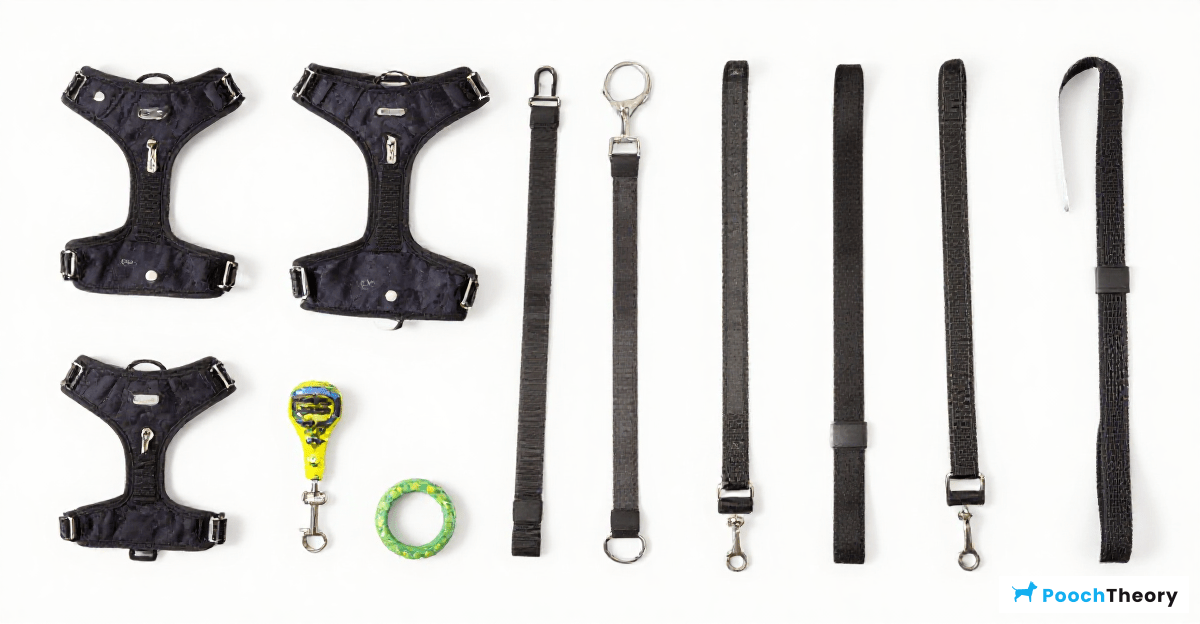
To effectively manage pulling behaviors in dogs, utilizing specialized equipment can make a significant difference. Two popular tools are head halters and no-pull harnesses, both designed to provide greater control during walks.
Head Halters: These are designed to control a dog’s head, similar to a horse halter. When a dog pulls, the halter gently redirects their head back towards the owner, discouraging the pulling behavior. Benefits of head halters include their effectiveness in controlling larger, powerful breeds and reducing strain on the dog’s neck compared to traditional collars. However, some dogs may resist wearing them initially, and they require a proper fit to prevent discomfort. Training your dog to accept a head halter can involve gradual desensitization and positive reinforcement, ensuring they associate it with pleasant experiences.
No-Pull Harnesses: These harnesses are designed with a front clip attachment, which helps turn the dog back towards the owner when they pull. This design leverages the dog’s natural instincts to follow the lead, making it a beneficial tool for teaching loose-leash walking. The main advantage of no-pull harnesses is that they distribute pressure evenly across the dog’s body, reducing the likelihood of injury. However, they may not be as effective for all breeds, especially those that are particularly strong and determined. Additionally, some owners may inadvertently still allow pulling if they don’t reinforce the desired walking behavior while using these harnesses.
For effective use of either tool, it’s essential to combine them with proper training. This includes rewarding the dog when they walk calmly beside you, using treats or praise as motivation. Moreover, if your dog pulls, stop walking and call them back to you; this helps them learn that good behavior leads to progress during walks. Engaging in training sessions that focus on positive reinforcement can significantly enhance the response to these tools.
While head halters and no-pull harnesses can be effective, they should be seen as part of a broader training strategy. Teaching a dog to walk nicely on leash enhances the bond between owner and dog, making walks an enjoyable experience for both.
Strategies for Socializing Dogs on Leash
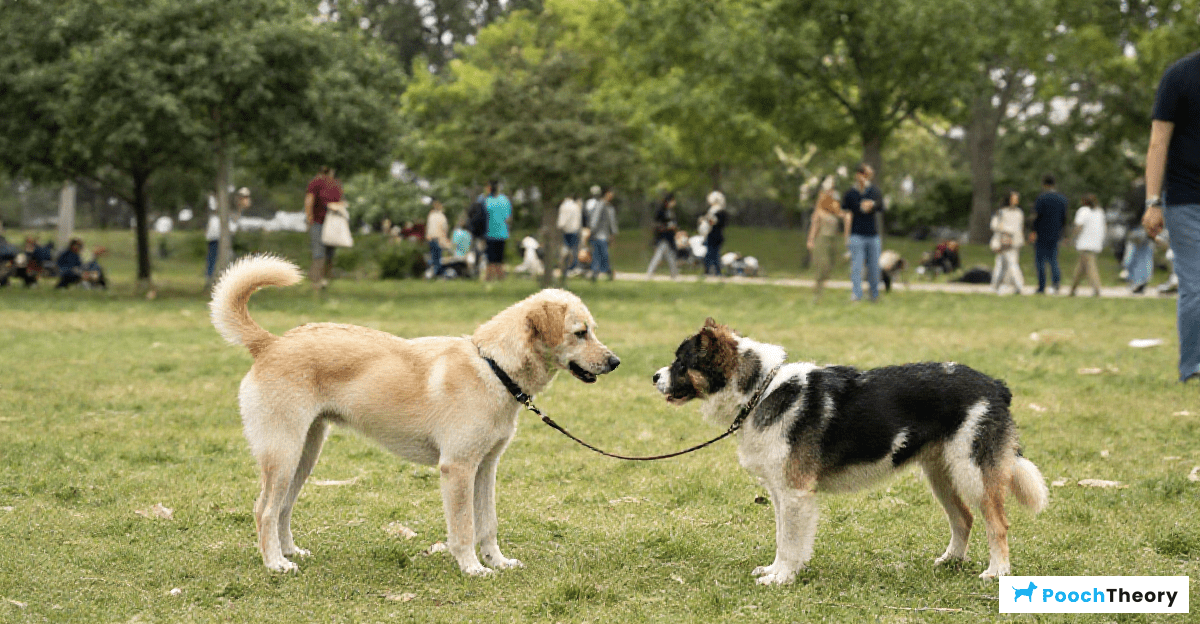
To effectively socialize your dog and reduce excitement levels around other dogs while on a leash, consider implementing a few strategic approaches:
- Controlled Introductions: Begin by exposing your dog to other dogs at a distance where they feel comfortable. Gradually decrease this distance over time as your dog becomes more accustomed to being around others. Keeping introductions controlled—using barriers like fences—can help manage energy levels and prevent overstimulation.
- Use Positive Reinforcement: Rewards can significantly encourage calm behavior. When your dog remains calm around other dogs, offer treats or praise, reinforcing the idea that calmness leads to positive outcomes. This approach can be particularly effective when introducing your dog to new canine friends [Source].
- Training Commands: Teaching essential commands such as “sit,” “stay,” or “leave it” can promote better control during walks. Training your dog to respond reliably to commands reduces their excitement level when encountering potential distractions or other dogs. To improve loose-leash walking, you can refer to our detailed guide on effective leash training strategies.
- Focused Attention: Engage your dog with games or commands that require their attention before approaching another dog. Teaching your dog to focus on you can redirect their excitement towards you, creating a more balanced walking experience. Consider using their favorite toy as a reward to maintain their calm demeanor during these situations.
- Gradual Exposure: For dogs that are reactive, incremental exposure to other dogs can be beneficial. Gradually increase the proximity to other dogs while rewarding your pup for remaining relaxed. This gradual acclimation prevents overwhelming sensations and inflammatory responses [Source].
By consistently applying these strategies, you can help your dog learn to remain calm and composed around other dogs while on leash, ultimately enriching your outdoor experiences together.
When to Seek Professional Training
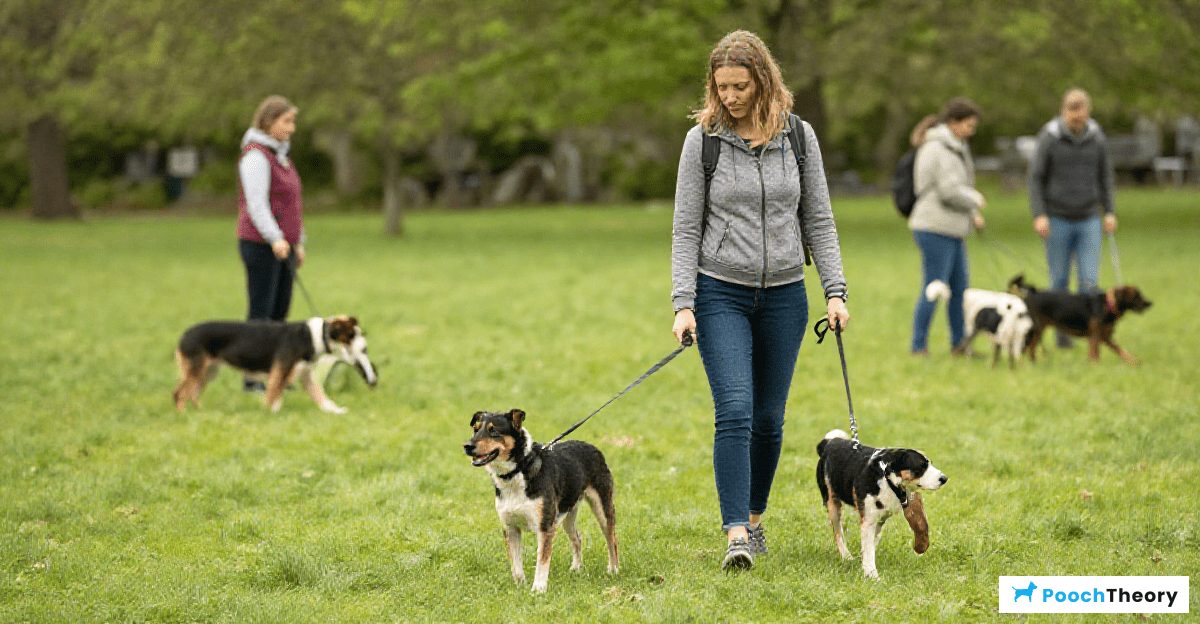
When your dog’s pulling behavior doesn’t show signs of improvement, it may be time to consult a professional trainer. Indications include continued frustration during walks, safety concerns for both you and your dog, and a lack of progress despite your efforts. A trainer can provide tailored strategies that take into account your dog’s specific needs and triggers, helping to modify their behavior effectively.
To find a qualified trainer, seek recommendations from your veterinarian or reputable pet organizations. It’s essential to interview potential trainers about their methods, particularly their use of positive reinforcement, which has been shown to promote better long-term behavior changes in dogs. Look for trainers who prioritize clear communication and structured training plans, as these can address the root causes of behavioral issues rather than simply masking them with shortcuts or treat-based fixes [source].
The benefits of professional training are far-reaching. A trainer can help you develop more effective communication with your dog and create a consistent training environment. They can also introduce new techniques that may be overlooked in self-training. For further reading on effective training plans and approaches, explore our guide on loose leash walking or long-line training. If behavioral issues are particularly intense or linked to anxiety, a trainer can collaborate with you to devise a plan that is sustainable and supportive for both you and your dog.
Sources
- Phys.org – Dogs, toddlers, cats and humans
- Newsweek – Reactive Husky Meets New Sibling at Shelter, What Happens Next is Everything
- Newsweek – Beagle Owner Walks Past 90-Year-Old Neighbor, One Kind Offer Changes It All
- Newsweek – Owner Raises Golden Retriever with Cats; A Realization of Behavior
- Newsweek – Dog Trainer Explains One Key Way Owners Get Scammed
- Pooch Theory – How to Socialize a Dog
- Pooch Theory – Effective Loose Leash Walking Training Plan for Reactive Dogs
- Pooch Theory – Barking and Lunging Training Plan
- Pooch Theory – Mastering Long Line Training for Reliable Recall in Beginners



