



Reasons Dogs Bark at Night
Dogs commonly bark at night for several reasons, including boredom, anxiety, and the need for attention. Understanding these triggers can help owners address the behavior more effectively. [Source]
Boredom is a major factor contributing to nighttime barking. Dogs require mental and physical stimulation, and when left alone without adequate interaction, they may resort to barking to relieve boredom. Engaging them in activities or providing interactive toys can mitigate this issue.
Anxiety also plays a significant role in nighttime barking. Recent studies have shown that dogs can experience separation anxiety or general anxiety when left alone, leading to excessive barking. According to animal behaviorists, dogs that have not had proper exposure to normal household sounds during their formative years may develop a heightened sensitivity to noises, making them more prone to vocalizations in reaction to these sounds.
Furthermore, dogs may bark out of a need for attention. They quickly learn that barking can draw the owner’s focus, leading them to repeat the behavior, especially at night when they feel lonely. This conditional behavior underscores the importance of training and providing reassurance to dogs when they are alone.
Strategies to Create a Calm Environment


Creating a calm environment in your apartment can significantly reduce your dog’s nighttime barking. Here are some effective strategies to establish a serene atmosphere for both you and your furry friend:
- Soundproofing Your Space: Minimize external noises that might trigger barking by soundproofing your apartment. This could be as simple as using heavy curtains to dampen sounds or adding rugs and upholstered furniture which help absorb noise. Some owners have found success using white noise machines or calming music to mask disruptive sounds.
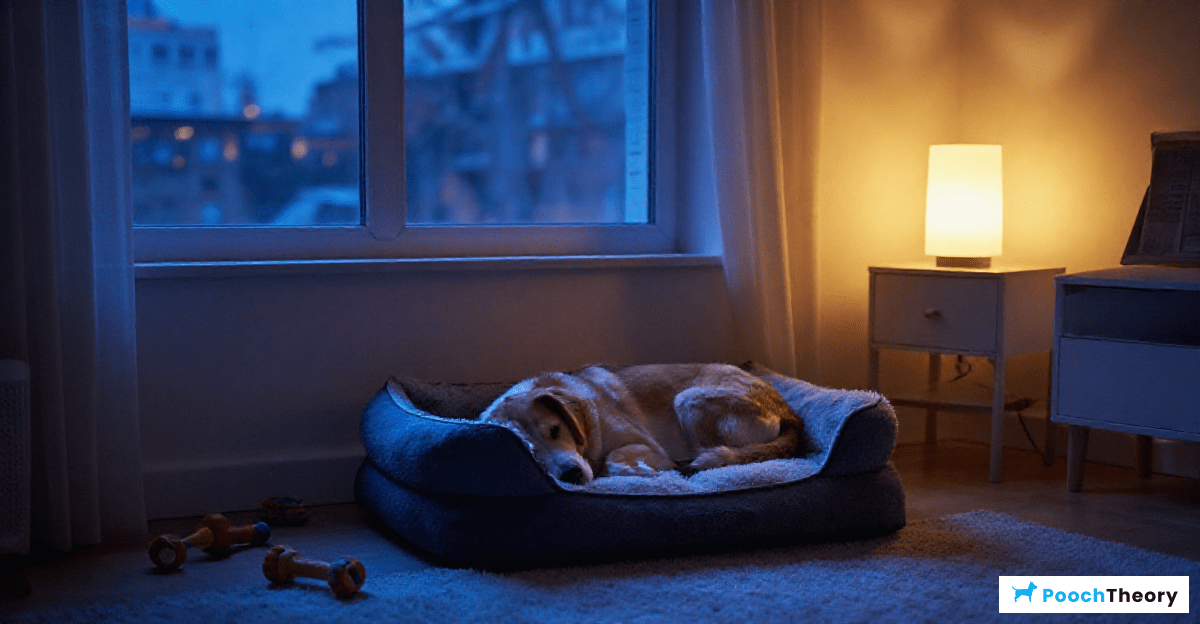
- Safe Zones: Designate a cozy space for your dog, complete with their favorite bed or blankets, where they can retreat during noisy times. This area should be away from windows and doors to minimize exposure to outside disturbances.
- Consistent Routine: Establish a bedtime routine that includes calming activities, such as quiet play or gentle petting, to signal that it’s time to settle down. A predictable schedule can help your dog feel secure, reducing anxiety that may lead to barking throughout the night.
- Lighting and Décor: Use soft, dimmable lighting in the evening to create a peaceful environment. Choosing warm, muted colors in your apartment can also have a calming effect on both your dog and yourself.
- Avoid Disruptive Triggers: Be mindful of sudden noises such as neighbors in the hallway or outside traffic. Whenever possible, close windows during peak noise times or consider using soundproof window film to further isolate your apartment from indoor and outdoor disturbances.
Positive Reinforcement Techniques
To effectively train your dog to stop barking at night, employing positive reinforcement techniques is crucial. Here are some strategies that can help mitigate this behavior:
- Identify Triggers: Understanding what sparks your dog’s barking is the first step. Common triggers include noises from the environment or separation anxiety. Dogs can develop a tendency to react to predictable sounds, particularly nighttime noises.
- Establish a Routine: Dogs thrive on routine. Consistent schedules for feeding, playtime, and bedtime can give your dog a sense of security, reducing anxiety and the urge to bark.
- Utilize Positive Reinforcement: Reward your dog for quiet behavior. When your dog refrains from barking, even for short periods, provide immediate praise or treats.
- Desensitization Techniques: Gradual exposure to the sounds that trigger barking can help. Start by playing recordings of these sounds at a low volume while engaging in play, gradually increasing the volume as your dog becomes more comfortable.
- Provide a Safe Space: Creating a designated area that feels safe can be beneficial, especially during nighttime. Ensure this area has comfortable bedding and is free from distractions.
Importance of Physical and Mental Stimulation
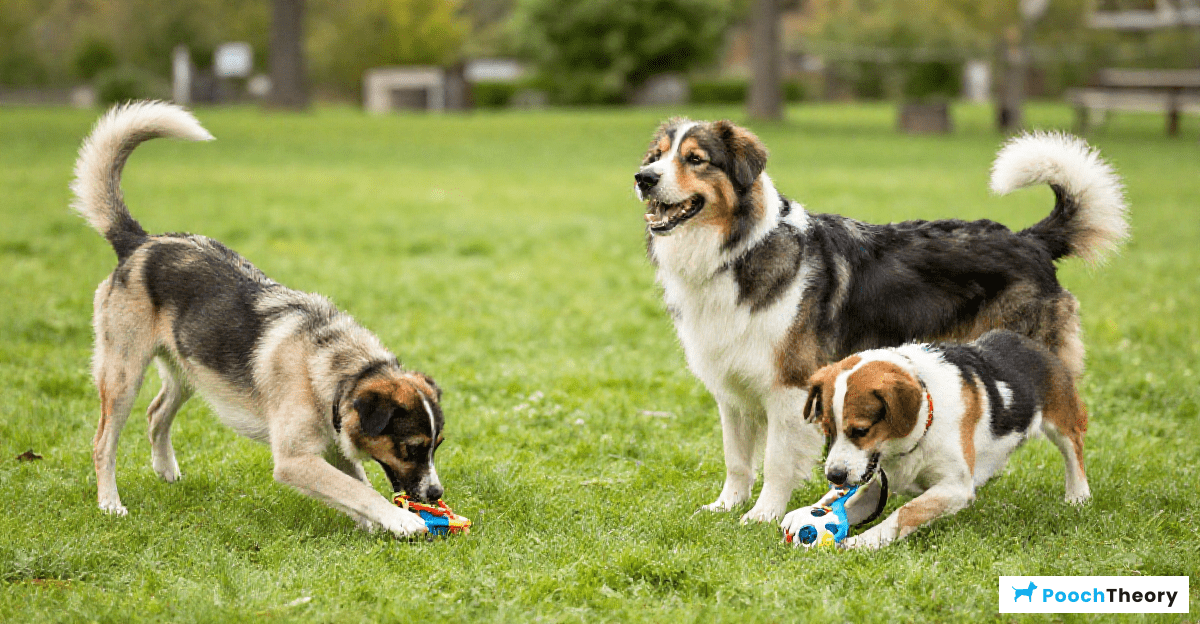
Providing sufficient physical and mental stimulation for your dog during the day is crucial in minimizing unwanted behaviors, such as night barking. A well-exercised dog is typically a calmer dog; regular activities not only help to release pent-up energy but also boost their overall well-being.
Engaging your dog in daily physical activities — like walking, playing fetch, or engaging in agility exercises — can significantly diminish restless behavior at night. Studies show that dogs who receive ample physical exercise tend to have better sleep patterns and are less inclined to exhibit anxiety-related behaviors.
Mental stimulation is equally essential. Activities such as puzzle toys, interactive games, or training sessions can provide cognitive challenges that keep your dog engaged. Incorporating mental exercises into your dog’s routine can help them develop focus and reduce stress, preventing boredom.
Creating a Comfortable Sleeping Area

To create a comfortable sleeping area for your dog, focus on several key aspects that promote coziness and restful sleep:
- Bedding: Select a high-quality dog bed that suits your dog’s sleeping style. Ensure the bedding is made of soft, breathable fabric to enhance comfort and support joint health.
- Location: Place the bed in a quiet, low-traffic area of your home, away from loud noises and disturbances. Consider using background noise to mask sudden sounds.
- Temperature: Ensure the sleeping area is kept at a comfortable temperature during both hot and cold months, aiding your dog’s comfort.
- Nighttime Routine: Establish a consistent bedtime routine that gradually introduces your dog to normal household sounds, which can help in reducing noise sensitivity.
Tools and Devices for Managing Barking
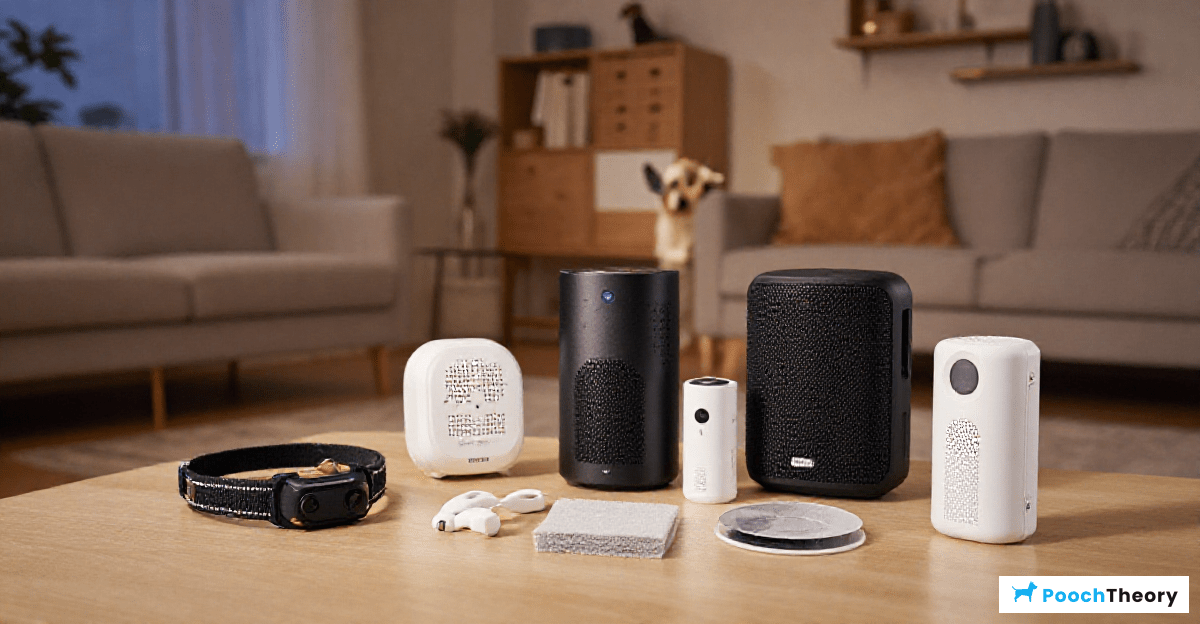
Controlling excessive barking in dogs can be effectively managed with various tools and devices. Here’s an overview of some popular options:
- Anti-Bark Collars: These collars come in different types, including shock collars, vibration collars, and citronella spray collars. While some studies suggest these tools can produce short-term results, behavior modification is a critical component in conjunction with their use.
- White Noise Machines: These devices help mask background sounds that may trigger barking, creating a calmer environment for your dog.
- Ultrasonic Bark Control Devices: These devices emit high-frequency sounds that are audible to dogs but not to humans when they bark, and can discourage barking over time.
- Environmental Modifications: Changing your dog’s environment, such as creating a secure, quiet space for retreat, can significantly reduce barking triggers.
When to Seek Professional Help

When barking persists despite your best efforts, consulting with a professional dog trainer or veterinarian becomes essential. Persistent barking can indicate underlying issues such as anxiety or medical problems, necessitating expert insight.
When to Seek Help: If your dog’s barking is excessive—hindering your daily life or causing distress to you or your neighbors, it’s time to consider professional help. Additional signs include frequent anxious behaviors or sudden onset of barking.
How to Consult a Professional: Start by identifying the right professional. A certified dog trainer can help with behavioral modification strategies for barking, while a veterinarian can rule out medical concerns. Being prepared to discuss your dog’s behavior in detail can empower the trainer or vet to design a tailored approach.
Sources
- Forbes – Sleep Awareness Week: Create the Perfect Stylish Bedroom for Sleeping
- Newsweek – Senior Dog Barking Every Night: People Think They Know Why
- Newsweek – Trainer Reveals the Number 1 Noise Trigger for Dogs Not Fireworks
- Pooch Theory – How to Choose a Dog Trainer: Positive Reinforcement vs Traditional