


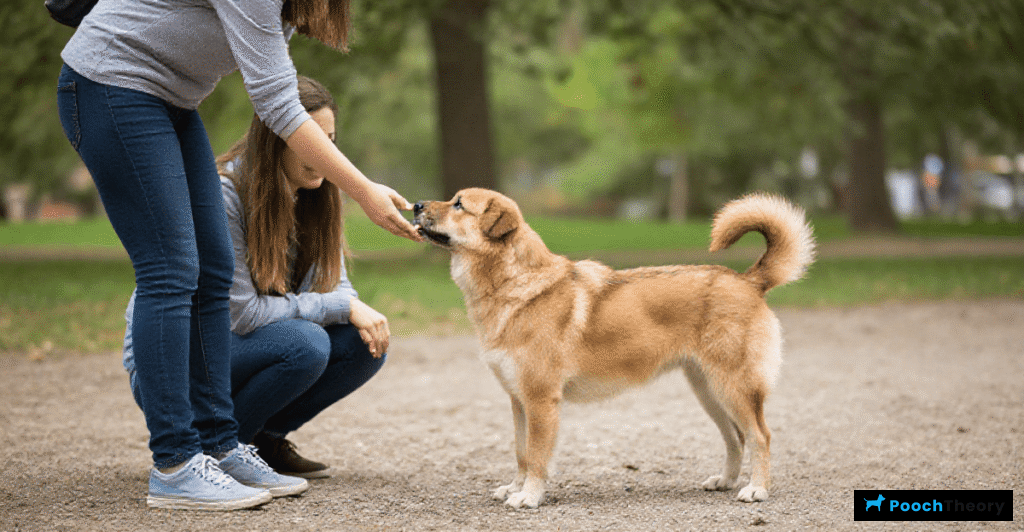
Introducing a Protective Dog to Strangers
Introducing a protective dog to strangers requires careful planning and execution to ensure safety for both the dog and those they encounter. It’s essential to acknowledge that a dog’s protective instincts can be instinctive, yet context-dependent. As such, a controlled introduction can help mitigate anxiety and potential aggression that may arise in unfamiliar situations.
Proper socialization is crucial to managing this behavior. For instance, introducing your dog gradually to new faces can help them acclimate without feeling threatened. Positive reinforcement techniques, such as offering treats or praise when the dog remains calm, can be beneficial during these interactions, fostering a more relaxed demeanor around strangers. This approach echoes the processes outlined in our article on how to socialize a dog, which emphasizes the need for gradual exposure and constant positive reinforcement.
Additionally, recognizing the environmental factors at play, such as loud noises and sudden movements, is vital. As noted by experts, a dog’s behavior can change significantly under stress or excitement, leading to misunderstandings in social contexts [BBC]. By controlling the environment during introductions, dog owners can help mitigate stress responses and encourage better interactions with strangers.
In summary, to safely and effectively introduce a protective dog to strangers, owners must prioritize systematic exposure, utilize positive reinforcement training strategies, and be mindful of the surrounding environment. This foundational work not only promotes better social skills for the dog but also builds a stronger bond of trust between the owner and their pet.
Understanding Your Dog’s Behavior
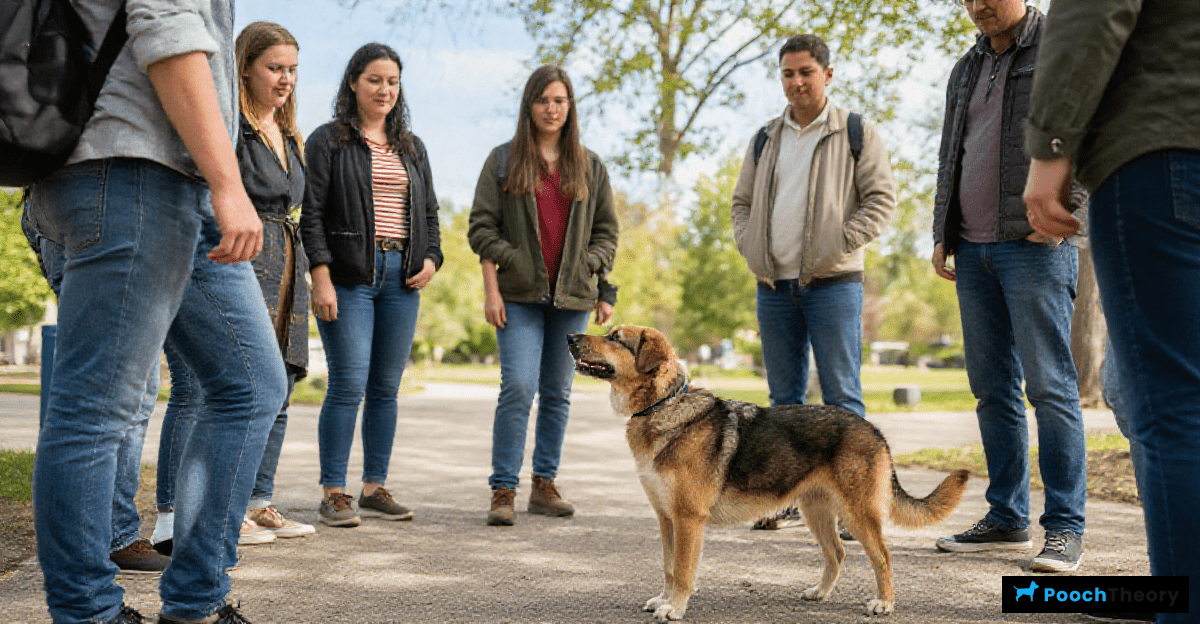

Understanding your dog’s behavior, especially during introductions, is key to fostering a harmonious relationship with your pet and others. Protective dogs often display specific behaviors when meeting new individuals, and interpreting these signals correctly is crucial.
One common behavior is submissive posturing. For instance, when a protective dog feels uncertain about a new person, they may exhibit what is referred to as a “crab walk,” wherein they lower their body and move sideways. This behavior indicates a blend of anxiety and a desire for peace, and is often seen in breeds with strong prey drives. A recent viral clip shows this in action as a dog met a new sibling [Newsweek].
Another significant behavior to watch for is alertness. Protective dogs may stand rigid, ears perked, and eyes focused on the newcomer. This stance is not inherently aggressive; rather, it demonstrates the dog’s alertness to potential threats. It’s essential to distinguish between curiosity and aggression; an alert dog can still be approached calmly, especially if their body language remains relaxed.
You might also observe growling or barking as an initial reaction to a new person. While these behaviors can indicate a defensive stance, they can also stem from excitement or playfulness. For example, a golden retriever displaying reluctance to leave its owner’s side when a newcomer is present may simply be assessing the situation [Newsweek]. It’s always best to approach such situations with patience, allowing the dog to acclimate at their own pace.
During these interactions, it’s vital to give protective dogs their space and avoid forcing introductions. Encourage positive associations by allowing them to approach the new person on their terms. For additional socialization tips, see our guide on how to socialize a dog.
Planning for Introductions
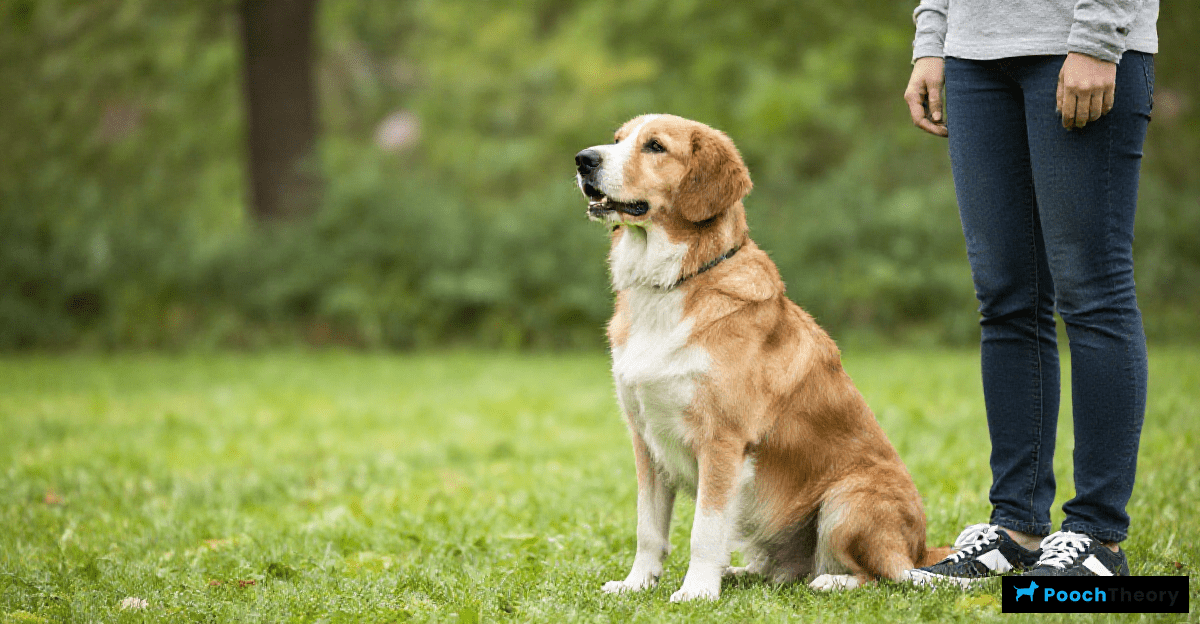
Preparing both yourself and your dog for meeting new people requires mindful planning and training. Here are some essential tips to ensure smooth introductions:
- Socialization Training: Begin by exposing your dog to a variety of social situations. This helps acclimate them to encounters with new people. Gradually introduce your dog to friends and family, allowing them to interact in a controlled environment. For more tips on dog socialization, check out our guide on how to socialize a dog.
- Use Positive Reinforcement: Reward your dog with treats or praise for calm behavior during introductions. This creates positive associations with meeting new people, helping reduce any fear or anxiety. Consistent rewarding can shape your dog’s behavior over time.
- Manage Your Energy: Dogs often pick up on their owner’s emotions. If you are calm and confident, your dog is likely to feel the same way. Practice relaxation techniques such as deep breathing to maintain a composed demeanor before entering new social environments.
- Teach Basic Commands: Commands like “sit,” “stay,” and “leave it” can help you manage your dog’s behavior during introductions. It provides you with control in potentially overwhelming situations. For more training techniques, see our ultimate guide to dog training.
- Introduce Slowly: When meeting someone new, allow your dog to approach in their own time. Keep the initial encounter low-key by encouraging gentle greetings rather than forcing contact. This approach helps reduce stress for both you and your dog.
- Read Body Language: Both your own and your dog’s body language plays a crucial role. Be attentive to your dog’s signals; if they seem tense or anxious, don’t push interactions. Similarly, observe how people approach your dog and guide them on how to approach appropriately.
- Prepare Others: Educate friends and family on how to behave around your dog. Explain the importance of respecting their space and not reaching out to pet until your dog is comfortable. This ensures a more positive and relaxed interaction.
By preparing properly, you can help foster a positive environment for both you and your dog when meeting new people. Consistent practice and understanding of both your and your dog’s needs will create a more enjoyable experience for everyone involved.
Emergency Protocols and Safety Measures

When introducing a protective dog to a stranger, the principles of patience and consistency play a vital role in ensuring positive interactions. Protective breeds often exhibit strong instincts to guard their territory and loved ones, which can make socialization with unfamiliar people challenging. It is imperative to approach this process with a calm demeanor and a clear strategy, beginning with gradual exposure in controlled environments.
Key strategies include establishing positive associations with the presence of new people. Use treats or praise when the dog remains calm in the presence of a stranger, which helps to reinforce desirable behavior. Consistency is crucial; employing the same commands, cues, and rewards during each interaction fosters a sense of security for the dog and helps it understand what is expected. Moreover, maintaining a routine in training sessions aids in building the dog’s confidence and trust over time.
In addition, the environment plays a significant role. Ensure the dog feels safe and secure at home and gradually introduce strangers outside this safe space. For instance, starting with friends or family members can help bridge the gap before escalating to unfamiliar individuals. This method not only reduces anxiety but also builds the dog’s confidence in social situations, as it learns that new people can be non-threatening.
Ultimately, nurturing a protective dog’s temperament through patience, consistency, and positive reinforcement leads to a well-adjusted companion that can interact amicably with strangers. Resources such as socialization techniques or training tips can enhance this journey, ensuring the dog remains protective while developing trust and comfort in broader social scenarios.
Observing Body Language
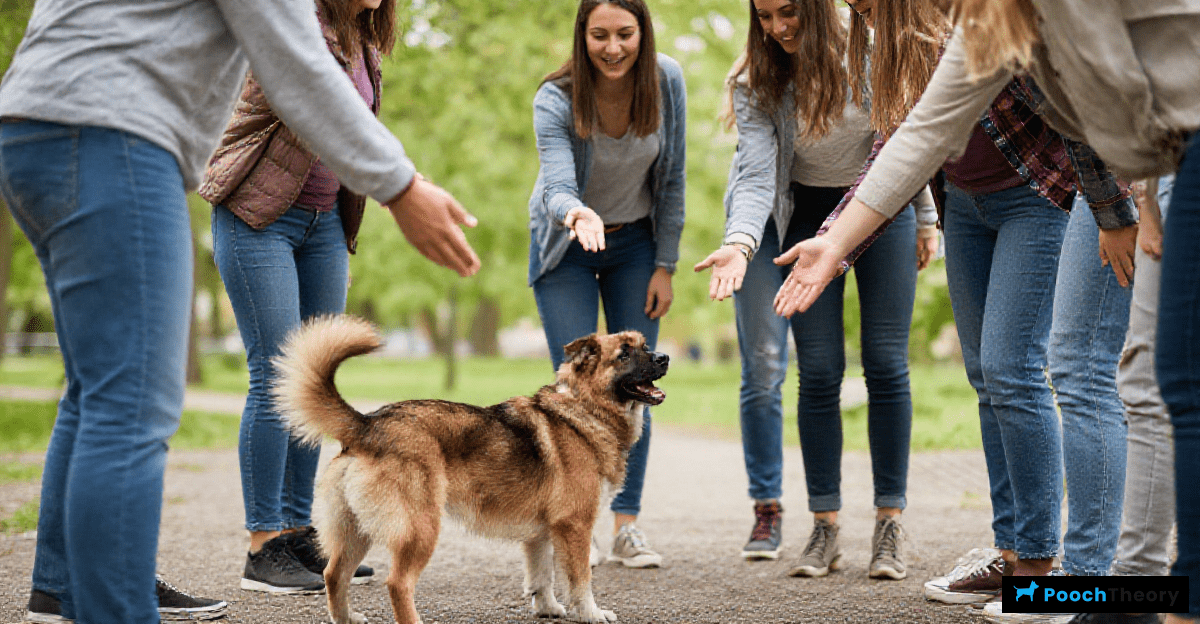
Understanding body language is essential for nurturing safe interactions between your dog and others. A dog expresses emotions and intentions through its posture, tail position, ear orientation, and facial expressions. For example, a relaxed dog will have a loose body with a wagging tail, while a dog that feels threatened may display a stiff body, tucked tail, or flattened ears. Observing these signs can help prevent aggressive confrontations and ensure positive socialization experiences.
When interacting with strangers, human or canine, it’s crucial to also read the body language of the person involved. Look for open body postures and a relaxed demeanor, which usually indicate comfort and a friendly intent. Conversely, crossing arms or averted gaze may suggest hesitancy or dislike, potentially signaling a reason to keep your distance. Understanding these cues from both parties can guide your approach and increase the safety of the interaction.
For dogs, the “bubble theory” is a useful concept. This principle emphasizes the personal space each dog requires to feel secure. Approaching dogs invasively can trigger fearful or aggressive behaviors, emphasizing the importance of maintaining a safe distance until a dog indicates comfort. For further details on ensuring safe interactions, consider exploring our article on how to socialize a dog.
Body language is not only crucial in maintaining safety during dog interactions but also serves as a foundational aspect of effective dog training. By recognizing and respecting your dog’s signals, you’re better equipped to foster a trusting relationship. For tips on building this bond, check our comprehensive guide on dog training techniques.
Implementing Positive Reinforcement

Positive reinforcement is a highly effective training method that utilizes treats and praise to encourage good behavior in dogs during introductions. To effectively implement positive reinforcement, timing and consistency are crucial. When your dog displays the desired behavior, such as sitting calmly or coming when called, immediately reward them with a treat or enthusiastic praise. This immediate reinforcement helps your dog associate the good behavior with a positive outcome, reinforcing the behavior over time.
Start by using high-value treats that your dog loves, such as small pieces of chicken or cheese. This will motivate them to perform the desired behaviors. For example, when introducing your dog to new people or environments, reward them for calm and relaxed behavior. This technique not only helps in building trust but also makes the experience enjoyable for your pet. According to a recent article, utilizing treats can significantly improve a dog’s learning and adjustment in new situations by creating positive associations [Newsweek].
In addition to treats, verbal praise and petting also play a vital role in positive reinforcement. Make sure your tone of voice is upbeat and encouraging when praising your dog, as they respond well to emotional cues from their owners. Timing is critical; the praise or treat must coincide closely with the desired behavior, ideally within a few seconds, to be effective. Furthermore, maintaining consistency is important; ensure everyone in the household uses the same cues and rewards so your dog receives a unified message.
Remember, it is essential to gradually reduce the frequency of treats as your dog learns the behaviors, transitioning to intermittent rewards. This not only prevents dependency on treats but also encourages your dog to exhibit the positive behavior independently. For more insights on dog training techniques, check our Ultimate Guide to Dog Training. Embracing these methods will empower your dog to learn, adapt, and thrive in various situations, creating a beautiful bond built on trust and positive interactions.