


Barking and Lunging: Understanding Dog Behaviors
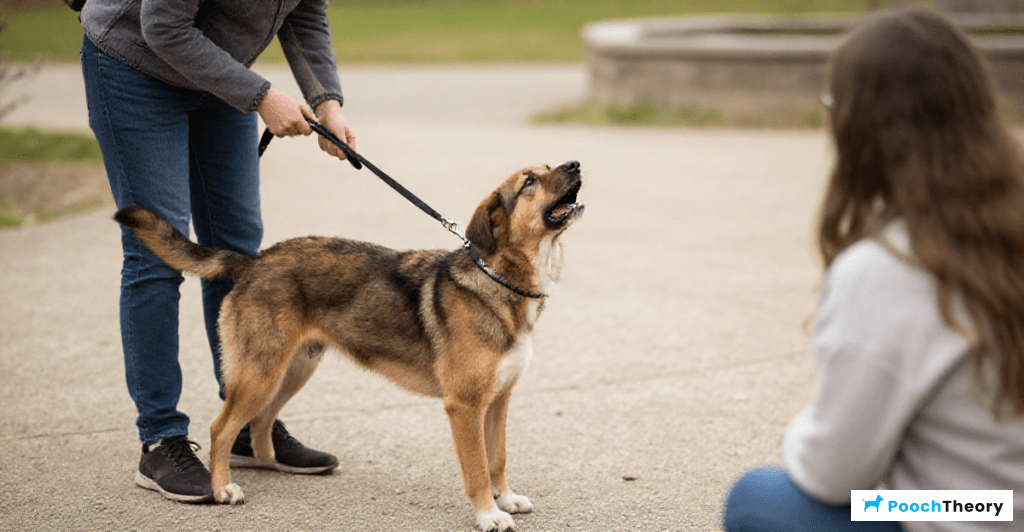
Barking and lunging behaviors in dogs can indicate a variety of emotional states, including fear, excitement, or territoriality. These behaviors often stem from a dog’s instinct to protect their territory or alert their owner to perceived threats. Reactive dogs may bark and lunge at other dogs or people due to anxiety or frustration, making it essential for owners to understand and address these behaviors promptly. Proper intervention not only reinforces positive behavior but also enhances safety for both the dog and the public. Reactive dog breeds, for instance, are often more prone to such actions, requiring specialized training approaches to mitigate their reactions.
Training Strategies for Barking and Lunging
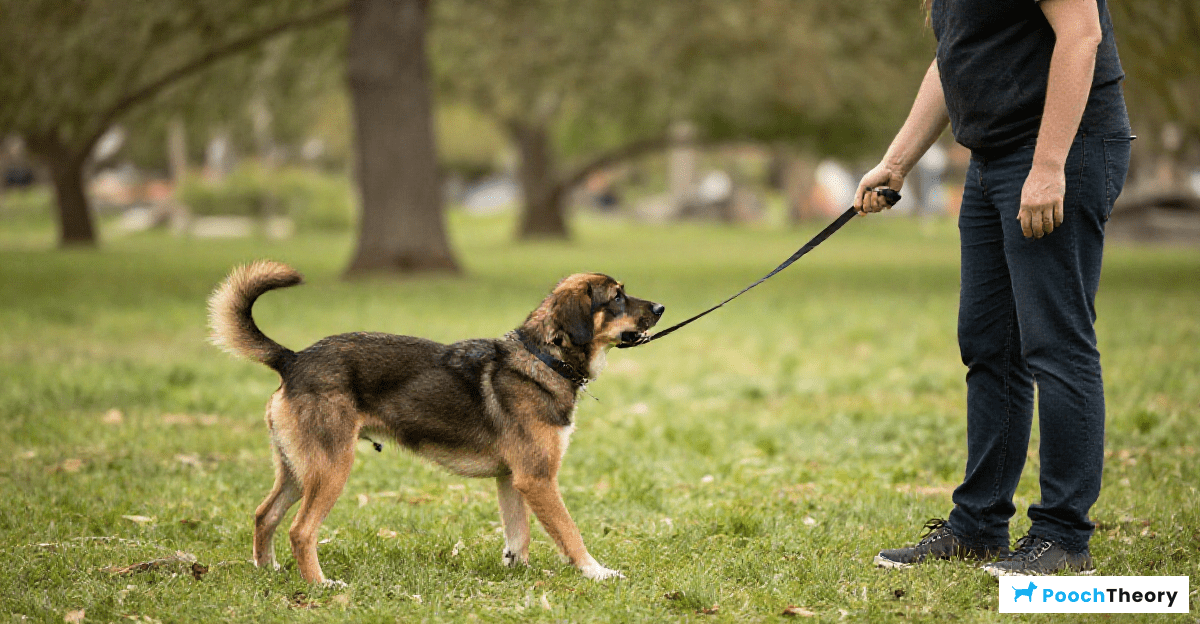

Addressing barking and lunging is vital in fostering better social interactions for dogs. If left unchecked, these behaviors can lead to negative encounters and contribute to a dog’s anxiety. Training strategies that include positive reinforcement, socialization, and management techniques can significantly reduce these behaviors, enabling dogs to feel more secure and less threatened in various situations. For training tips, explore our guide on dog training techniques. Engaging a professional trainer or participating in classes can greatly assist owners in learning how to manage and redirect these behaviors effectively, ensuring a more harmonious relationship between dogs and their environments.
Reasons for Lunging at Strangers
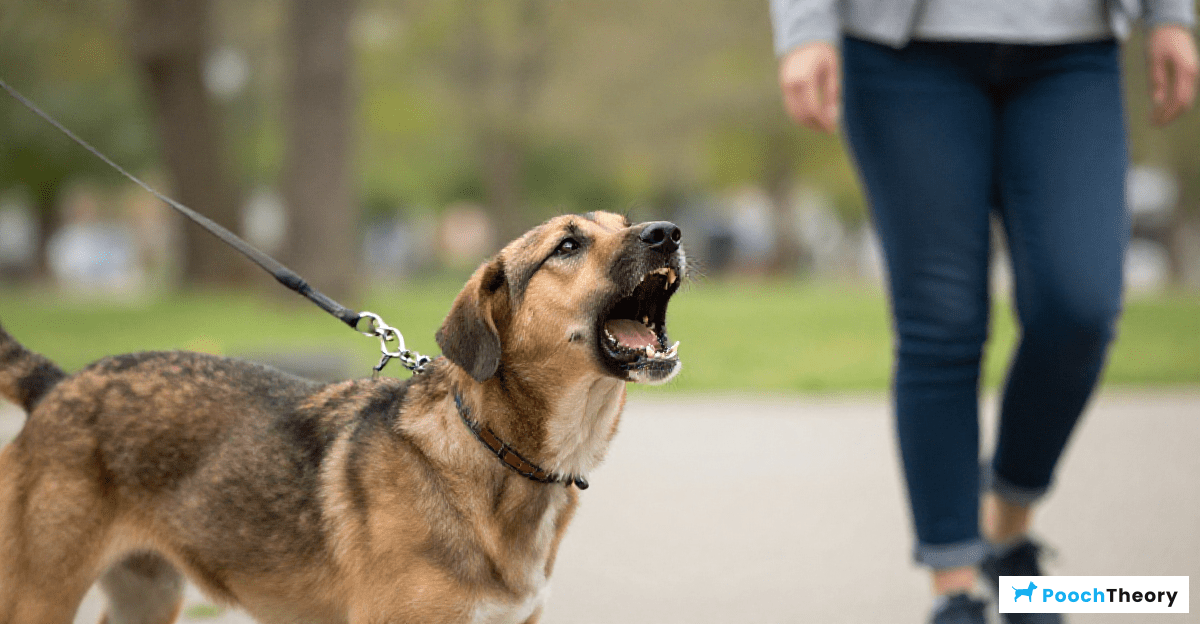
Dogs bark and lunge at strangers for various reasons, often tied to their instinctual protective behaviors, territorial instincts, or fear. When a dog perceives a stranger approaching, it might interpret this as a threat, prompting a bark, lunge, or both as a way to ward off the intruder. This reaction can be particularly pronounced in breeds known for their guarding instincts, such as German Shepherds, who are trained to protect and alert owners to potential dangers (Newsweek).
Triggers for barking and lunging can vary but commonly include unfamiliar sights, sounds, and smells. For instance, a dog might react to a stranger’s approach, similar to how it responds to the doorbell, indicating its instinct to guard its territory (Washington Post). A dog’s past experiences play a significant role; if a dog has had negative encounters with strangers, its fear response may heighten, leading to more aggressive assertiveness in similar situations.
Desensitization Process for Reactive Behaviors
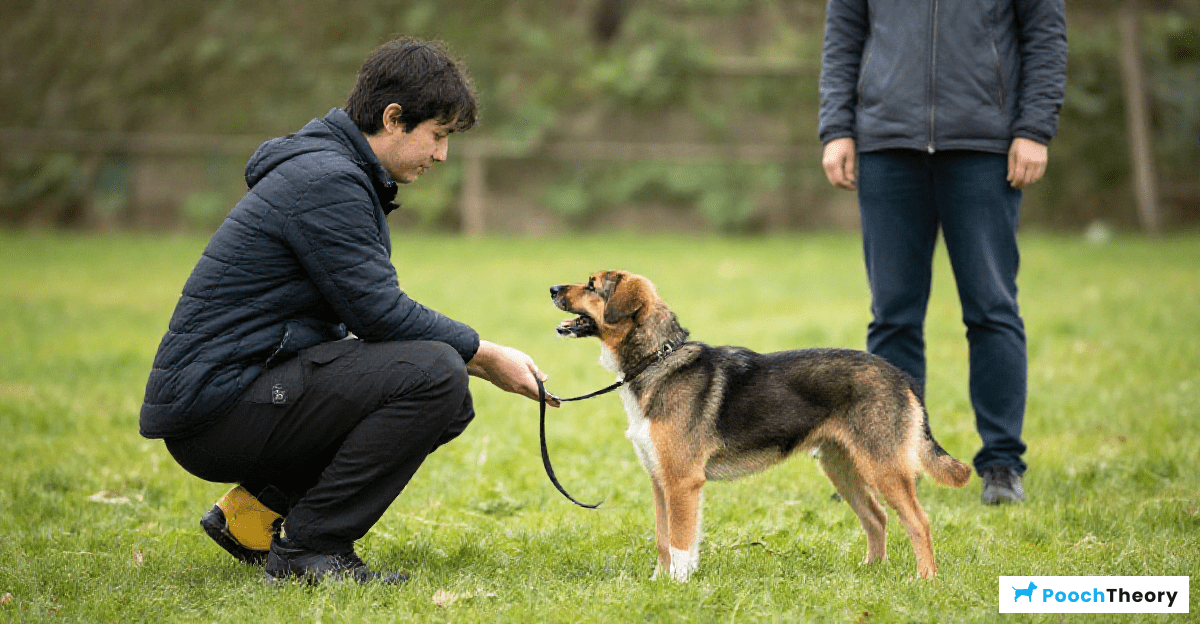
The desensitization process is crucial for helping dogs manage their reactions to strangers. Here’s a structured approach to gradually expose your dog to new people while reinforcing calm behavior and reducing reactivity:
- Assess Your Dog’s Comfort: Start by observing your dog’s body language around strangers. Identify specific triggers that may cause anxiety or aggressive reactions.
- Controlled Exposure: Introduce your dog to strangers at a distance where they feel safe, allowing them to observe without direct interaction.
- Reward Calm Behavior: Use positive reinforcement when your dog remains calm, offering treats or engaging in play to create a positive association.
- Gradual Decrease of Distance: Slowly reduce the distance between your dog and the strangers over multiple sessions, continuing to reward calmness.
- Introduce Controlled Interactions: Arrange controlled introductions with friendly individuals who can give your dog space.
- Use Calming Aids: Consider using calming aids such as music or a comforting toy during exposure sessions.
- Monitor Progress: Keep track of your dog’s reactions during each session, noting improvements and adjusting training methods as needed.
Positive Reinforcement in Dog Training
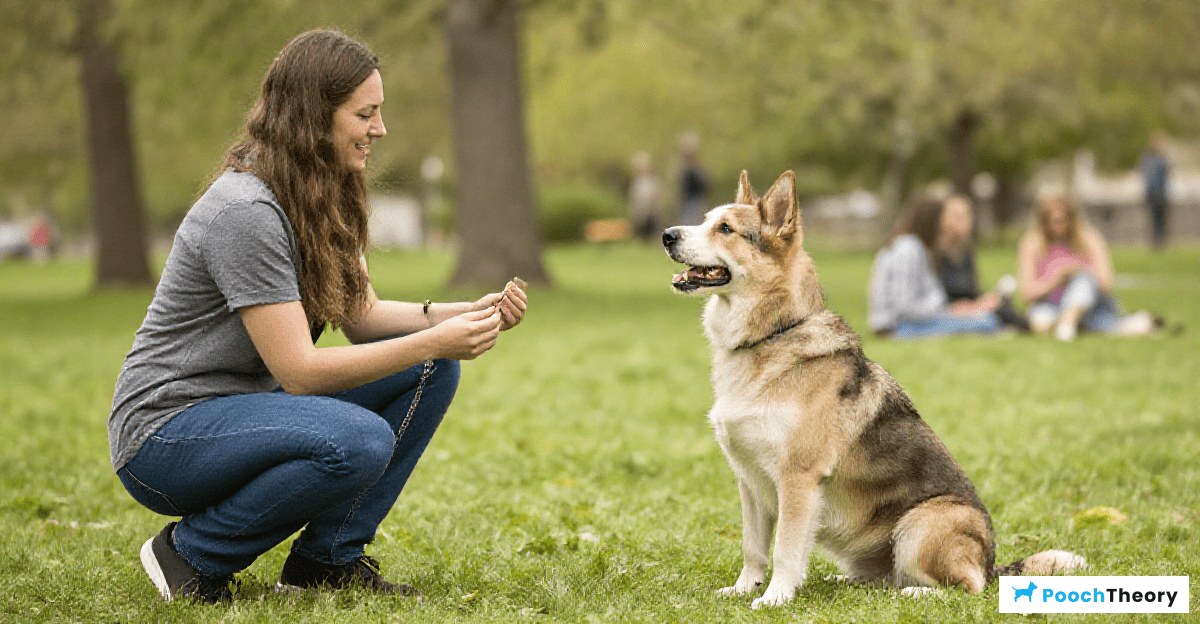
Positive reinforcement plays a crucial role in effective dog training by encouraging desirable behaviors through the use of rewards and praise. This method is based on the principle that behaviors followed by positive outcomes are more likely to be repeated. Studies have shown that dogs respond significantly better to training that incorporates rewards such as treats, toys, or affection [Source].
Utilizing verbal praise during training sessions enhances this effect, as dogs often seek approval from their owners. For instance, when a dog performs a command correctly, immediate praise helps reinforce that behavior. Incorporating a variety of rewards is beneficial; food rewards may be effective initially, but mixing in toys or affection can sustain interest and motivation.
Monitoring Progress in Training
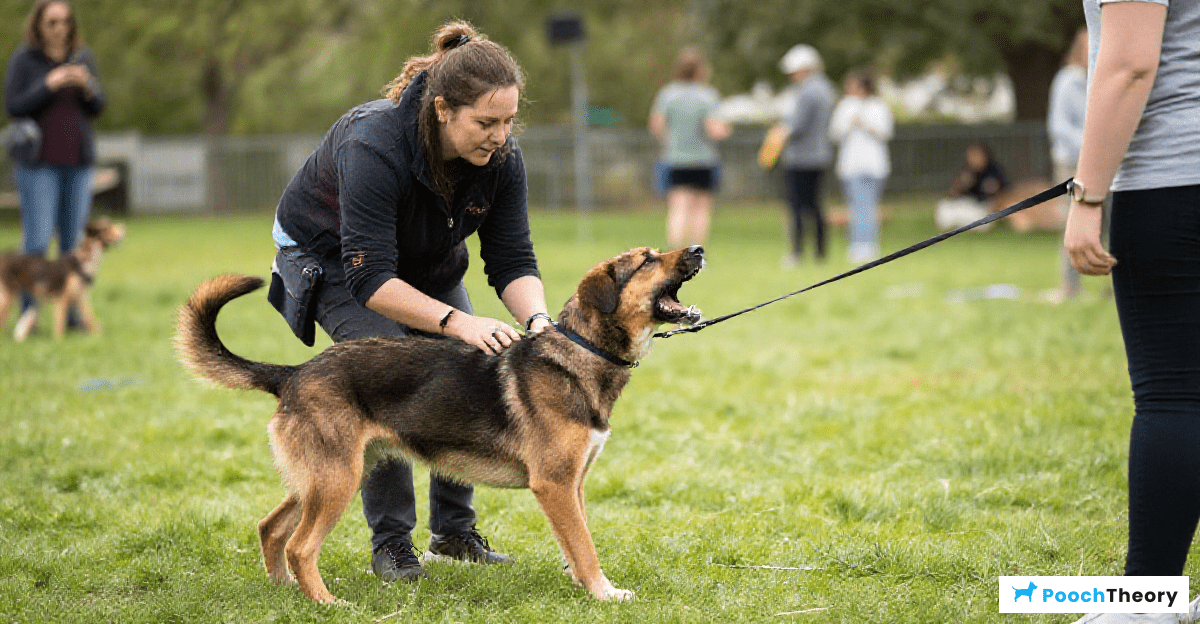
To effectively track your dog’s progress during training, consistent monitoring is essential. Start by establishing clear, measurable goals for each training session, such as improving specific commands or responses. Keeping a training log can help track performance and note changes in behavior over time.
Using both qualitative and quantitative assessments to track milestones can reveal strengths and areas needing more focus. It is also beneficial to frequently reassess your training methods based on your dog’s progress. Resources like the Ultimate Guide to Dog Training can provide effective strategies tailored to your dog’s needs.
When to Seek Professional Help
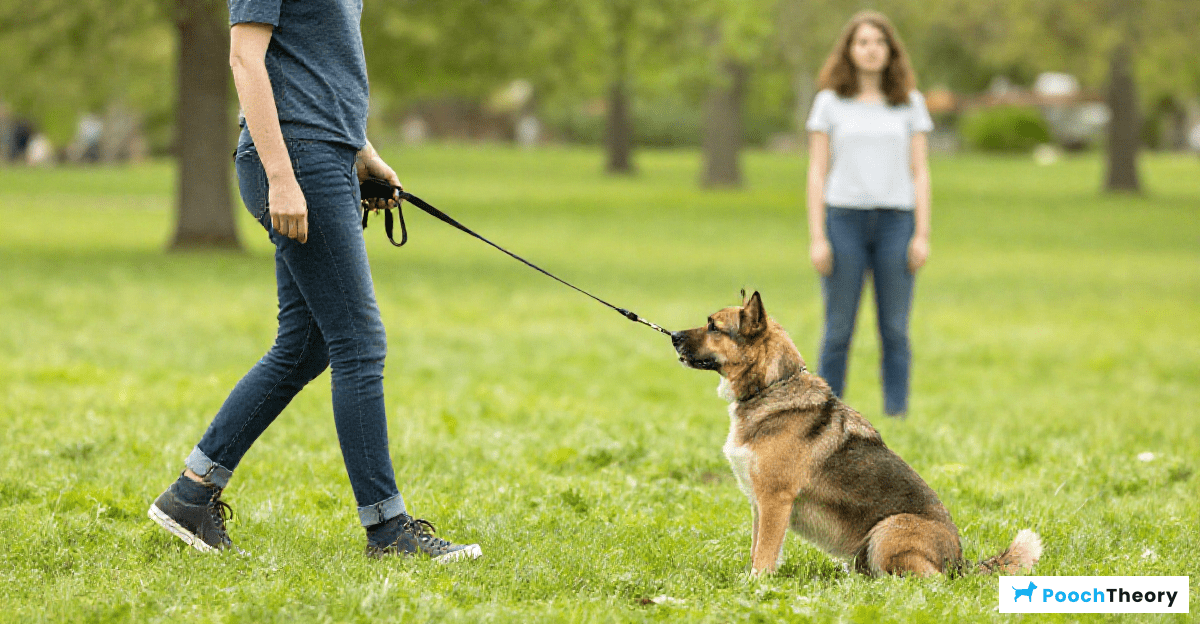
Recognizing when to seek professional help for your dog’s behavioral issues is crucial for a harmonious relationship. If you find your dog displaying signs of aggression, severe anxiety, or behaviors that negatively impact their quality of life, it may be time to consult a professional trainer or behaviorist.
When searching for a qualified trainer, check their credentials, training philosophy, and experience with specific behavioral issues. Ensure their methods align with positive reinforcement principles rather than aversive techniques. Fostering open communication with your chosen professional is essential to develop an effective training plan tailored to your dog’s needs.
Conclusion: The Importance of Addressing Behavior
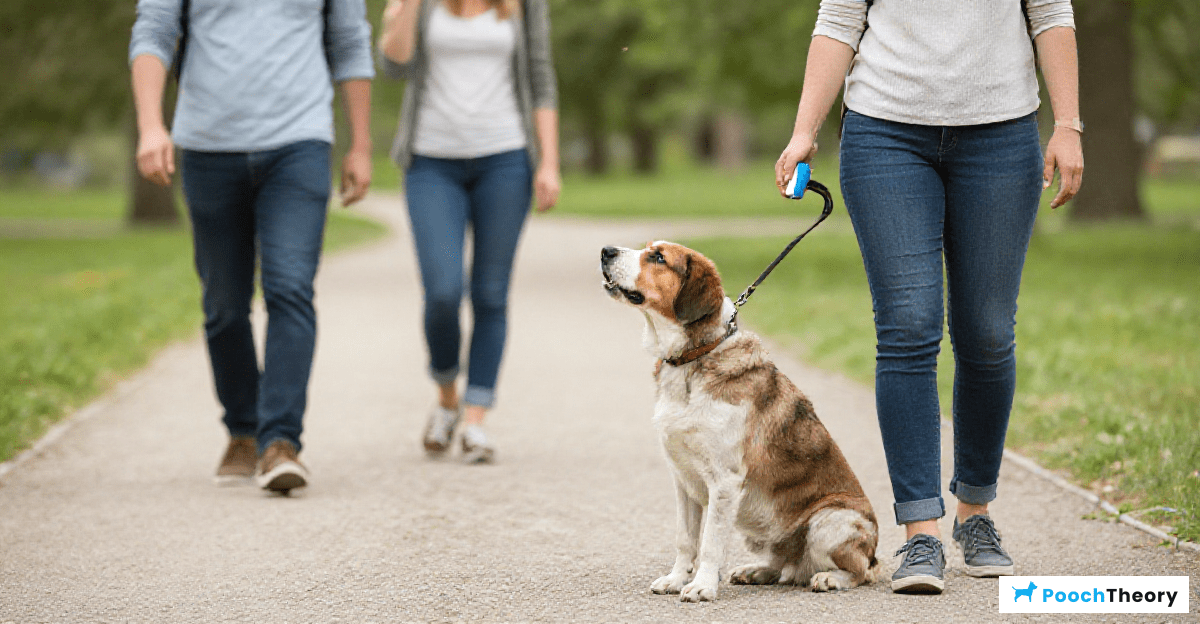
Addressing barking and lunging behavior in dogs is crucial for both the safety of the dog and the community. These behaviors often stem from fear, anxiety, or a lack of proper training. By understanding the root causes of these reactions, dog owners can implement effective training techniques that foster better behavior. Incorporating positive reinforcement, enrolling in training classes, and seeking help from professionals can facilitate significant changes in your dog’s demeanor.