

The Importance of Kennel Training for Puppies
Kennel training is an essential skill for puppies, offering a safe and secure environment while promoting positive behavior. This training method not only aids in housebreaking but also fosters a sense of comfort and security for the puppy. Many pet owners often face the dilemma of choosing the ideal location for kennel training—specifically between using a bedroom and a hallway. For more on puppy training strategies, visit our comprehensive guide on dog training tips.
Benefits of Kennel Training
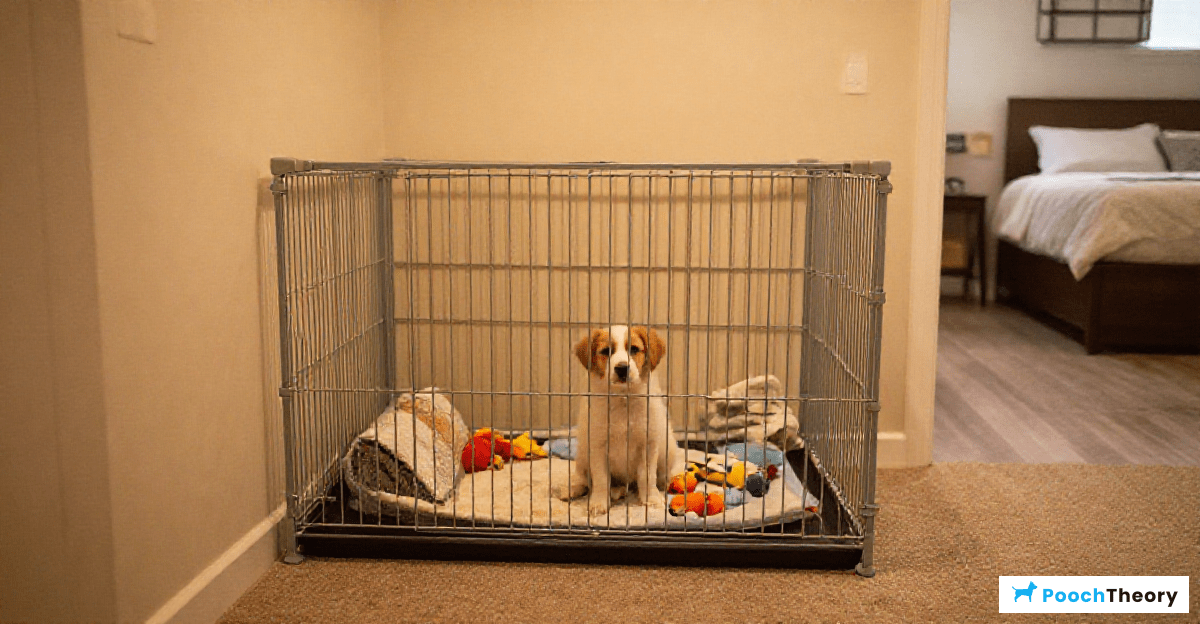
Kennel training offers several significant benefits for puppies, making it a popular choice among pet owners. One of its primary advantages is aiding in house training. A kennel, or crate, serves as a secure environment where puppies are less likely to eliminate. By instinct, dogs avoid soiling their sleeping area, which helps them develop control over their bladder and bowel movements. According to studies, consistent use of a crate can lead to quicker house training outcomes, reducing accidents by encouraging puppies to hold it until they are let outside (Newsweek).
Additionally, kennel training creates a safe space for puppies, particularly when they are left alone. Crates provide a secure area where they can retreat, preventing access to household items that could be harmful or lead to destructive behavior. This safety aspect is crucial for puppies who are naturally curious and prone to getting into trouble when unsupervised. By confining them to a kennel, owners can ensure their pets remain safe while also giving them a nurturing environment to learn independence (USA Today).
Kenneling also aids in reducing anxiety in some dogs. By establishing a consistent routine around crate time, puppies can become more accustomed to their space, which can alleviate separation anxiety over time. This benefit is particularly important for puppies, as early training can set them up for a more balanced emotional state in adulthood.
Pros and Cons of Kennel Training in the Bedroom
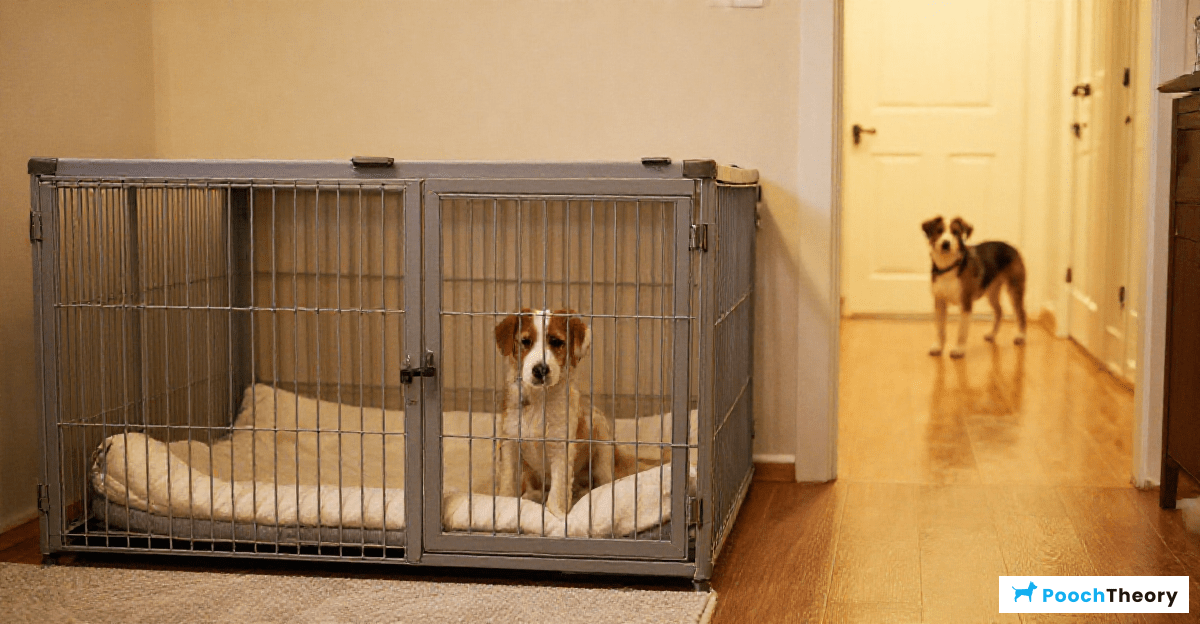
When considering kennel training in the bedroom, there are several pros and cons to take into account regarding comfort and companionship.
- Comfort and Security: Having your puppy’s kennel in the bedroom can provide a sense of comfort and security for both you and your puppy. A familiar space within view can alleviate stress, making it easier for them to settle down at night.
- Companionship: Keeping your puppy close during the night fosters a strong bond between you and your pet. This closeness alleviates feelings of loneliness and fear as they transition into their new home.
- Easier Monitoring: Having the kennel in your bedroom makes it easier to monitor your puppy’s behavior, allowing you to respond quickly to any signs of distress or the need to go outside.
However, there are also challenges to consider:
- Sleep Disruptions: Puppies may be restless at night, potentially interrupting your sleep.
- Dependency Issues: Your puppy may develop separation anxiety if they become too accustomed to sleeping near you.
- Potential for Overheating: Puppies might get too warm in a confined space next to you overnight.
In summary, kennel training in the bedroom offers both comfort and companionship, while also presenting some challenges. For more on effective training strategies, check out our detailed guide on puppy crate training.
Considerations for Kennel Training in the Hallway
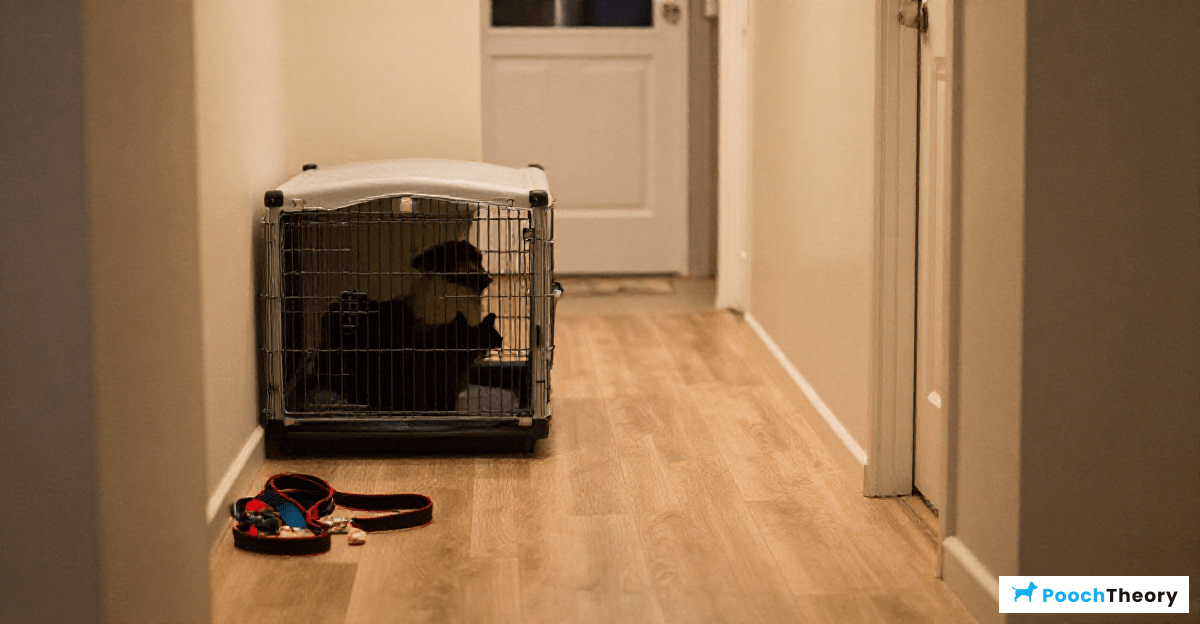
When considering kennel training in the hallway for your puppy, it is essential to evaluate both the advantages and disadvantages of this arrangement. One of the primary benefits is the increased accessibility for monitoring your puppy during training. Hallways are often high-traffic areas, allowing for frequent interaction as your puppy learns to adjust. This setup can help socialization, as puppies exposed to daily activities become accustomed to varying stimuli, aiding their adjustment.
On the downside, kennel training in a hallway may present challenges. Hallways can become congested, especially in busy homes, leading to stress for both the puppy and the family. It might also create hazards or unwanted distractions, making focused training difficult. Accessibility to the kennel is a double-edged sword; while it allows monitoring, it may also lead to overstimulation for the puppy (crate training fundamentals).
Factors to Consider for Kennel Placement
When deciding on kennel placement for your puppy, several key factors should be taken into consideration.
- Puppy’s Age: Younger puppies require more frequent potty breaks. A cozy kennel can make them feel secure during their adjustment in a new home.
- Temperament: Each puppy has a unique personality. A quieter spot might help a shy puppy feel more secure, while a more energetic puppy may thrive in a busier area.
- Space Availability: The physical space available can affect kennel placement; puppies need enough room to lie down and move comfortably.
By evaluating these factors, you can create a more suitable environment for your puppy, aiding in their transition and helping them feel secure in their new home. For more information on proper socialization techniques, check out our article on how to socialize a dog.
Tips for Successful Nighttime Kennel Training
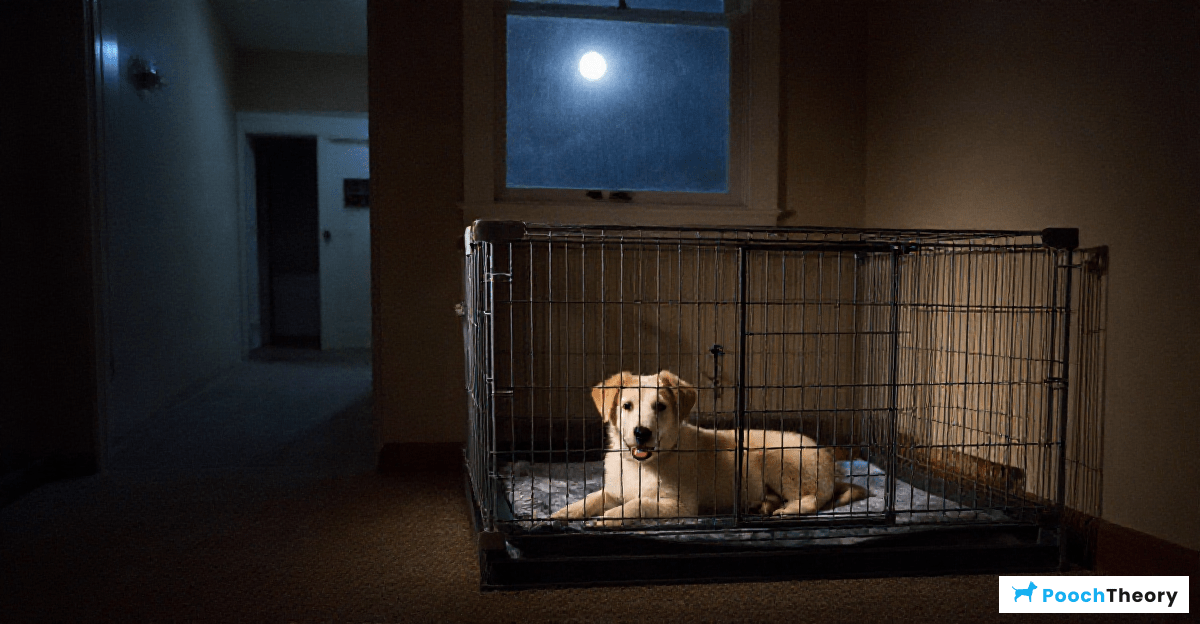
Nighttime kennel training can establish a comforting sleeping space for your dog while promoting good behavior. Here are actionable tips to ensure a smooth experience:
- Create a Comfortable Space: Make the kennel inviting by adding soft bedding and personal items, which can help your dog feel secure.
- Establish a Routine: A consistent nighttime routine can signal to your pet that it is time to settle down.
- Use Positive Reinforcement: Reward your dog for settling in the kennel quietly, helping them associate the space with something positive.
- Gradual Acclimatization: Introduce the kennel during the day for shorter periods to let your puppy explore the space comfortably.
- Monitor Environmental Factors: Ensure the kennel is in a comfortable temperature and away from disturbances to promote relaxation.
- Be Patient and Consistent: Kennel training can take time, and consistency is crucial.
- Use White Noise or Calming Music: For sensitive dogs, consider using white noise machines or calming music to mask distracting sounds.
Applying these strategies can make nighttime kennel training effective, promoting a peaceful coexistence and ensuring both you and your dog have quality sleep. For further guidance on dog training techniques, visit our comprehensive articles on home training tips and managing barking.
Choosing the Best Kennel Placement
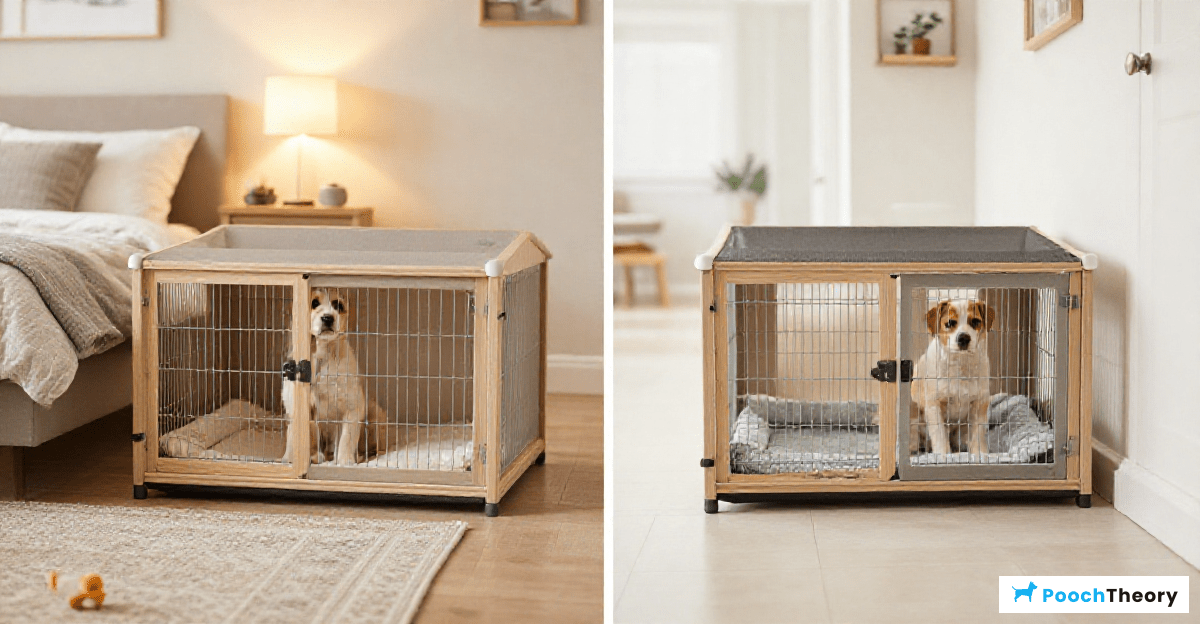
The best kennel placement for your puppy involves ensuring their comfort and safety. The environment should be soothing and familiar, like one that mimics a den-like setting. Visibility is also important; placing the kennel in a common area allows your puppy to see and hear you, alleviating loneliness. Additionally, attention to temperature control is vital; the kennel should be away from drafts and excessive heat to maintain a comfortable climate.
Training considerations should not be overlooked. Transitioning your puppy into the kennel should involve positive reinforcement strategies, such as offering treats or toys. Gradual introductions can significantly improve your puppy’s overall experience and establish a positive association with their kennel.
Sources
- Business Insider – Overnight Cat Boarding for Anxious Pets Services Expanded
- Newsweek – Golden Retriever Puppy Only Naps in One Spot: Reason
- Newsweek – Puppy Home Alone for the First Time: Pet Cam Footage Doesn’t Disappoint
- USA Today – How to Prepare a Cat for Boarding: Expert Tips to Reduce Stress and Anxiety



