

Positive Reinforcement Training Techniques
Positive reinforcement training focuses on rewarding desired behaviors to encourage their repetition. This method is particularly beneficial for busy professionals who may have limited time, as it allows for quick, effective training that can fit into their schedules. By utilizing treats, praise, or play as rewards, dog owners can teach their pets commands and behaviors without the need for harsh methods or extensive time commitments.
A significant advantage of positive reinforcement is its ability to strengthen the bond between the dog and owner. When a dog associates commands with positive outcomes, it enhances their motivation to respond, making the training process not just effective, but also enjoyable. According to research, this training approach has been found to reduce stress and anxiety in dogs, leading to a calmer, more responsive pet [Source]. As professionals juggle work-life demands, adopting such techniques can lead to quicker results without the risk of damaging the dog’s confidence or trust in their owner.
Moreover, positive reinforcement can be seamlessly integrated into daily routines. For instance, rewarding a dog for sitting quietly while you work can reinforce good behavior without requiring extensive training sessions. Professionals seeking to maximize their training efforts can explore additional resources and articles, such as tips for positive reinforcement alternatives and foundational training strategies in the ultimate guide to dog training.
Understanding Your Dog’s Behavior
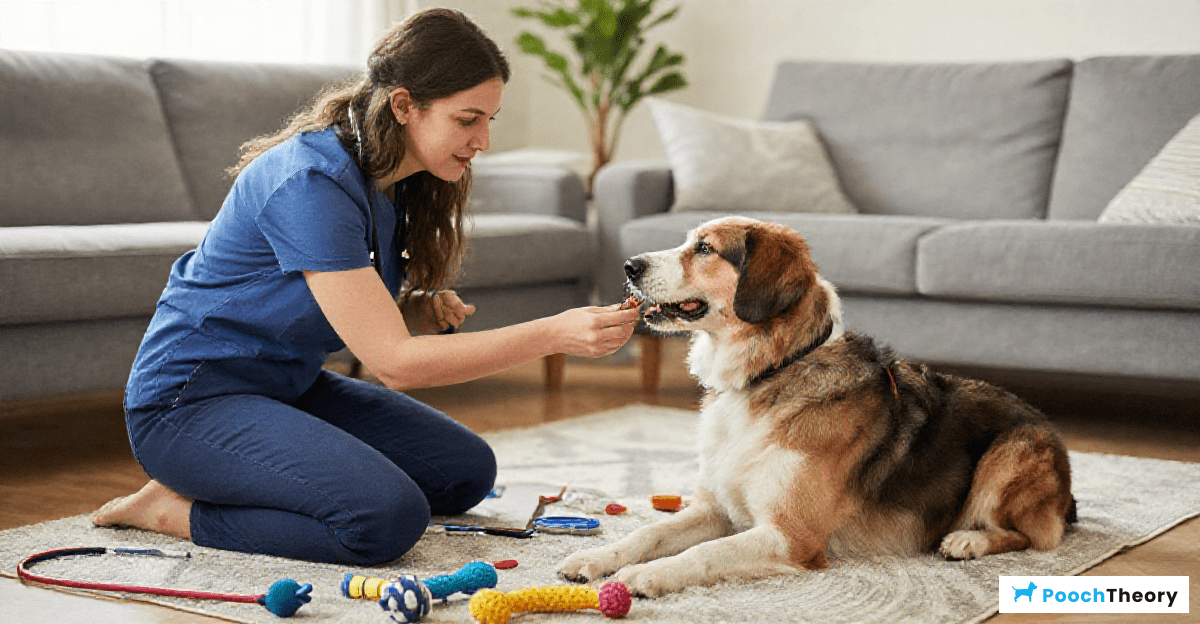
Understanding your dog’s behavior is crucial for effective training and creating a harmonious relationship. Dogs communicate through body language, barking, and other behaviors. Recognizing these signals enables owners to respond appropriately, leading to better training outcomes. For instance, a wagging tail usually indicates happiness, while a lowered body posture might suggest fear or submission.
One of the most effective methods for training dogs is positive reinforcement, which involves rewarding desired behaviors to encourage their recurrence. This method can replace more traditional, punitive training techniques, creating a kinder atmosphere for learning. Studies have shown that dogs trained using positive reinforcement tend to exhibit fewer behavioral problems and a stronger bond with their owners [Source].
For effective positive reinforcement, the timing of the reward is critical. Rewards should be given immediately following the desired behavior to help the dog connect the two [Source]. Common rewards include treats, praise, or play. It’s also important to gradually reduce the frequency of rewards to encourage the dog to perform the behavior without expecting a treat every time.
Maintaining Consistency in Training
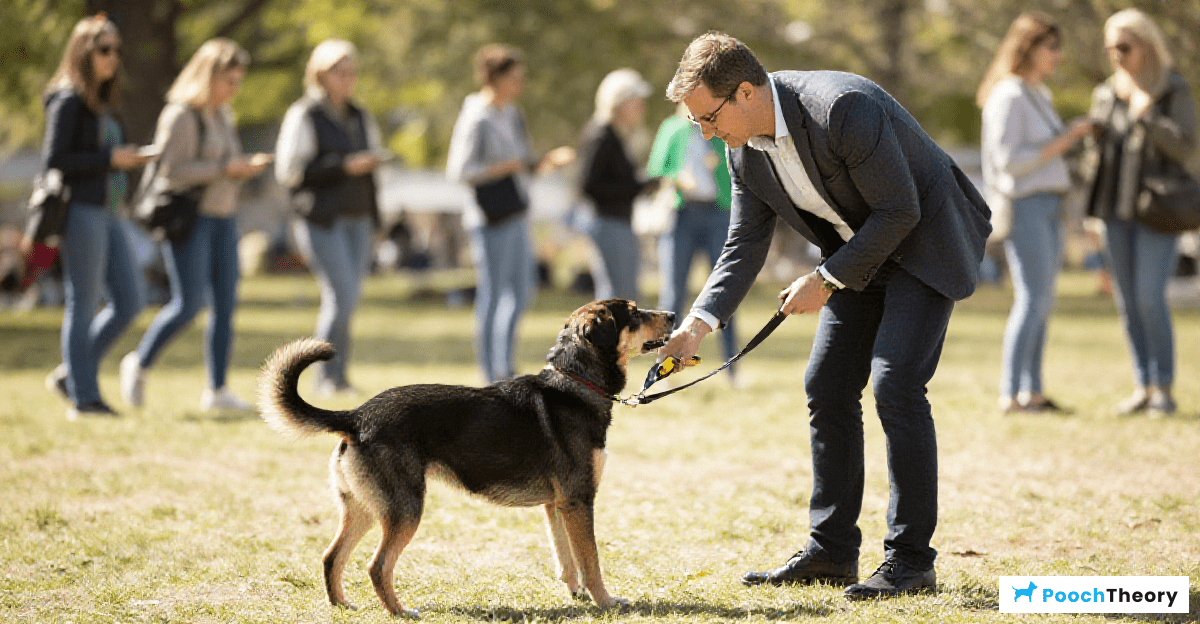
Maintaining consistency in dog training, particularly in commands and rewards, is fundamental for effective learning and behavior reinforcement. Dogs thrive on routine, making predictable commands and consistent rewards crucial for their understanding. Research shows that clear, consistent cues enable dogs to better link behaviors with rewards, enhancing their ability to learn over time [Source]. When owners deliver commands inconsistently, it can confuse the dog, leading to frustration on both ends.
For example, using the same command for a behavior—such as “sit”—ensures that the dog knows exactly what is expected. However, if different commands are used for the same action, or if rewards are given randomly, the dog may become unsure of how to respond. Additionally, the behavior observed in older dogs, such as one noted by Jess in a recent feature, illustrates that a consistent routine, especially during mealtime, can induce excitement and eagerness in dogs even at advanced ages [Source].
For effective dog training strategies that emphasize consistency, consider exploring our guides on how to introduce commands and reward systems in dog training.
Integrating Training into a Busy Schedule

Integrating dog training into a busy professional’s schedule requires strategic planning and effective time management. Here are some tips to create a manageable training schedule that fits your lifestyle:
- Prioritize Short Training Sessions: Instead of long training sessions, aim for short bursts of 5 to 10 minutes throughout the day. Research shows that dogs benefit from regular, brief training intervals that maintain their focus and engagement [Source].
- Incorporate Training into Daily Routines: Use daily activities such as walking or feeding times to reinforce commands or behaviors. For example, practice “sit” or “stay” before meals or during walks.
- Use Weekends Wisely: Set aside time during weekends for longer training sessions or specific goals, like teaching new tricks.
- Be Consistent with Commands: Ensure all family members use the same commands and signals to avoid confusing your dog.
- Make Use of Technology: Employ training apps that offer reminders and training tips.
- Consider Group Classes: Joining a group class can provide scheduled training times, along with socialization for your dog.
By embedding training into your daily schedule and leveraging your available time strategically, you can create an effective training routine that fosters a well-behaved and happy dog. For more detailed techniques on incorporating training into your life, check out our guide on essential commands.
Choosing the Right Rewards
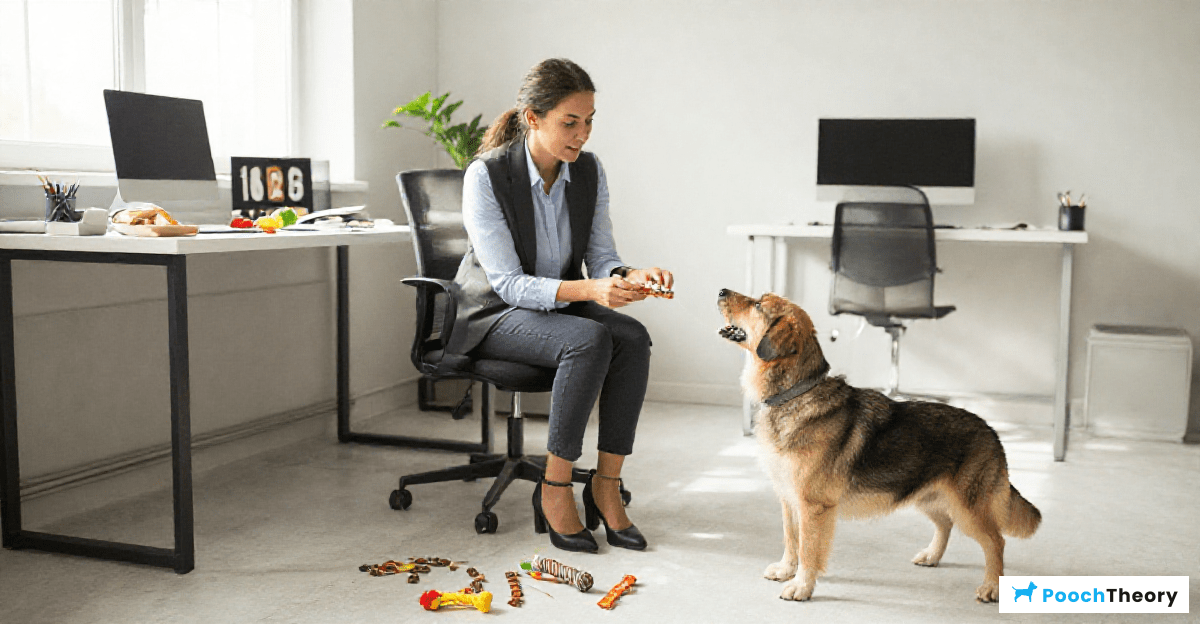
When choosing the right rewards to motivate your dog, it’s important to consider what type best aligns with your dog’s preferences and training goals. There are several reward categories to explore:
- Treats: Most dogs respond well to food rewards, making treats a popular choice. High-value treats, such as small pieces of real meat or specially formulated dog training treats, can be especially effective during training sessions. Be mindful of your dog’s dietary restrictions [Source].
- Toys: Many dogs find toys motivating, particularly during playtime or learning new tricks. Interactive toys can stimulate your dog’s mind.
- Praise and Affection: Verbal praise and physical affection can be highly effective, especially for dogs that thrive on attention.
- Engagement Activities: Engaging your dog in activities they love can also serve as a rewarding experience.
To maximize the effectiveness of rewards, vary the types used to keep your dog engaged. This approach enhances the training experience for both you and your dog. For more insights on training techniques, consider exploring our guide on dog training strategies.
Monitoring Progress During Training
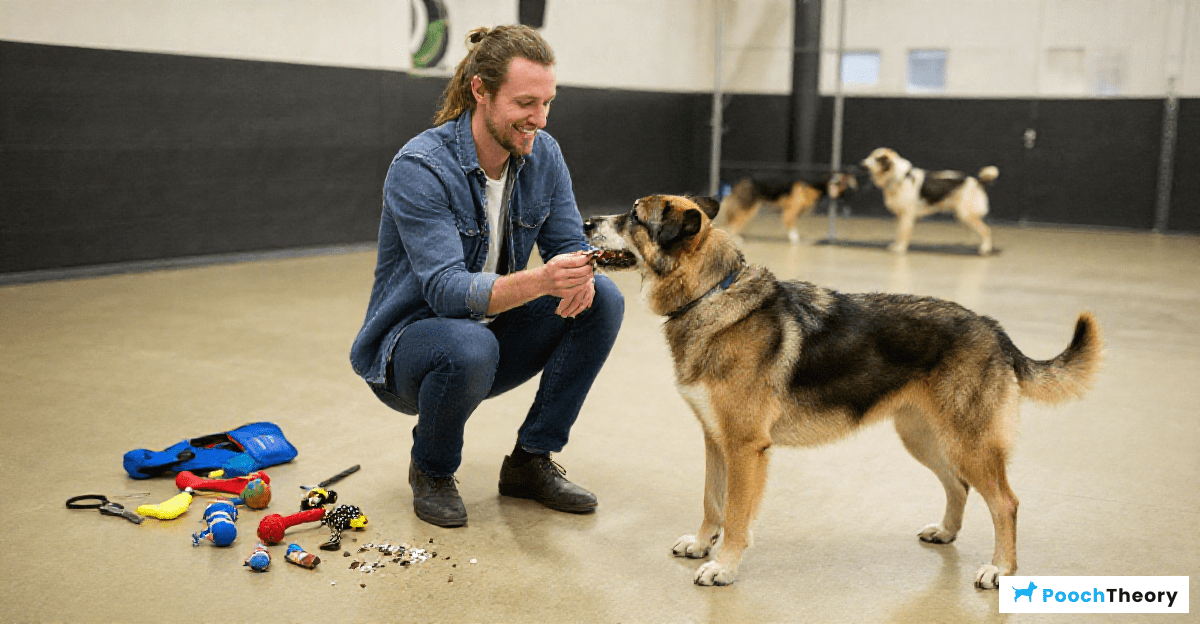
Monitoring your dog’s progress during training is essential to ensure that the techniques you use are effective and cater to your pet’s specific needs. Start by keeping a detailed log of each training session, noting down what commands were taught, your dog’s responses, and any distractions that may have affected training.
It’s crucial to observe your dog’s body language and emotional state during training. Signs of stress or frustration can indicate that your dog may require a break. Communication with your dog is vital; if your dog seems confused, adjusting your commands or maintaining consistent language can enhance learning.
As you adapt your approach, remain patient and supportive, celebrating small accomplishments. Finally, periodically reassess your training goals based on your dog’s progress to ensure that training remains enjoyable and beneficial.
Overcoming Obstacles in Dog Training
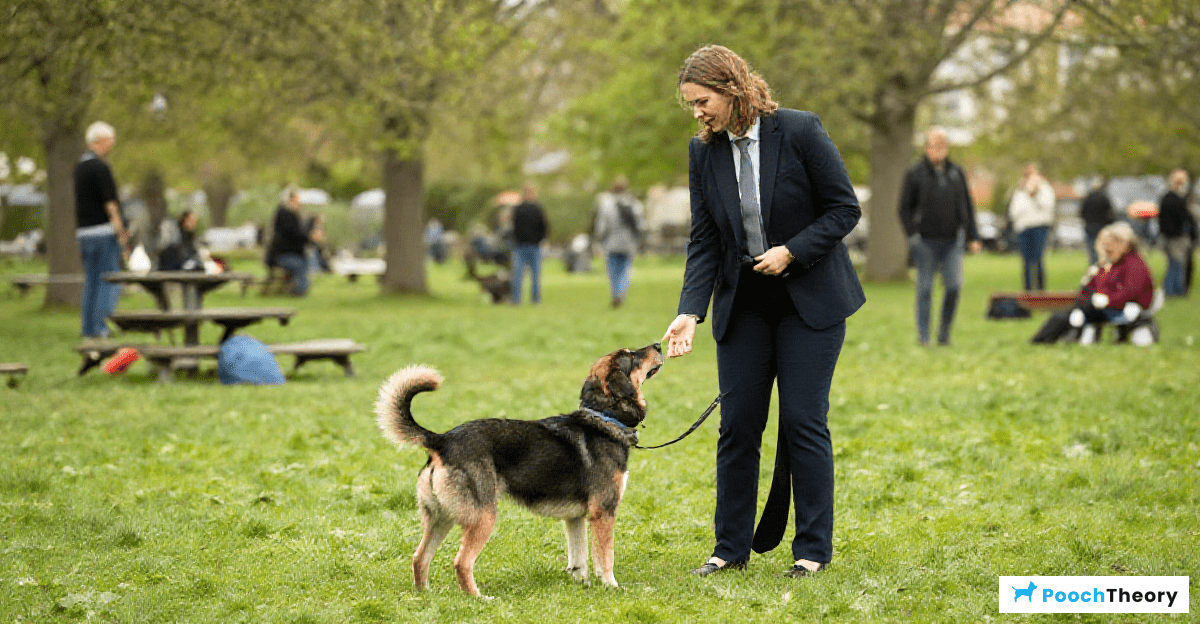
Busy professionals often face challenges in maintaining a consistent dog training routine. Time constraints and unexpected life events can hinder the training process. Here are some strategies to overcome these obstacles effectively:
- Set Realistic Goals: Establish achievable training objectives that fit into your hectic schedule.
- Utilize Technology: Leverage training apps to help you stay organized and track your dog’s progress.
- Incorporate Training into Daily Routines: Use daily activities as training opportunities.
- Engage Family Members: If you live with others, involve them in the training process.
- Focus on Positive Reinforcement: Rewarding your dog can boost their motivation.
- Be Adaptable: If you miss a training session, adjust your approach.
- Seek Professional Help When Needed: Consider consulting a professional trainer if you encounter persistent challenges.
Adopting these strategies can help busy professionals effectively navigate common training obstacles, creating a more harmonious relationship with their dogs.
Conclusion

Effective dog training extends beyond initial instruction; it involves a continuous commitment to learning and development. Utilizing techniques such as positive reinforcement fosters an adaptive learning environment, enhancing communication between you and your furry companion. To reinforce training skills, consider regularly revisiting essential concepts through resources on home training tips. Engaging in activities that challenge both your dog’s mind and body can yield lasting benefits.
Embrace ongoing education in dog training to ensure your dog remains well-behaved and happy—an investment that rewards both owner and pet with a lifetime of companionship.
Sources
- DogTime – Golden Retriever Neighborhood Kids Greet Video
- Neuroscience News – Timing and Associative Learning
- Newsweek – 22-Year-Old Dog Excitement Mealtime
- Newsweek – Saint Bernard Separation Anxiety: How Owner Says Goodbye
- Pooch Theory – Can Dogs Eat Guava?
- Pooch Theory – Mastering Dog Training: Essential Commands for Beginners
- Pooch Theory – Positive Reinforcement Alternatives to Shock Collars for Barking
- Pooch Theory – The Ultimate Guide to Dog Training at Home



