

Benefits of Training Your Dog Tricks Indoors
Teaching your dog tricks indoors is not just about impressing your friends; it serves multiple practical benefits that enhance the bond between you and your furry companion. With the unpredictable nature of weather, especially on rainy days, indoor activities become essential for keeping your dog both physically and mentally active. Engaging your dog in trick training fulfills their need for mental stimulation, ultimately preventing boredom and destructive behavior often linked to pent-up energy. According to Dr. Deianira Huettenmoser, a veterinarian, “mental stimulation is a daily must” as it supports cognitive health and strengthens the bond between dogs and their humans.
Additionally, indoor trick training transforms mundane time spent indoors into fun and productive engagement. Tricks like “roll over,” “play dead,” or “fetch” can be easily taught using positive reinforcement techniques. Not only do these activities provide vital exercise for their minds, but they also allow for interaction that reinforces trust and understanding between you and your pet. For more on effective training strategies, consider exploring our article on home training techniques.
Indoor training sessions can be short, typically lasting 5-10 minutes, making it manageable to fit into a busy schedule. Furthermore, this type of training lays the groundwork for teaching more complex skills in the future, enhancing your dog’s overall obedience and responsiveness. Through consistent practice, both you and your dog will thrive in this unique bonding experience, turning dreary days into opportunities for joy and learning.
Essential Supplies for Indoor Dog Training
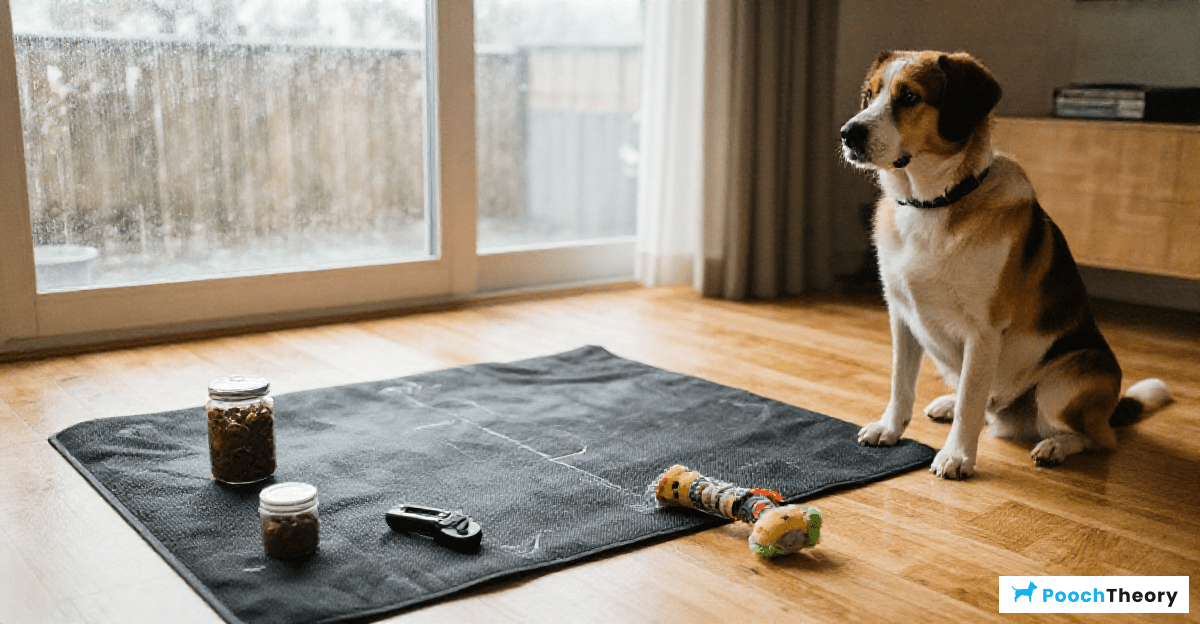
To effectively train your dog, you’ll need a variety of essential supplies that cater to their learning and engagement. Here’s a comprehensive list:
- High-Value Treats: Use small, delicious treats that are irresistible to your dog, such as soft training bites or freeze-dried meat. Treats are a fundamental part of positive reinforcement, helping to motivate and reward dogs during training sessions. For a deeper dive into choosing treats, check out our guide on the ultimate dog training techniques.
- Clicker: A clicker is a great tool for training, specifically for marking desired behaviors. Clickers provide a consistent sound, helping your dog understand which action is being rewarded. For more on effective behavior training, visit our article here.
- Training Leash: A sturdy training leash, ideally 4 to 6 feet long, allows for better control during walks or training exercises. For dogs that require extra guidance, a no-pull harness can also be beneficial. Learn more about walking techniques in our effective loose leash walking plan.
- Toys: Interactive toys can keep your dog entertained and engaged, making training sessions more enjoyable. Consider puzzle toys that dispense treats or tug toys that can encourage playful interactions. Discover which toys are safe for your pups in our post about bubbles and dogs.
- Training Crate: A crate is not only essential for training but also provides a safe space for your dog. Proper crate training can prevent accidents and help with housebreaking. For tips on creating a positive crate experience, check our article on reducing crate anxiety.
- Poo Bags: Always have a supply of waste bags on hand for outdoor training sessions. It’s essential for keeping the environment clean and teaching your dog proper bathroom etiquette.
Having these supplies at your disposal will facilitate a smoother training process, ensuring that both you and your dog have a successful learning experience.
Basic Tricks for Beginners
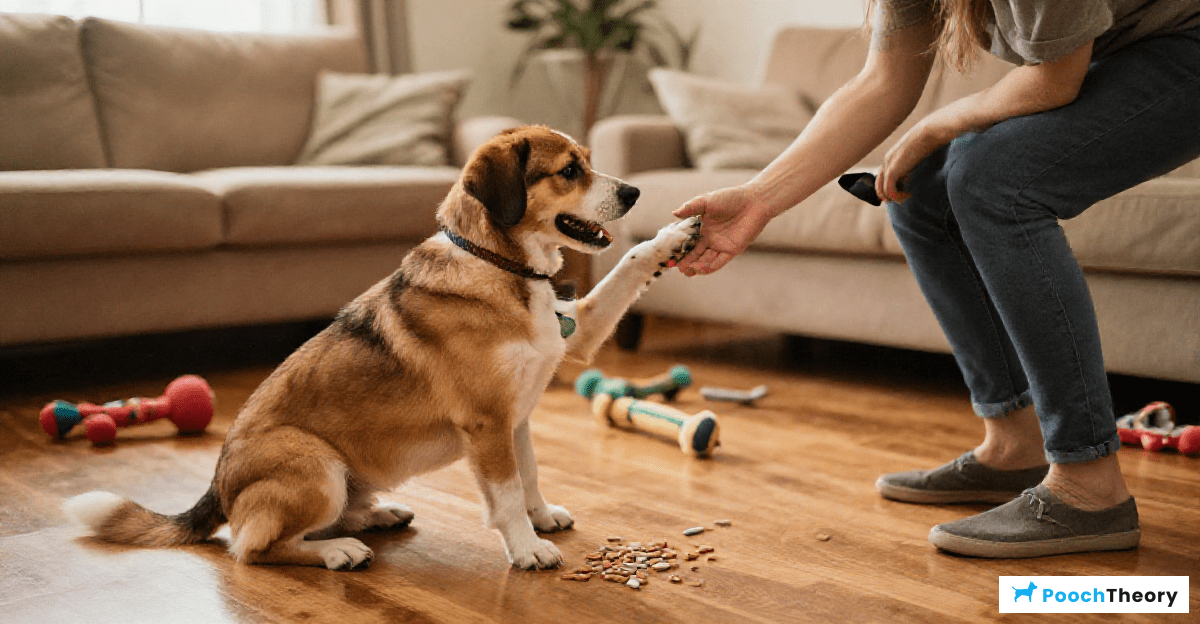
Teaching your dog basic tricks is not only a fun activity but also a wonderful way to enhance your bond. Here are three simple tricks to start with that are perfect for beginners:
1. Sit
One of the first commands to teach your dog is “sit.” To do this, hold a treat close to your dog’s nose, then move your hand upward, allowing their head to follow the treat. As their head goes up, their bottom will naturally lower. Once they are in the sitting position, say “sit” and give them the treat along with plenty of praise. Repeat this a few times every day until they have mastered it. Remember, consistency is key in dog training, so ensure you practice regularly. For more on effective training methods, check out our article on home training tips.
2. Stay
Once your dog has mastered the sit command, you can teach them to stay. Start by asking your dog to sit, then open your palm in front of you and say “stay.” Take a few steps back. If your dog stays put, return and reward them with a treat. Gradually increase the distance and duration of the stay command. It’s important to work in short intervals at first, especially for young dogs. For tips on maintaining your dog’s focus, consider our guidance on recall training.
3. Paw
The paw command is a charming trick that can impress your friends. To teach this, ask your dog to sit and present a treat. Once they focus on the treat, gently lift one of their front paws with your hand while saying “paw.” When they place their paw in your hand, reward them with the treat. It might take a few sessions before they understand, so be patient and keep the sessions short and fun. To explore more engaging games for you and your dog, visit our article on dog training games.
Implementing these basic tricks will not only instill discipline in your dog but also strengthen your relationship through positive interactions. Happy training!
Advanced Tricks for Fun
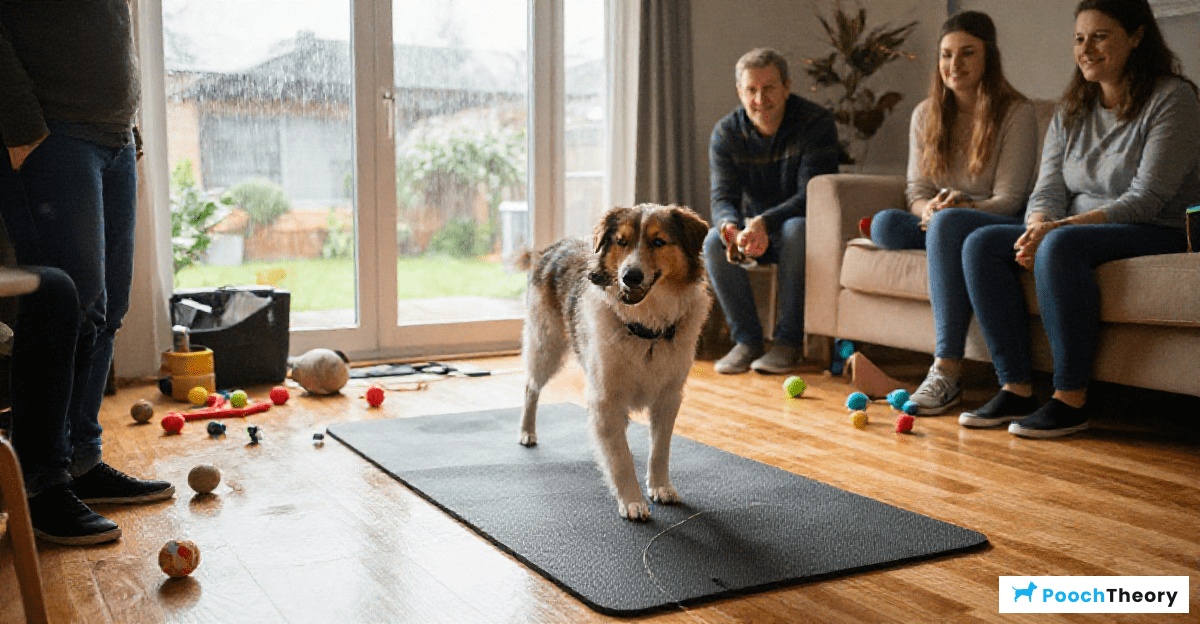
Training your dog with advanced tricks not only enhances their skills but also improves the bond you share. Here are some engaging tricks that can challenge your pup and keep the training sessions exciting.
- Spin: Teach your dog to spin in circles. Start by using a treat to guide them in a circle, rewarding them for completing the spin. Gradually introduce a verbal cue like “spin” and only reward when they follow through without your hand signal. This trick is not only fun but also enhances their coordination.
- Play Dead: Known as the “bang” trick, this classic challenge engages your dog’s obedience training. With your dog in a lying down position, use a treat to guide them to roll onto their side. As they do this, use the cue “bang” and reward them. Consistency is key to mastering this trick.
- Fetch a Specific Item: Take fetch to the next level by teaching your dog to retrieve specific toys by name. Start with two different toys, say “fetch the ball” or “get the duck,” continuously rewarding successful picks. This advanced trick showcases your dog’s learning capacity and can be an impressive party trick.
- Hide and Seek: Enhance your dog’s recall skills with a fun game of hide and seek. Have your dog stay while you hide somewhere in the house. Once you’re in position, call them to find you. Celebrate when they get to you! This game not only strengthens your bond but also reinforces their focus and response to your commands.
- Turn Off Lights: Teaching your dog to turn off light switches is an impressive skill. Use a sturdy object like a stick or a target stick to guide them towards the switch. Gradually introduce the command once they begin to show interest, rewarding them when successful. This practical trick can come in handy!
- Weave Through Your Legs: With this trick, your dog will learn to weave through your legs as you walk forward. Start slow, guiding your dog through your legs with a treat. As they grasp the concept, introduce the cue “weave” and reward them for completing the task successfully. This enhances their agility and coordination.
As you engage in these advanced tricks, remember that patience and positive reinforcement are vital. Keeping training sessions enjoyable and rewarding encourages your dog to learn and explore new challenges. For more training tips and creative ideas, check out our guide on Ultimate Dog Training Techniques.
Effective Training Techniques
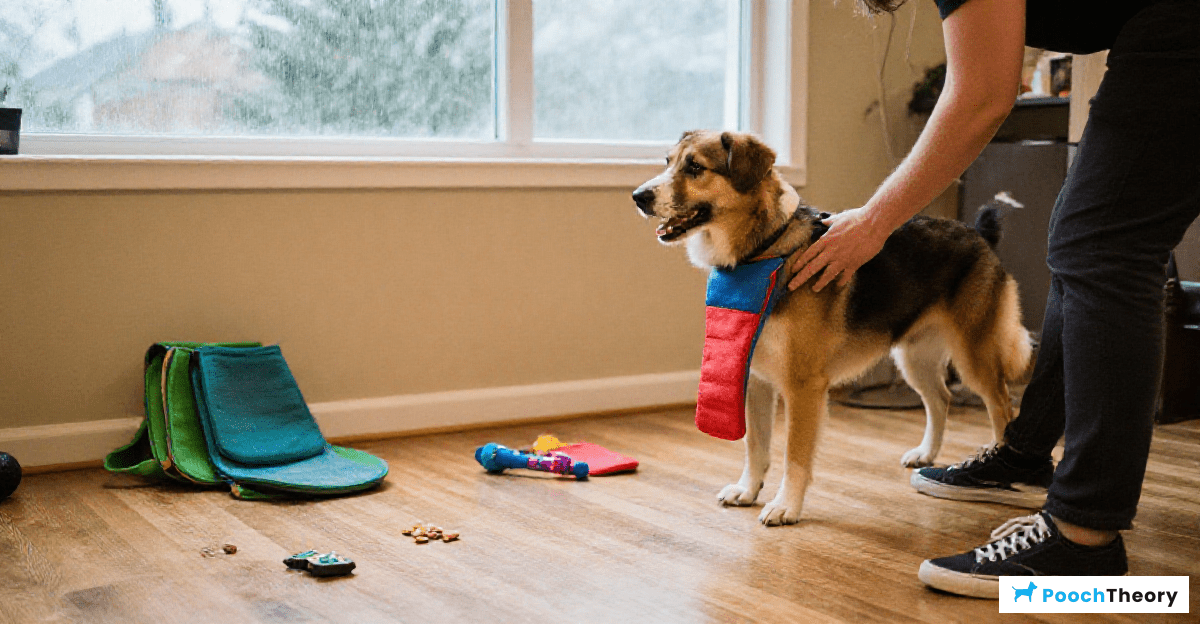
For successful training sessions, it’s crucial to consider both the duration and the techniques employed. Each session should ideally last between 5 to 15 minutes for optimal focus and retention, particularly for younger or easily distracted dogs. Short, frequent sessions promote better learning and reduce the risk of overwhelming your dog, as attention spans can significantly vary. According to Dr. Deianira Huettenmoser, a lead veterinarian, meeting a dog’s physical and mental needs can enhance training effectiveness and overall well-being, as engaging activities foster emotional balance and cognitive health [Source].
Positive reinforcement is another cornerstone of effective training. Using treats, praise, or playtime encourages desired behaviors and strengthens the bond between you and your dog. For instance, rewarding your dog immediately after a successful command can help them understand what you’ve asked them to do. The benefits of positive reinforcement extend beyond immediate compliance; they also contribute to a dog’s psychological health by reducing anxiety and promoting a more enjoyable learning environment [Source].
Creating a structured routine, incorporating varied training environments, and setting achievable goals can make each training session more productive. To reinforce learning, consistently practicing commands in different settings can help your dog generalize their skills, making them more reliable. Engaging games and activities that require problem-solving can further sustain your dog’s interest and motivation during training sessions [Source].
Health and Safety Tips for Indoor Dog Training
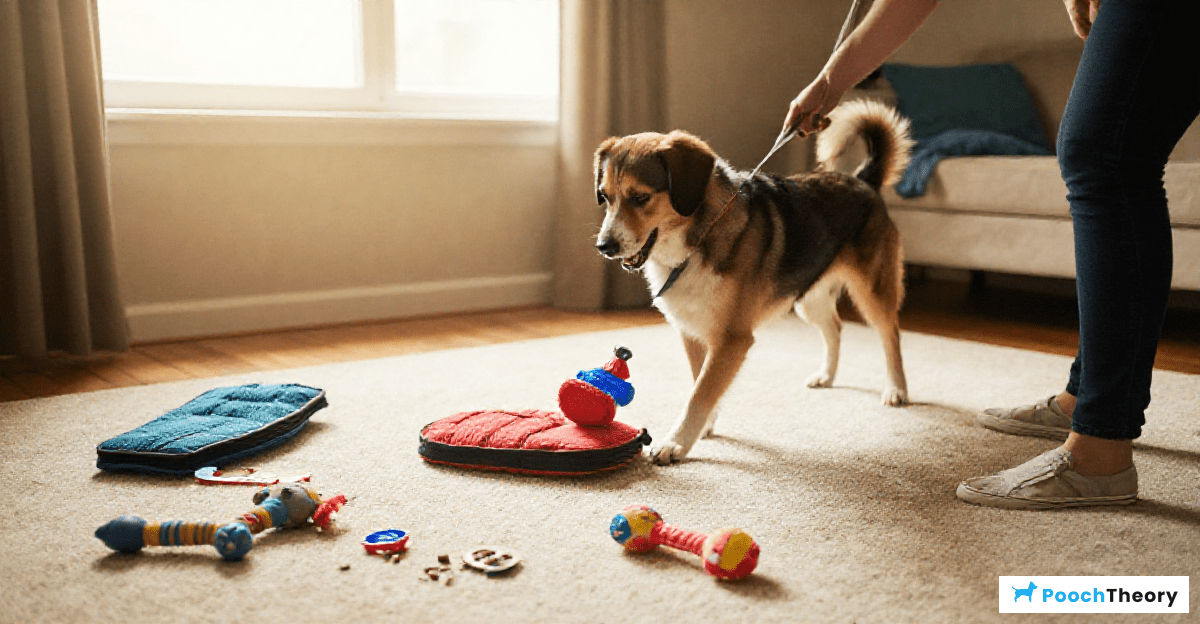
When training your dog indoors, safety should be a top priority. Here are some crucial health and safety tips to keep in mind:
- Environment Setup: Ensure your training area is free of hazards. Remove sharp objects, small items that could be swallowed, and anything toxic. This minimizes the risk of injury or distress during training sessions. Consider using gates to block off areas where your dog might get into trouble.
- Supervision: Always supervise your dog while indoors. This not only helps in preventing accidents but also allows you to step in if your dog engages in unsafe behavior, such as chewing on furniture or jumping into unsafe areas. For small dogs or those recovering from surgery, carry them to avoid stair mishaps, which can lead to injuries like strains or fractures [source].
- Training Tools: Use positive reinforcement techniques and avoid harsh training tools or methods that could harm your dog’s well-being. Effective training can be achieved using treats, toys, and a calm demeanor [source].
- Health Precautions: Be aware of your dog’s health, especially if they are aging or have previous injuries. Regularly check for signs of discomfort or pain during activities and consult your veterinarian if any health issues arise. Certain conditions, like leptospirosis, can pose risks to dogs, so avoid letting them drink from potentially contaminated water sources or areas [source].
- Hydration and Breaks: Always provide water and take regular breaks during training. Dogs can become overstimulated or tired, leading to accidents or stress. Make sure to refresh them frequently to keep their energy levels balanced.
By adhering to these safety tips, you ensure a more effective and enjoyable indoor training experience for both you and your dog. For more insights on dog training, check out the Bubble Theory and Effective Training Techniques.
Conclusion
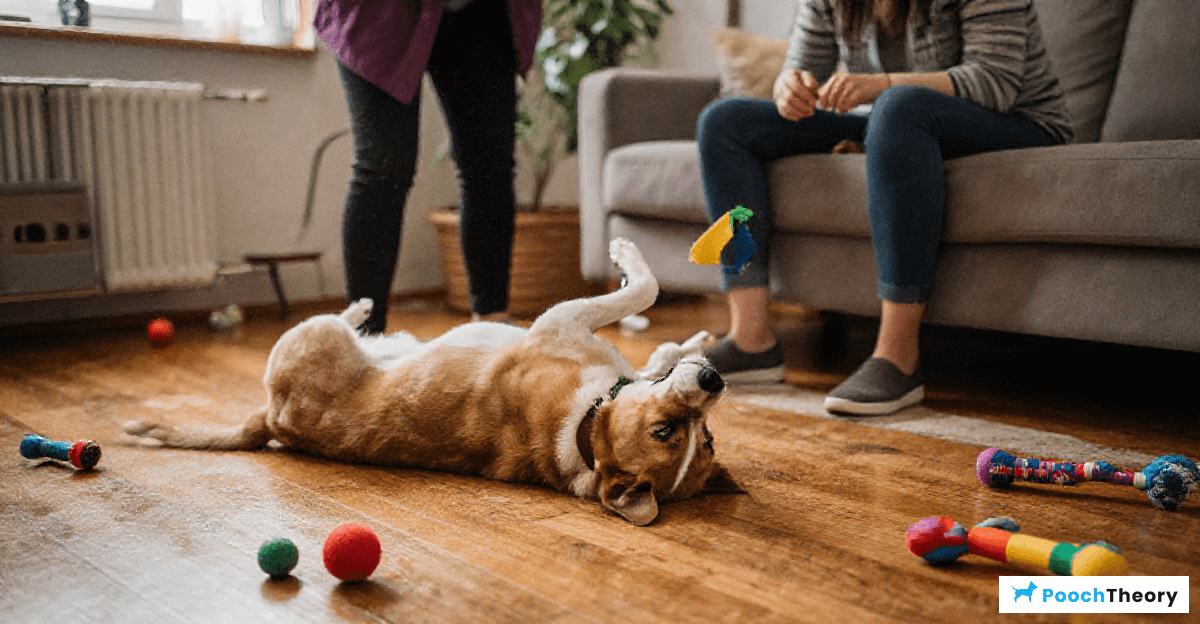
Teaching your dog tricks offers numerous benefits that enhance their mental stimulation and strengthen the bond between you and your furry friend. Tricks not only provide a fun activity, but they also contribute to a dog’s cognitive development. When dogs learn tasks like “roll over” or “play dead,” they engage in problem-solving, which can improve their overall intelligence and adaptability. Furthermore, teaching tricks can be a practical tool for managing behavioral issues, as it provides an outlet for their energy and ensures they remain engaged.
For continuous learning and practice, it’s crucial to maintain an ongoing training regimen. Consistency is key; regularly practicing tricks helps reinforce learning and build your dog’s confidence. Incorporating various training methods can also keep sessions fresh and engaging. Engage with your dog through adaptation of commands to their natural instincts and communication styles. Notably, many dogs can learn by observing and overhearing their owners, akin to human toddlers learning from their surroundings. This form of indirect teaching fosters a deeper understanding between dogs and their owners.
For further guidance, explore resources on specific training techniques such as the ultimate guide to dog training or effective leash walking strategies. With patience and practice, the journey of teaching your dog can lead to unparalleled companionship and joy.
Sources
- Newsweek – Vet Reveals Daily Essentials Dog Needs for a Happier Life
- Newsweek – Dog Wants to Come Downstairs, Viewers Unprepared for the Home Cam
- Newsweek – California Dog Warning: Deadly Bacteria Found in 3 Dogs
- Times of Israel – Israeli Researcher Finds That By Eavesdropping, Genius Dogs Learn Words Like Toddlers



